


Victorian Copper Fireside Accessories
Victorian copper fireside accessories bring warmth and utility to a hearth through hammered metal, riveted seams, and brass mounts.
Victorian Copper Fireside Accessories
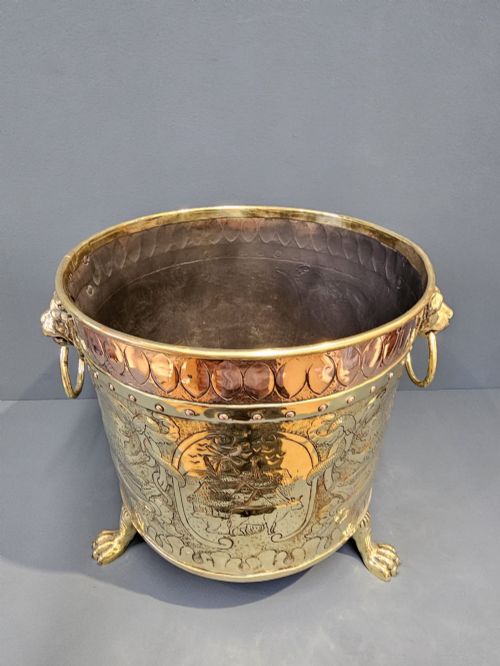
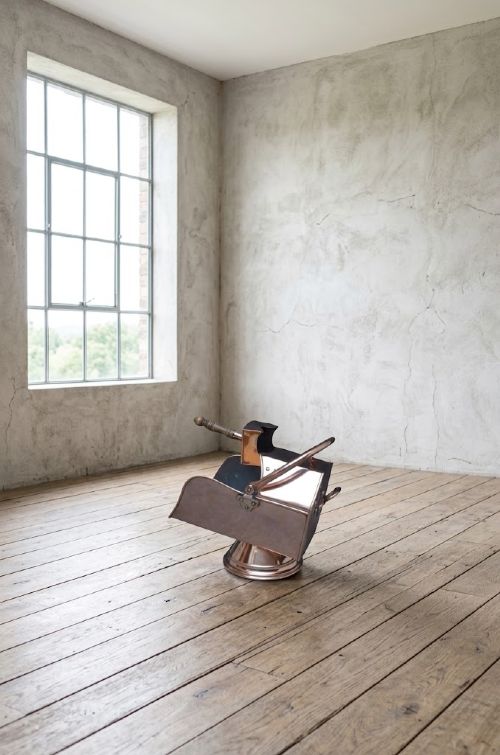
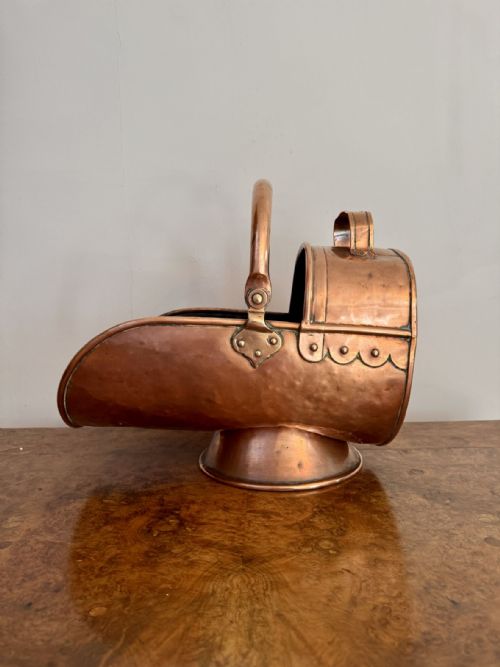
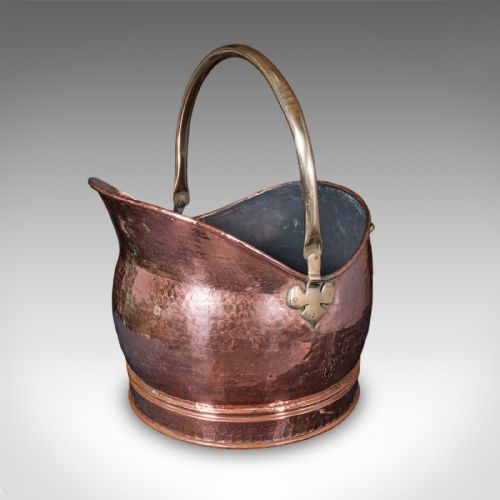
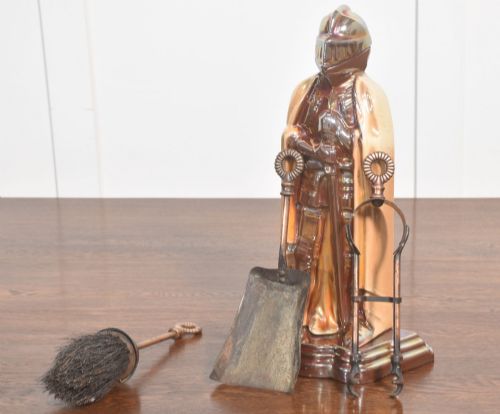
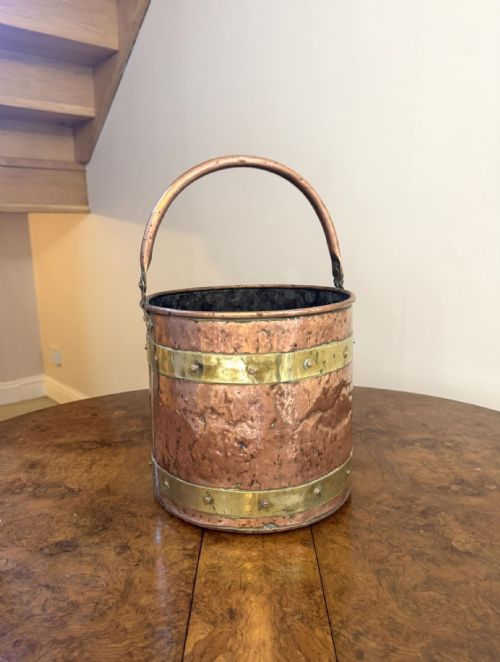
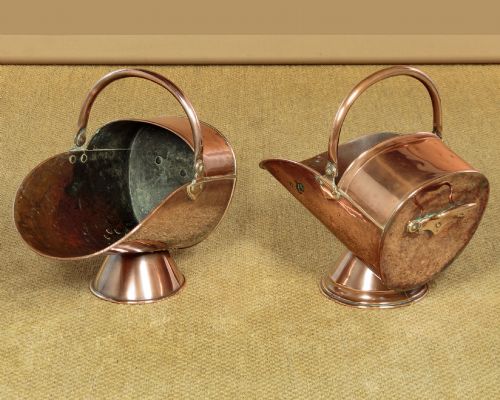
Victorian copper fireside accessories comprise coal scuttles, coal buckets, log bins, and companion sets designed for nineteenth-century hearths. The helmet shape and cylindrical bucket form dominate the pieces found here, often paired with brass handles and feet.
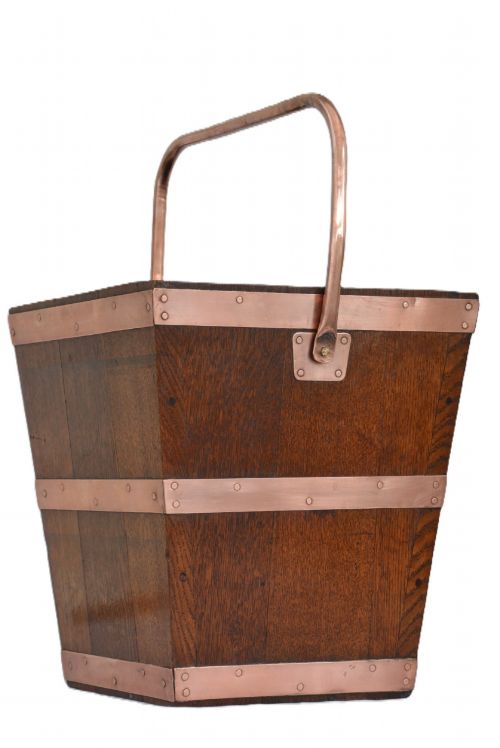
Makers produced these functional items across the nineteenth century and into the early twentieth century, spanning the Victorian, Arts and Crafts, and Art Nouveau styles. Oak and wrought iron frequently complement the copper body to create sturdy vessels for domestic fuel storage.
Materials and Construction
The primary construction relies on beaten and riveted sheet copper, shaped by hand or hammered to create sturdy walls for coal and logs. Brass bands, swinging handles, and cast feet provide structural reinforcement and decorative contrast.
Some fireside toasters feature copper inlaid hearts to warm crumpets while the coal burned low.
Standard and Execution
Metal thickness and the weight of the brass mounts dictate the overall substance of a piece, distinguishing heavy-gauge vessels from lighter domestic examples. Riveted construction and hand-beaten surfaces indicate the level of craftsmanship involved in shaping the metal.
The integrity of handles, hinges, and liner elements shows how well a piece survived daily use beside a coal fire. Maker choices in combining copper with oak or wrought iron reveal distinct ambitions in design and utility.
The Victorian Copper Fireside Accessories Glossary
- Coal scuttle
- A container designed to hold coal for a fireplace, typically featuring a wide mouth and a swinging handle for pouring. These vessels often take a helmet shape to direct fuel cleanly onto the fire.
- Coal hod
- A deep box or bucket used for storing coal near the hearth, frequently fitted with a lid or angled opening. They appear in copper, brass, and oak.
- Log bin
- A large container intended for holding firewood rather than loose coal. They utilise heavy copper bodies and sometimes include iron or brass bands.
- Helmet shape
- A distinctive coal scuttle profile resembling a classical helmet with a flared front lip. This form allows fuel to slide out easily.
Victorian Copper Fireside Accessories: Frequently Asked Questions
How do I clean antique copper?
Maintenance requires gentle washing with warm soapy water to remove soot and surface dust without stripping the aged patina. Aggressive polishes remove the historical surface layer that collectors prefer to retain.
Keeping the metal dry prevents corrosion and preserves the darker tones acquired over decades of exposure to hearth environments.
Were these pieces meant for coal?
Household fires during the nineteenth century relied primarily on coal for sustained heat, making dedicated scuttles and buckets essential items. Domestic interiors utilised these lidded or open vessels to transport fuel from cellars to the fireplace.
Larger cylindrical bins served to hold logs for open wood fires, particularly in larger country houses and rural properties.
Can I use these near a modern fire?
These metal containers function effectively as storage vessels for kindling, logs, or modern fireplace accessories beside an active hearth. Their robust copper and brass construction handles everyday domestic placement without difficulty.
Checking the interior condition ensures that any old coal dust or moisture is cleaned out before placing wood inside.
How do I spot an Arts and Crafts piece?
Arts and Crafts examples display visible hammer marks, riveted seams, and simpler geometric forms rather than ornate Victorian embossing. Designers focused on the natural qualities of the metal and structural honesty.
Iron handles and strapwork often replace brass mounts on these pieces, reflecting a distinct aesthetic preference from the mid-Victorian period.