
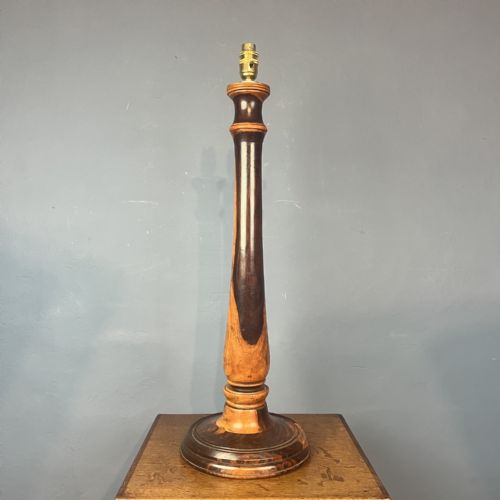
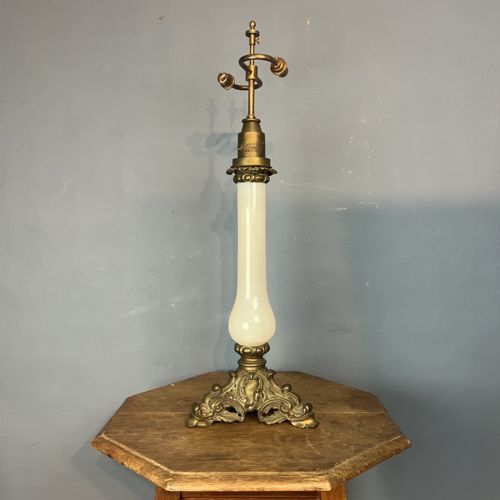
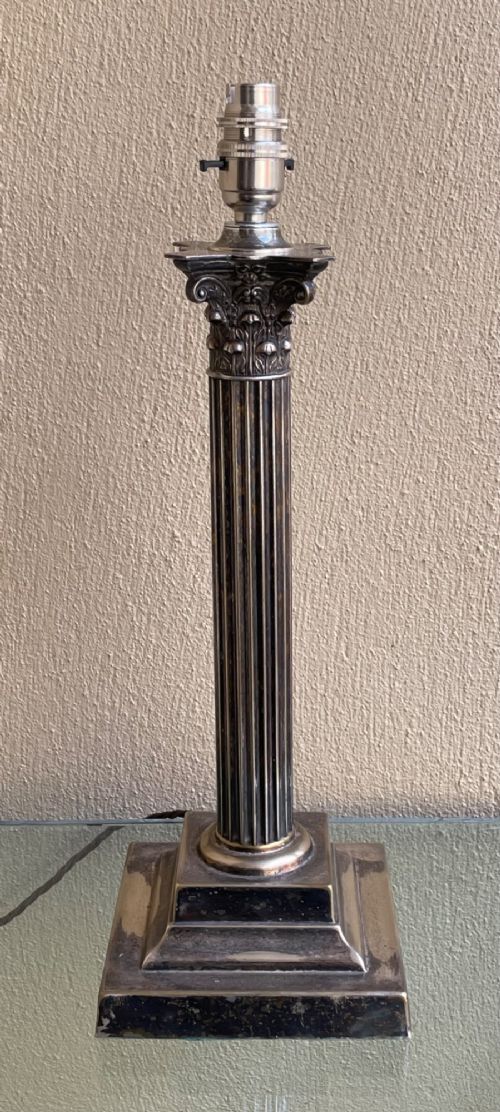
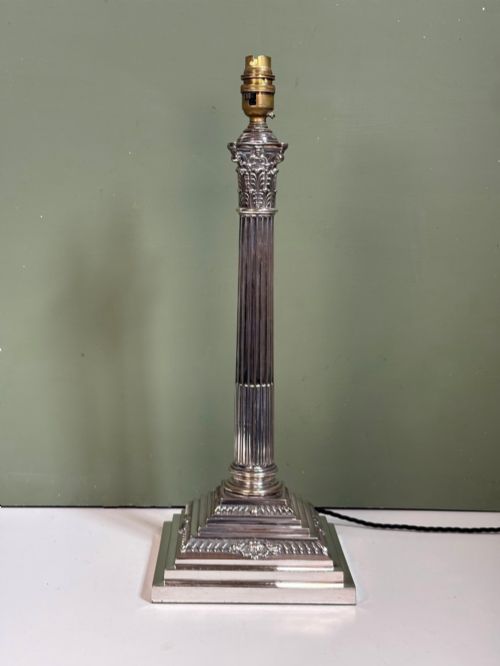
Victorian Column Light Base
A victorian column light base brings architectural proportion to a room, using classical orders to support electric or oil lighting.
Victorian Column Light Base
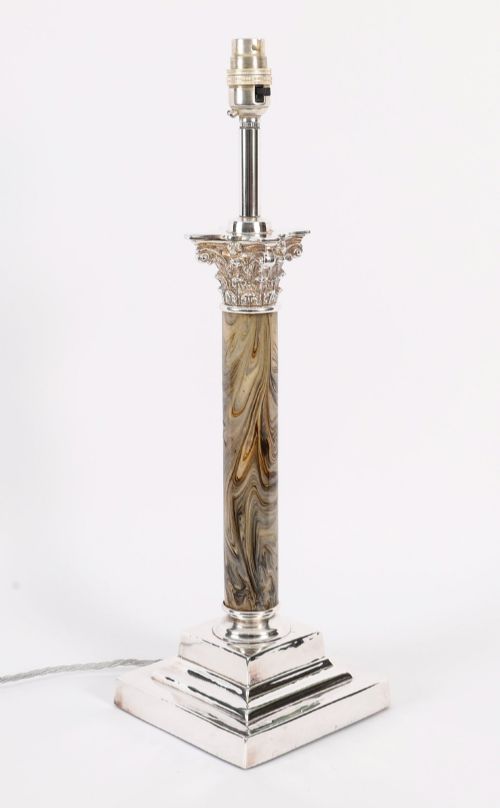
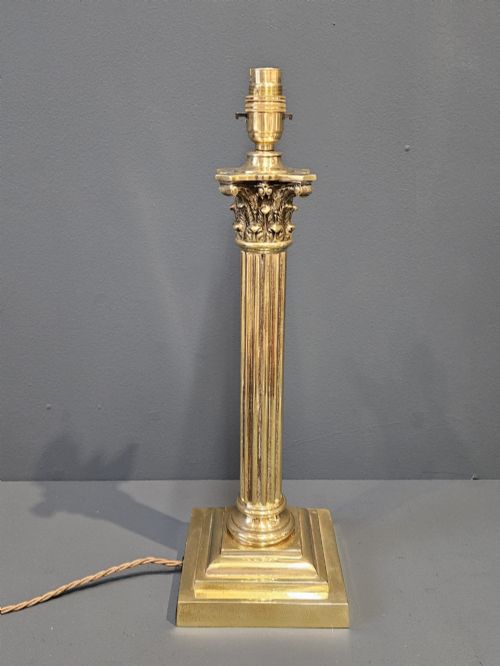
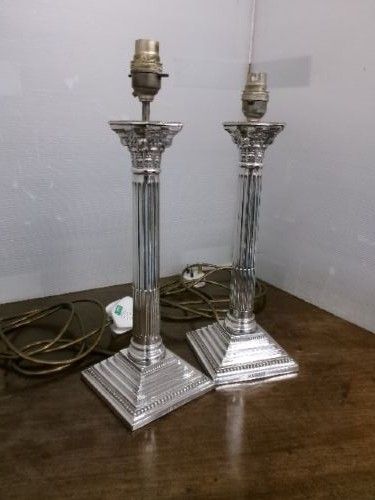
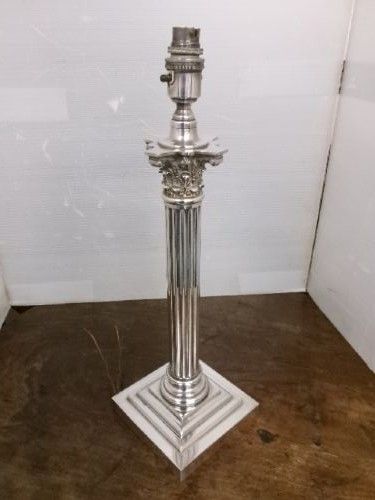
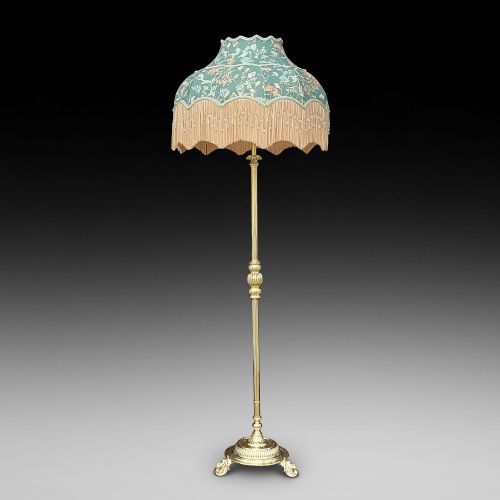
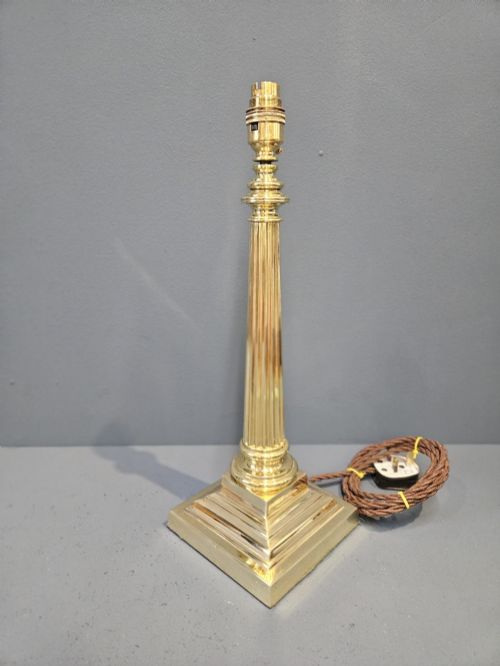
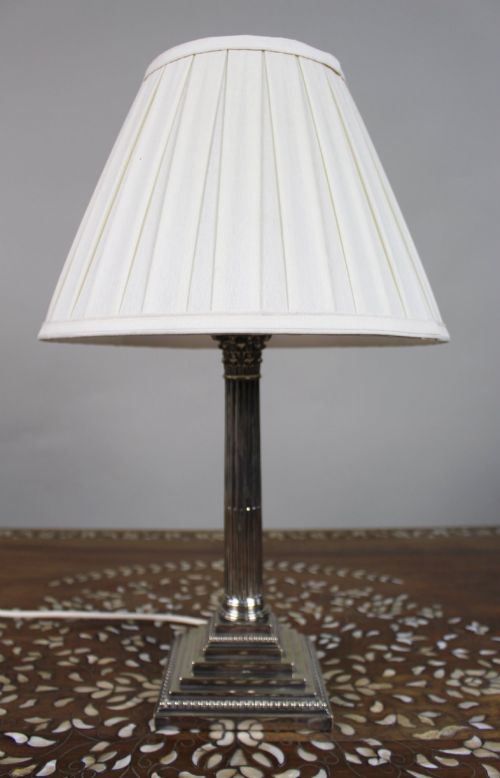
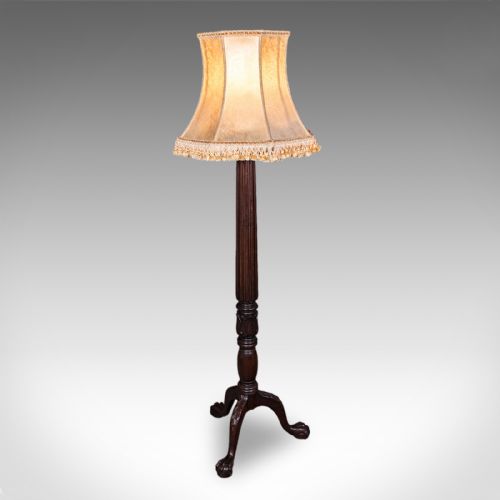
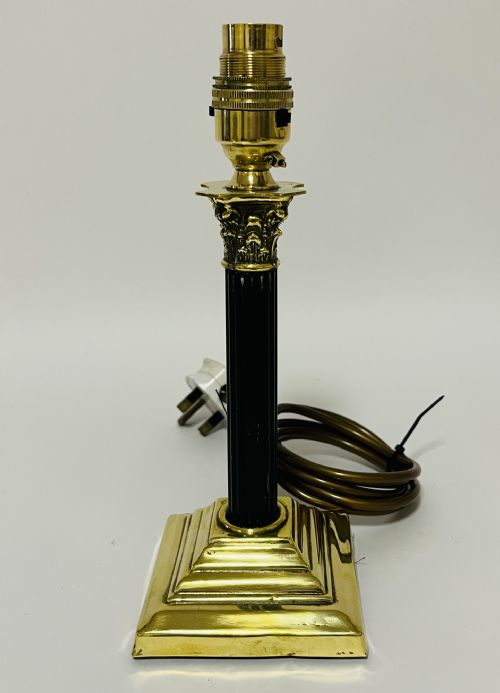
A victorian column light base draws upon classical architecture, translating stone orders into domestic lighting forms from the nineteenth century. Buyers encounter standard floor lamps, table lamps, and converted oil lamps that utilise structural columns as their primary shaft. These pieces frequently adopt the Corinthian or ionic order, featuring fluted brass, silver plate, or timber shafts.
The objects stem from periods spanning the mid-nineteenth century through to the early twentieth century, showing revivalist influences such as William IV and neoclassical styles. Table lamp bases and standard lamps appear alongside candlesticks adapted for electricity, reflecting changing domestic habits. Origins range from straightforward brass workshop pieces to elaborate silver-plated examples with stepped plinths.
Proportion and classical detail define the selection, with columns resting upon square bases, lion's paw feet, or stepped pedestals. Surviving examples demonstrate how period lighting was modified over time from oil burning to electrical wiring while retaining the architectural integrity of the original column.
Materials and construction methods
Metalworking dominates the construction, utilising cast brass, bronze, and silver plate over base metals to create rigid structural shafts and intricate capitals. Founders cast Corinthian capitals with detailed acanthus leaves and volutes, attaching them securely to cylindrical metal tubes or solid turned timber columns.
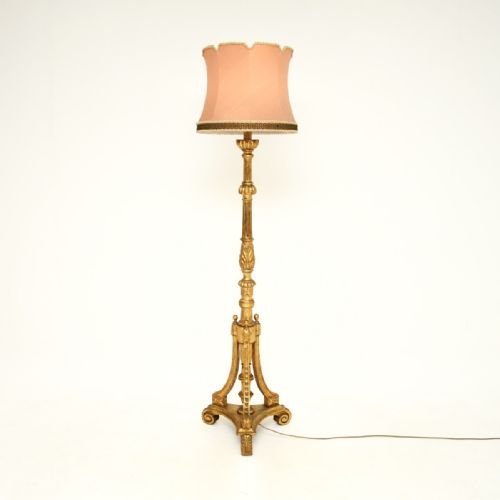
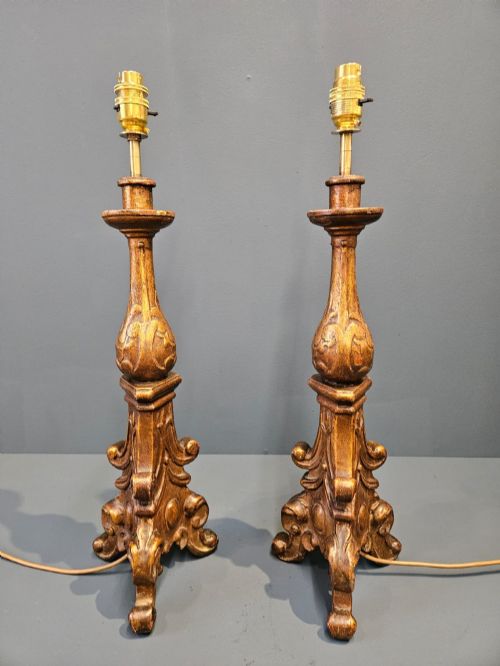
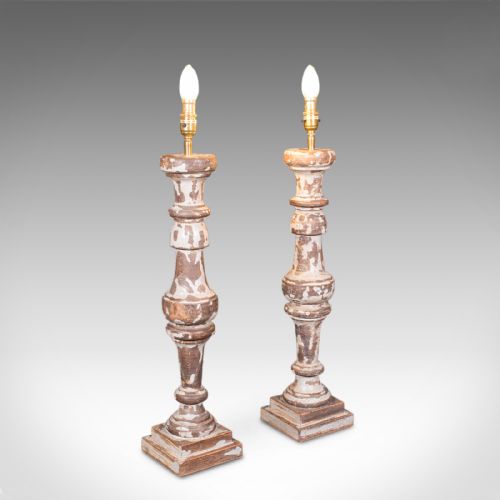
Alternative materials include cut glass, opaline glass, ceramic, and lignum vitae, offering varied textures and light-reflecting properties for the column shaft. Woodturners shaped timber and gilt wood into substantial standards, while silversmiths applied heavy silver plating to base metals using early electroplating techniques or traditional methods.
Makers integrated weighted internal rods or heavy metal bases to ensure stability, particularly for taller floor-standing standard lamps and converted oil lamps. Components were threaded, soldered, or pinned together, allowing individual elements like burners, fonts, and columns to be disassembled for wiring or cleaning.
Assessing quality in column lamps
The crispness of the casting on capitals and bases separates standard production from superior examples, with finer pieces displaying sharply defined acanthus foliage and deep relief. The weight and gauge of the brass or silver plate dictate the physical substance of the object, where thicker metals prevent wobbling and resist denting.
Material selection introduces another tier of distinction, as solid hardwoods, heavy cut glass, and substantial bronze outrank lightweight spun brass or thin plated sheeting. The integrity of the stepped plinth and the attachment method between the column and its base reveal the original maker's commitment to structural durability.
Proportion and decorative harmony govern the visual success of the piece, where well-balanced fluting and correct architectural scale elevate a standard lamp into a commanding interior object.
Mc Garys Patent·Goldsmiths and Silversmiths Company·Joseph Hinks·Harrison Brothers and Howson
The Victorian Column Light Base Glossary
- Corinthian column
- An architectural column order characterised by an ornate capital decorated with acanthus leaves and scrolling volutes. This form was widely adapted for nineteenth-century lighting stands.
- Standard lamp
- A tall floor-standing lamp designed to illuminate a room from a vertical position. These pieces often feature heavy weighted bases to support extended heights.
- Opaline glass
- An opaque or translucent pale glass popular in nineteenth-century lighting manufacture. It diffuses light softly and appears in both white and coloured variants.
- Plinth
- The heavy rectangular or square block at the base of a column that provides physical stability. They frequently incorporate stepped profiles or decorative feet.
- Silver plate
- A thin layer of silver fused or electroplated onto a base metal such as brass or copper. It offered the visual appeal of solid silver at a lower cost.
Victorian Column Light Base: Frequently Asked Questions
How do I convert an old oil lamp?
Conversion typically involves removing the burner mechanism and running modern electrical flex down the internal channel of the column. A qualified electrician should install appropriate lamp holders that match the existing thread size.
Original reservoirs and brass collars are usually preserved during this process to maintain the historical integrity of the base without damaging the metalwork.
What is the difference between table and standard lamps?
Table lamps are proportioned to sit on furniture surfaces such as sideboards, desks, or occasional tables, featuring shorter columns and compact footprints. Standard lamps are floor-standing fixtures built with significantly taller shafts to illuminate a wider area from floor level.
Both formats utilise similar architectural column designs, but standard lamps require heavier weighted bases to ensure stability at greater heights.
How do I date a brass column lamp?
Dating relies upon examining manufacturing marks, mounting techniques, and stylistic revivals such as William IV or neoclassical influences. Heavy cast brass components and stamped maker details often point towards mid-nineteenth-century production.
Changes in wiring entry points, screw threads, and the wear patterns on silver plate or brass also help narrow down the period of manufacture.
Are these lamps heavy?
Many examples possess considerable weight due to solid brass construction, weighted iron bases, or dense hardwood shafts like lignum vitae. This mass was engineered to prevent tipping, particularly on tall floor-standing standards and large table lamp bases.
Silver-plated versions over base metals similarly offer a solid feel, though hollow spun-metal constructions exist at the lighter end of the scale.