


Victorian Silver Table Lamp
A victorian silver table lamp brings classical proportion and reflective warmth to a room, drawing the eye with solid silver or plated columns.
Victorian Silver Table Lamp
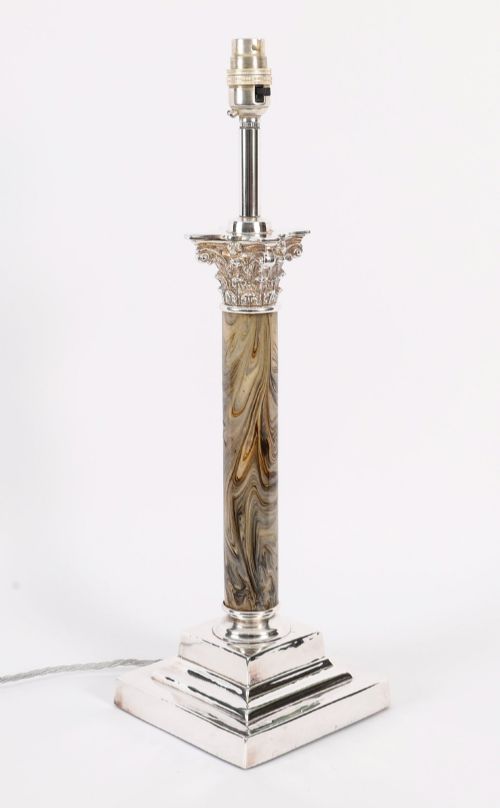
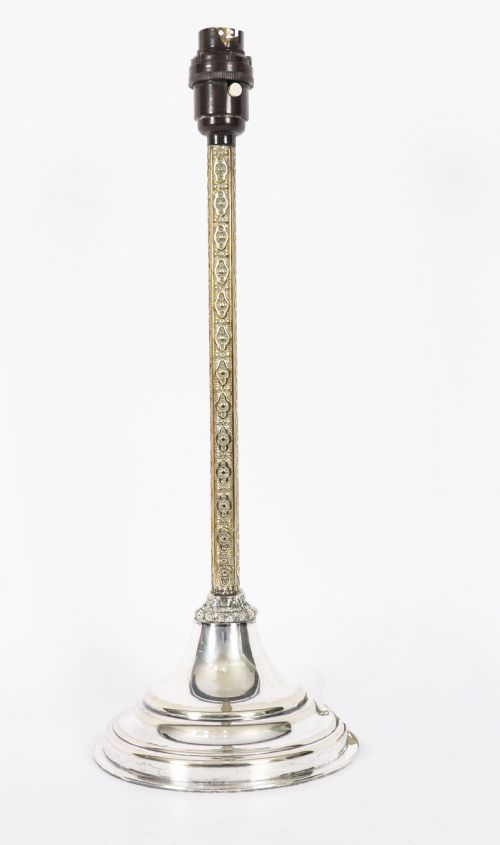
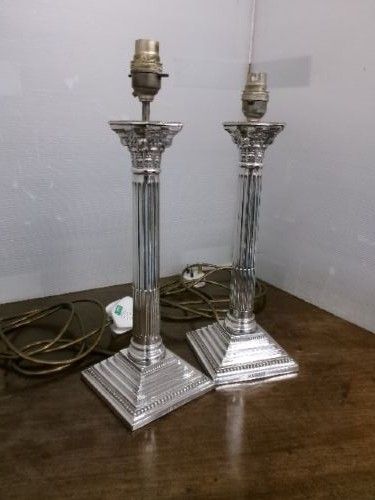
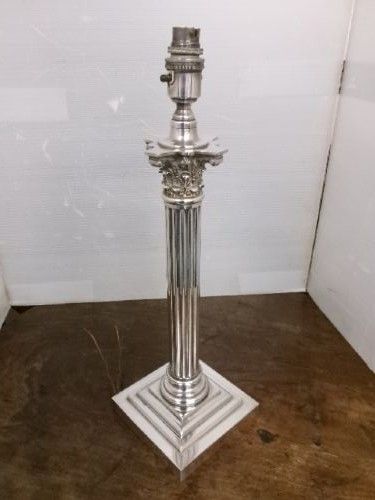
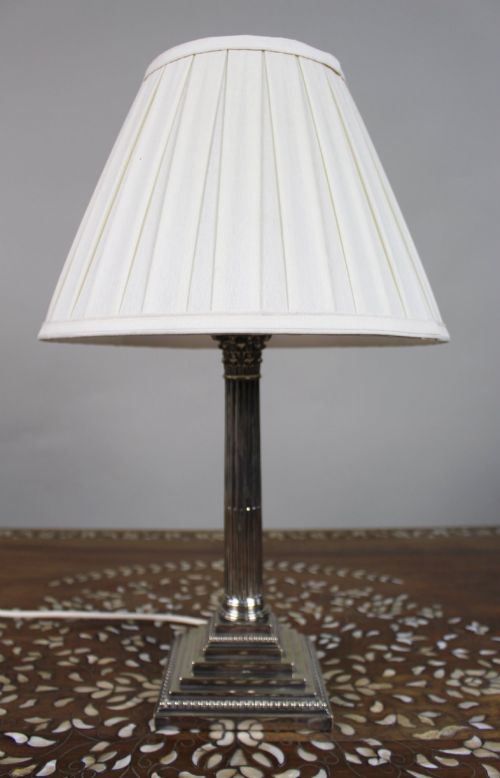
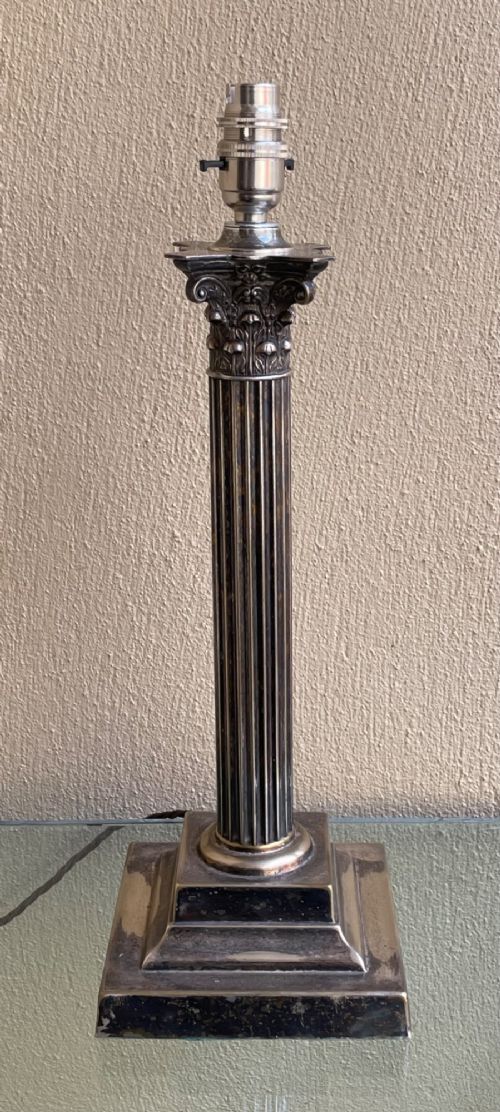
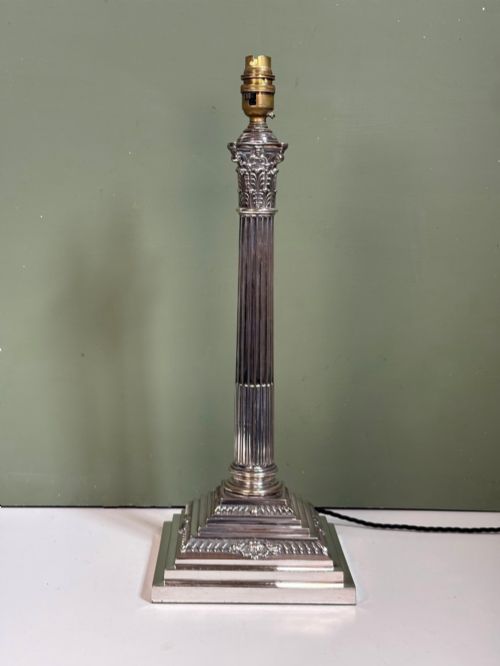
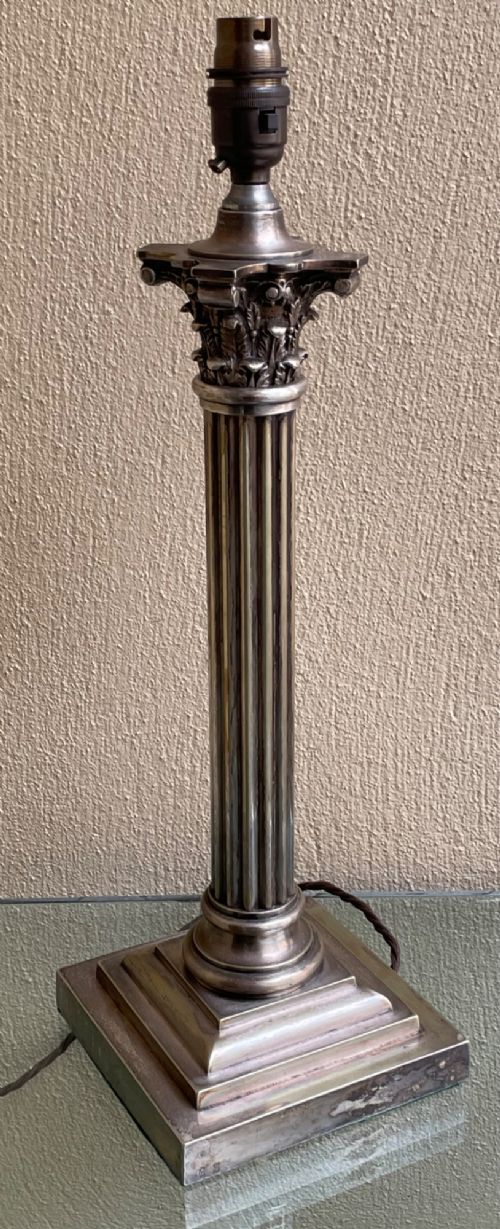
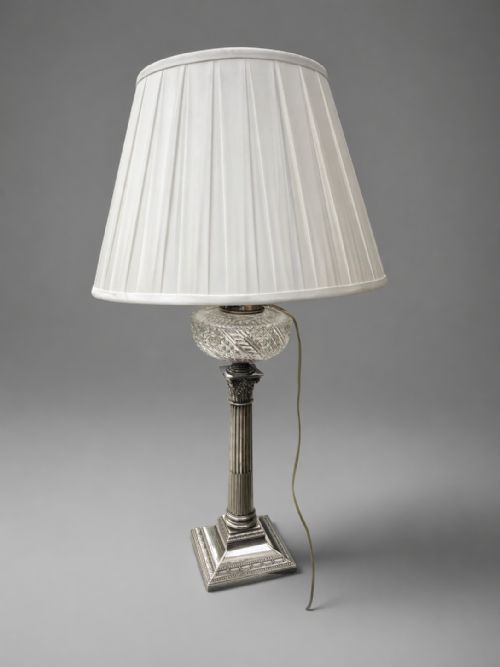
A victorian silver table lamp typically takes the form of a classical architectural column, often styled on the Corinthian or Doric orders with stepped bases and detailed capitals. These pieces frequently originate as nineteenth-century oil lamps or candlesticks subsequently adapted for electrical wiring, retaining their heavy proportions and substantial presence.
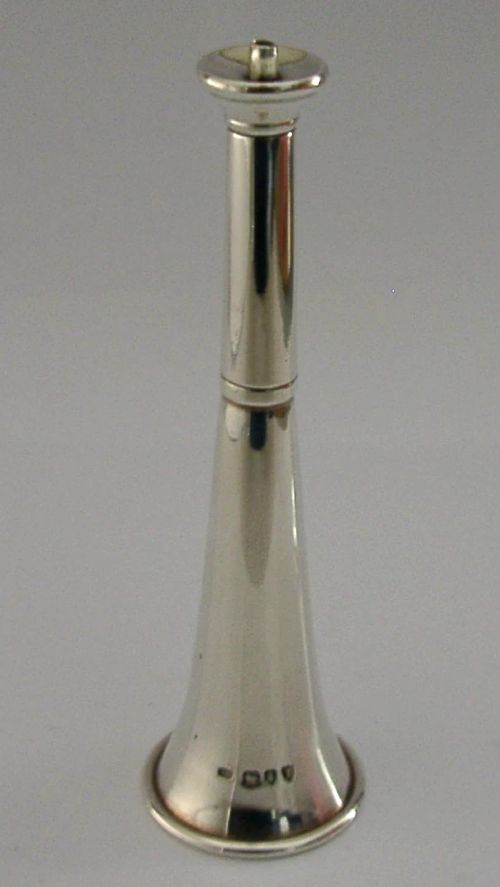
Beyond the standard column designs, the category includes functional tabletop accessories such as figural table lighters, gimbal lamps designed for maritime use, and complex candelabra configurations. Sterling silver examples appear alongside heavier silver plated iterations, brass cores, and nickel finishes from workshops active across the Victorian period and into the early twentieth century.
How they were made
Silversmiths constructed these lamps using methods such as electroplating silver onto a base metal core or working with solid sterling silver for high-end commissions. Columns and capitals were often cast in sections before being soldered and chased by hand to sharpen the leaf and flute details.
Many designs incorporate weighted iron or lead bases concealed beneath green baize to provide stability for tall shafts. Associated components like burners, glass fonts, and gimbal rings utilise brass, cut glass, and parcel gilding to complement the reflective silver surfaces.
Corinthian column forms appear alongside ship's gimbal lamps, table lighters, and candelabra.
What varies in quality
The distinction between standard production and top-tier pieces rests upon the crispness of the casting and the depth of the metalwork. Superior examples display deeply undercut acanthus leaves on Corinthian capitals and sharp, distinct fluting along the column shaft rather than softened, mass-produced contours.
Maker attribution and the integrity of the original plating or solid metal gauge further separate ordinary examples from exceptional ones. Pieces bearing clear hallmarks or stamps from established silversmiths command greater architectural presence and heavier material weight.
Mappin and Webb·Goldsmiths and Silversmiths Company·Harrison Brothers and Howson·Hinks·Walker and Hall·Hawksworth Eyre and Company·Braham
The Victorian Silver Table Lamp Glossary
- Corinthian column
- A classical architectural support featuring an ornate capital decorated with carved acanthus leaves. This form serves as the primary template for the most common Victorian lamp silhouettes.
- Silver plate
- A manufacturing method where a thin layer of silver is fused or electroplated onto a base metal such as copper or nickel. This technique allowed Victorian makers to produce large, heavy lamps at a fraction of the cost of solid silver.
- Gimbal
- A pivoted ring mounting that allows a lamp to remain level regardless of the motion of its surroundings. These mechanisms are frequently found on maritime pieces designed for ships.
- Parcel gilt
- A decorative treatment where specific areas of an object are highlighted with applied gold leaf or wash while the remaining surface retains its silver finish. This technique accentuates intricate detailing on high-grade pieces.
Victorian Silver Table Lamp: Frequently Asked Questions
Are these lamps safe for modern wiring?
Most antique lamps encountered today have been previously rewired and tested to meet modern electrical safety standards. Buyers should check the specific wiring condition of individual pieces before daily use.
Original oil lamp mechanisms are routinely converted to electrical fittings while preserving the external appearance of the nineteenth-century base.
How do I distinguish sterling silver from silver plate?
Sterling silver pieces carry official assay office hallmarks indicating solid precious metal content throughout the structure. Silver plated examples reveal the base metal underneath where friction or wear occurs over time.
Weight can also offer an indication, though weighted bases are common to both categories for stability.
What shades suit these columns?
Fabric shades in neutral silks or pleated designs balance the heavy metallic presence of Corinthian and Doric columns. The choice of shade depends on the overall height and intended placement of the lamp within a room.
Original configurations often featured glass chimneys or opal globes rather than fabric shades.
How should I clean the silver surfaces?
Gentle dusting with a soft cloth prevents dust buildup in the recessed flutes and acanthus leaf carvings. Silver polish should be used sparingly and cautiously on plated items to avoid wearing through the thin metal layer.
Unlacquered brass and silver will develop a natural patina if left unpolished over extended periods.