
Antique Silver Lighting Base
An antique silver lighting base brings warmth and period character to a room, offering a solid foundation for daily illumination.
Antique Silver Lighting Base
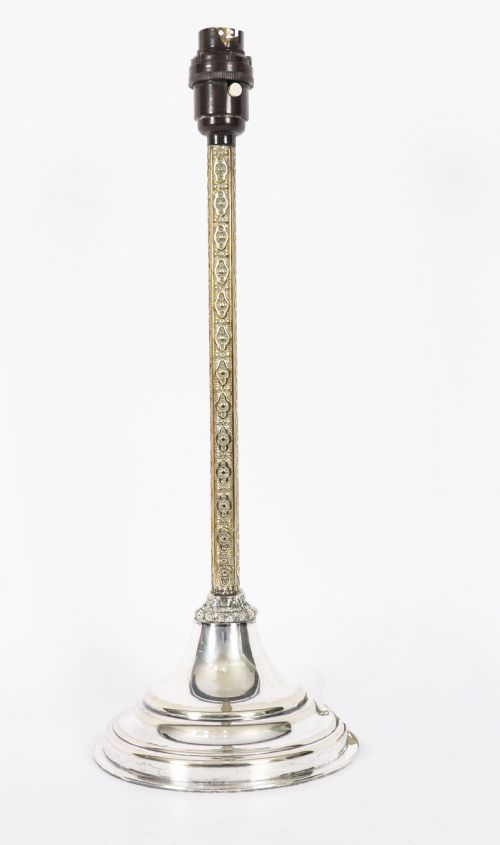
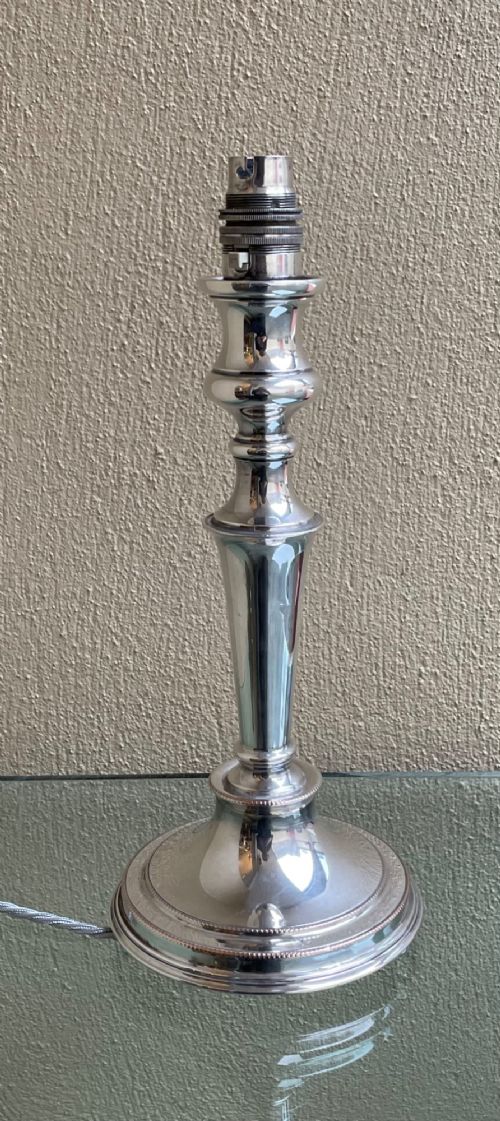
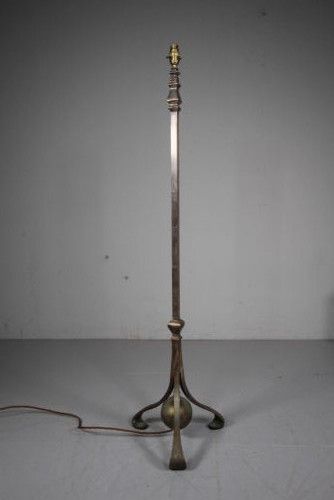
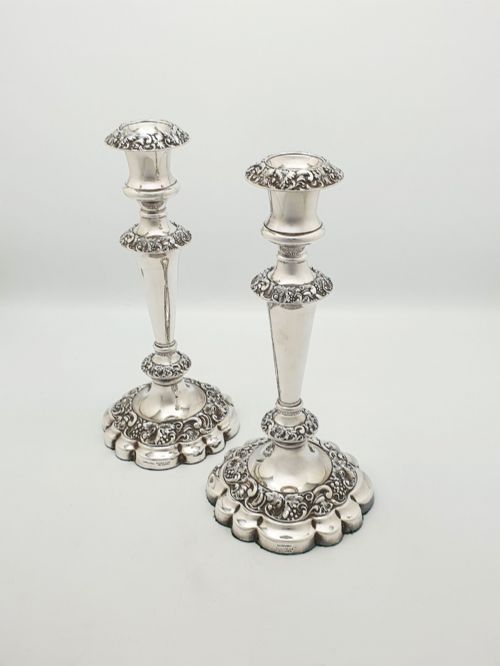
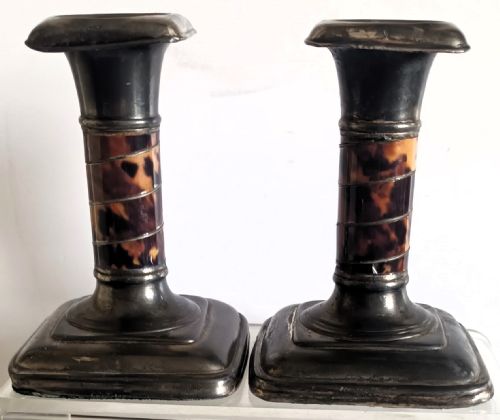
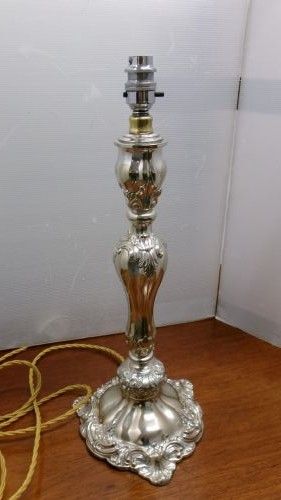
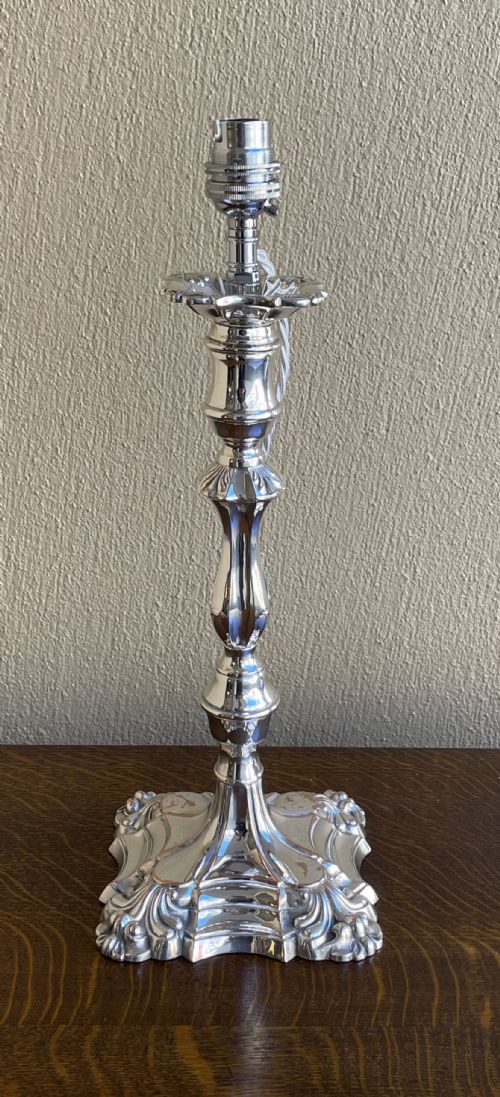
An antique silver lighting base encompasses a variety of converted oil lamps, electric table lamps, and weighted candlesticks designed to hold a flame or bulb securely. When searching for an antique silver lighting base, buyers encounter items ranging from towering floor standards to compact desk fixtures originating across the Victorian, Edwardian, and later periods.
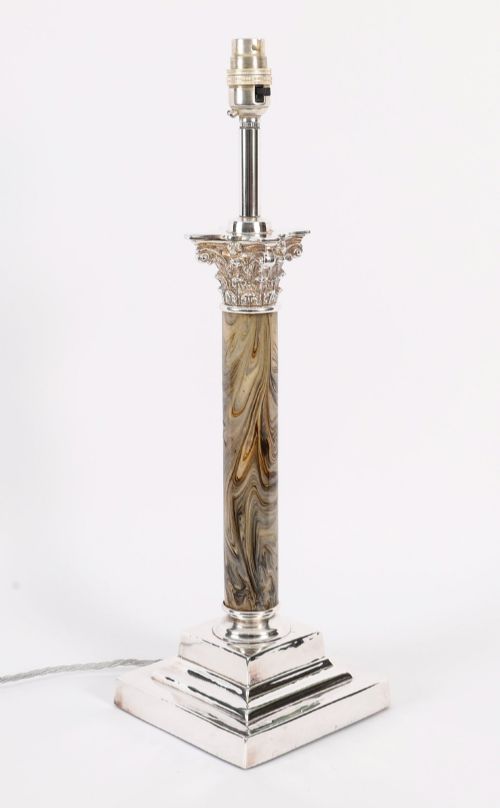
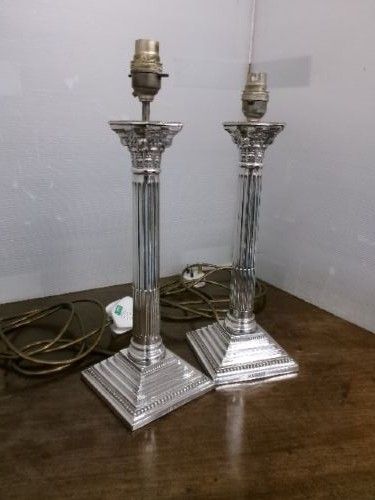
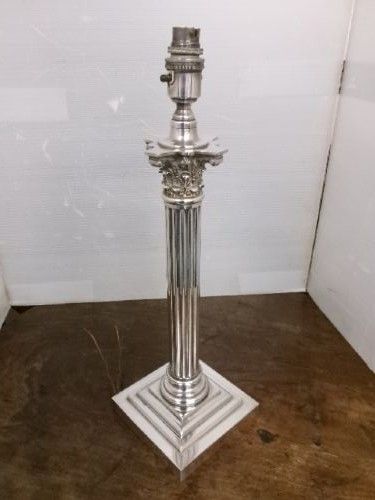
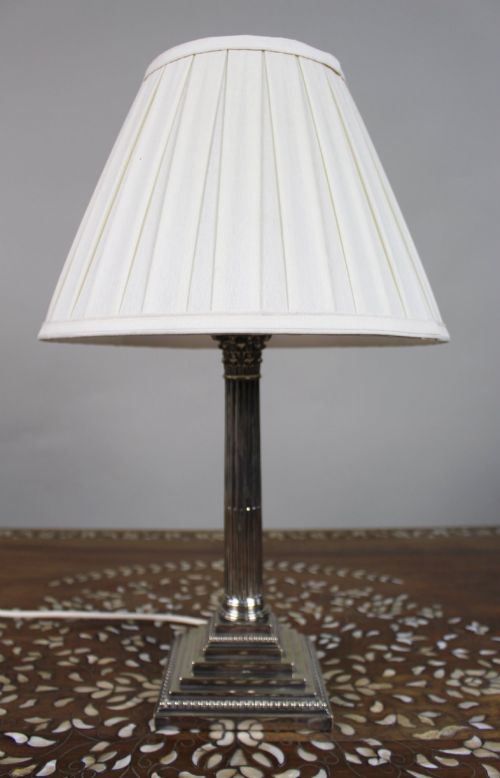
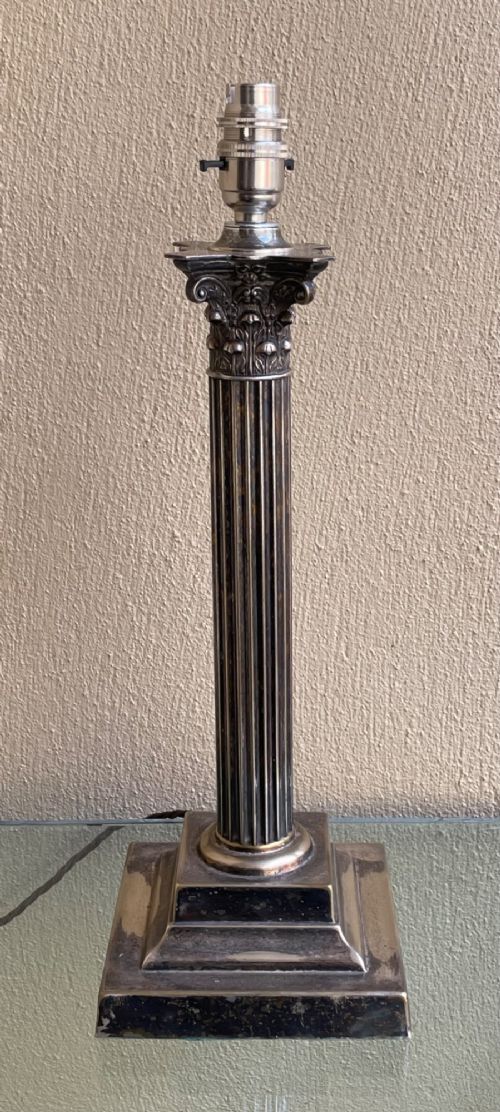
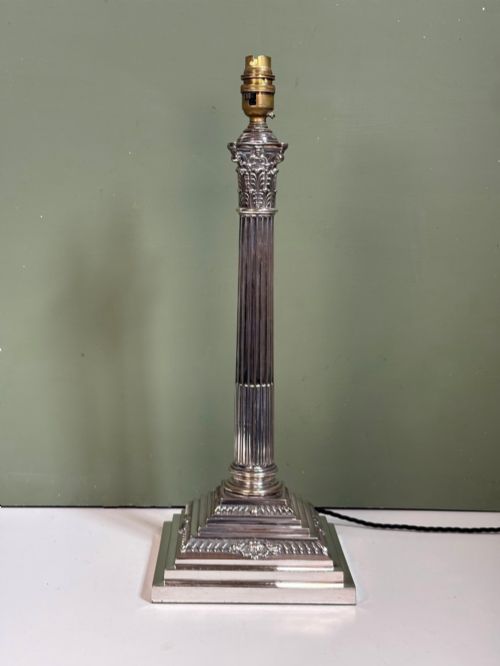
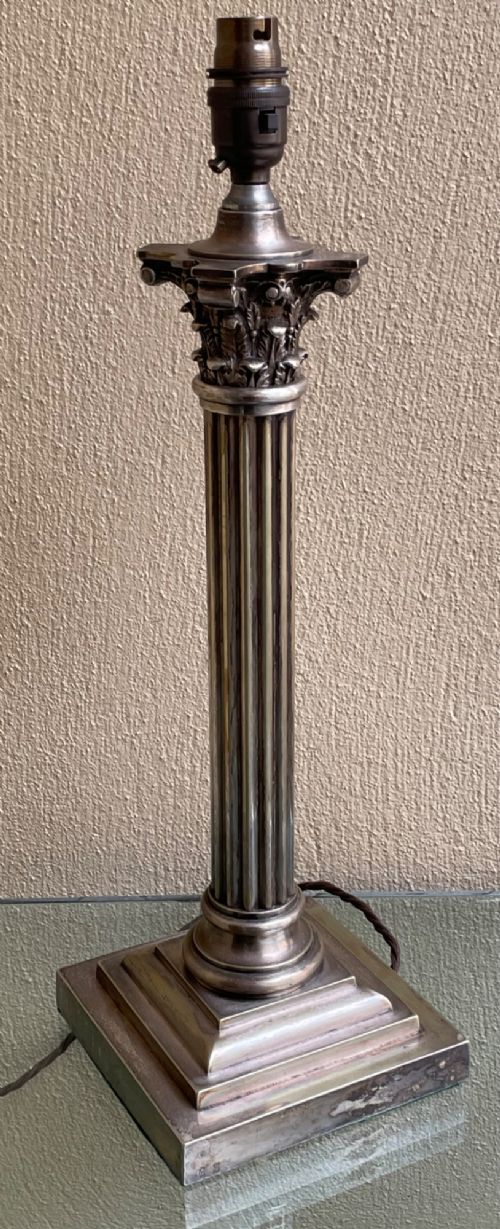
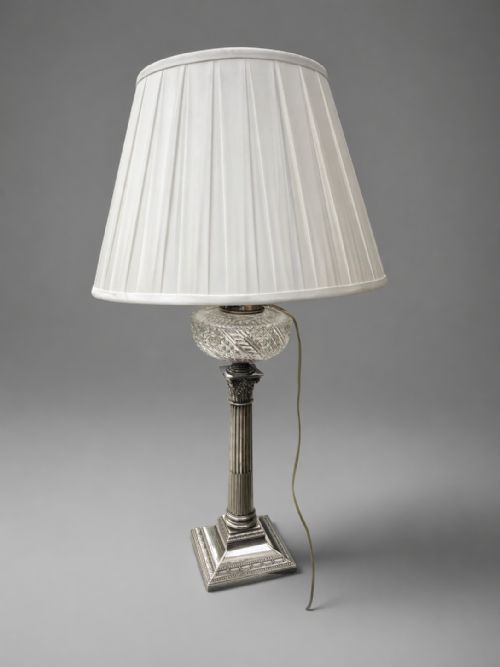
The most common examples on this page are silver plated table lamps and candlesticks, frequently cast in classical architectural forms such as the Corinthian column. These pieces rely on weighted internal cores to maintain stability, often resting upon square or stepped plinths.
Makers adapted older domestic items, transforming traditional candlesticks and oil vessels into wired lighting while retaining their original metalwork, patination, and hallmarks where applicable.
Materials and construction
Makers produced these bases using solid sterling silver or, more commonly, a layer of silver plate applied over a base metal such as copper, brass, or pewter. Sheffield plate and electroplated nickel silver provide the characteristic reflective sheen while keeping heavy structural pieces manageable in weight.
Foundry workers cast decorative elements like acanthus leaves, lion paws, and reeded shafts in sections before soldering and finishing them by hand. Many columns and urn-shaped bodies conceal internal wiring channels and weighted bases filled with pitch or plaster for stability.
Several Victorian lighting bases incorporate taxidermy deer hooves, transforming rustic hunting trophies into domestic illumination.
Assessing quality and finish
Quality rests in the crispness of the cast ornamentation and the thickness of the underlying metalwork. Superior examples display sharply defined fluting on columns and detailed relief work on bases, whereas lesser pieces show smoothed edges and thin plating that reveals the base metal beneath.
The integrity of the original construction dictates overall desirability. Pieces retaining unpolished surfaces, legible maker stamps, and well-balanced proportions command greater interest among collectors.
Mappin & Webb·Goldsmiths and Silversmiths Company·Harrison Brothers & Howson·Walter Latham & Son·WMF
The Antique Silver Lighting Base Glossary
- Sheffield plate
- An early form of silver plating created by fusing a sheet of silver to a copper ingot before rolling them together into sheets.
- EPNS
- Electroplated nickel silver, a durable base metal core coated with a layer of pure silver through an electrolytic process.
- Corinthian column
- A classical architectural column design featuring ornate capitals decorated with acanthus leaves, frequently utilised for tall table lamps.
- Parcel gilt
- A technique where specific decorative portions of an object receive a thin coating of gold while the main surface remains silver.
- Peg oil lamp
- A small oil reservoir fitted with a burner designed to drop securely into the socket of a matching candlestick.
Antique Silver Lighting Base: Frequently Asked Questions
How do I clean an antique silver lighting base?
Use a soft cloth and a gentle, non-abrasive silver cleaner specifically formulated for plated or solid silver items. Avoid rubbing vigorously around soldered joints or engraved areas to preserve the underlying metal.
Keep cleaning agents away from fabric cords and electrical components. Regular dusting with a dry microfiber cloth minimises the need for frequent chemical cleaning.
Were these always electric lamps?
Most older examples started life as oil lamps, gas fixtures, or weighted candlesticks before being adapted for modern electricity. Conversion work typically occurred during the twentieth century to suit domestic lighting needs.
Original burners and oil reservoirs were often removed or modified to house lamp holders and wiring. Collectors often value pieces that retain traces of their original burning mechanisms alongside safe, updated wiring.
How can I date a silver plated base?
Examine the style of the decoration, the weight of the piece, and any stamps or makers marks stamped into the metal. Georgian and Victorian pieces often exhibit heavier casting and hand-finished details distinct from later twentieth-century production.
Maker marks and registration numbers provide specific clues regarding the decade of manufacture. Comparing the stylistic motifs against known period designs helps narrow down the production era.
Can broken or missing parts be replaced?
Specialist restorers can source matching period components such as sconces, burners, or weighted base covers. Finding exact historical matches requires patience due to variations in nineteenth-century manufacturing standards.
Replacement parts should match the original material, whether silver plate, brass, or pewter. Professional intervention ensures structural stability remains intact.