





Classic Metal Desk Lamp
These classic metal desk lamp pieces bring utilitarian history to the workspace through durable forms shaped from brass, bronze, and patinated metal.
Classic Metal Desk Lamp
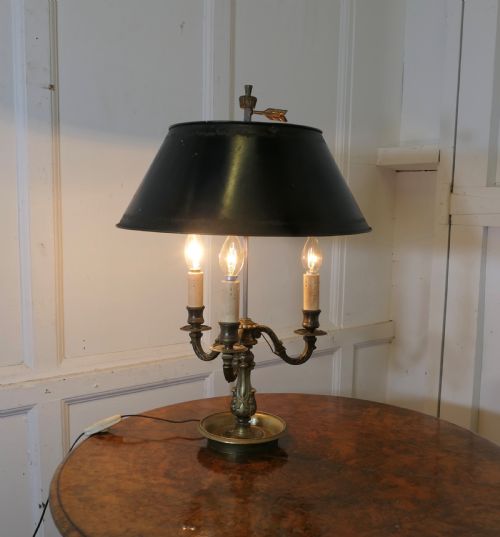
A classic metal desk lamp combines sturdy metal construction with functional illumination, taking forms ranging from triple bouillotte desk lamps to adjustable table lamps. Buyers seeking a classic metal desk lamp encounter pieces spanning the nineteenth century up through the nineteen-twenties, incorporating styles from traditional to French Rococo and Edwardian.
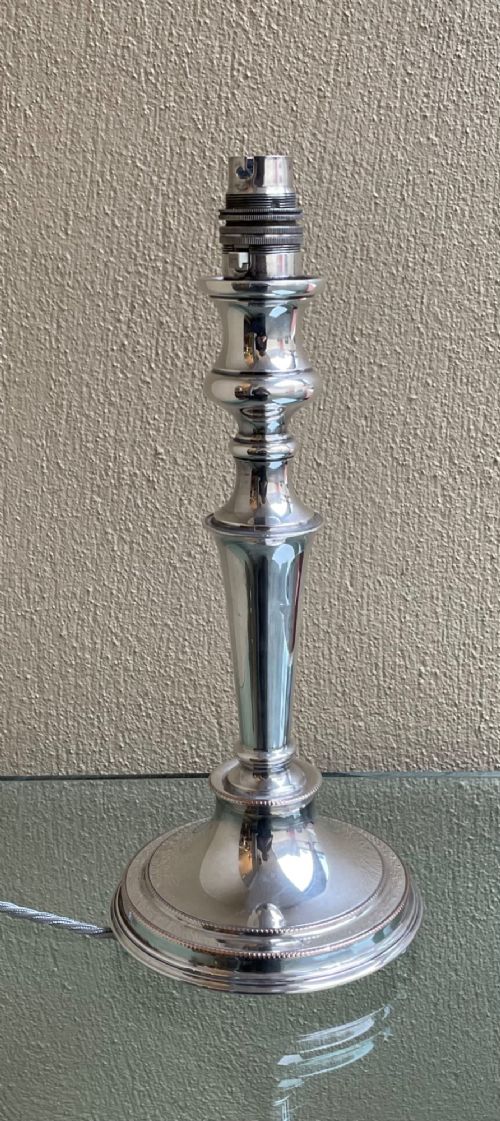
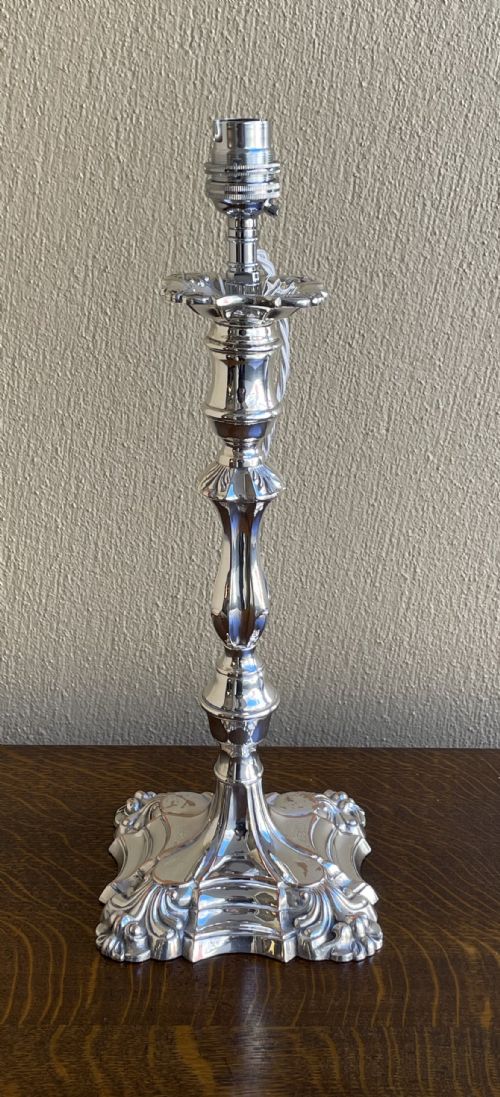
The selection on this page emphasises items fashioned from brass, silver plate, gilt metal, and painted toleware. Many pieces reflect European origins, particularly French workshops, alongside George V and Edwardian British examples.
Materials and construction
Construction relies heavily on durable metals such as solid brass, bronze, and patinated metal, which provide both structural integrity and a solid base for the fitting. Silver plating and gilt metal finishes add decorative sheen to surfaces, while painted toleware introduces colourful contrast to metal bodies.
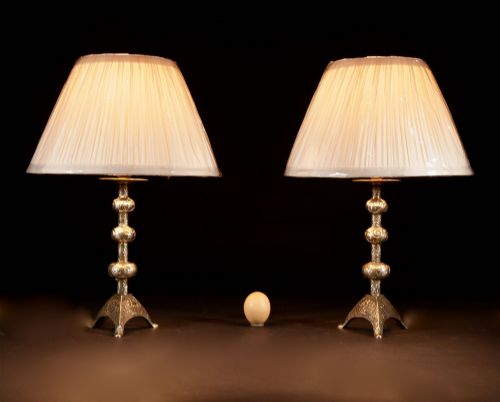
Many examples incorporate mixed media, pairing brass stems and accents with fabric shades or toleware reflectors. Converted candelabra also appear, adapting older lighting hardware into functional electric lamps.
Classic Metal Desk Lamp Retail Price Guide 2026
Typical asking prices for classic metal desk lamp among the pieces listed under this phrase on Sellingantiques today, from the lower quarter to the upper quarter. They describe what is for sale here now, not the wider market.
The listings here feature items dated across the nineteenth century, Edwardian era, nineteen-eighties, nineteen-hundreds, and nineteen-twenty.
Assessing quality
Quality rests in the weight of the metal and the precision of surface finishing, distinguishing solid brass and bronze castings from lighter plated alternatives. Finer examples display crisp detail in chased or painted elements, such as the ornamentation on French gilt metal and toleware bodies.
The integrity of the conversion work on adapted candelabra and the preservation of original patination also dictate the standing of a piece within the range. Superior items maintain cohesive styling across every component, from the heavy circular base up to the lamp fittings.
The Classic Metal Desk Lamp Glossary
- Toleware
- Painted or lacquered sheet metal items often utilised for lamp bodies and shades. This technique provides durable coloured surfaces frequently seen in French lighting designs.
- Bouillotte lamp
- A traditional adjustable desk lamp featuring multiple candles or bulbs beneath a single central shade. The design typically incorporates a metal saucer base to catch wax.
- Patinated metal
- Metal surfaces showing natural ageing, oxidation, or applied chemical treatments that alter the colour. This finish adds depth and historical character to the material.
- Gilt metal
- Base metal treated with a thin layer of gold paint, leaf, or plating to simulate solid gold. It provides decorative brilliance across various nineteenth-century styles.
Classic Metal Desk Lamp: Frequently Asked Questions
Where should I place a metal desk lamp?
These lamps suit study desks, side tables, or reading areas where focused task lighting is required. Their metal construction provides a stable footprint for daily workspace use.
Position the lamp to direct light downward onto work surfaces, allowing the metallic finish and shade to complement the surrounding room decor.
How do I identify a converted candelabra lamp?
Look for older branched candle holders that have been wired for electricity during a later period. These pieces retain the multiple arms and drip pans characteristic of classical lighting.
Such conversions blend historical manufacturing methods with modern electrical functionality, often resulting in substantial and decorative table lamps.
What maintenance do metal desk lamps need?
Dust metal surfaces regularly with a soft cloth to prevent grime accumulation on brass, bronze, or silver-plated areas. Avoid harsh chemical cleaners that might strip patination or damage plated finishes.
Preserve painted toleware by using gentle wiping techniques, ensuring the decorative colours remain vibrant without scratching the underlying sheet metal.
How do French and British styles differ?
French pieces frequently incorporate painted toleware, gilt metal, and ornate detailing characteristic of French Empire and Rococo traditions. These designs emphasise decorative flair alongside practical illumination.
British examples from the Edwardian and George V periods tend toward restrained silver plating and solid brass forms, reflecting more traditional aesthetic preferences.