


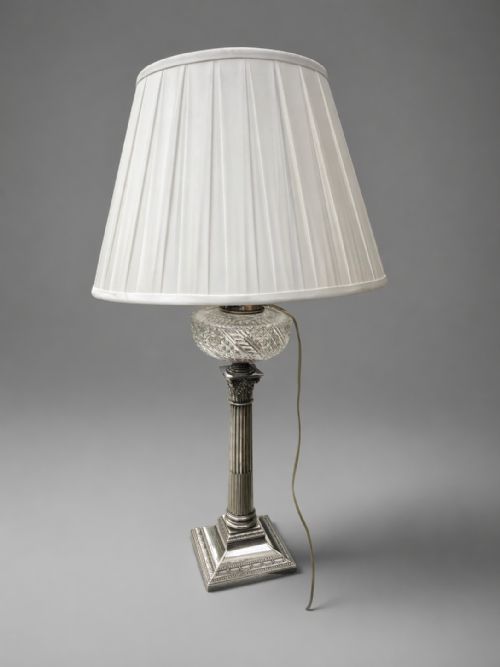


Traditional Silver Reading Light
A traditional silver reading light brings focused illumination and classic metalwork into a room, offering both practical utility and period character.
Traditional Silver Reading Light
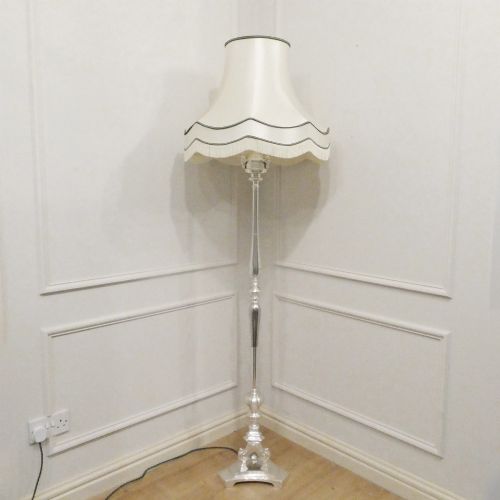
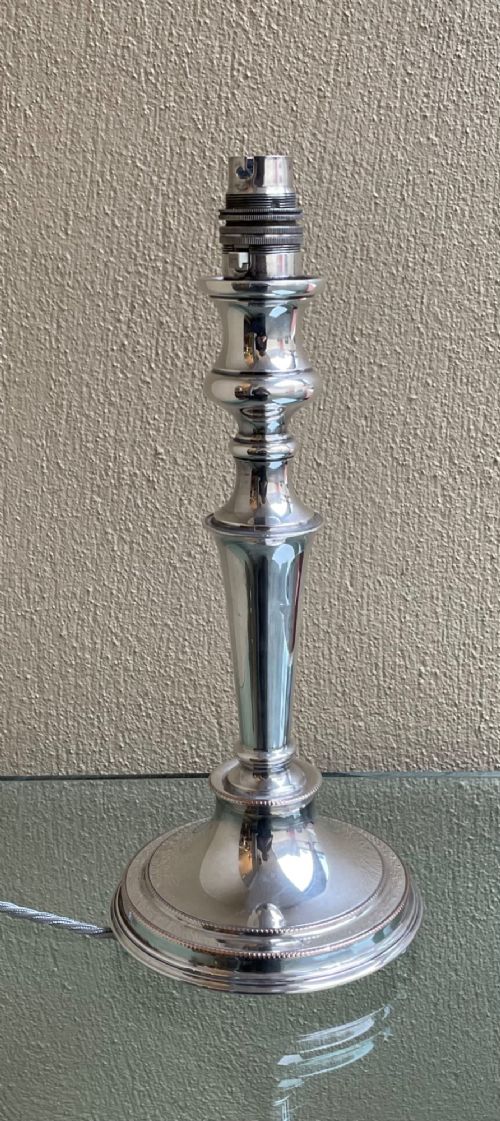
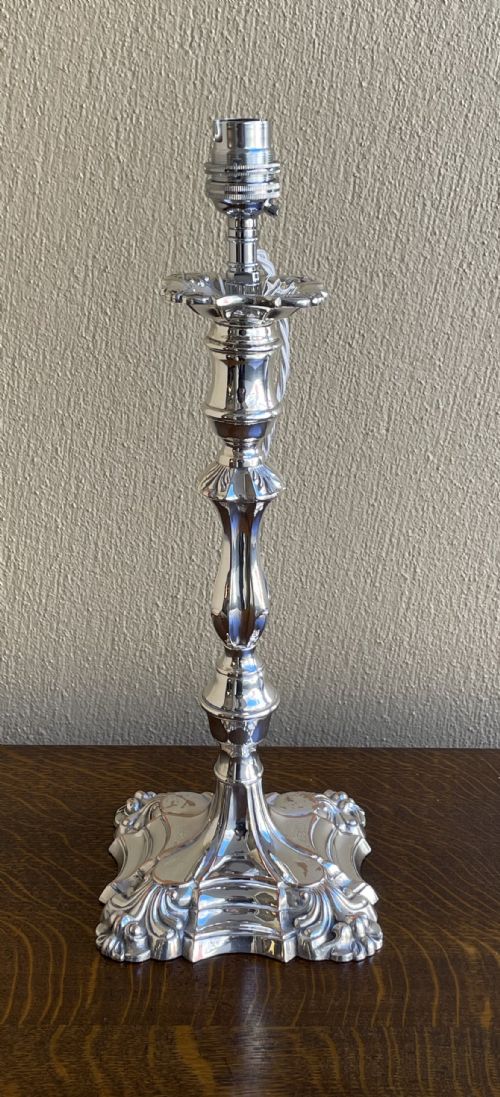
When you search for a traditional silver reading light, you are looking at table lamps and floor lamps constructed from metal and silver plate. These pieces originate from periods spanning the late nineteenth century through to the early twentieth century, including Victorian, Edwardian, and George V eras.
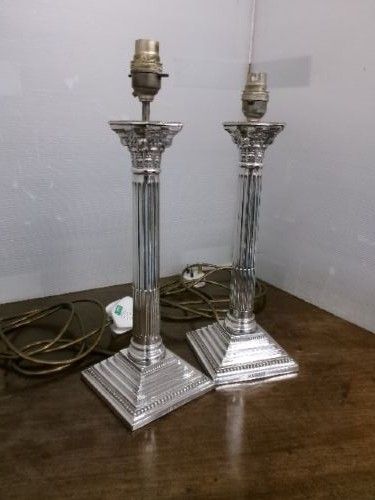
You are most likely to meet silver plated table lamps on this page, often taking the form of Corinthian column designs with round bases. These lighting objects combine metal foundations with fabric or silk shades to direct light for reading and task work.
How they were made
Makers utilised silver plate and electroplated metal over brass or base metals to achieve the appearance of solid silver at a different scale of production. Cut glass elements occasionally appear alongside metal components to refract light from the bulb.
Columns and bases incorporate Neoclassical and Georgian style motifs, such as fluted shafts and stepped plinths, cast or stamped in workshops in centres like Sheffield.
Traditional Silver Reading Light Retail Price Guide 2026
Typical asking prices for traditional silver reading light among the pieces listed under this phrase on Sellingantiques today, from the lower quarter to the upper quarter. They describe what is for sale here now, not the wider market.
Listings feature table lamps and floor lamps spanning the Victorian, Edwardian, and 1920s periods, executed in silver plate, brass, and cut glass.
What varies in quality
The standard of execution in the metalwork and plating separates standard production pieces from finer examples. Crispness in the casting of Corinthian capitals and column fluting indicates careful workshop practice.
The integrity of the silver plating over the underlying metal, alongside the stability of the weighted base, dictates the overall execution of the lamp.
The Traditional Silver Reading Light Glossary
- Silver Plate
- A thin layer of silver bonded to a base metal core such as brass or copper. This technique allowed manufacturers to produce domestic metalware with the visual qualities of solid silver.
- Corinthian Column
- An architectural order featuring an ornate capital decorated with acanthus leaves, frequently adapted for the shafts of tall table lamps.
- Electroplated Metal
- A manufactured item coated in a metallic layer through an electrical process. This method superseded older plating techniques during the nineteenth century.
- George V
- A stylistic period spanning the early twentieth century, characterised by traditional British design revivals. Pieces from this era often echo earlier Georgian forms.
Traditional Silver Reading Light: Frequently Asked Questions
What periods do these lamps come from?
The pieces originate from the Victorian, Edwardian, and George V eras, spanning the late nineteenth century into the 1920s.
Design influences draw heavily on Neoclassical and traditional Georgian styles adapted for domestic lighting.
What materials are used in their construction?
Construction relies primarily on silver plate and electroplated metal over base metals, sometimes incorporating cut glass.
Shades are typically fashioned from fabric or silk to complete the fitting for domestic use.
Are these lamps suitable for reading?
Table lamps and floor lamps provide directional illumination suited for task work and reading areas.
Their height and sturdy round bases allow them to sit securely beside seating or tables.
How do I identify a column lamp?
Column lamps feature vertical shafts modelled on classical architectural orders, most notably the Corinthian style with detailed capitals.
These shafts rise from weighted circular bases to support the lamp holder and shade.