


Silvered Classical Column Lamp
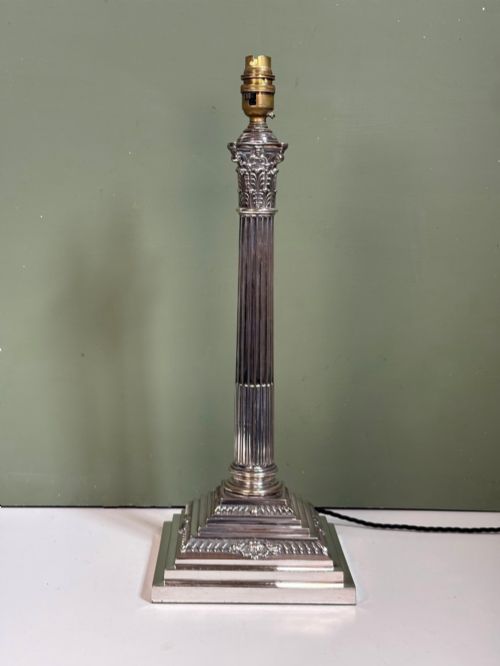
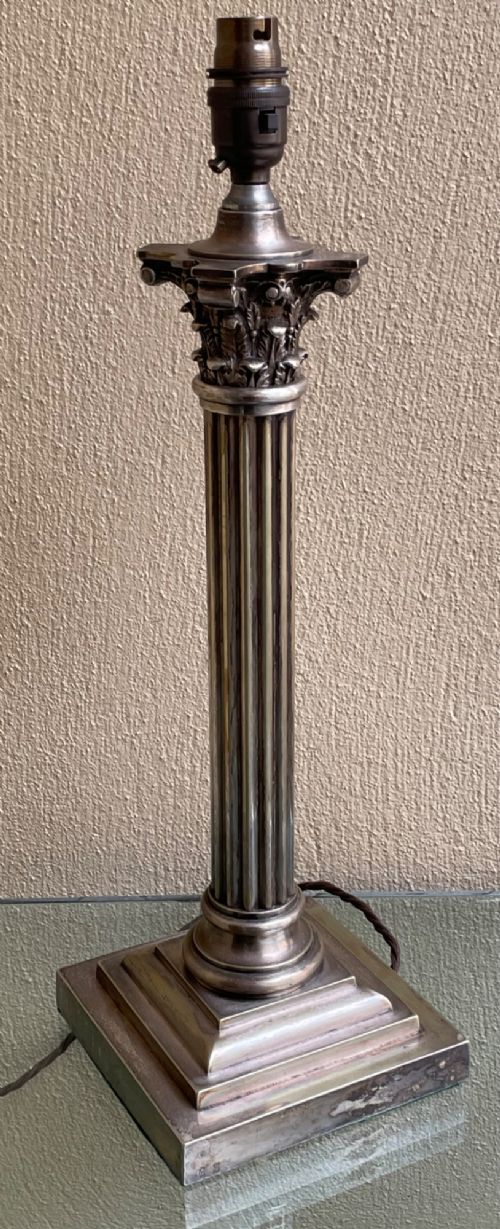
A silvered classical column lamp brings architectural dignity and metallic lustre to an interior, built on columnar forms modelled from ancient orders.
Silvered Classical Column Lamp
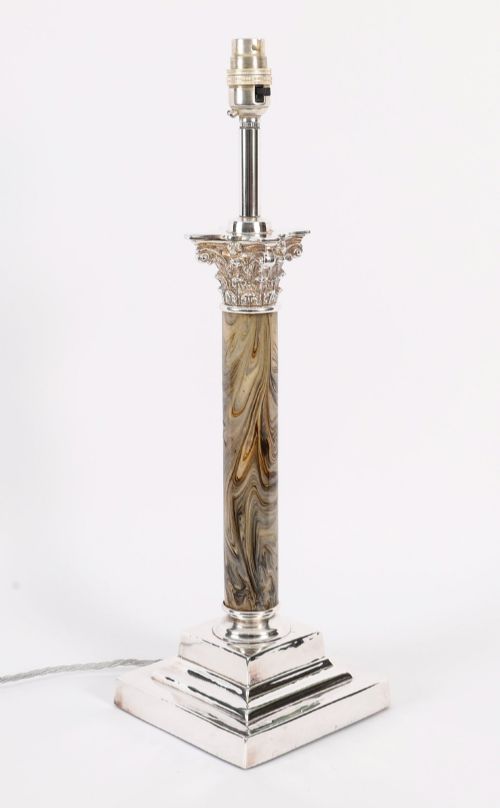
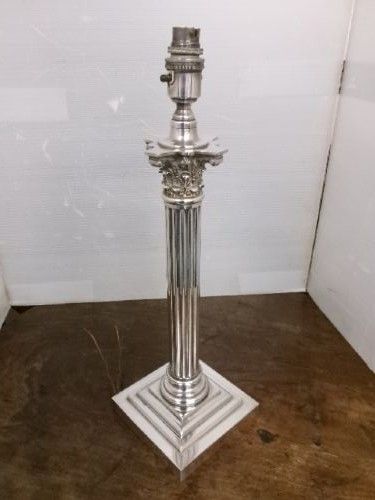
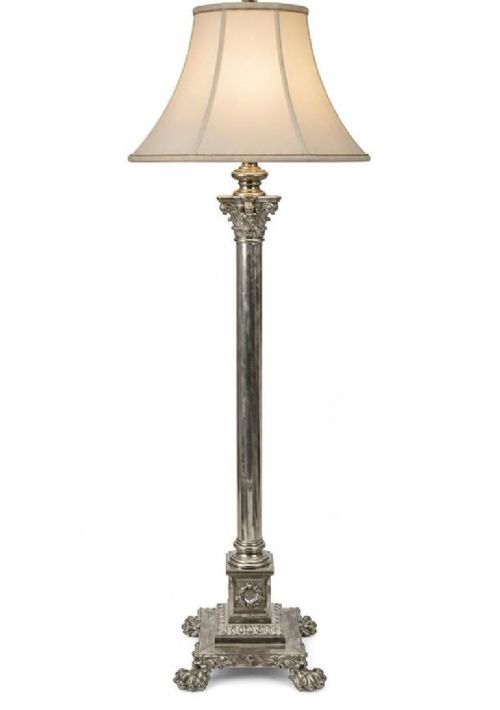
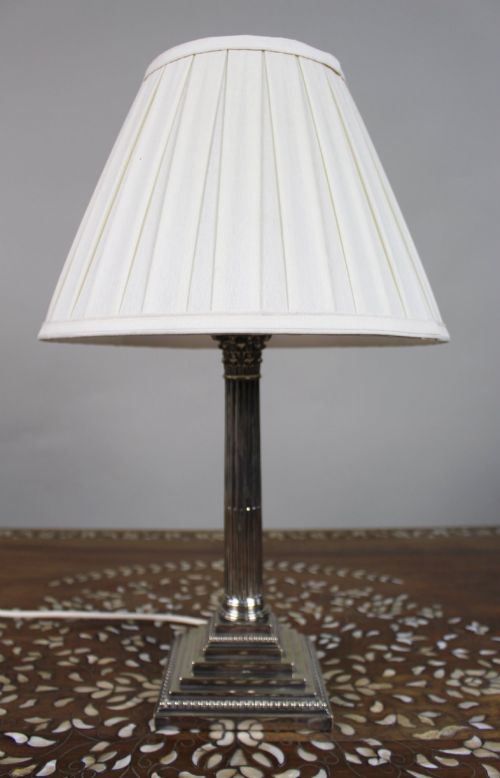
A silvered classical column lamp adopts the proportions and capitals of ancient architecture, turning structural stonework into a domestic lighting fixture. Most examples appearing under the silvered classical column lamp heading take the form of table lamps, standard lamps, and converted oil lamps.
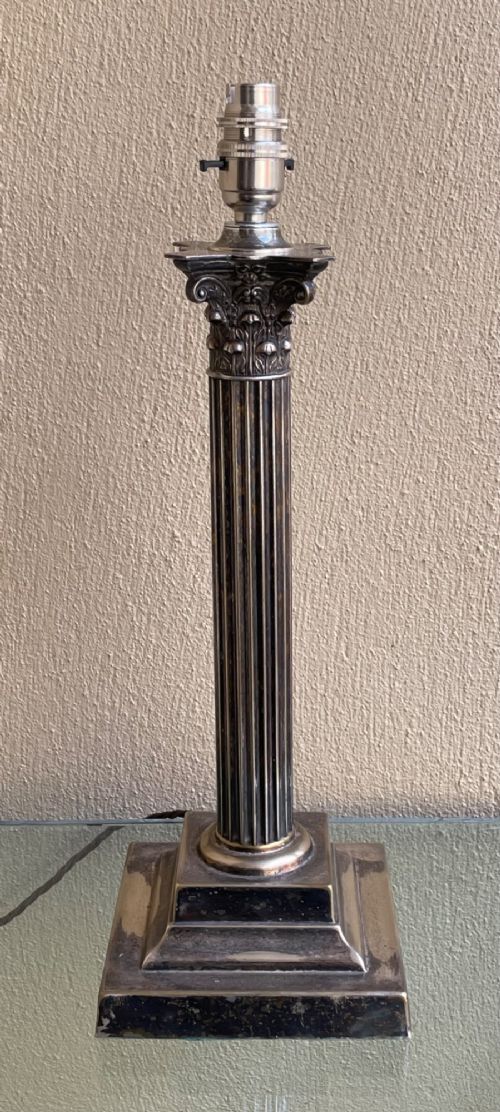
The dominant subtype seen in these listings is the Corinthian column, characterised by ornate acanthus leaf capitals and fluted shafts. Pieces emerge primarily from the Victorian and Edwardian eras, stretching from the mid-nineteenth century into the twentieth century, alongside specific revival periods.
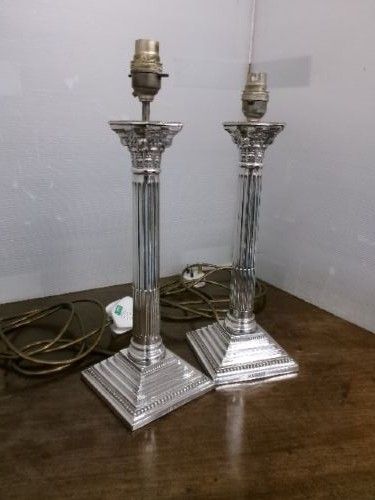
Makers and manufacturers ranging from larger firms to individual silversmiths produced these designs in silver plate, electroplate, and sterling silver. Collectors encounter single lamps, paired sets for sideboards or mantels, and larger pedestal or floor-standing variants.
How they were made
Makers constructed these lamps using base metals such as brass or heavier alloys coated in silver plate or electroplate, alongside occasional solid sterling silver iterations. Capitals, stepped square bases, and fluted columns were cast separately before being assembled and soldered or weighted to ensure stability.
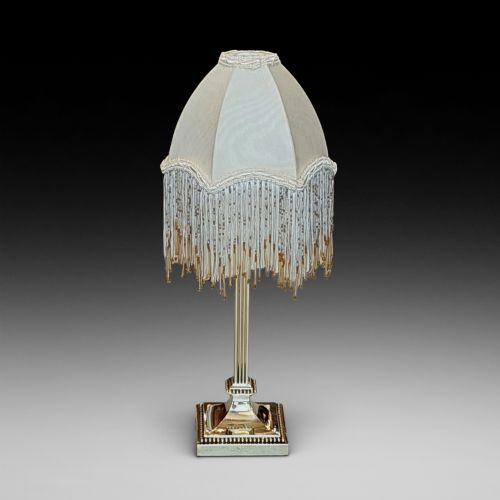
Surface decoration frequently incorporated chased or embossed details upon the acanthus leaves and plinths, while combined constructions integrated cut glass bodies, glass beads, or fabric and silk elements for shades. Early lighting mechanisms included oil reservoirs which were later adapted for electrical wiring.
Materials recorded across the inventory include silver plate, sterling silver, brass, cut glass, silk, and glass beads.
What varies in quality
Quality rests upon the crispness of the casting in the capital's acanthus foliage and the depth of the fluting along the column shaft. Sharp, well-defined architectural detailing separates superior examples from softer, worn pieces.
WMF·Goldsmiths and Silversmiths Company·Harrison Brothers and Howson·Walter Latham and Son
The Silvered Classical Column Lamp Glossary
- Corinthian column
- An architectural order featuring an ornate capital decorated with rows of acanthus leaves. This form defines the majority of classical column lamps.
- Electroplate
- A method of depositing a layer of silver onto a base metal using electrical current. This technique became widespread for producing domestic metalware during the nineteenth century.
- Standard lamp
- A tall floor-standing lighting fixture designed to illuminate a room from a vertical shaft. These share the same architectural column motifs as smaller table versions.
- Torchere
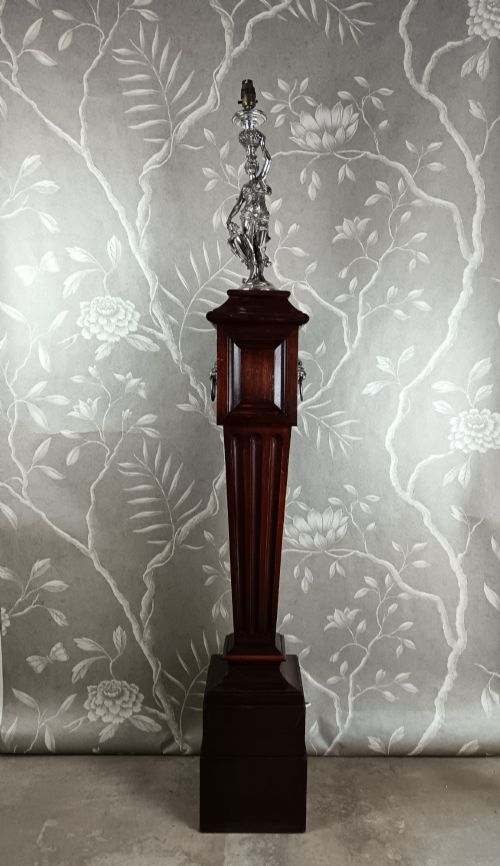
- A tall ornamental stand or pedestal originally intended to hold a torch or candle. In later periods, these forms were adapted into substantial floor lamps.
- Pricket candlestick
- A candlestick featuring a sharp central spike designed to hold a candle in place rather than a socket. Converted variants appear among early lighting pieces.
Silvered Classical Column Lamp: Frequently Asked Questions
Are these lamps converted from old oil lamps?
Many examples began life as burning oil lamps or candlesticks before being professionally converted for modern electrical use. This adaptation allows period metalwork to function safely in contemporary interiors.
Collectors appreciate the retention of original burners, reservoirs, and switches where possible, as these industrial details trace the functional history of the object.
How do I date a silvered column lamp?
Dating relies on a combination of construction techniques, base weights, switch mechanisms, and any stamped maker marks or hallmarks. Victorian pieces often display heavier casting and different plating methods compared to later Edwardian or twentieth-century variants.
Stylistic shifts within Neoclassical revivals also help narrow the decade of production, from mid-nineteenth-century proportions to lighter Edwardian interpretations.
Do these lamps come in pairs?
While many pieces survive as single table lamps, matched pairs frequently appear from dining room and sideboard contexts. Pairs are particularly sought after for symmetrical placement on sideboards, mantelpieces, or large desks.
Matching pairs share identical capital designs, height dimensions, and base configurations, though minor variations in plating wear can occur over time.
How should I clean a silver plated lamp?
Careful dusting with a soft dry cloth preserves the existing metal finish without wearing through thin silver plating. Avoid harsh abrasive dips or aggressive metal polishes that strip historical patina.
Where glass components or fabric shades are integrated, clean those materials separately according to their specific fabric requirements to protect the entire assembly.