



Silver Electroplate Lamp Base
A silver electroplate lamp base provides the warm gleam of solid metal with structural stability, bringing period character to a tabletop.
Silver Electroplate Lamp Base
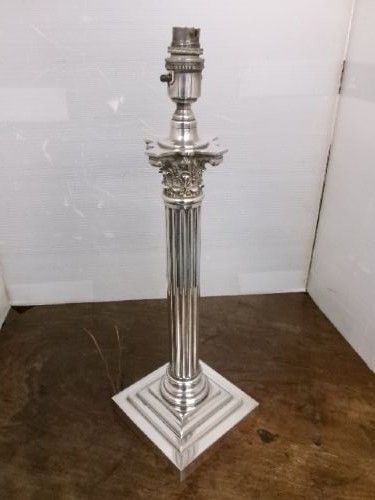
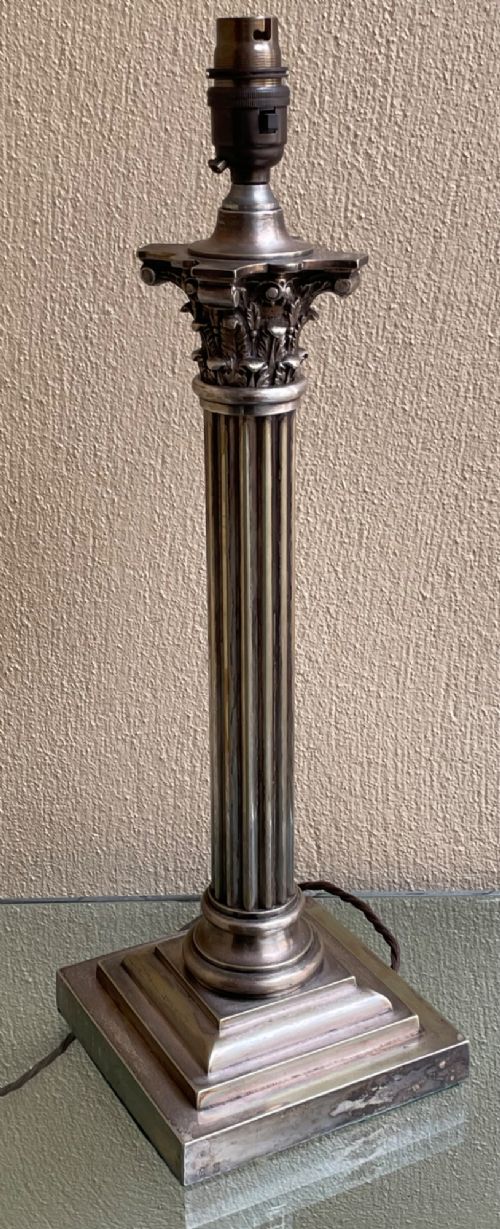
The selections on this page span the Victorian and Edwardian eras into the early twentieth century. Many examples adopt the classical proportions of the Corinthian column, standing tall on stepped or square bases.
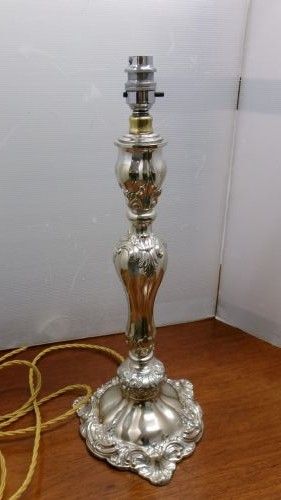
Makers utilised electroplating techniques to coat base metals with a layer of silver, creating substantial table lamps. These pieces reflect historical revival styles, particularly the Neoclassical taste for classical orders and architectural details.
How they were made
Maker workshops constructed these lamp bases using base metals such as brass or electroplated metal, applying a silver plate coating over the surface. Some examples combine electroplate metal with cut glass sections to catch the light.
Techniques relied on electroplating, a chemical process that bonded a thin layer of silver onto a durable metal core. Columns often feature fluted shafts and detailed capitals cast in sections before assembly.
Silver Electroplate Lamp Base Retail Price Guide 2026
Typical asking prices for silver electroplate lamp base among the pieces listed under this phrase on Sellingantiques today, from the lower quarter to the upper quarter. They describe what is for sale here now, not the wider market.
Neoclassical revival styles dominate the design of these nineteenth and early twentieth-century lamp bases.
What varies in quality
Quality appears in the crispness of the cast architectural details upon the capitals and the weight of the metal structure. Superior examples maintain a harmonious balance between the column shaft and the heavy supporting base.
The thickness and survival of the silver plate over the underlying metal define the visual integrity of each lamp. Maker stamps and signatures from recognised firms add distinction to the piece.
Harrison Brothers and Howson·Palmer and Co
The Silver Electroplate Lamp Base Glossary
- Electroplate
- The process of depositing a layer of silver onto a base metal using electrical current. This technique allowed Victorian manufacturers to produce domestic items with the appearance of solid silver.
- Corinthian column
- An architectural order featuring an ornate capital decorated with acanthus leaves. Lamp bases modelled on this form imitate classical stone pillars.
- EPNS
- Electroplated Nickel Silver, a common alloy base used beneath silver plating. It provides strength and stability to tall table lamps.
- Capital
- The uppermost member of a column, situated between the shaft and the lamp fitting. In these lamps, capitals follow classical Greek and Roman designs.
Silver Electroplate Lamp Base: Frequently Asked Questions
What periods do these lamp bases come from?
The pieces span the Victorian and Edwardian eras, with dates reaching from the mid-nineteenth century into the early twentieth century. Surviving examples reflect the popularity of classical revival designs during these periods.
Craftsmen produced these table lamps across several decades, resulting in varied interpretations of architectural column forms.
What materials make up these lamp bases?
Makers used silver plate, EPNS, brass, and electroplated metal as the primary structural materials. Certain designs incorporate cut glass alongside silver-plated components.
The combination of metal plating over base metals provided both the necessary weight for stability and the appearance of solid silver.
How were Corinthian columns used in lamps?
Makers adapted classical stone architecture into domestic lighting by casting metal shafts as fluted columns with detailed capitals. These columns elevated the light source above the tabletop.
The Neoclassical revival style made architectural motifs popular for interior furnishings during the nineteenth century.
How do I identify a maker on a lamp base?
Makers sometimes stamped their company names, initials, or marks directly into the metal near the base or rim. Examining the lower sections of the metal often reveals these historical stamps.
Researching these recorded marks helps connect individual lamps to specific nineteenth-century manufacturing firms.