
Victorian Column Candle Stands
Victorian column candle stands are elevated supports designed to hold lights, bringing height and proportion to nineteenth-century interiors.
Victorian Column Candle Stands
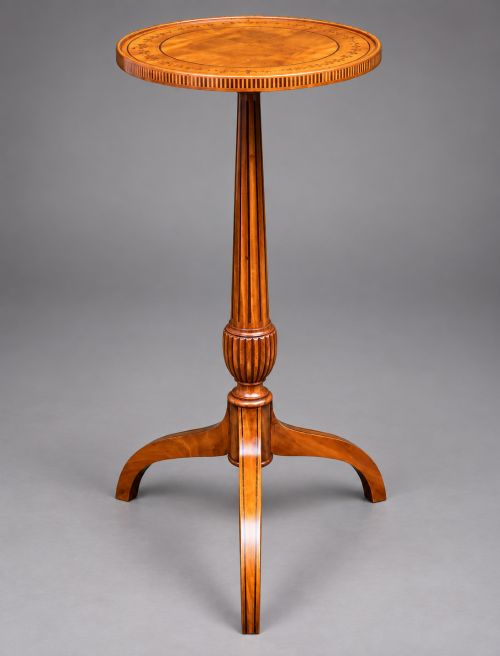
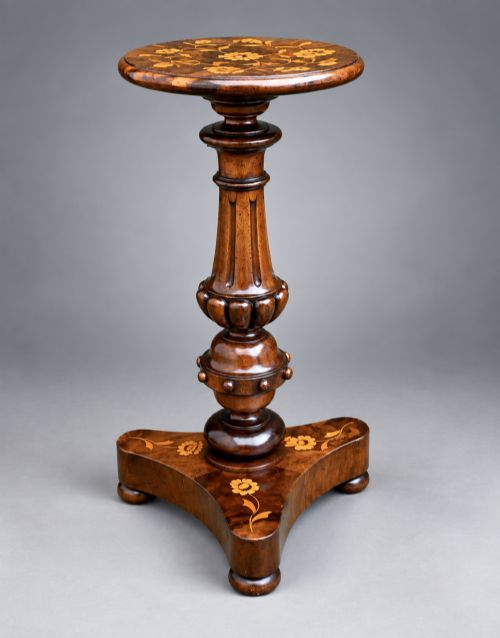
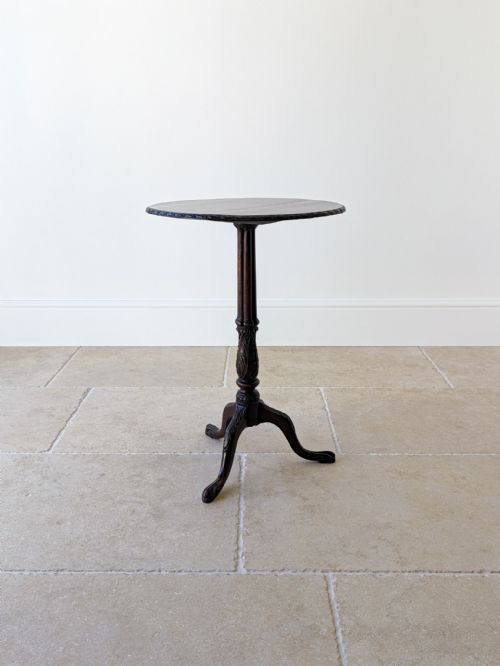
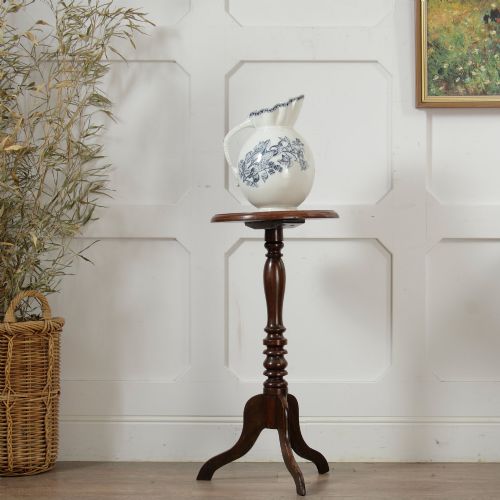
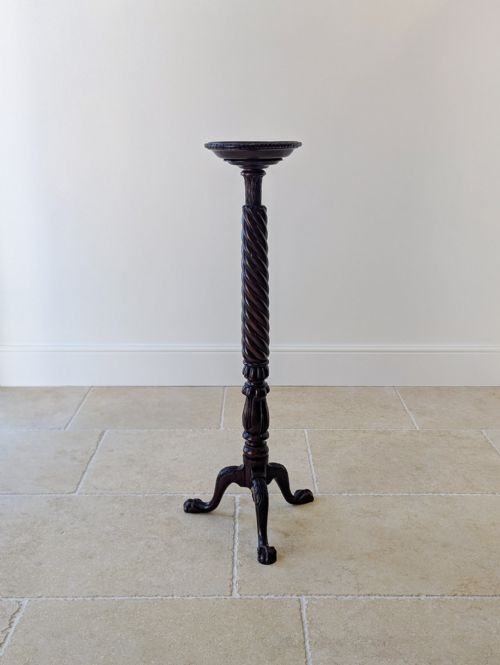
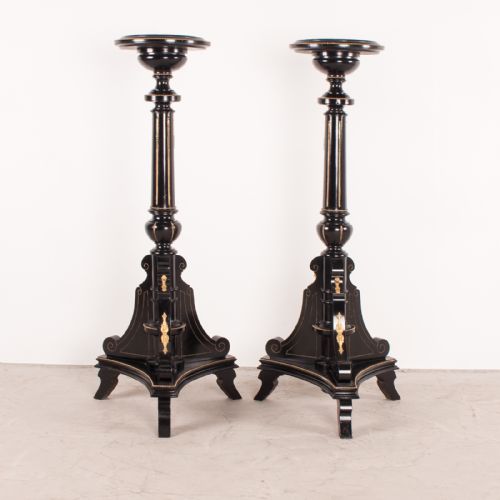
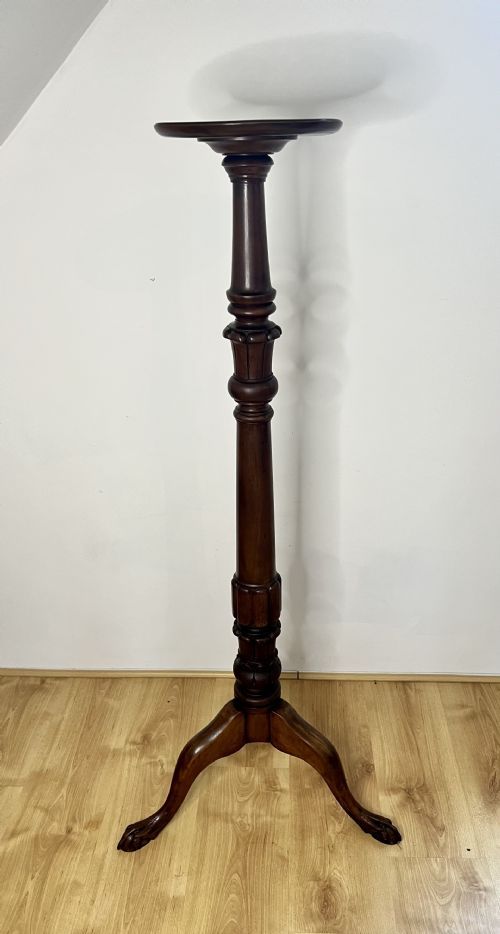
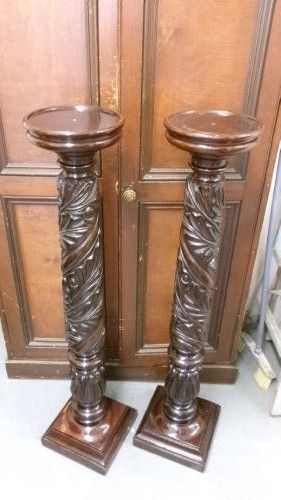
Victorian column candle stands encompass tall torchères, plant pedestals, and related column-form supports alongside actual candlesticks from the nineteenth century.
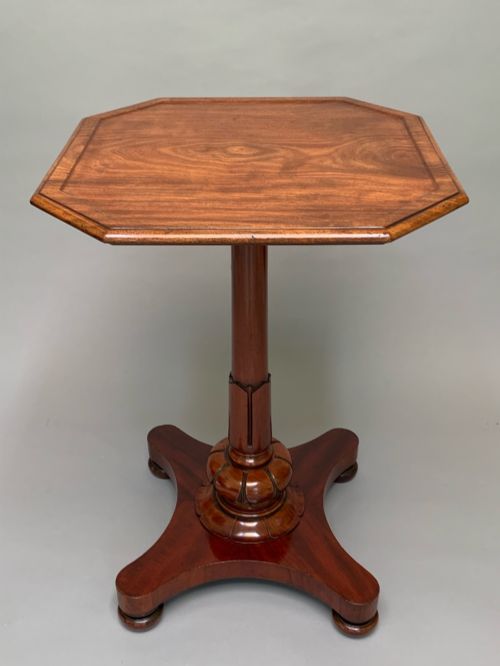
Buyers seeking this phrase frequently encounter tall mahogany, oak, or ebonised wood torcheres designed to elevate light sources or display decorative objects.
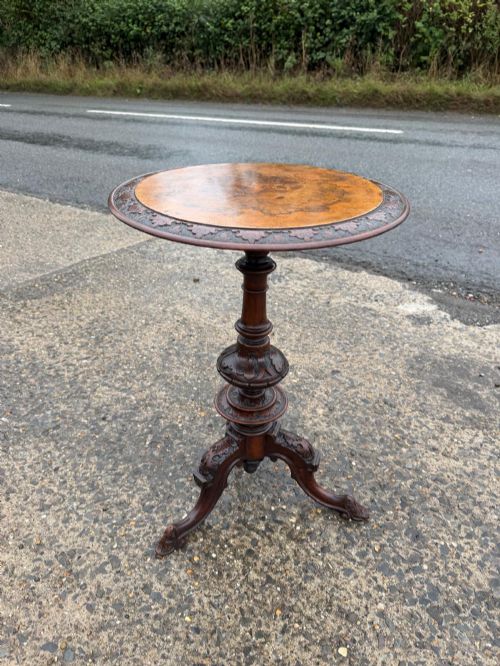
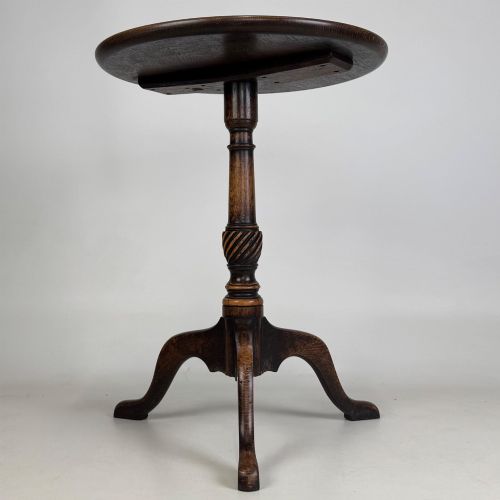
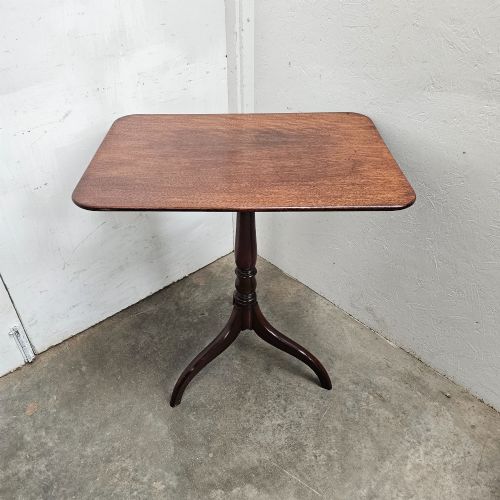
The selection ranges from tripod lamp tables to Corinthian column brass candlesticks spanning the Victorian era and adjacent periods like the Edwardian years.
How they were made
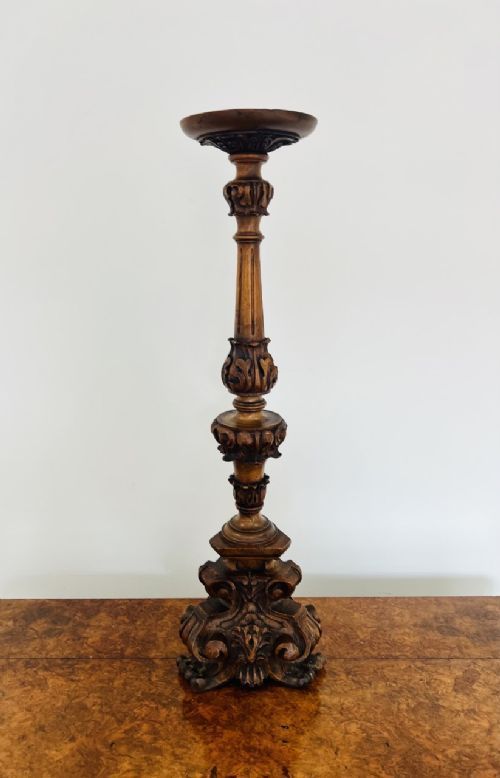
Cabinet makers utilised dense hardwoods such as mahogany and oak, frequently turning, carving, or ebonising timber to achieve slender column profiles and tripod bases.
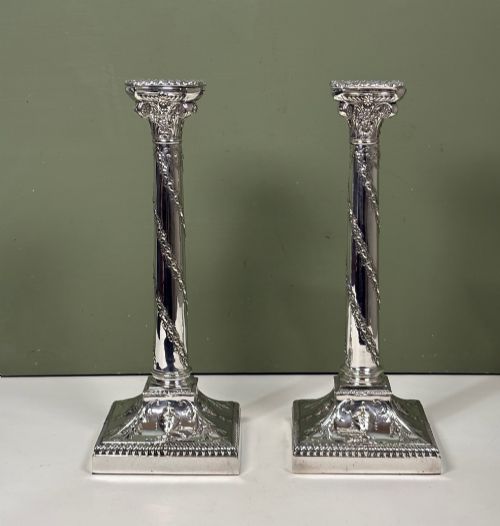
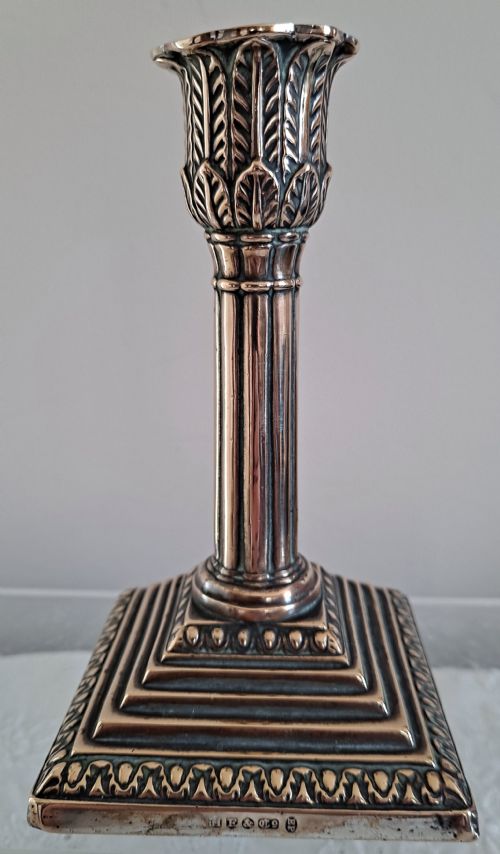
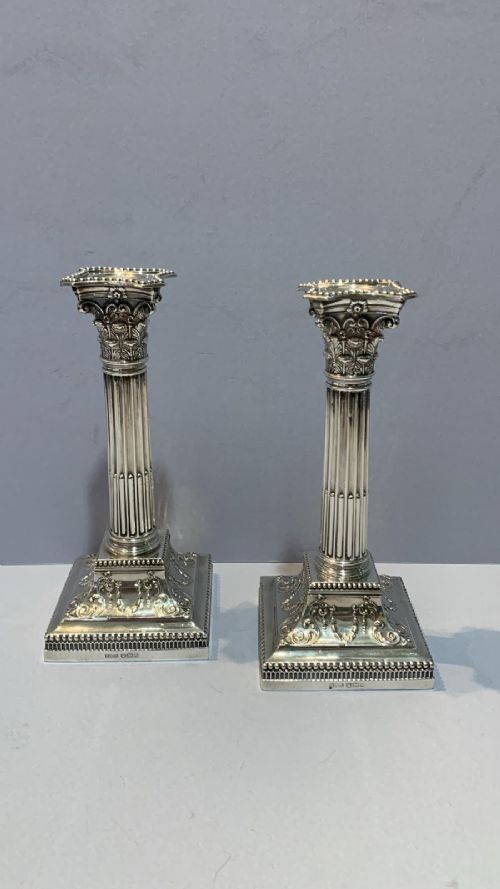
Metal versions combined cast brass and silver plate, employing classical column orders like the Corinthian style to structure the shaft and support the candle holder.
Masonic brass candlesticks appear among the columns, carrying secretive symbolism into the domestic candlelit interior.
What varies in quality
The standard of carving across the capitals and tripod legs determines the refinement of wooden torchères and stands, separating plain utility pieces from decorative examples.
Metal columns show differentiation in the crispness of the cast brass details and the weight of the silver plating or sterling silver applied to the core structure.
The Victorian Column Candle Stands Glossary
- Torchère
- A tall, slender stand designed to hold a candle or lamp. These elevated pieces often feature carved wooden columns and tripod bases.
- Tripod
- A three-legged base commonly found supporting nineteenth-century candle stands and occasional tables. This configuration provides stability on uneven floors.
- Ebonised
- Wood treated with a dark stain or finish to imitate ebony. This technique gained popularity for decorative stands and furniture.
- Corinthian
- A classical architectural order featuring ornate capitals decorated with acanthus leaves. This motif appears on both wooden columns and brass candlesticks.
Victorian Column Candle Stands: Frequently Asked Questions
What is a torchère stand used for?
These tall supports were originally built to hold candles or lamps, elevating the light source to illuminate dark corners of Victorian rooms.
Today, they function well as display pedestals for plants, urns, or sculptures without occupying excessive floor space.
How do I identify a Victorian piece?
Examination of the timber, construction joints, and decorative motifs helps determine the period of manufacture. Nineteenth-century examples often display hand-turned mahogany shafts and traditional joinery.
Stylistic cues such as Neoclassical columns or Chippendale revival details further point toward the Victorian era.
Where should I place a candle stand?
These stands suit corners, empty wall spaces, or beside seating where height variation adds visual interest to a room. Their slender profiles allow them to fit into narrower areas than standard side tables.
Stability is the main consideration, so placement away from heavy foot traffic protects the piece and any items displayed upon it.
What materials are common for these stands?
Mahogany, oak, and walnut represent the primary timbers utilised by makers of nineteenth-century wooden supports and occasional tables.
Metal examples frequently employ cast brass, sometimes with silver plating or sterling silver finishes applied to the column and base.