


Beaded Silver Candlesticks
These beaded silver candlesticks bring distinct period weight and bright metalwork to a dining table or mantelpiece.
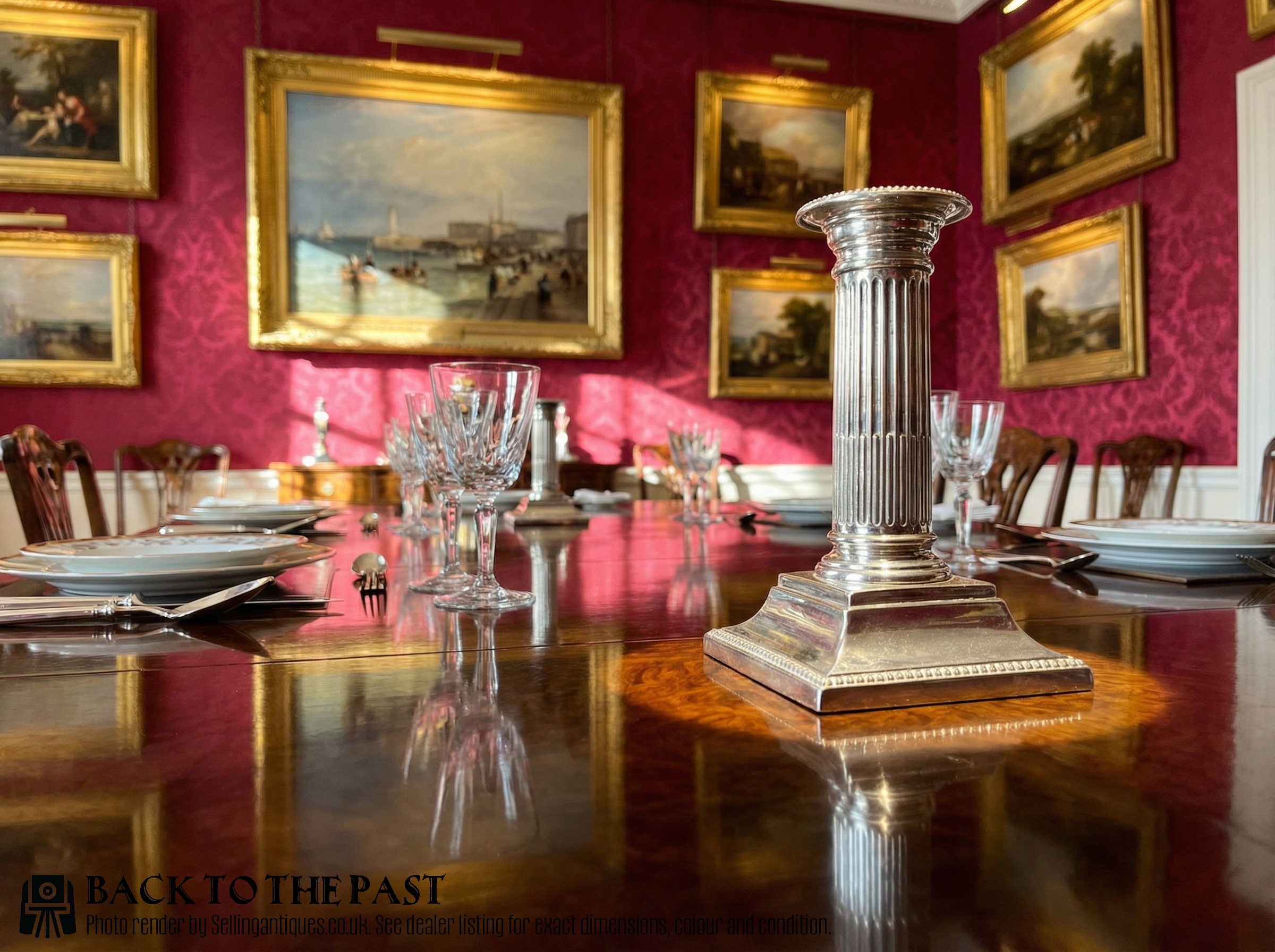
Beaded Silver Candlesticks
Beaded silver candlesticks are classic lighting fixtures defined by ornamental rows of small rounded metal droplets along the sconce, drip pan or base rim. When you search for beaded silver candlesticks, you encounter forms spanning several eras, from genuine Georgian and Victorian examples to later revival pieces.
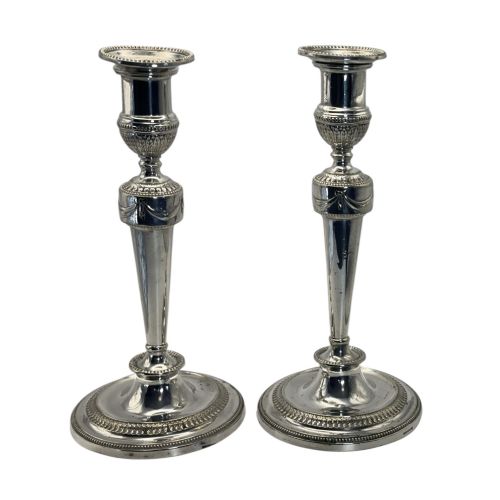
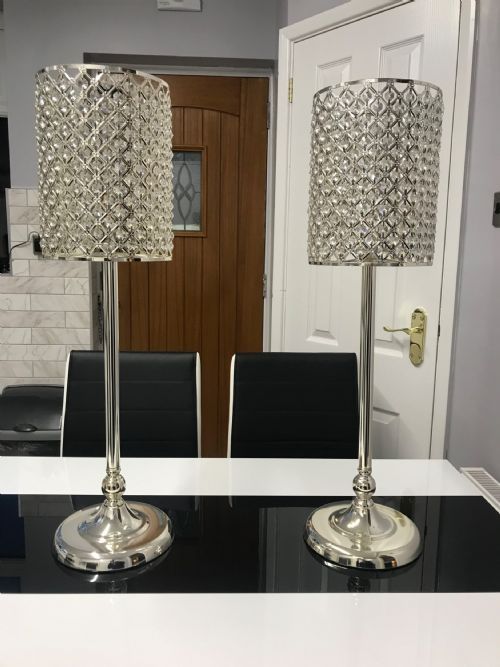
The selection on this page centres heavily on Victorian and Edwardian pairs, alongside pieces referencing earlier Neoclassical and Georgian styles. Most examples function as traditional candle stands, though related table lamps and crystal glass chandeliers occasionally appear in the grouping.
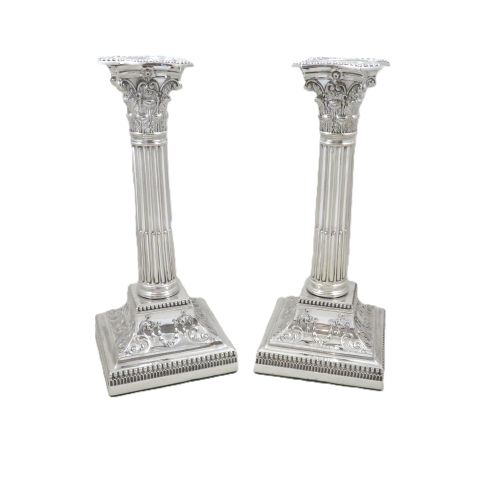
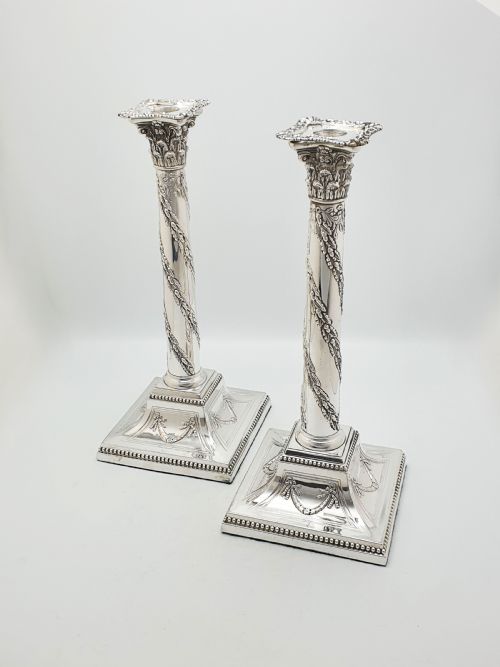
Makers utilise sterling silver, silver plate, and older Old Sheffield Plate techniques across various manufacturing origins including English workshops. Buyers encounter everything from Corinthian column silhouettes to simpler tapering shafts finished with distinct beaded borders.
Materials and construction
Silversmiths constructed these pieces using solid sterling silver, traditional silver plate, and durable Old Sheffield Plate over a base metal or copper core. Heavier pieces often incorporate weighted bases to provide stability for tall tapers.
Decorative elements such as beaded borders were applied by soldering individually formed metal beads or rolling patterned wire along the edges of the drip pans and socles. Removable sconces were frequently cast separately to catch wax and allow easier cleaning.
Beaded Silver Candlesticks Retail Price Guide 2026
Typical asking prices for beaded silver candlesticks among the pieces listed under this phrase on Sellingantiques today, from the lower quarter to the upper quarter. They describe what is for sale here now, not the wider market.
Assessing quality and craftsmanship
Quality rests in the crispness of the stamping and the precise alignment of the individual beads along the borders. Superior examples retain sharp architectural details on Corinthian capitals and columns rather than softened, worn ornament.
The integrity of the underlying plating or the purity of the sterling hallmark indicates the manufacturing standard. Pieces that retain original removable sconces and balanced proportions command greater appreciation among collectors.
Mappin & Webb·Thomas Bradbury & Sons Ltd
The Beaded Silver Candlesticks Glossary
- Sconce
- The socket at the top of a candlestick that holds the candle in place. Many period examples feature a removable upper tray for catching wax.
- Old Sheffield Plate
- A fused composite material made by heating a sheet of silver to a copper ingot. This historic technique creates a rich surface quality distinct from modern electroplating.
- Hallmark
- An official stamp applied to precious metals indicating the standard of silver, the assay office, and the maker. These marks help verify the age and origin of sterling pieces.
- Neoclassical
- A design style drawing inspiration from classical antiquity, featuring orderly columns, swags, and geometric beadwork. This aesthetic heavily influenced late eighteenth and nineteenth-century lighting.
Beaded Silver Candlesticks: Frequently Asked Questions
How do I clean tarnished silver candlesticks safely?
Use a soft microfiber cloth and a mild silver cream designed to protect delicate plated surfaces. Avoid harsh chemical dips that strip away the original finish and wear down fine details.
Take care around raised beadwork and engraved areas where polish can accumulate. Gentle, regular wiping preserves the natural lustre far better than aggressive scrubbing.
What is the difference between sterling and plated pieces?
Sterling silver consists of solid precious metal throughout, marked with official assay office stamps. Silver plate involves a thin layer of silver bonded over a base metal such as copper or nickel.
Both materials produce identical visual appeal when polished. Plated items offered an accessible luxury for households during the Victorian and Edwardian periods.
How do I spot a reproduction from an antique pair?
Examine the construction methods, wear patterns, and any stamped maker marks on the base or drip pan. Genuine older pieces exhibit natural signs of age and hand-finishing in the beadwork.
Revival pieces often replicate earlier Georgian or Neoclassical styles closely. Reviewing the specific metal type and manufacturing clues helps determine the true age.