




Victorian Coloured Glass
These pieces of victorian coloured glass range from table sets to architectural panels, offering deep hues and rich nineteenth-century craftsmanship.
Victorian Coloured Glass
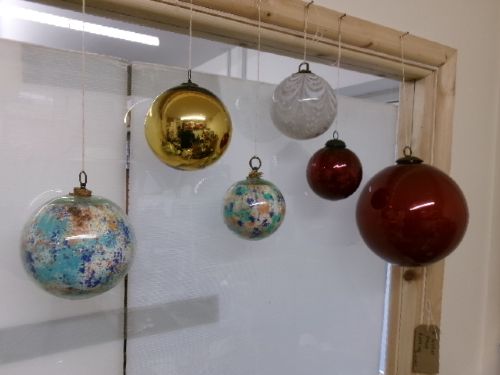
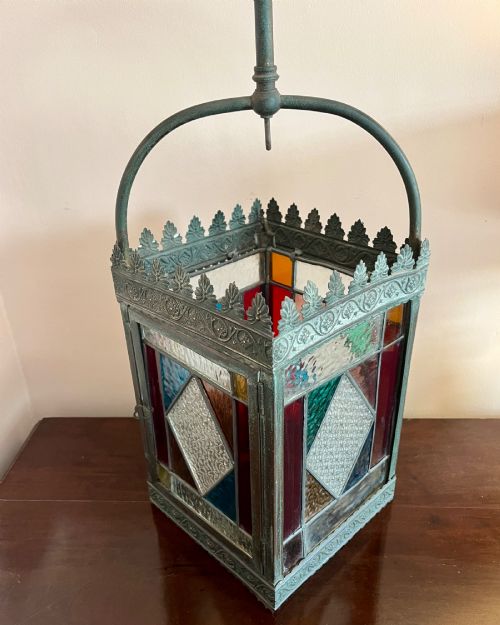
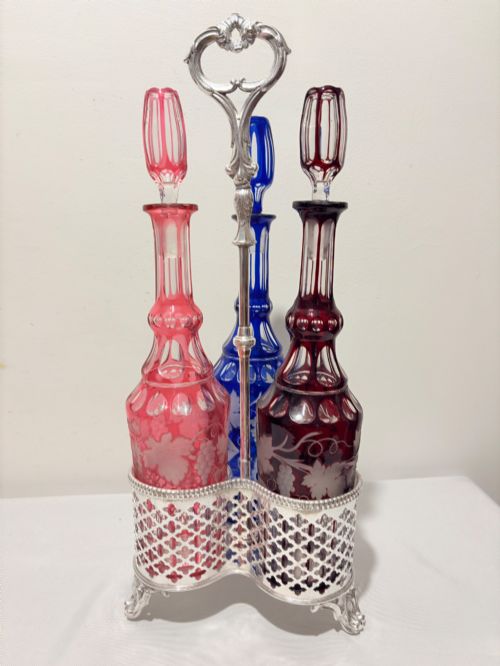
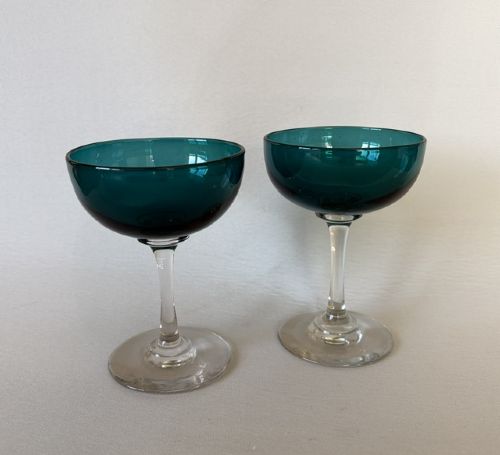
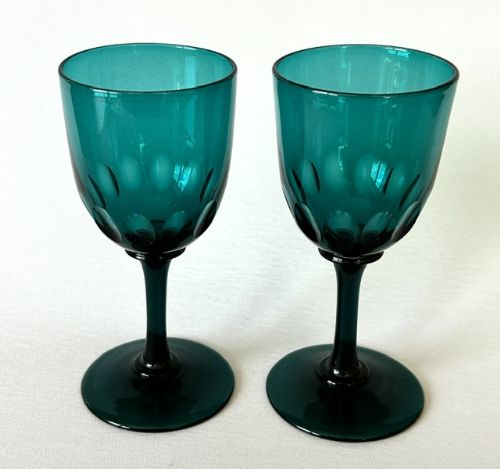
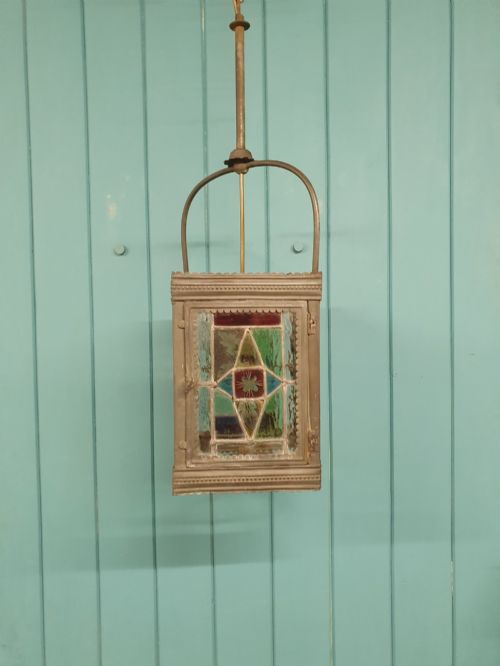
When searching for victorian coloured glass, buyers encounter a diverse selection of tableware, decorative vessels, and architectural elements originating primarily in the nineteenth century. Wine glasses, decanters, and hanging lanterns dominate the functional objects, while stained glass windows and panels represent the architectural side of this material.
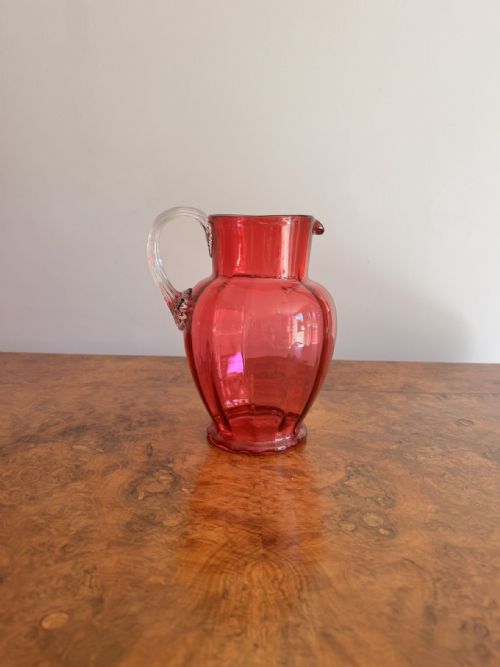
Cranberry glass and deep green or blue shades appear frequently across matching sets and individual pieces. These items serve both practical dining purposes and decorative roles in interiors, drawing on styles that span from Gothic Revival to Venetian Revival.
How They Were Made
Makers utilised free-blowing and mould-blowing techniques to shape lead glass and standard glass compounds, often adding metallic oxides to achieve vibrant cranberry, aqua green, and cobalt hues. Hand-blown stemware exhibits subtle variations in wall thickness and pontil marks on the underside.
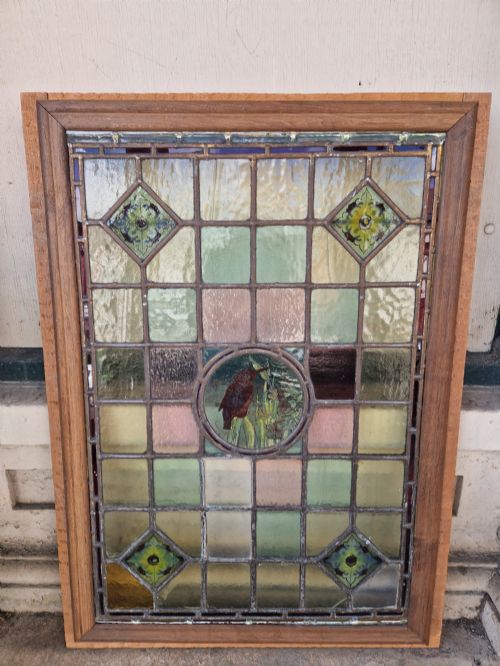
Architectural windows and panels combine hand-painted pictorial details with lead cames to hold individual coloured glass segments together. Decanters and hanging lamps integrate brass and wooden fittings to support the glass components.
Victorian Coloured Glass Retail Price Guide 2026
Typical asking prices for victorian coloured glass among the pieces listed under this phrase on Sellingantiques today, from the lower quarter to the upper quarter. They describe what is for sale here now, not the wider market.
Listings feature leaded glass windows, hanging hall lamps, and decanters alongside sets of cranberry and aqua green wine glasses from the nineteenth century.
What Varies In Quality
The standard of execution in victorian coloured glass depends on the depth and evenness of the colour saturation within the metal. Superior table services display uniform hue across every glass in a set, whereas simpler items might show pooling or lighter patches.
In architectural panels and windows, the precision of the lead work and the intricacy of hand-painted scenes dictate the tier of the piece. Crisp lines in the painting and sturdy, unbuckled lead cames separate standard utility glazing from masterwork church or hall windows.
Sir Edward Burne-Jones·Salviati
The Victorian Coloured Glass Glossary
- Cranberry glass
- A transparent red glass produced by adding gold chloride to the molten batch. It is widely seen in nineteenth-century wine glasses and decanters.
- Lead came
- The grooved lead strip used to join pieces of stained glass together in windows and panels. It provides both structural support and artistic outline.
- Pontil mark
- The rough scar left on the base of a hand-blown glass object where the pontil rod was snapped away. Its presence indicates traditional free-blown manufacturing.
- Hock decanter
- A tall bottle designed for serving white wine, often featuring colour-over-clear glass techniques where a coloured exterior layer is cut back to reveal clear glass beneath.
- Crystoleum
- A method of applying a hand-coloured print to the inside of concave glass and then oiling it to render it transparent for further painting.
Victorian Coloured Glass: Frequently Asked Questions
How do I clean antique coloured glass?
Wash pieces gently by hand using lukewarm water and mild soap, avoiding harsh abrasive brushes or harsh chemical detergents. Dry them promptly with a soft linen cloth to preserve the surface.
Take extra care with leaded windows or items with painted surfaces by keeping moisture away from painted sections and supporting lead cames securely during handling.
Were these wine glasses meant for daily use?
Many sets were produced for formal dining rather than rugged everyday service, given the delicate nature of hand-blown nineteenth-century stemware. They saw use during special dinners and evening gatherings.
Today, owners often continue to use them for special occasions or display them in cabinets to protect the thin lead glass walls from accidental impact.
How can I tell genuine nineteenth-century glass?
Look for small surface irregularities, tiny air bubbles trapped within the glass, and pontil marks on the base of blown items. These characteristics indicate manual production methods typical of the period.
Compare the shade and weight against known nineteenth-century standards, as older glass often feels lighter and displays deeper, less uniform colour tones than modern reproductions.
Where were hanging lanterns used?
Hall lanterns and porch lights hung in entranceways, corridors, and stairwells of Victorian homes to greet visitors and illuminate transitional spaces. Coloured glass shades created warm, diffused light.
They function well in similar historic or eclectic interior schemes today, provided the electrical wiring is updated to meet modern safety standards.