



Emerald Glass Wine Glass
An emerald glass wine glass brings a deep, saturated tone to the table, and these pieces span centuries of skilled domestic glassware.
Emerald Glass Wine Glass
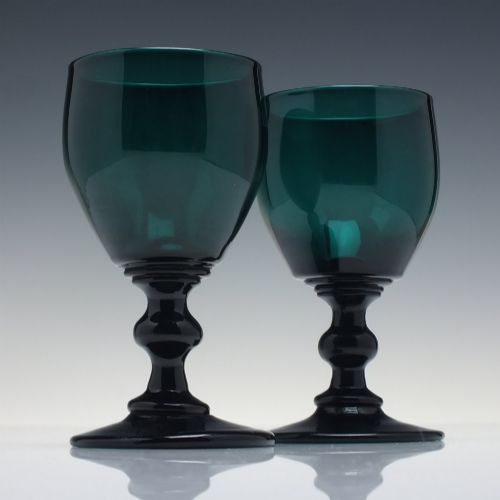
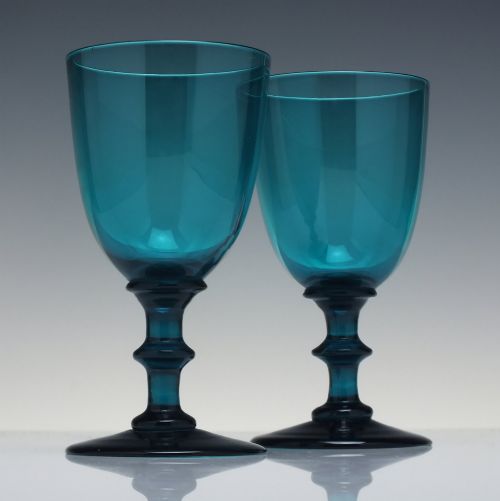
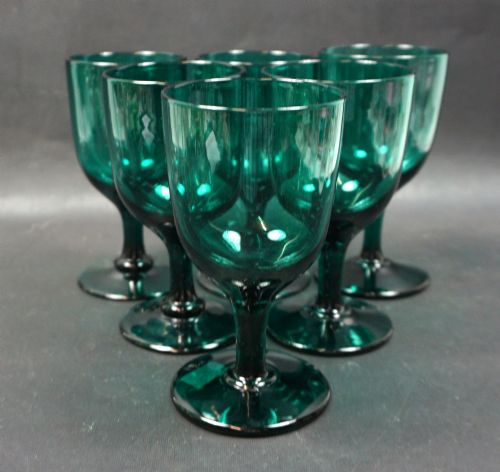
An emerald glass wine glass sits at the heart of this collection, drawing the eye with its rich green colour. You encounter items originating from Georgian and Victorian workshops alongside later twentieth-century examples.
The forms range from single dram glasses and tall wine vessels to matched sets of six or eight. English Bristol production sits alongside continental European work from makers such as Baccarat and St Louis.
Materials and construction
Makers utilised lead glass, lead crystal, and cased glass, often applying hand-blown techniques to achieve the desired weight and clarity. Some pieces combine layers of green over clear crystal, which allowed cutters to expose the transparent metal beneath.
Decoration includes delicate enamel work and engraved motifs that contrast sharply against the dark green ground. Certain items incorporate fitted silver necks or mounts.
Emerald Glass Wine Glass Retail Price Guide 2026
Typical asking prices for emerald glass wine glass among the pieces listed under this phrase on Sellingantiques today, from the lower quarter to the upper quarter. They describe what is for sale here now, not the wider market.
Assessing quality and craftsmanship
The refinement of the metal and the precision of the cutting dictate the standing of a piece. Fine lead crystal yields a sharper ring and greater brilliance than standard soda glass.
Proportion and uniformity across a matched set determine desirability. Hand-blown variations add individual charm, but consistent wall thickness and well-balanced stems separate everyday items from superior work.
Baccarat·St Louis
The Emerald Glass Wine Glass Glossary
- Lead glass
- Glass containing lead oxide, which increases weight, refractive index, and working time for the cutter.
- Cased glass
- A vessel formed of two or more distinct layers of glass, often coloured over clear, allowing exterior material to be cut away.
- Hock glass
- A tall-stemmed vessel traditionally used for German white wines, frequently produced in coloured glass.
- Dram glass
- A small drinking vessel intended for a single measure of spirits rather than wine.
- Enamel
- An opaque, fused glass paste applied to the surface for painted decoration.
Emerald Glass Wine Glass: Frequently Asked Questions
Are these glasses safe for daily use?
Most sturdy Victorian and twentieth-century examples can handle careful use at the dining table. Georgian lead glass is slightly softer and benefits from more mindful handling.
Hand-blown vessels with delicate enamel work or silver collars require extra care and are better reserved for special occasions.
What is Bristol green glass?
The term refers to deep green glassware traditionally associated with production in the English port city during the Georgian era. It gained popularity for serving wines and spirits.
While many pieces originate from Bristol, the style was widely copied across Britain and Europe during the nineteenth century.
How can I tell a Georgian glass from a Victorian one?
Georgian pieces often display simpler, heavier forms with pontil marks on the base where the glassblower's iron was snapped off. The metal can contain natural small bubbles and imperfections.
Victorian production frequently introduced sharper mould lines, more uniform sets, and heavier cut patterns as industrial techniques advanced.