



Victorian Colonial Box
A victorian colonial box brings the utility of distant trade and military travel into the home through robust tropical woods and secure metalwork.
Victorian Colonial Box
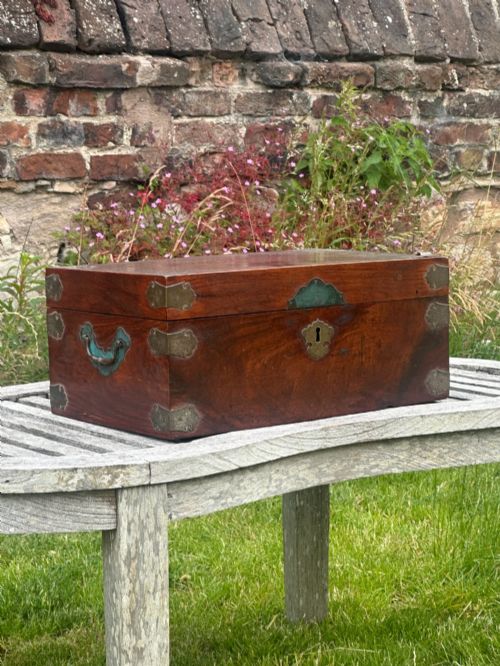
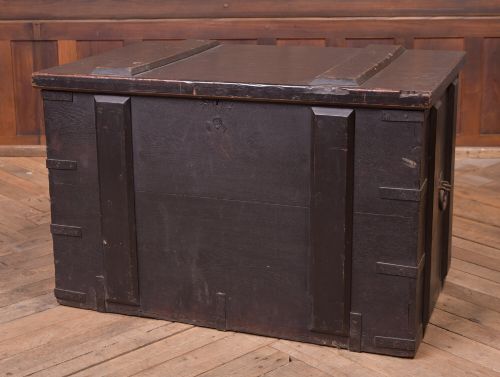
A victorian colonial box encompasses a wide variety of storage pieces created during the nineteenth century across British territories and trade routes, ranging from small desktop writing slopes and trinket containers to large campaign chests and merchants trunks.
The objects on this page frequently display Anglo-Indian, Ceylonese, or Indo-Chinese influences, utilising regional timbers and craftsmanship adapted for travel or domestic display.
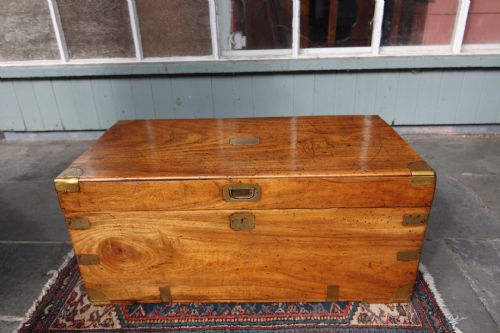
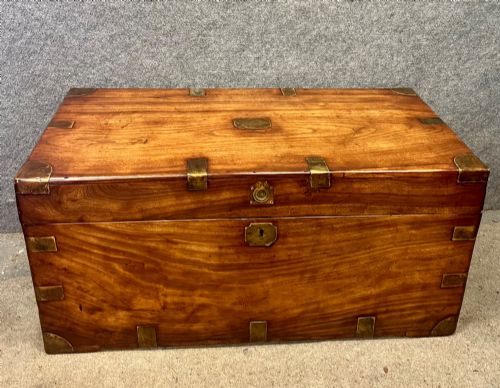
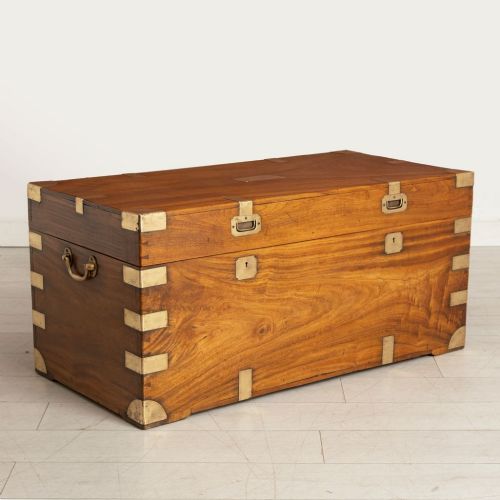
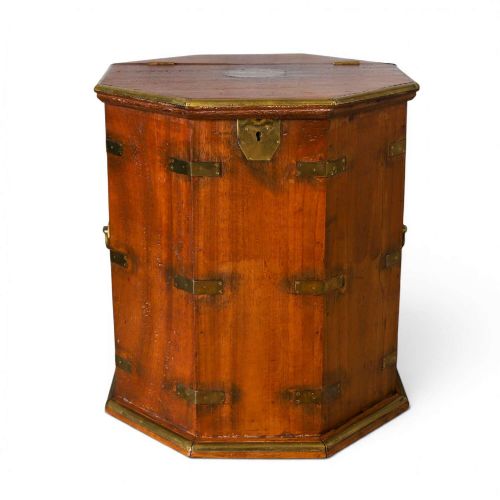
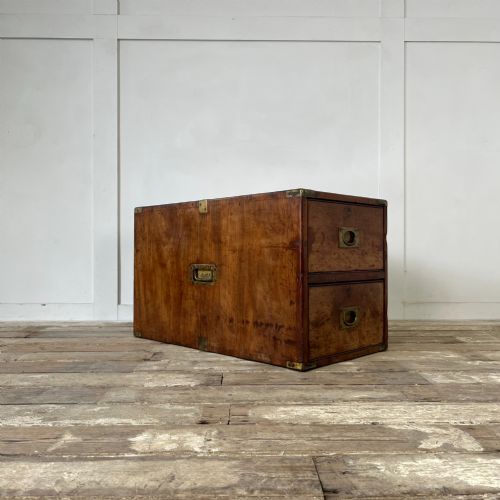
Buyers will most commonly encounter substantial camphor wood or teak trunks fitted with brass corners and recessed handles alongside smaller decorative boxes inlaid with bone, ivory, or subtle mosaic work.
Materials and Construction
Craftsmen utilised durable tropical hardwoods such as camphor wood, teak, padouk, and ebony, which could withstand humid climates and the rigours of maritime transit.
Structural integrity was reinforced with heavy brass binding, flush-fitting hardware, and corner brackets designed to protect the edges during movement.
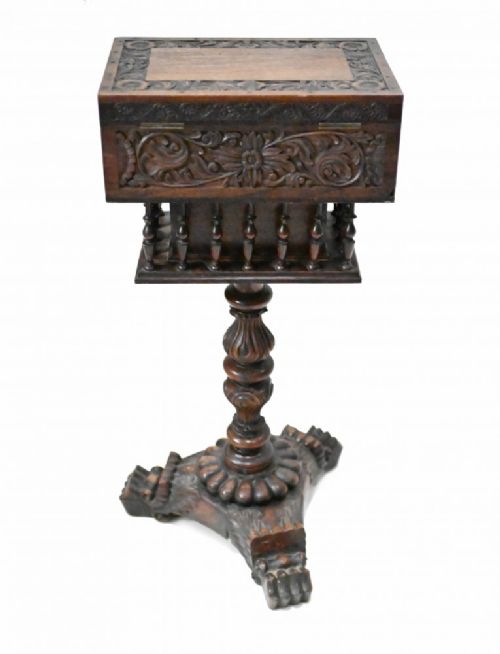
Surface decoration incorporated intricate carving, porcupine quill arrangements, bone inlay, and Sadeli mosaic work, reflecting the specific regional traditions of Indian and Ceylonese workshops.
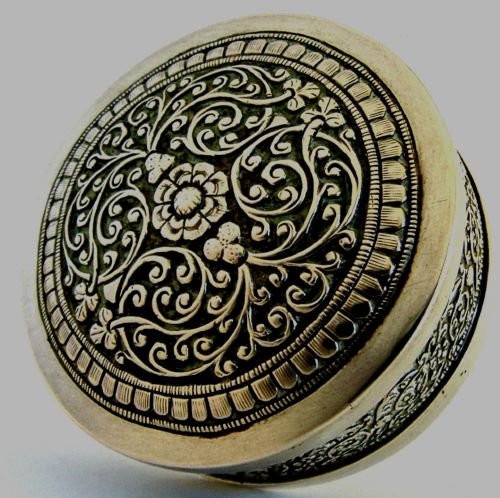
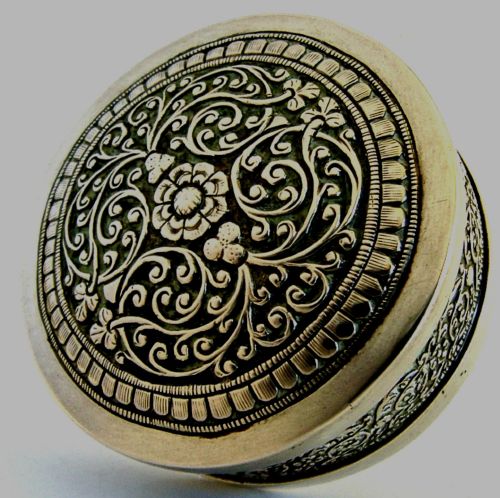
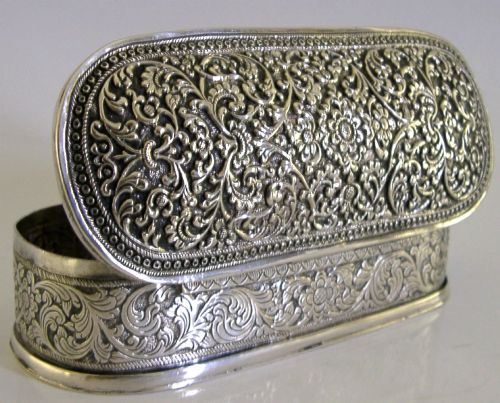
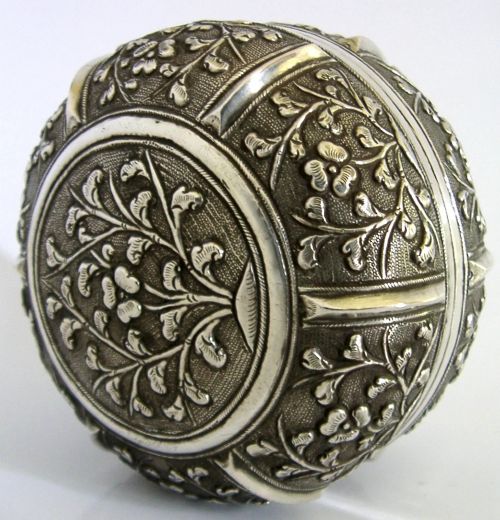
The listings span the nineteenth century, featuring teak, camphor wood, ebony, and solid silver forms.
Assessing the Pieces
Superior examples maintain their original hardware, including matching brass locks, hinges, and recessed carrying handles that show consistent wear rather than modern replacement.
The precision of the internal fittings, such as secret drawers, writing surfaces, and compartment lids, separates standard storage containers from bespoke travel desks.
The intricacy of surface embellishment, from fine carved reliefs to complete micro-mosaic patterns and well-fitted bone or ivory stringing, indicates the standard of workshop execution.
The Victorian Colonial Box Glossary
- Campaign chest
- A sectional storage chest designed to be split into two or more parts for military transport, fitted with recessed brass handles.
- Camphor wood
- A fragrant tropical timber commonly used for campaign trunks because its natural scent repelled insects.
- Writing slope
- A portable box with a hinged sloping lid that opens to reveal a writing surface, inkwells, and storage compartments.
- Sadeli mosaic
- A micro-mosaic technique utilising tiny geometric tiles of horn, bone, ivory, and metal to create intricate decorative banding.
- Porcupine quill box
- A decorative container surface-decorated with patterns formed from natural porcupine quills, often originating from Ceylon.
Victorian Colonial Box: Frequently Asked Questions
What is a campaign box?
A campaign box is a portable piece of furniture designed for officers and officials on the move during the nineteenth century.
These items featured sturdy brass corners and flush handles to endure long journeys by sea and land.
Why use camphor wood?
Camphor wood was chosen for its distinct aroma and natural resistance to insects and damp conditions.
This made it the ideal material for protecting garments and documents in tropical climates.
How are these boxes decorated?
Decoration varies by region and workshop, employing techniques such as deep wood carving, ivory inlay, and porcupine quill work.
Some pieces also feature intricate Sadeli mosaic geometric patterns.
Were they made in Britain?
Most of these pieces were manufactured in colonial workshops across India, Ceylon, and Southeast Asia using local timbers.
They were designed for British officers, merchants, and administrators stationed abroad.