

Victorian Collector Drawers
Victorian collector drawers provide compact, specialised storage for natural history specimens, coins, and small artefacts through multiple fitted compartments.
Victorian Collector Drawers
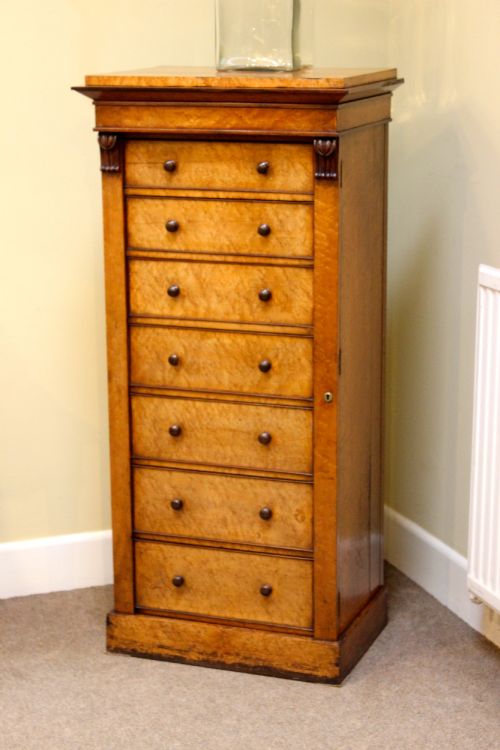
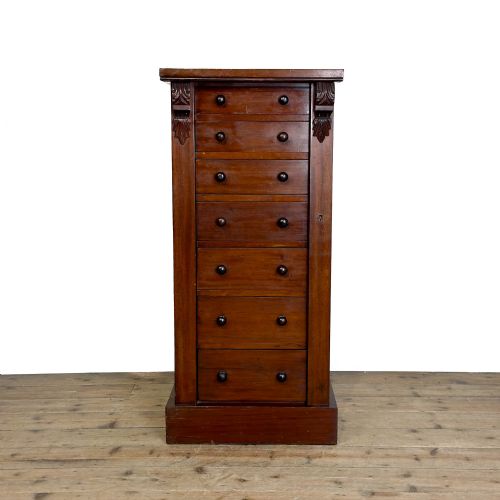
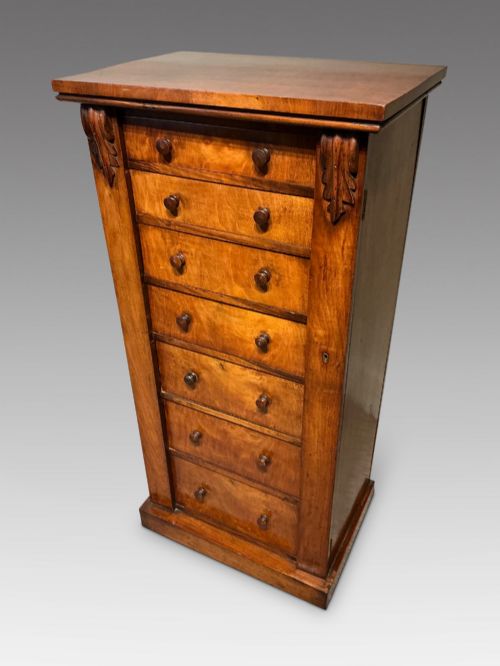
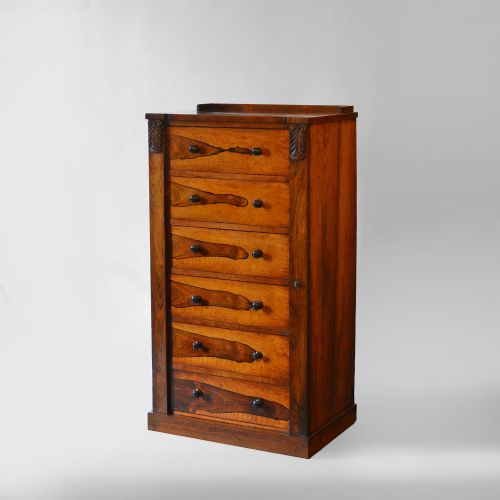
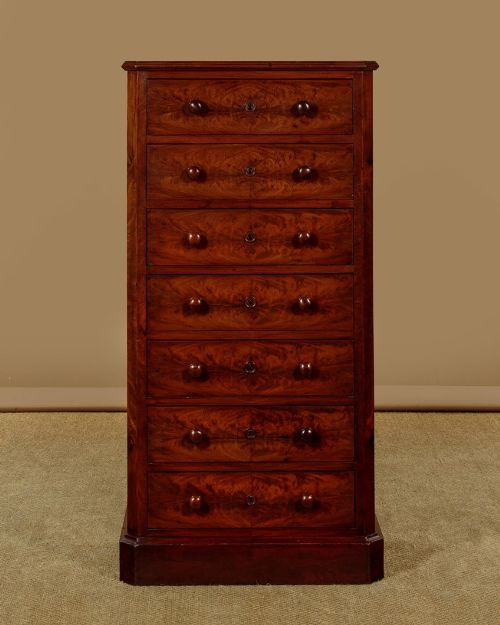
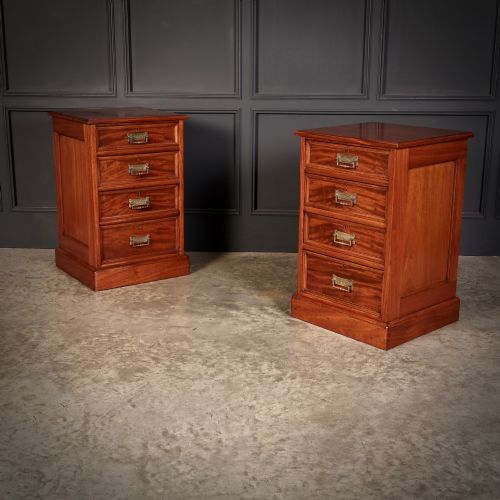
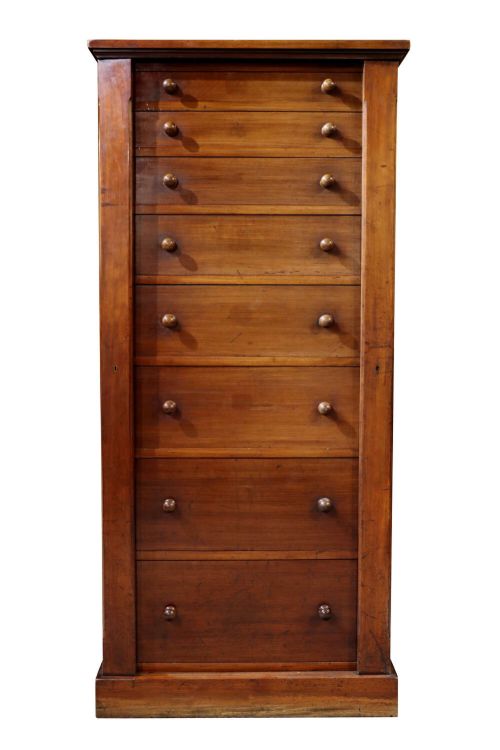
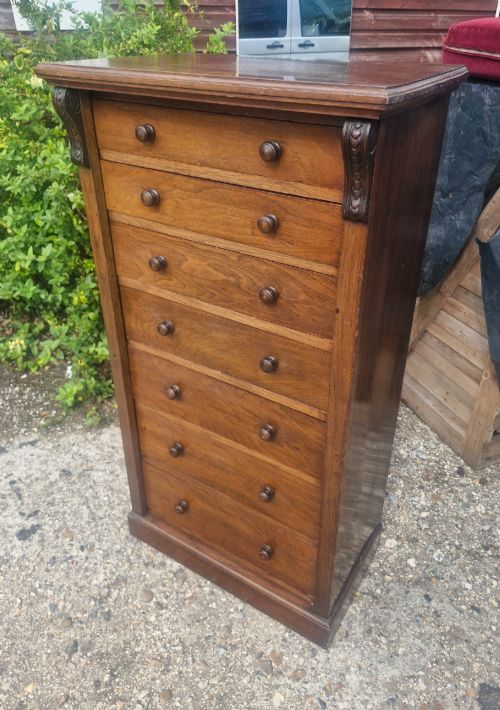
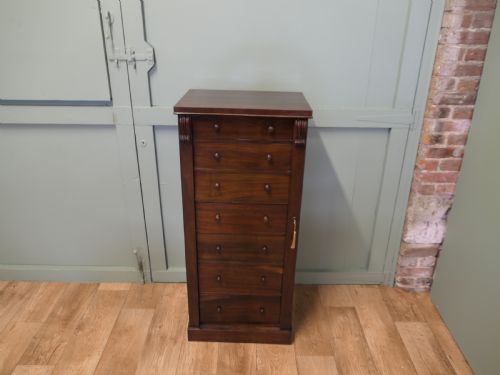
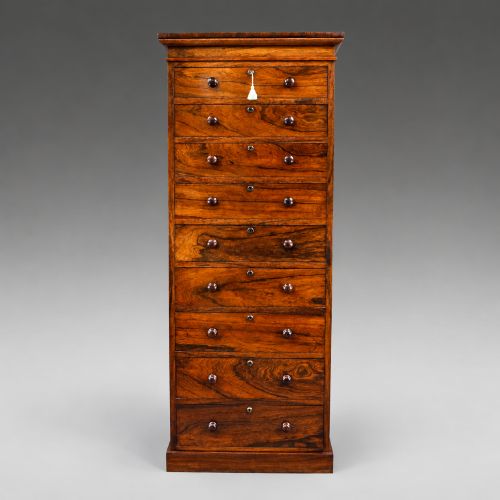
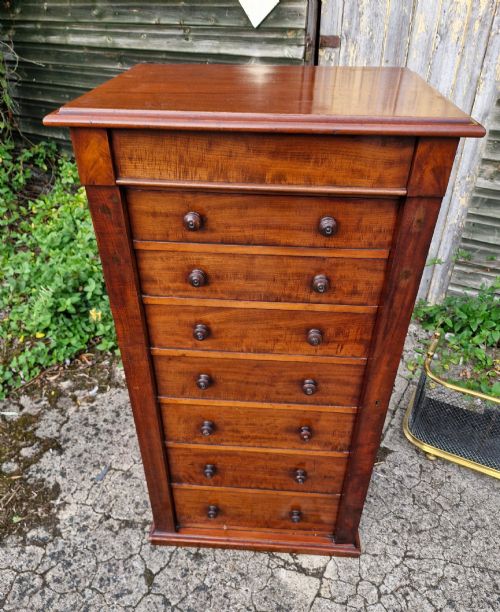
Victorian collector drawers encompass multi-drawer cabinets, Wellington chests, and tabletop specimen cases designed to organise delicate items.
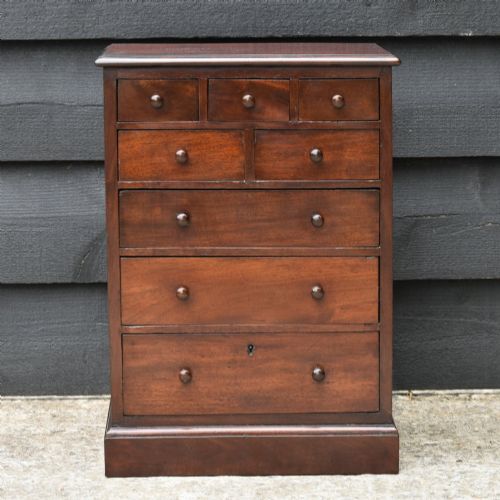
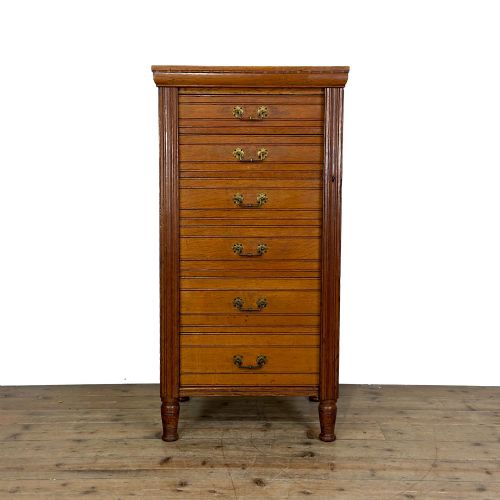
The version most commonly met on this page is the multi-drawer mahogany or pine cabinet, often featuring shallow tiers intended for insects, botanical samples, or coins.
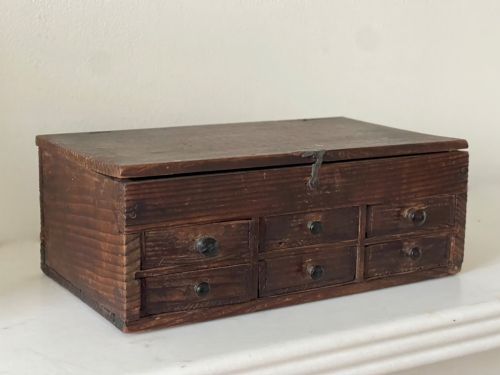
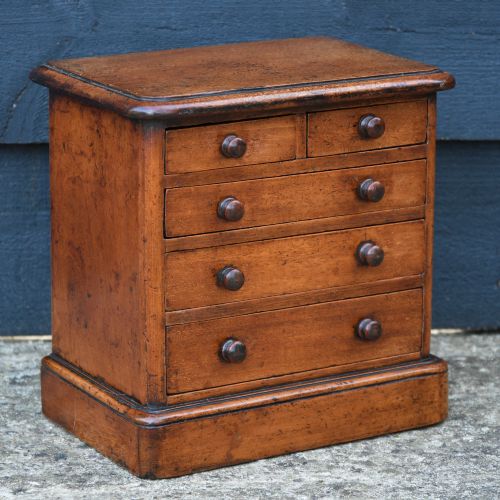
Apprentice pieces and miniature chests also appear frequently, serving as scaled-down demonstrations of cabinet-making skill or personal desktop storage.
Materials and Construction
Cabinet makers utilised dense hardwoods like mahogany, walnut, and rosewood alongside utilitarian softwoods such as pine and deal.
Drawer construction typically relies on tight dovetail joints to withstand frequent pulling, paired with brass handles, turned wooden knobs, or locking mechanisms like Chubb locks.
Internal layouts often incorporate glass panels for display lids or closely fitted runners to protect fragile contents from dust.
Victorian Collector Drawers Retail Price Guide 2026
Typical asking prices for victorian collector drawers among the pieces listed under this phrase on Sellingantiques today, from the lower quarter to the upper quarter. They describe what is for sale here now, not the wider market.
Listings feature woods spanning mahogany, walnut, rosewood, oak, and pine across the nineteenth and early twentieth centuries.
Distinctions in Standard
Quality rests upon the precision of the drawer fit and the selection of timber, ranging from plain stained deal to figured burr walnut and premium mahogany.
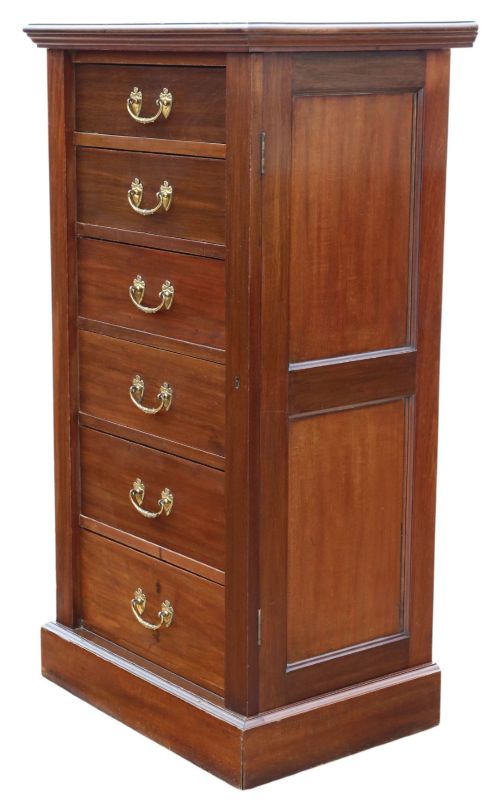
Intricate locking styles, such as the hinged locking stile found on Wellington chests, separate standard desktop storage from higher-grade security pieces.
Original hardware, intact glass panels, and untouched interior linings elevate a piece above examples that have undergone substantial replacement or alteration.
Luxmore's of Ilfracombe·Messrs Watkins & Doncaster·D Napier & Sons
The Victorian Collector Drawers Glossary
- Wellington Chest
- A tall, narrow chest of drawers secured by a hinged locking stile that fastens down one side to lock every drawer simultaneously.
- Apprentice Piece
- A small-scale item created by a trainee craftsman to demonstrate mastery of joinery techniques before entering a guild.
- Specimen Cabinet
- A specialised housing unit featuring numerous shallow drawers designed specifically for the orderly storage of natural history objects.
- Dovetail
- An interlocking joint formed by interlocking wedge-shaped fingers, prized for structural strength in drawer construction.
- Stile
- A vertical framing member in cabinet construction that provides stability and houses locking mechanisms.
Victorian Collector Drawers: Frequently Asked Questions
What were Victorian collector drawers used for?
These cabinets housed scientific specimens, insects, botanical samples, coins, and small precious items belonging to private collectors.
The shallow depth of the drawers kept delicate objects visible and organised without risking damage from stacking.
Where should I place a collector cabinet at home?
These compact pieces fit well on tabletops, sideboards, or dedicated desks where their multiple drawers can be accessed easily.
Keep them away from direct sunlight and dramatic temperature fluctuations to protect sensitive historic woods and internal linings.
How do I distinguish apprentice pieces from regular chests?
Apprentice pieces are significantly smaller than standard furniture and exhibit exceptional attention to fine dovetailing and proportion.
Craftsmen built them as portfolio pieces to prove their advanced woodworking skills to prospective employers.