

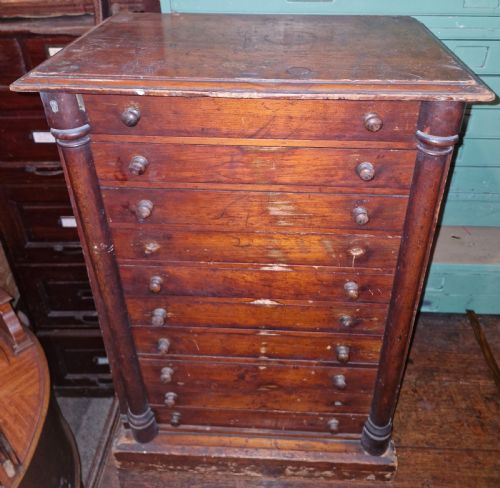


Victorian Coin Cabinet
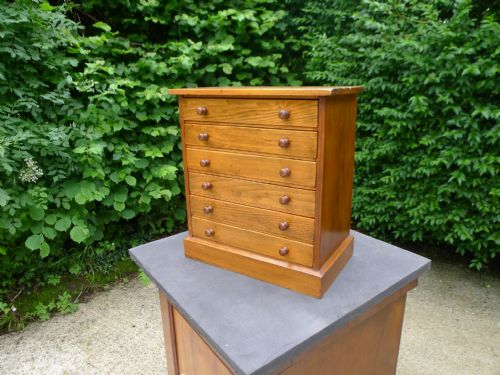
A victorian coin cabinet is a small multi-drawer chest built to house delicate collections safely.
Victorian Coin Cabinet
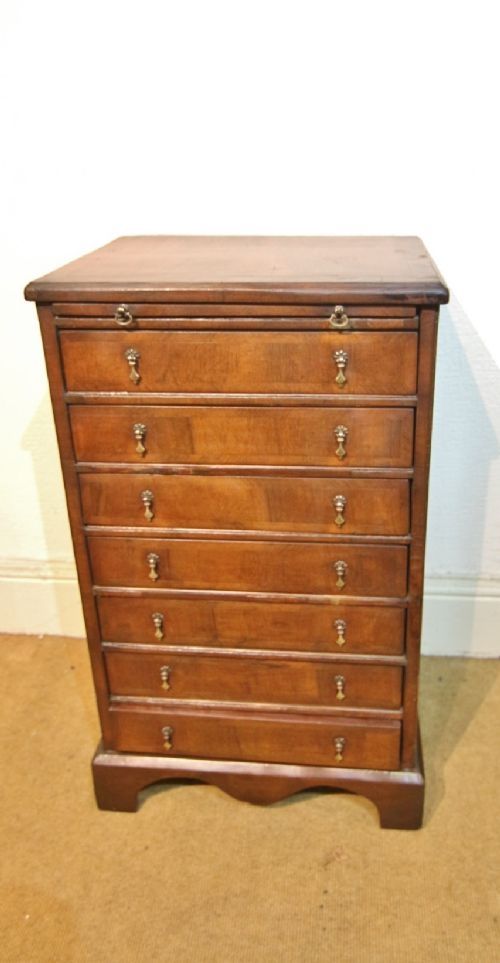
When you search for a victorian coin cabinet, you are looking at specialised furniture designed to house numismatic collections, medals, and small specimens securely. These pieces function as miniature chests of drawers, often containing numerous shallow tiers tailored for individual items.
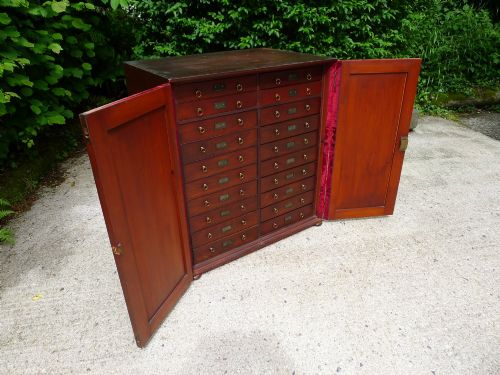
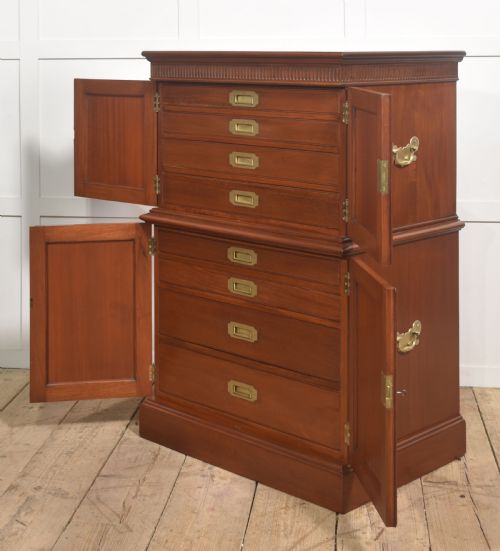
On this page, the version you are most likely to meet is a mahogany or walnut cabinet from the nineteenth century, typically featuring multiple fitted drawers enclosed by locking doors. These items originate from periods spanning the mid to late Victorian era.
Materials and construction
Cabinetmakers utilised dense timbers such as mahogany, walnut, and oak to construct the primary carcass and individual drawers. These woods provided the necessary stability to prevent warping and protect contents from atmospheric changes.
Internal elements frequently incorporate softer woods or specialised linings, paired with brass handles, locks, and glass panels. Joinery techniques focused on precision, ensuring drawers moved smoothly within tight tolerances.
Some nineteenth-century collectors utilised forty separate drawers to organise tiny specimens.
What separates the range
The distinction between standard utility items and superior examples lies in the selection of figured timber veneers and the precision of the drawer construction. Higher quality pieces display meticulous joinery and retained original hardware.
Scale and complexity also divide the tier, with larger multi-drawer assemblies or specialised campaign formats requiring greater joinery skill. The presence of maker attribution or documented provenance elevates an example above standard production.
Standish·J T Crockett
The Victorian Coin Cabinet Glossary
- Collectors Cabinet
- A multi-drawer piece of furniture designed to store and organise small objects or specimens. These units feature shallow tiers to protect delicate items.
- Specimen Case
- A smaller portable housing unit intended for the display or transport of natural history items or coins. They often include glass panels or fitted internal trays.
- Burr Walnut
- Timber featuring twisted, irregular grain patterns highly prized for decorative veneer work on Victorian furniture cabinets. This material creates rich, mottled surface textures.
- Campaign Style
- Furniture designed for portability, often fitted with recessed brass handles and reinforced corners for travel. These pieces reflect military utility adapted for civilian storage.
- Standish
- A maker or firm associated with the production of nineteenth-century collectors cabinets and storage chests. Their pieces are recognised by specific construction traits.
Victorian Coin Cabinet: Frequently Asked Questions
What were coin cabinets used for?
These cabinets served as secure storage for private numismatic collections, keeping fragile metal currency organised and protected from dust or handling.
Owners sorted their pieces across multiple shallow drawers to prevent friction damage between individual items.
How do you date a Victorian cabinet?
Dating relies on timber choices, construction methods, and hardware styles associated with specific decades of the nineteenth century.
Subtle shifts from solid mahogany to figured walnut or oak veneers help narrow down the period of manufacture.
Are all these cabinets made of mahogany?
While mahogany is common, makers also utilised walnut, burr walnut, oak, satin walnut, and deal across different examples.
Timber availability and regional workshop preferences determined the primary material used for each individual chest.
How do I maintain the timber?
Keep the wood away from direct sunlight and sudden temperature shifts to prevent the natural timber from drying or splitting.
Apply traditional wax polish occasionally to nourish the surface and maintain the historic finish.