
Vintage Collector Drawers
Vintage collector drawers bring together small-scale storage and specialist sorting, offering structured compartments for everything from specimens to stationery.
Vintage Collector Drawers
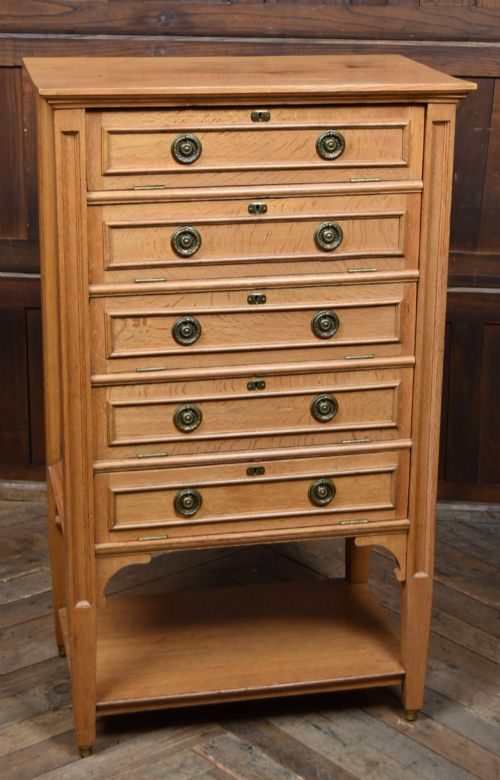
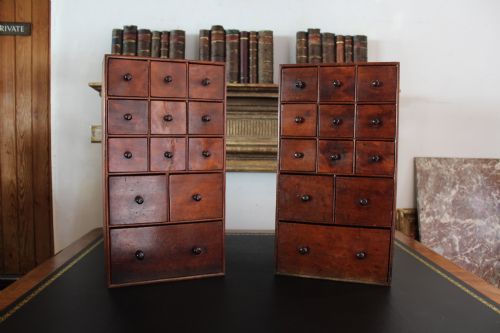
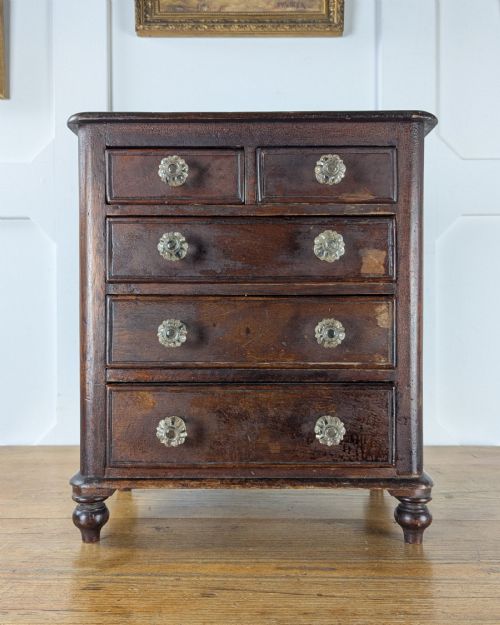
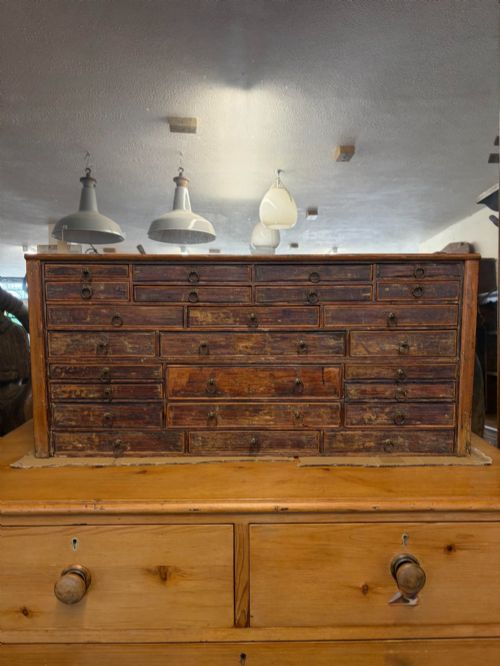
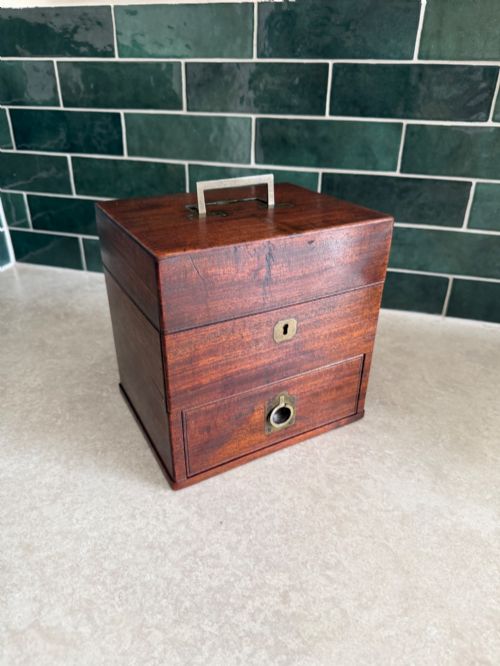
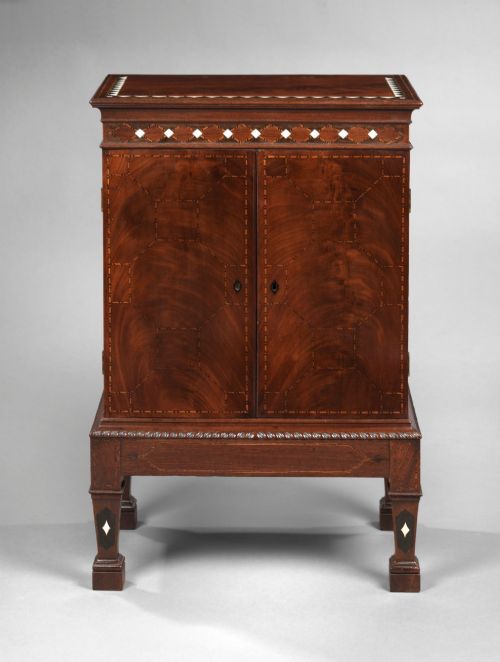
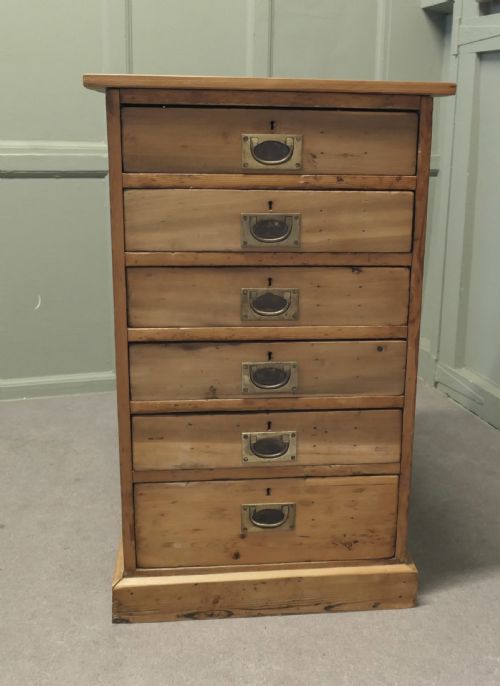
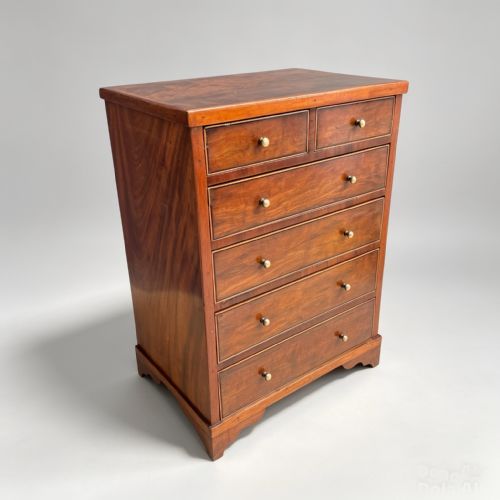
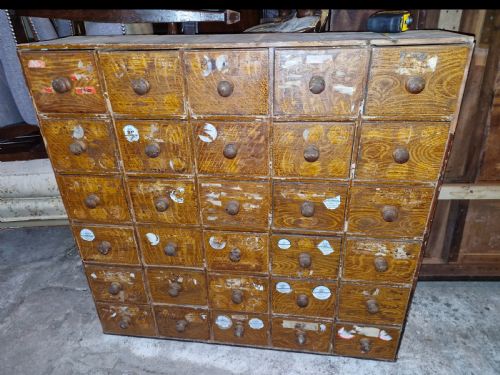
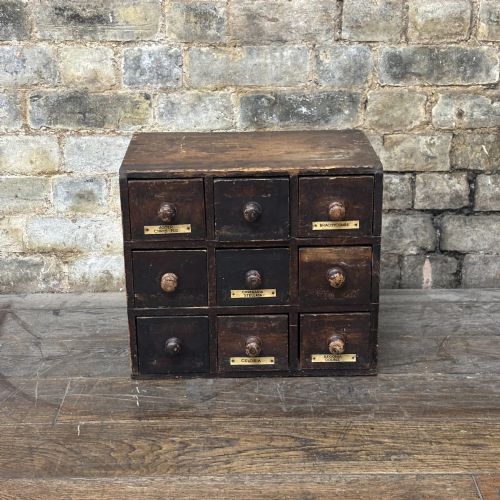
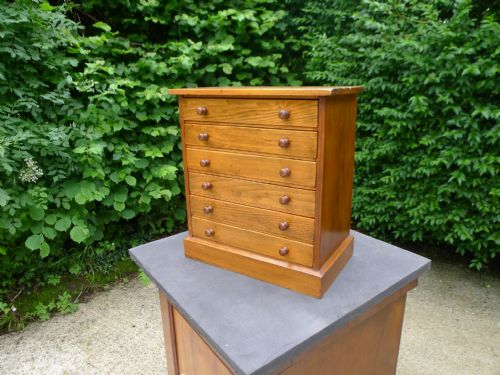
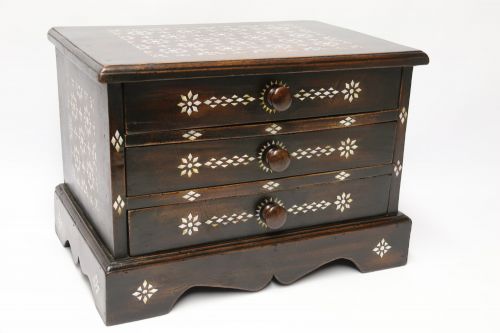
Vintage collector drawers encompass multi-drawer banks, filing cabinets, spice drawers, and tabletop specimen chests originating across the nineteenth and early twentieth centuries. Pieces range from large pine apothecary banks and massive multi-drawer office units down to small miniature chests and trinket storage.
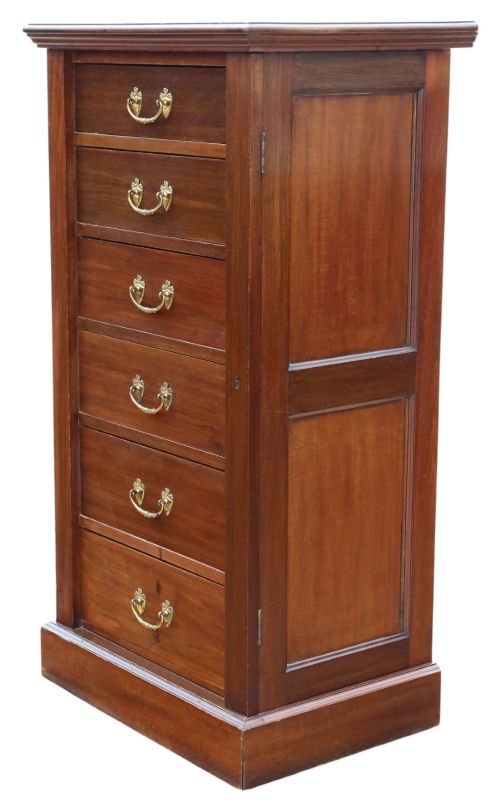
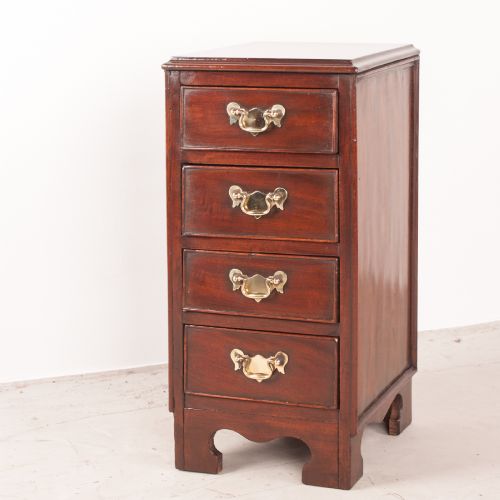
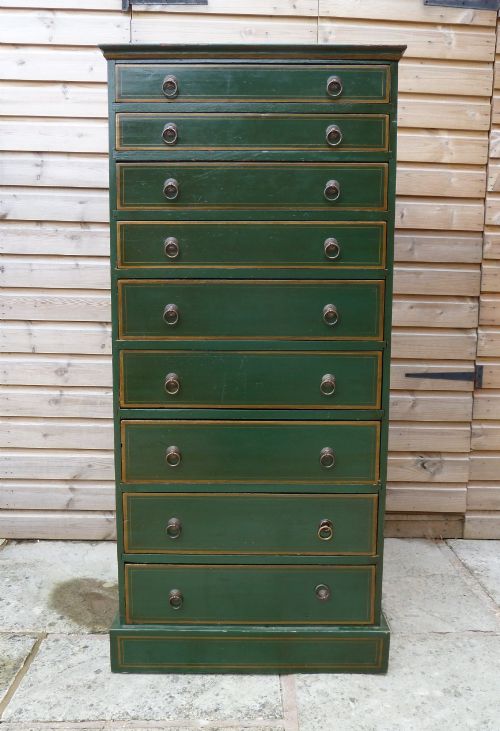
The specimens on this page reflect diverse utilitarian and domestic functions, spanning Victorian doctors' surgeries, Edwardian offices, and Georgian style residences. Buyers encounter variations running from slender mahogany Wellington chests to utilitarian industrial banks in painted pine.
Makers and workshops of the period utilised specific regional timbers to construct units suited to botany, pharmacy, and general filing. The selection bridges formal cabinet-making and functional workshop utility.
Materials and Construction
Makers relied heavily on hardwoods like mahogany, walnut, and oak alongside utilitarian softwoods such as pine and deal. Construction methods combined dovetailed drawer boxes with solid timber frames, often supported by turned feet or recessed plinths.
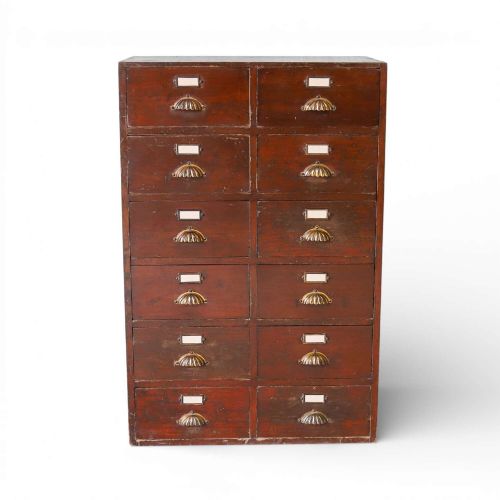
Hardware details such as brass shell pulls, label holders, and iron handles serve functional purposes on office and apothecary pieces. Surface finishes range from polished mahogany and satin walnut to stained or painted pine.
Listings feature multi-drawer configurations in mahogany, oak, and pine dating from the eighteenth century through the Edwardian era.
Standards of Execution
Quality rests in the integrity of the drawer construction, particularly the precision of the dovetail joints and how smoothly the banks slide within their housings. Superior examples retain original brass pulls and functional label holders rather than later replacements.
The choice of primary timber dictates the character of the piece, with dense hardwoods like mahogany offering crisp execution compared to softer deal or painted pine variants. Original surface patination and untouched maker or chemist labels elevate the standing of individual cabinets.
Luxmore's of Ilfracombe·Brady of Edmonton·D Napier and Sons
The Vintage Collector Drawers Glossary
- Wellington chest
- A tall, narrow timber chest of drawers featuring a hinged locking stile on one side that secures all drawers simultaneously.
- Apothecary chest
- A multi-drawer cabinet originally utilised by chemists and pharmacists for storing herbs, remedies, and ingredients.
- Dovetail
- A traditional interlocking corner joint formed by interlocking wedge-shaped fingers that provides high tensile strength.
- Shell pull
- A pressed metal or brass handle shaped like an inverted scallop shell, commonly found on nineteenth-century filing furniture.
- Specimen cabinet
- A specialised shallow-drawer unit designed for housing natural history collections such as insects, minerals, or botanical samples.
Vintage Collector Drawers: Frequently Asked Questions
What were apothecary drawers used for?
Apothecary drawers held medicinal herbs, dried roots, chemical compounds, and prepared remedies in pharmacies and dispensaries. The numerous small compartments kept ingredients organised and accessible for quick dispensing.
Today, these banks function well for sorting small craft items, office supplies, or jewellery collections while adding historical character to a room.
How do I date an oak filing cabinet?
Dating involves examining the construction methods, timber selection, and hardware types used throughout the piece. Dovetailing techniques and timber preparation marks change between nineteenth-century handmade examples and early twentieth-century industrial pieces.
Original brass label holders and shell pulls offer specific clues to the manufacturing decade, particularly around the Edwardian transition.
Are miniature chests of drawers authentic?
Miniature chests were produced as apprentice pieces to demonstrate cabinet-making proficiency, or as specialised tabletop storage for trinkets and specimens. They follow the exact construction proportions and joinery standards of full-sized furniture.
Makers utilised matching hardwoods and traditional dovetails on a smaller scale, making them distinct from modern decorative reproductions.
How should I clean a painted pine chest?
Cleaning requires a soft dry cloth to remove dust from corners and drawer interiors without disturbing fragile historic paint layers. Avoid harsh chemical solvents or excessive water that might lift old finishes or warp softwood timbers.
Applying microcrystalline wax helps preserve exposed pine surfaces and protects original paintwork from further wear.