
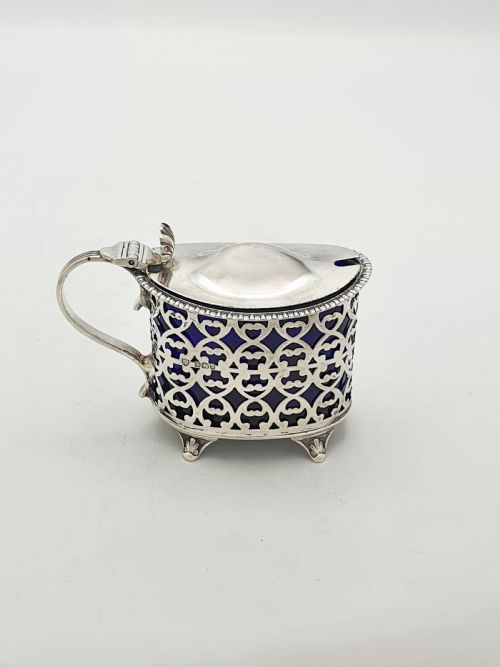


Victorian Cobalt Blue Vessel
A victorian cobalt blue vessel brings deep, rich colour and nineteenth-century craftsmanship into a room.
Victorian Cobalt Blue Vessel
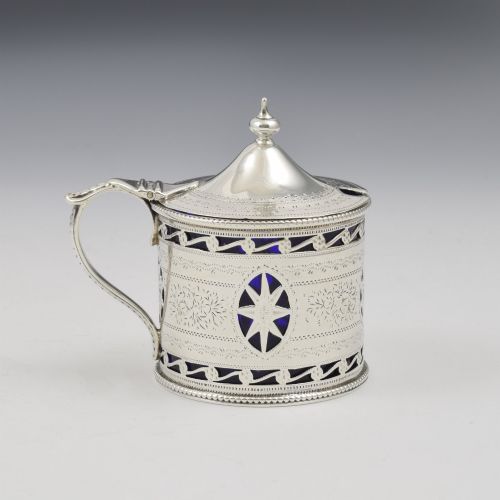
A victorian cobalt blue vessel encompasses a diverse range of nineteenth-century objects, from table mustard pots and decanters to large decorative jardinieres and apothecary bottles. These pieces showcase the striking depth of cobalt glass, glazed stoneware, and enamel-painted surfaces characteristic of the period.
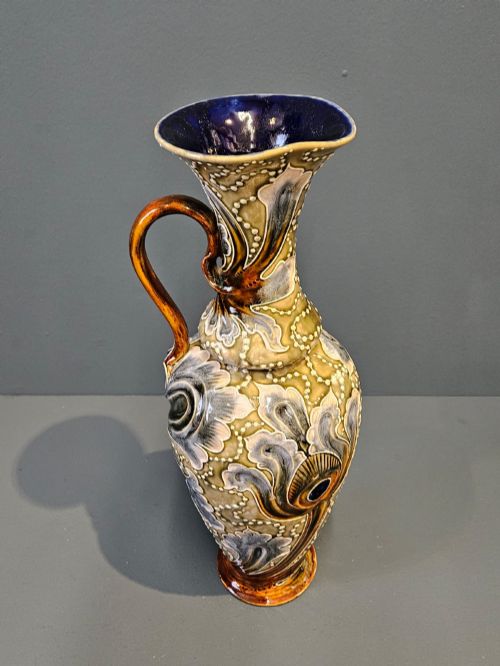
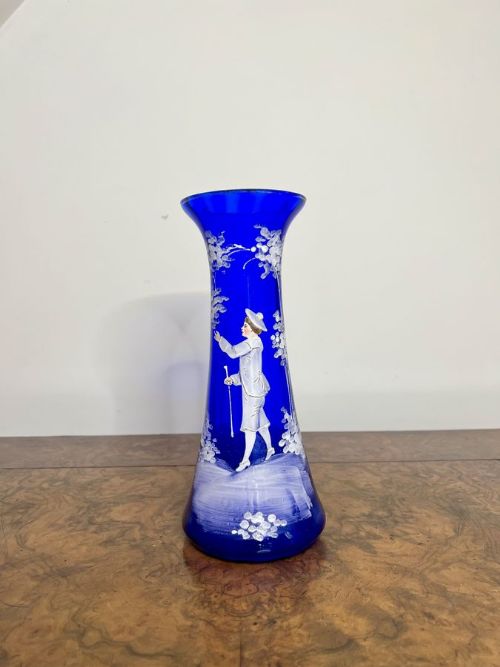
You are most likely to encounter blown glass vases, Doulton Lambeth salt-glazed wares, and sterling silver-mounted mustard pots on this page. The forms stretch from utilitarian apothecary containers to elaborate exhibition pieces intended solely for display.
The origins span English potteries, Bohemian glasshouses, and Viennese porcelain studios, capturing the varied aesthetic movements of the nineteenth century. Whether styled in the robust manner of Victorian arts and crafts or the flowing lines of early art nouveau, each item holds a distinct place in nineteenth-century material culture.
Materials and production
Makers utilised rich cobalt glass, dense stoneware, and porcelain as the primary foundations for these vessels. Techniques such as mould-blowing, salt-glazing, and hand-throwing shaped the sturdy bodies before artisans applied surface decoration.
Enamel painting, gold leaf detailing, and cut-to-clear glass methods added intricate visual layers to the deep blue bodies. Metalworkers also integrated pierced sterling silver mounts into mustard pots and frames, combining glass and metal craft.
Listings feature Victorian glass, stoneware, and porcelain items decorated with gold leaf, enamel, and sterling silver mounts.
Distinctions in quality
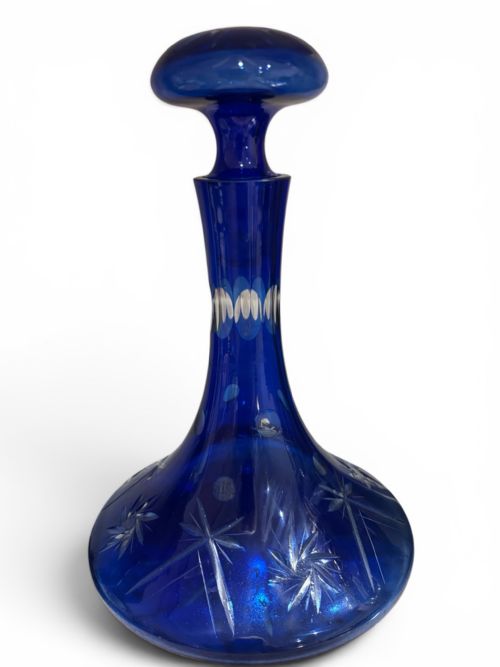
The caliber of a piece rests upon the crispness of its moulded or thrown form and the depth of the cobalt colouration. Superior examples display precise hand-cut facets, clean gilding, and finely detailed enamel work without blurring.
Maker attribution and the integrity of associated elements, such as hallmarked sterling silver lids or original stoppers, elevate a piece. Greater artistic ambition in forms like art pottery jardinieres and cameo-cut crystal distinguishes masterworks from standard production.
Nathan & Hayes·Royal Crown Derby·Royal Vienna·Mason·Royal Worcester·William Adams & Sons
The Victorian Cobalt Blue Vessel Glossary
- Cobalt Glass
- Glass coloured deep blue by the addition of cobalt oxide during the melting process. This intense hue forms the foundational body of many nineteenth-century display pieces and apothecary bottles.
- Stoneware
- A robust, vitrified ceramic fired at high temperatures until impermeable to liquids. Doulton factories utilised this durable material for heavy jardinieres and ewers.
- Imari
- A decorative style inspired by Japanese export porcelain, featuring rich cobalt blue and iron-red highlights, often enhanced with gold leaf. Royal Crown Derby produced notable examples in this palette.
- Jasperware
- A fine-grained, unglazed stoneware developed with coloured bodies and applied white relief ornaments. William Adams & Sons famously shaped this medium into jardiniere forms.
- Cut-to-Clear
- A decorative glass technique where a coloured outer layer is carved away to expose a clear or contrasting layer underneath. This method creates sharp geometric patterns on Victorian vases and decanters.
Victorian Cobalt Blue Vessel: Frequently Asked Questions
How do I identify a Victorian cobalt blue vessel?
Examine the material weight, the depth of the blue hue, and any factory marks or silver hallmarks stamped on the base or mounts. Nineteenth-century production methods often leave pontil scars on glass or impressed pottery stamps beneath the glaze.
Compare the decorative style, such as art nouveau motifs or classical Vienna porcelain painting, against established period benchmarks. Hand-applied enamel and genuine gold leaf details also point toward nineteenth-century origin rather than later reproduction.
Were these vessels used daily?
Many objects on this page, including mustard pots, decanters, and apothecary bottles, served practical functions in nineteenth-century homes and shops. Apothecary bottles held medicinal liquids, while mustard pots sat directly on dining tables.
Conversely, large jardinieres and exhibition vases were designed strictly for interior decoration and plant display. Their survival in good condition often reflects careful handling across generations.
How should I display cobalt glass at home?
Position glass vessels near natural light sources to allow sunlight to pass through the rich cobalt pigment. Placing them on a windowsill or near a lamp accentuates the depth of the cut-to-clear patterns and enamel work.
Keep ceramic jardinieres and stoneware ewers on stable wooden surfaces away from direct, harsh heat sources. Grouping varied forms together creates a striking visual contrast of textures and blue tones.
What is the difference between Doulton Lambeth and standard pottery?
Doulton Lambeth pieces utilise heavy, salt-glazed stoneware distinguished by hand-tooled ornament and specialised chemical staining. The firm employed skilled artists whose individual monograms often appear alongside the factory stamp.
Standard commercial pottery of the period relied more heavily on transfer printing and uniform mould production. Doulton items therefore exhibit a more tactile, studio-pottery feel despite being manufactured on a larger scale.