






Labelled Apothecary Bottle
These labelled apothecary bottle examples bring medicinal history into the home through striking glass forms.
Labelled Apothecary Bottle
A labelled apothecary bottle represents the practical vessels utilised in nineteenth-century pharmacies and dispensaries. Buyers search this phrase to acquire authentic containers that display the utilitarian forms of the Victorian era and French nineteenth-century periods.
The inventory on this page consists predominantly of glass chemist bottles, pharmacy jars, and apothecary vessels. These items emerge from the nineteenth century, including specific pieces dated around eighteen eighty and eighteen ninety, alongside examples simply attributed to the Victorian era and nineteen hundred.
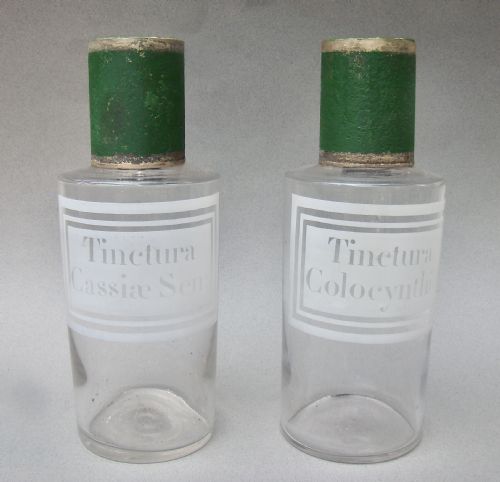
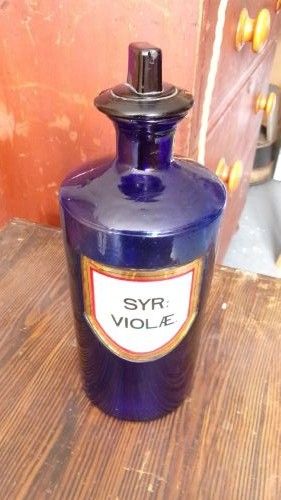
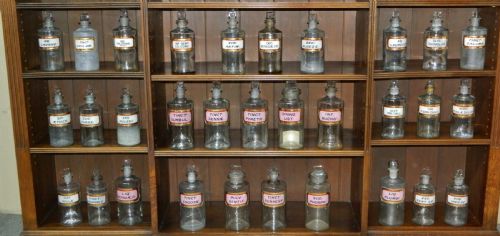
Forms range from large carboys and jars with covers to sets of smaller drug bottles and pairs featuring etched glass. Cobalt glass and Bristol blue variations appear frequently, often paired with distinct components such as lollipop stoppers.
How they were made
Makers utilised glass as the primary medium, shaping vessels through blown glass techniques to achieve the characteristic walls of nineteenth-century apothecary containers. Cobalt glass and Bristol blue variants demonstrate specific colouring methods integrated directly into the molten material during production.
Surface identification relied on several distinct labelling methods recorded in the evidence. Artisans applied gold leaf, enamel, paint, and paper to denote the contents of each vessel, while other examples feature direct etching into the glass surface.
Labelled Apothecary Bottle Retail Price Guide 2026
Typical asking prices for labelled apothecary bottle among the pieces listed under this phrase on Sellingantiques today, from the lower quarter to the upper quarter. They describe what is for sale here now, not the wider market.
What varies in quality
The sophistication of the labelling technique establishes a clear distinction between standard utility vessels and superior examples. Pieces finished with delicate gold leaf or meticulous enamel lettering reflect a higher standard of workshop output than plain painted surfaces.
The complexity of the glass form and the presence of matching covers or original stoppers alter the character of each piece. Intricate decorative work, such as French etched designs or deep Bristol blue colouration, elevates specific jars above basic commercial containers.
The Labelled Apothecary Bottle Glossary
- Carboy
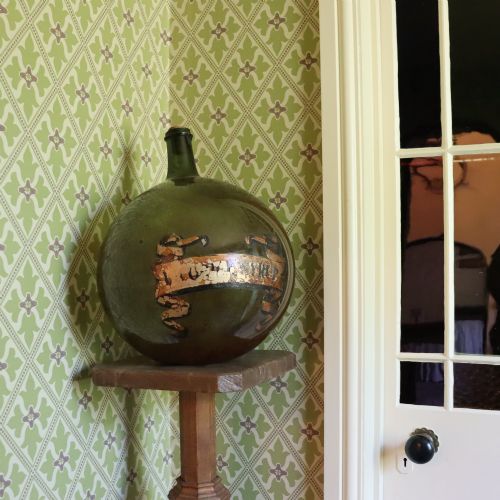
- A large, globular glass bottle traditionally used for holding liquids in bulk within a dispensary. These sizable vessels served as prominent window displays in nineteenth-century chemist shops.
- Lollipop stopper
- A flat, circular glass closure shaped like a confection, designed to seal chemist bottles securely. This specific stopper style provides a distinct silhouette to Victorian pharmacy glassware.
- Cobalt glass
- Deep blue glass produced by adding cobalt oxide to the batch during melting. This intense colour protected light-sensitive pharmaceutical preparations from degradation.
- Bristol blue
- A deep, vivid cobalt blue glass historically associated with the city of Bristol. Apothecary bottles utilising this shade hold particular visual presence on the shelf.
Labelled Apothecary Bottle: Frequently Asked Questions
What were apothecary bottles used for?
Apothecary bottles served as storage vessels for various medicines, dried drugs, and chemical compounds in nineteenth-century pharmacies. Chemists relied on them to keep active ingredients organised and protected from light and moisture.
Larger vessels like carboys often stood in shop windows to signal the profession of the apothecary to the street. Smaller containers held specific compounds dispensed directly to patients.
How do I identify a Victorian apothecary bottle?
Victorian apothecary bottles typically display nineteenth-century glass manufacturing traits, such as pontil marks on the base and slight irregularities in the blown glass. The forms align with the styles of the eighteen hundreds, often categorised under the Victorian period.
Labelling methods on these pieces rely on period techniques including paper, enamel, gold leaf, or direct etching. The presence of these traditional markers helps confirm the era of the vessel.
Are these bottles safe for storing liquids?
While these nineteenth-century glass vessels were originally designed to hold pharmaceutical substances, modern use requires careful consideration. The historic labels, particularly those made of paper or delicate paint, can degrade if exposed to moisture.
Collectors generally display these items as decorative objects rather than active containers. Preserving the original surface finish takes precedence over functional utility.
How should I clean antique glass chemist jars?
Cleaning antique chemist jars requires a gentle touch to protect fragile surfaces, painted details, and paper labels. Dusting with a dry, soft cloth is usually sufficient for regular maintenance.
Harsh chemical cleaners and immersion in water must be avoided, especially on pieces featuring gold leaf, enamel, or paper indicators. Preserving the historical integrity of the labelling is essential.