





Vintage Medicine Bottle
These vintage medicine bottle examples bring functional history straight into modern interiors, offering authentic apothecary charm.
Vintage Medicine Bottle
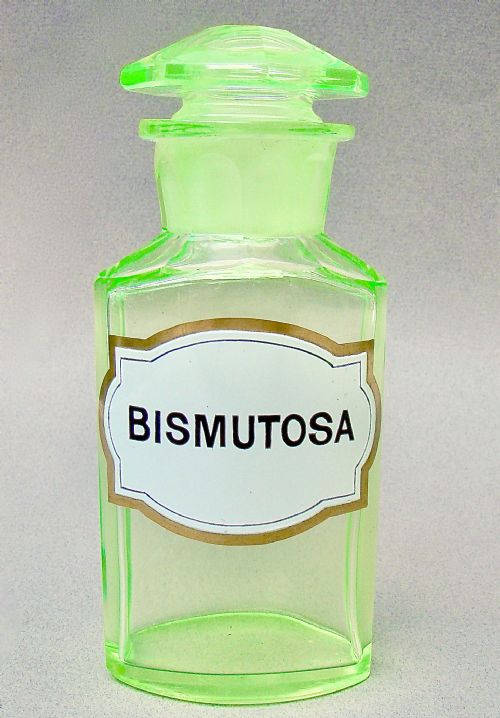
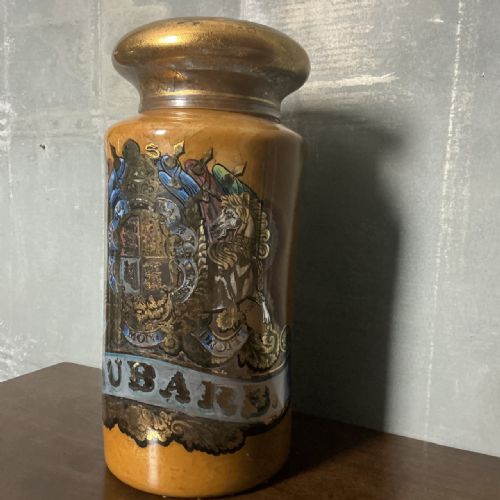
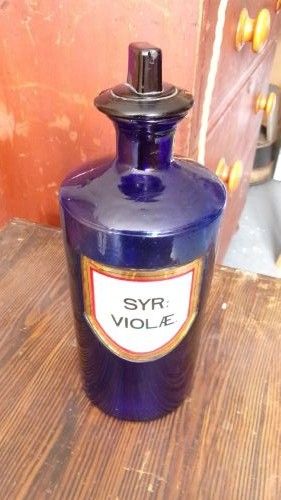
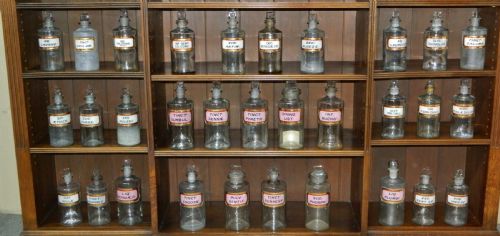
When you search for a vintage medicine bottle, you encounter a specialised form of antique glassware and fitted storage designed for historical health and chemical uses. The selection on this page ranges from individual chemist flasks and cobalt glass jars to complete mahogany apothecary travelling cases and fitted chests.
Most items stem from the Georgian, Regency and Victorian periods, alongside French Belle Epoque pieces, reflecting centuries of practical containment. You find standalone drug bottles with lollipop stoppers or paper labels alongside elaborate partitioned boxes equipped with their original glassware.
How they were made
Makers shaped the bottles primarily from clear, green or Bristol blue glass, sometimes incorporating cut glass techniques or delicate gold leaf detailing. Labels were frequently rendered in paper, while the protective travel cases and cabinets utilised mahogany, brass fittings and interior velvet linings.
Vintage Medicine Bottle Retail Price Guide 2026
Typical asking prices for vintage medicine bottle among the pieces listed under this phrase on Sellingantiques today, from the lower quarter to the upper quarter. They describe what is for sale here now, not the wider market.
What varies in quality
Quality rests upon the completeness of fitted interiors, the survival of original paper labels and the presence of matching stoppers across sets of bottles. Superior examples feature well-preserved mahogany cabinetry with intact brass hardware, contrasting with single bottles lacking their original closures.
Tonnel Paris
The Vintage Medicine Bottle Glossary
- Apothecary jar
- A vessel historically used by practitioners to store medicinal drugs and compounds. These often appear in collections or as individual display pieces.
- Bristol blue
- A deep cobalt glass colour produced in England during the eighteenth and nineteenth centuries. It frequently protected light-sensitive contents.
- Lollipop stopper
- A flat, circular glass closure shaped like a confectionery lollipop, designed to seal chemist bottles securely. They remain a key indicator of period authenticity.
- Travelling case
- A portable wooden chest fitted with internal compartments to hold glass bottles safely on journeys. They typically feature secure brass locks and velvet linings.
Vintage Medicine Bottle: Frequently Asked Questions
What were apothecary boxes used for?
These fitted wooden chests served as portable pharmacies for doctors, travellers or affluent households during the Georgian and Victorian eras. They kept fragile glass phials organised and secure during transit.
Inside, you typically find a collection of dedicated drug bottles, small scales, pill boxes and hidden drawers for powders and instruments.
How do I identify a Victorian chemist bottle?
Victorian examples often feature rich green or Bristol blue glass, sometimes accompanied by original paper labels denoting specific medical compounds. They frequently display characteristic pontil marks on the base from hand-blowing techniques.
Many of these bottles also utilise heavy glass lollipop stoppers designed to maintain an airtight seal for volatile contents.
Can I use these bottles for liquids?
While historical bottles were waterproof, antique glass and vintage paper labels require careful handling and are best preserved as decorative objects. Internal residues from historical medicines may also remain present.
Displaying them on shelves or inside cabinets protects the fragile glass and any surviving original paper labelling from accidental damage.
How do I date a medicine bottle?
Dating relies heavily on manufacturing traits, such as mould seams, pontil scars, glass colour and the style of any accompanying cabinetry or stoppers. Georgian and Regency pieces tend to show earlier hand-blown characteristics, while later Victorian production introduced standardised labelling and deeper hues.
Fitted mahogany boxes often display period-specific brass hardware and dovetail joinery that help narrow down the decade of creation.