



Victorian Cobalt Blue Glass
Victorian cobalt blue glass brings deep, rich colour and striking craftsmanship to any interior through pieces made for the table, the dressing room and the apothecary.
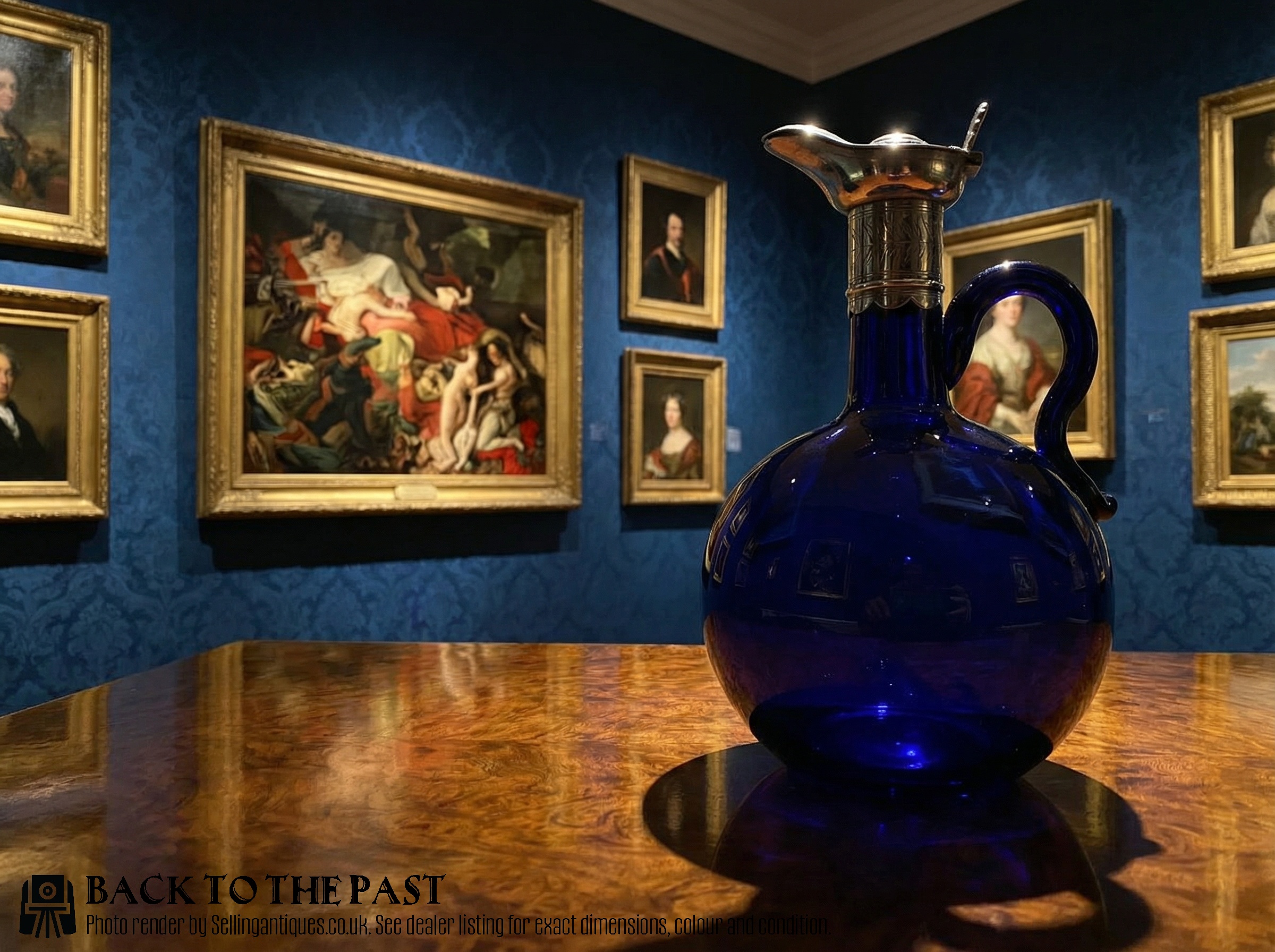
Victorian Cobalt Blue Glass
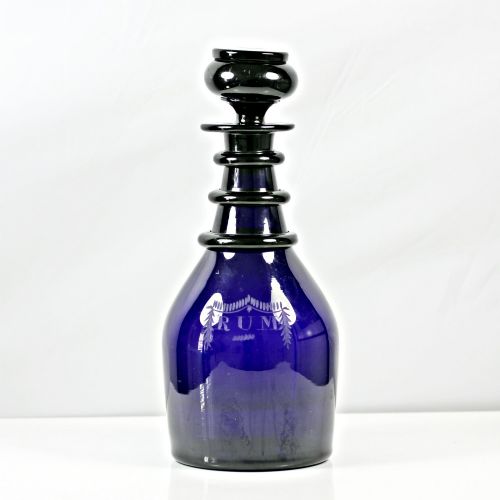
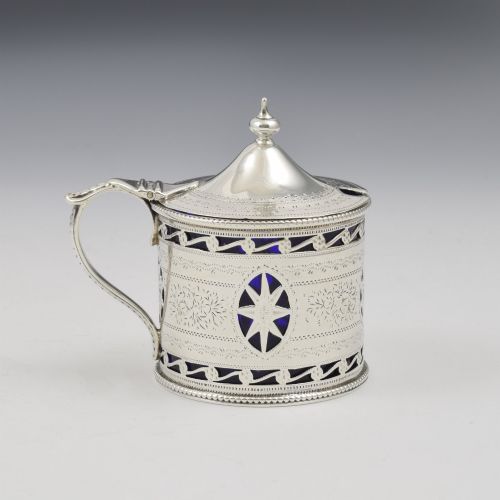
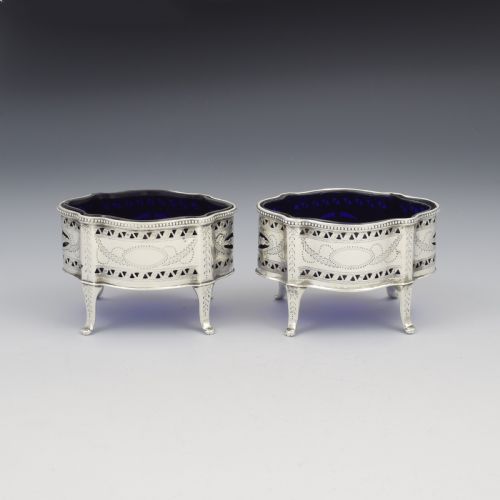
Victorian cobalt blue glass encompasses a wide variety of functional and decorative items produced during the nineteenth century, including decanters, scent bottles, vases, mustard pots and salt cellars. When searching for victorian cobalt blue glass, you encounter English tablewares like ring neck rum decanters alongside continental work from Bohemia, France and Venice.
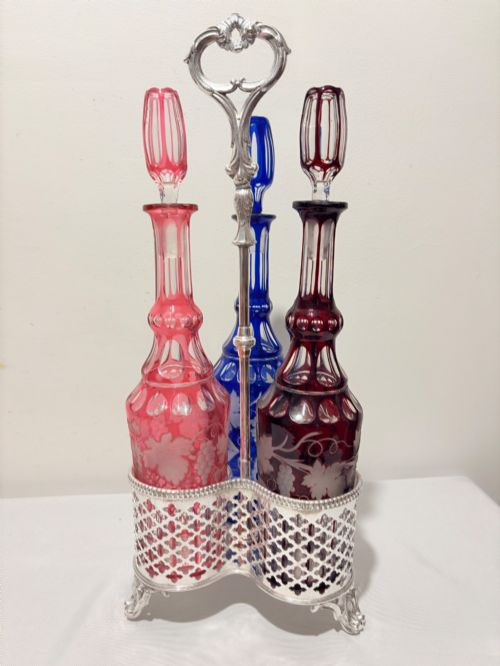
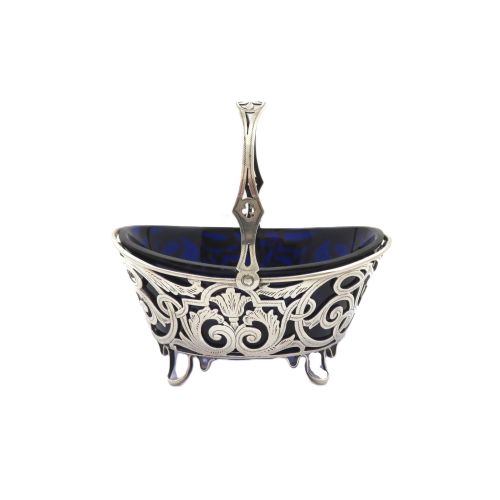
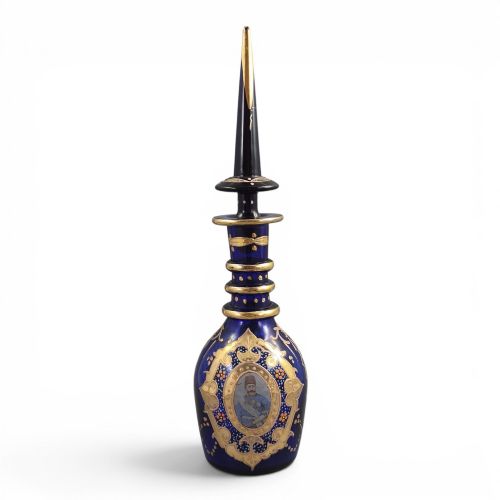
Makers and manufacturers utilised this deep metallic colour for utilitarian vessels such as chemist bottles and apothecary jars, as well as luxury display pieces mounted in sterling silver, ormolu and silver plate. The selection spans distinct regional aesthetics, from the heavy cut crystal of English production to the enamelled and gilded surfaces typical of Bohemian export pieces made for the Persian Qajar market.
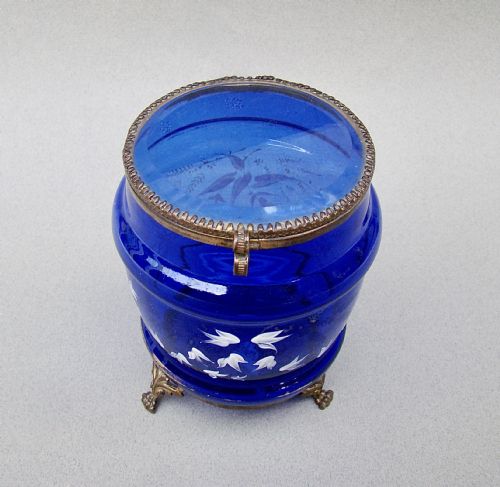
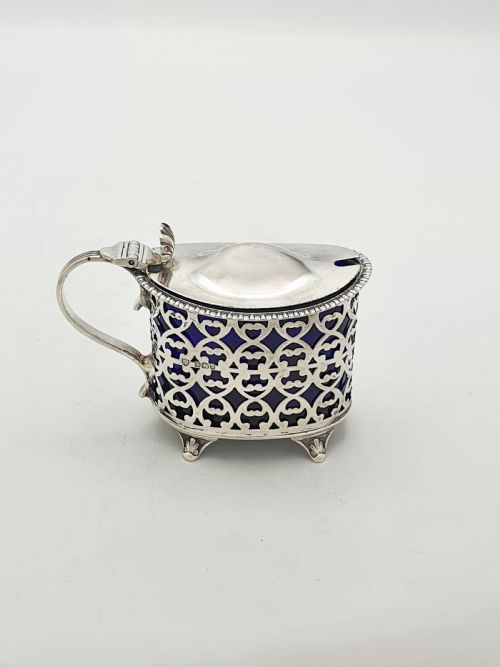
Domestic interiors of the period integrated these rich blues into daily life through rolling pins, sugar baskets, table lamps and dressing table jars. Many surviving examples retain their original components, such as sterling silver mustard pot liners, glass stoppers and hinged metal mountings.
Materials and production methods
The characteristic deep blue tone derives from cobalt oxide added to the molten batch during glassblowing, yielding vessels that were either hand-blown freeform or shaped in moulds. Workshops frequently applied complex decorative techniques to the cooled surface, including wheel-cutting, gold leaf gilding, hand-painting and enamel work.
Nailsea glass rolling pins brought colourful maritime superstition into nineteenth-century kitchens, serving as decorative tokens tossed into the sea to ensure a sailor's safe return.
Evaluating the standard of pieces
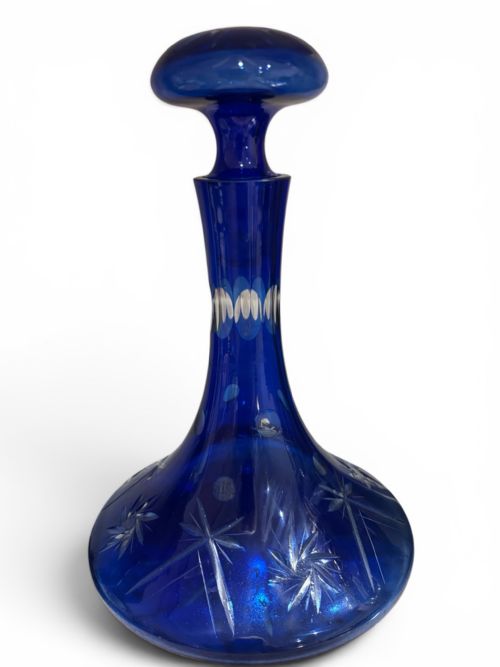
Quality across nineteenth-century production depends heavily on the precision of hand-finishing, the depth of colour saturation and the complexity of any decorative overlays or facet cutting. Pieces featuring detailed hand-enamelling, delicate silver piercing or crisply executed cut-to-clear patterns sit firmly at the upper end of the range.
The integration between the glass body and any accompanying metal mounts, such as cast floral silver handles or hinged chatelaine caps, indicates the original tier of manufacture. Heavier, more substantial metalwork and well-fitted original stoppers or liners distinguish superior items from more utilitarian factory wares.
Nathan And Hayes·Franchini And Bigaglia·Moser
The Victorian Cobalt Blue Glass Glossary
- Bristol Blue
- A deep cobalt glass traditionally associated with the West Country of England, though often used broadly to describe 19th-century blue tableware. It appears frequently on decanters, rolling pins and serving bottles.
- Overlay
- A technique where glass of one colour is cased over another layer, such as clear crystal beneath cobalt blue. Craftsmen then cut through the outer layer to create contrasting patterns.
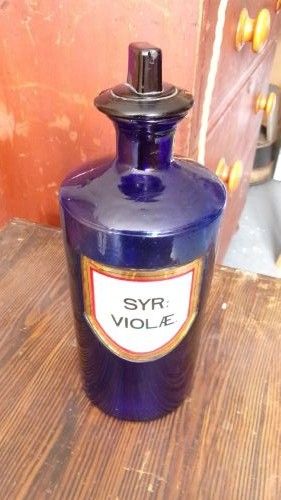
- Apothecary Bottle
- A utilitarian storage container used by chemists and druggists, often produced in dark glass to protect contents from light. Examples from this era frequently feature white enamel labels.
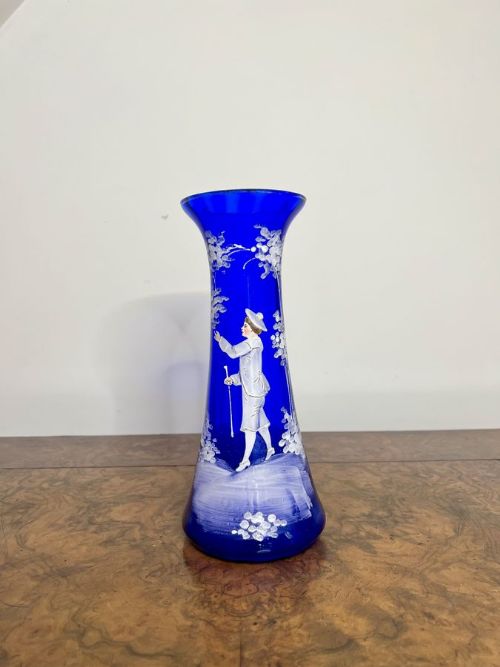
- Mary Gregory
- A style of decorative glass painting depicting white or tinted silhouette figures, often children in pastoral settings. This ornamentation appears on various blue glass vases and decanters.
- Mell Decanter
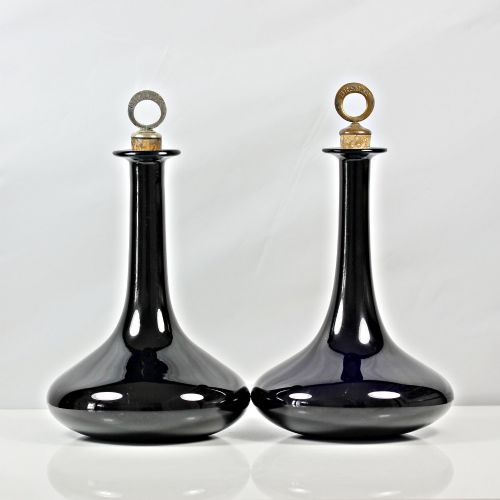
- A specific nineteenth-century bottle shape characterised by a rounded body tapering toward the neck. They were commonly produced in dark blue glass for serving spirits.
Victorian Cobalt Blue Glass: Frequently Asked Questions
What is Bristol blue glass?
Bristol blue glass is a distinct type of deep cobalt-tinted glassware historically produced in English manufacturing centres. The intense colour comes from the inclusion of cobalt oxide in the glass batch.
This material was utilised for a broad range of domestic and commercial items, including table decanters, finger bowls and apothecary bottles throughout the nineteenth century.
Were these pieces used daily?
Many of these cobalt blue items served practical functions in nineteenth-century homes, from holding mustard and salt at the dining table to storing dry goods in chemists' shops. Decanters held rum and other spirits, while scent bottles accompanied ladies on their travels.
Over time, the durable nature of thick glass allowed these functional items to survive as decorative display objects in modern collections.
How should I clean antique glass?
Antique glass requires gentle handling, particularly pieces featuring delicate hand-gilding, enamel work or fitted metal mounts like silver rims and chatelaine caps. Lukewarm water and mild soap are generally sufficient for removing dust without damaging the surface.
Submerging items with metal components or paper labels should be avoided to prevent corrosion or detachment of the historic elements.