




Victorian Coastal Landscape
When you search for a victorian coastal landscape, you encounter nineteenth-century paintings that capture shores, harbours, and fishing boats with enduring atmosphere.
Victorian Coastal Landscape
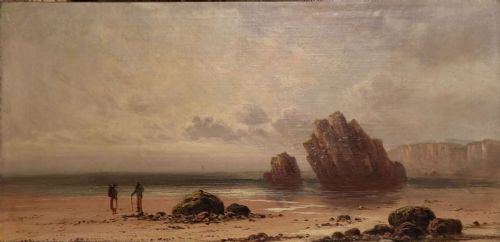
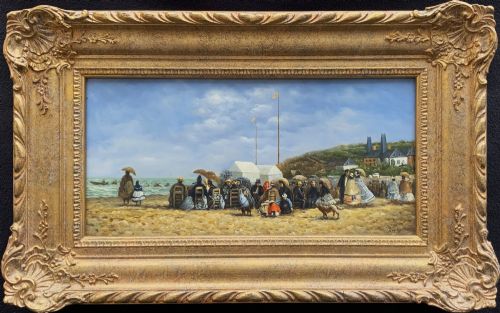
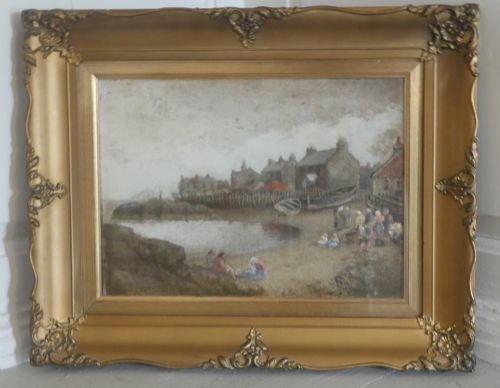
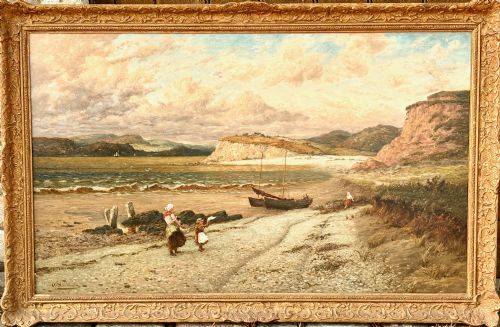
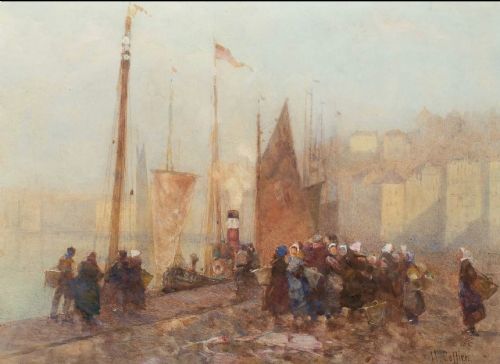
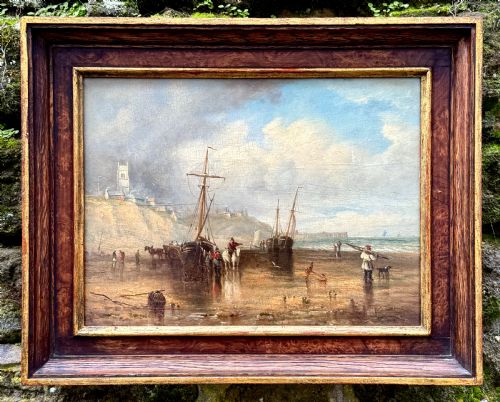
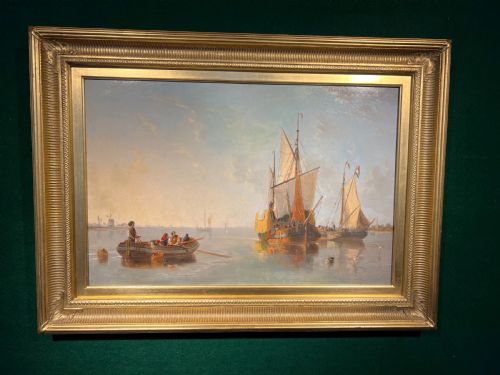
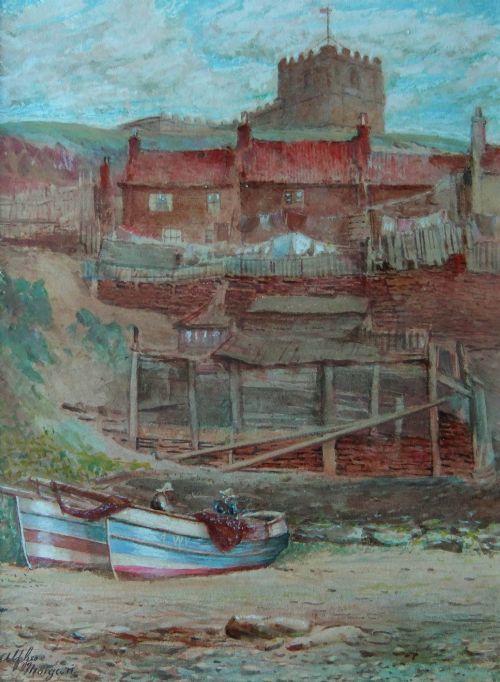
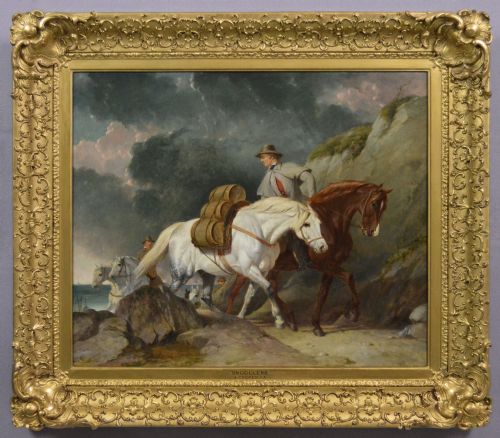
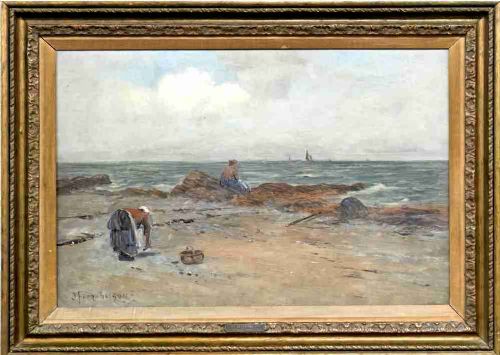
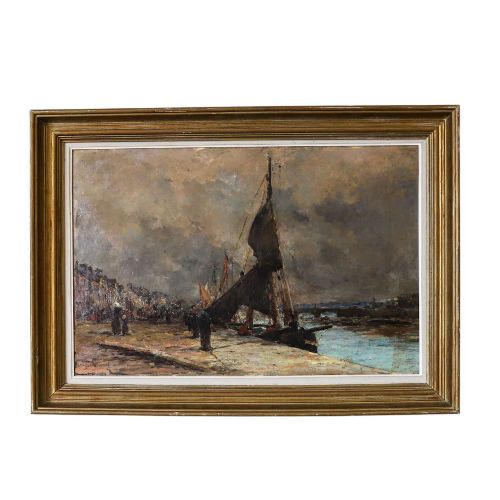
A victorian coastal landscape depicts marine and shore views from the nineteenth century, ranging from bustling Cornish harbours to quiet Dorset bays. You will frequently find original watercolours and oil paintings on canvas or board created during this prolific period of maritime art.
The subjects focus on daily coastal life, featuring fishing vessels, shipping, and figures on beaches or cliffs. These works reflect a distinct nineteenth-century fascination with the sea, combining topographical accuracy with atmospheric weather effects.
Materials and Techniques
Artists of the period utilised oil paint on canvas or board, alongside watercolour pigment applied to paper. Canvas works often survive housed in their original gilt wood frames, which complement the tonal depth of the oils.
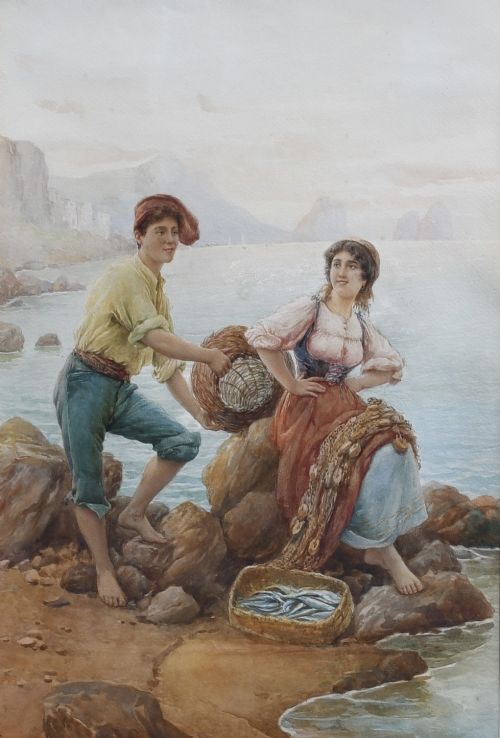
Watercolour painters employed delicate washes to capture shifting light on coastal waters, while oil painters built heavier textures to render crashing waves and dramatic skies.
Object types span fine art paintings, oil paintings, and watercolours.
Judging Quality
Quality rests upon the artist's ability to handle atmospheric light and perspective, distinguishing skilled observation from formulaic studio work. Stronger pieces demonstrate confident brushwork and accurate topographical detail rather than generic composition.
The condition of the pigment and the integrity of the original support, whether canvas or paper, influence the visual impact. Surviving period frames in good condition also contribute to the overall integrity of the piece.
James Orrock·William Banks Fortescue·John Wilson Carmichael·Thomas Bush Hardy·Gustave De Bréanski
The Victorian Coastal Landscape Glossary
- Seascape
- A work of art depicting the sea, coastlines, and maritime activities. These subjects gained immense popularity during the Victorian era.
- Gilt Wood
- Wood treated with gold leaf or gold-coloured paint, frequently used for nineteenth-century picture frames. It adds a warm metallic border to oil paintings.
- Watercolour Pigment
- Colouring matter mixed with a water-soluble binder, used on paper to create luminous coastal scenes. It relies on the white of the paper to provide brightness.
- Provenance
- The documented history of a piece of art, confirming its origin and previous ownership. It helps verify the authenticity of nineteenth-century works.
Victorian Coastal Landscape: Frequently Asked Questions
What subjects appear most often?
The works typically show British and European harbours, fishing boats returning with the catch, and dramatic cliffs. Scenes often feature specific locations such as Cornish fishing villages or Yorkshire coastal towns.
Artists frequently documented working maritime life, capturing figures on the shore alongside sailing vessels navigating coastal waters.
How do I display an antique painting?
Keep the artwork away from direct sunlight and severe dampness to protect the canvas, paper, and pigments. Maintaining stable room temperatures prevents the wood and canvas from warping.
Ensure the piece hangs securely using appropriate fixings, particularly for heavier oil paintings housed in substantial gilt frames.
How can I tell watercolours and oils apart?
Watercolour paintings are executed on paper, usually displayed behind glass to protect the delicate pigment from moisture and dust. They rely on transparent washes and the reflective quality of the underlying paper.
Oil paintings utilise thicker paint applied to canvas or board, possessing a textured surface that does not require glass for daily protection.
Are original frames important?
Period frames contribute significantly to the historical context and visual presentation of nineteenth-century art. Original gilt wood frames designed specifically for the canvas enhance the authenticity of the piece.
While some paintings have been reframed over time, collectors often value the combination of a well-preserved period frame and artwork.