


Victorian Claw Foot Stand
A victorian claw foot stand brings substantial period presence to a room, functioning primarily as a sturdy support for lamps, plants or displays.
Victorian Claw Foot Stand
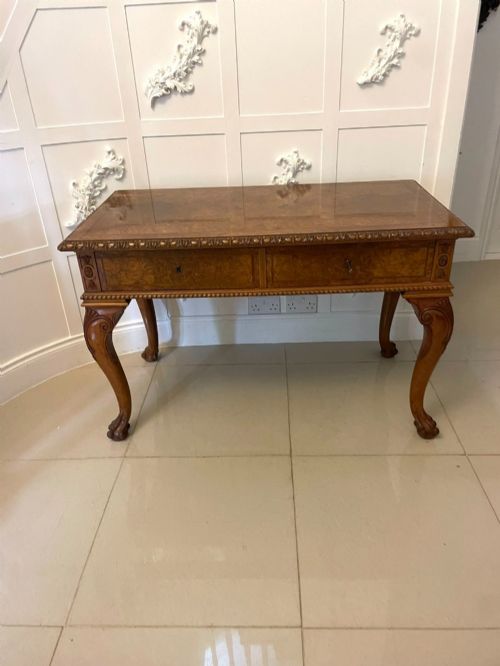
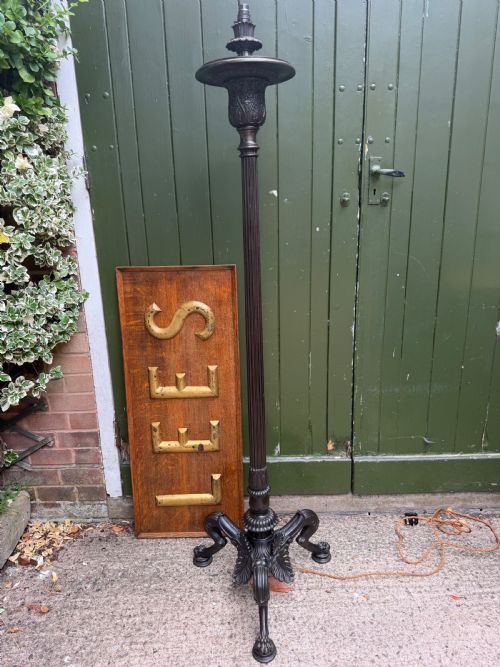
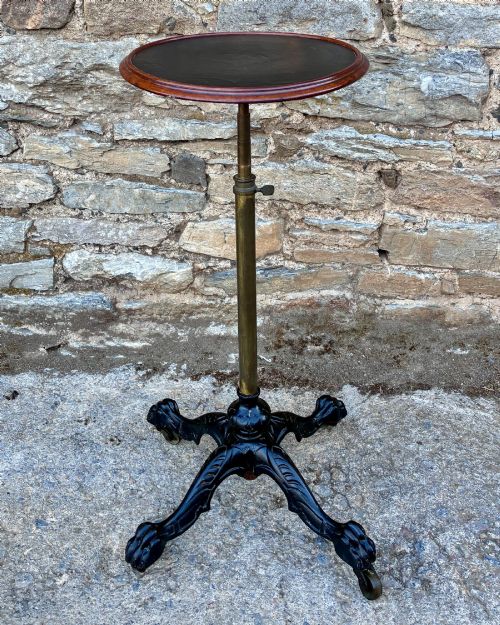
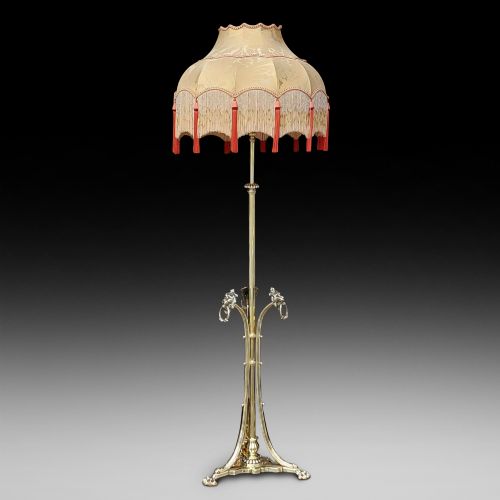
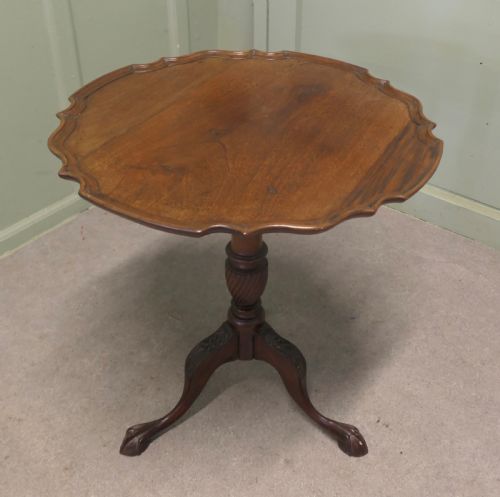
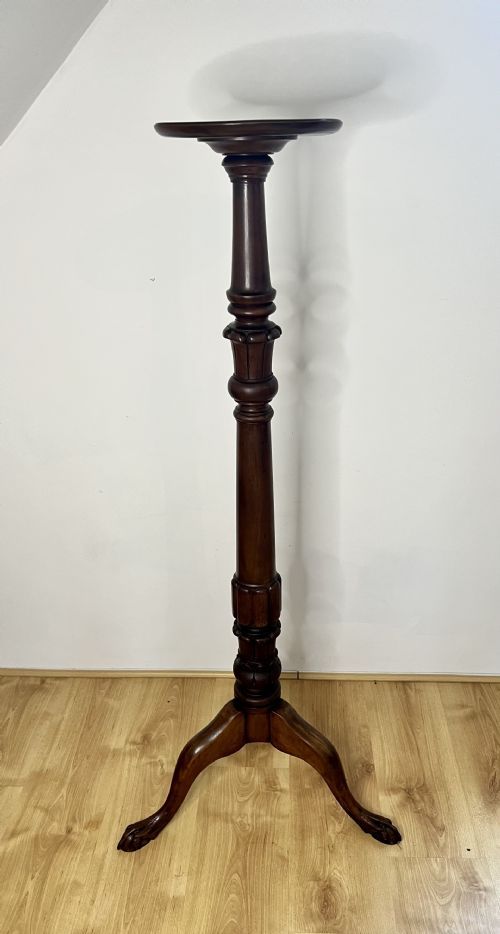
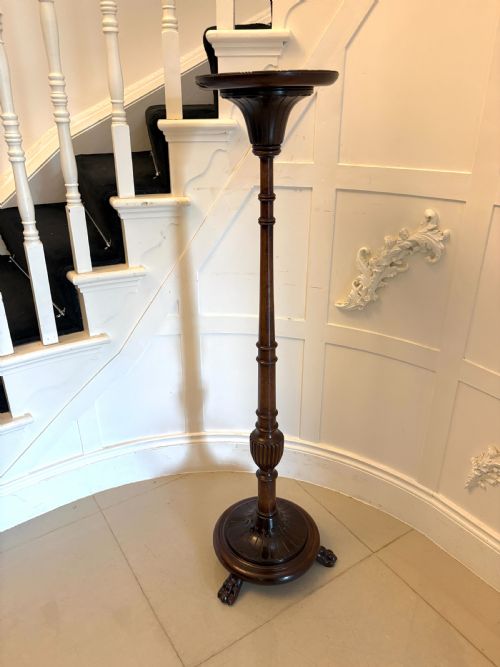
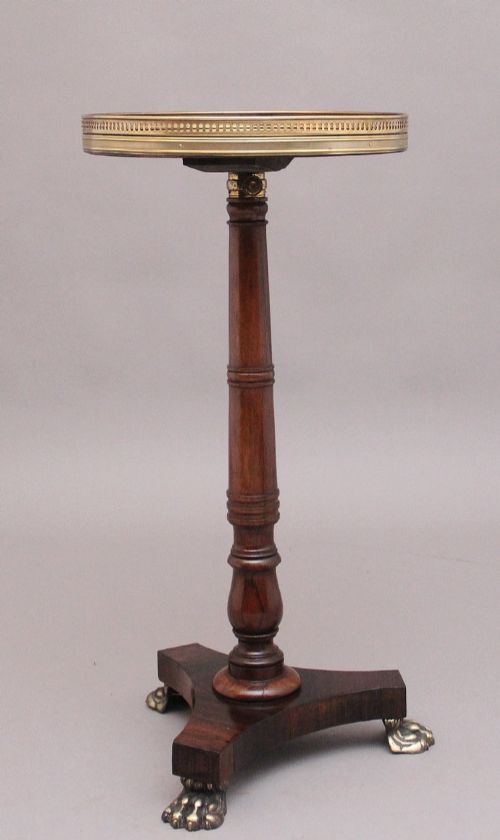
Buyers searching for a victorian claw foot stand encounter a diverse selection of nineteenth-century furnishings designed to elevate objects within a domestic interior. The inventory includes carved mahogany torchere plant stands, adjustable display tables, and heavy brass standard lamps rooted on tripod or multi-footed bases.
While the literal search points toward claw feet, the available pieces span various vertical forms from the Victorian era alongside related occasional tables and pedestals. Mahogany and brass dominate the physical evidence, often displaying stylistic influences ranging from Victorian Neoclassical to Arts and Crafts and French Empire.
Most pieces date from the mid to late nineteenth century, reflecting the Victorian penchant for functional domestic display furniture. These items range from simple tripod plant supports to elaborate standard oil lamps and revolving magazine stands.
Materials and construction methods
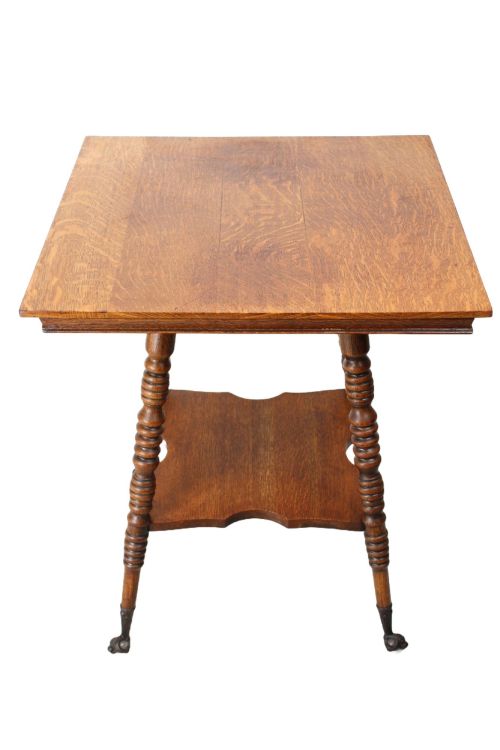
Makers utilised solid mahogany, rosewood, and oak for wooden pedestals and tables, frequently incorporating detailed hand-carved elements on columns and bases. Timber components were turned on lathes to create slender display columns and robust support legs.
Metalwork forms a significant portion of the evidence, utilising cast iron, brass, copper, and bronze. Standard lamps and candlesticks often feature heavy cast metal bases paired with adjustable telescopic mechanisms or classical column designs.
Listings feature items from the 19th Century, Victorian era, and 1900, constructed from mahogany, brass, copper, and bronze.
Distinctions in craftsmanship and materials
Quality reveals itself in the weight and stability of the base, particularly in metal standard lamps and heavy mahogany torchere columns. Superior examples demonstrate precise joinery, crisp surface carving, and robust mechanical adjustments for height or rotation.
Materials also dictate the tier of an object, with heavy cast bronze, finely figured mahogany, and ormolu mounts sitting at the higher end of the nineteenth-century production spectrum. Simpler turned softwood or basic plated items represent more utilitarian domestic manufacturing.
Howard and Sons·Harrods·Messenger
The Victorian Claw Foot Stand Glossary
- Torchere
- A tall ornamental stand designed to support a candelabrum, lamp, or plant. These slender pedestals are frequently carved from mahogany.
- Tripod base
- A three-legged support structure commonly found beneath nineteenth-century plant stands, occasional tables, and standard lamps to ensure stability.
- Telescopic
- An adjustable mechanism allowing standard lamps or occasional tables to extend in height. This feature relies on internal sliding brass or metal rods secured by a thumbscrew.
- Ormolu
- Gilt bronze ornamentation applied to nineteenth-century decorative pieces, particularly French Empire and Neoclassical works. It provides a rich, gold-coloured metallic finish.
Victorian Claw Foot Stand: Frequently Asked Questions
How do I date a Victorian stand?
Dating relies on observing timber species, casting techniques, and stylistic markers such as Neoclassical or Arts and Crafts details. Nineteenth-century pieces typically exhibit hand-turned elements and traditional joinery methods distinct from later reproductions.
Examining the wear patterns on the base and the oxidation of brass or bronze components also helps establish the age of the piece.
Where were these stands placed?
These pieces generally occupied corners or central spaces in Victorian drawing rooms and halls to display decorative objects, lamps, or plants. Tall torcheres and standard lamps provided ambient lighting and elevated focal points.
Smaller adjustable tables and magazine racks stood beside seating areas for everyday domestic convenience.
Are brass standard lamps safe to use?
Many antique standard lamps have been modernised with updated wiring to meet current safety standards while retaining their original brass and copper columns. Buyers should inspect the internal cord pathway and consult a professional electrician before connecting them to power.
The structural stability of the heavy metal base ensures the lamp remains upright during daily use.
What maintenance do mahogany stands require?
Mahogany stands benefit from occasional applications of appropriate furniture wax to nourish the timber and maintain a soft sheen. Avoiding direct sunlight and sustained moisture prevents the wood from warping or drying out.
Metal components like brass and bronze require only gentle dusting to preserve their patinated surfaces.