


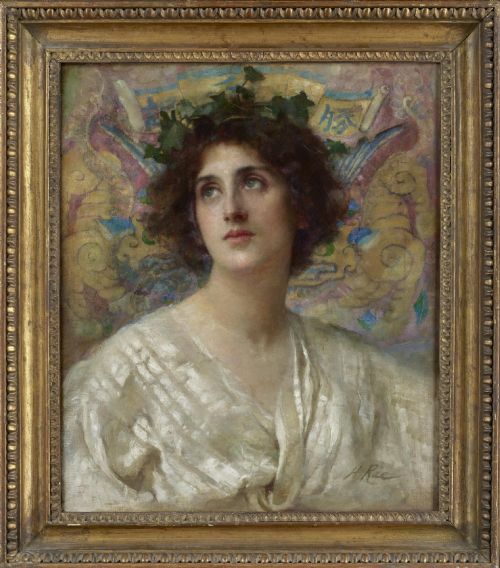
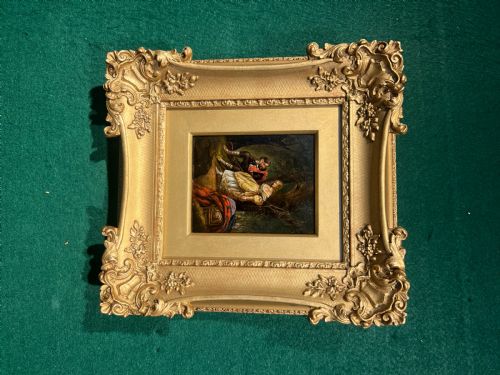
Victorian Classical Painting
These pieces of victorian classical painting bring academic discipline and romantic myth to canvas, offering a glimpse into nineteenth-century idealism.
Victorian Classical Painting
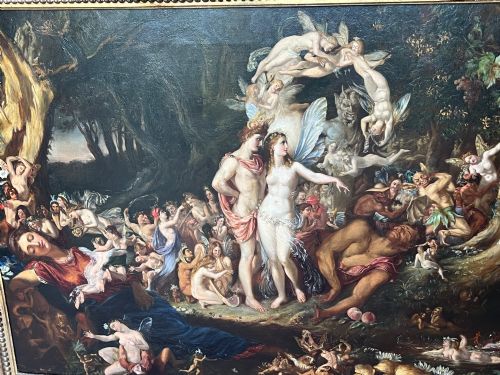
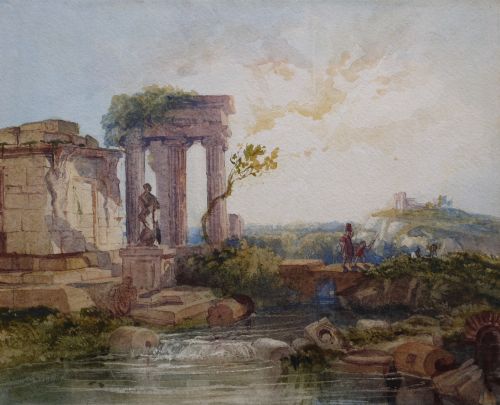
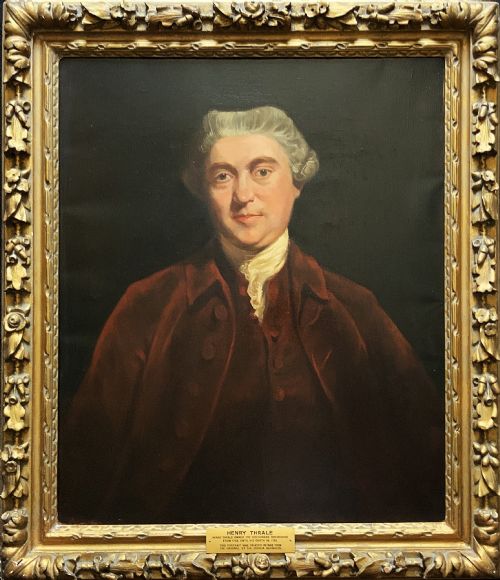
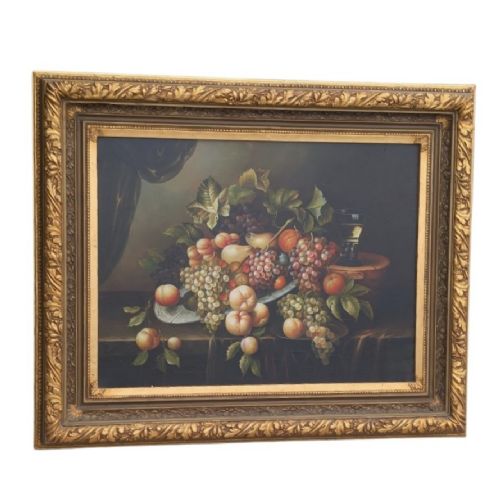
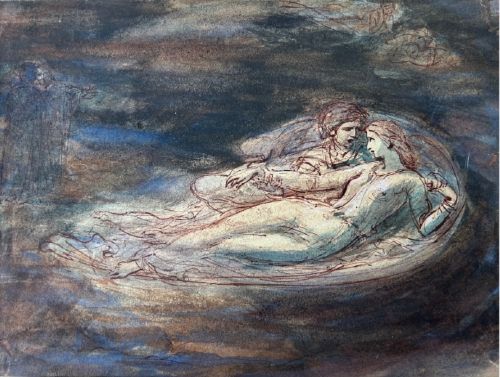
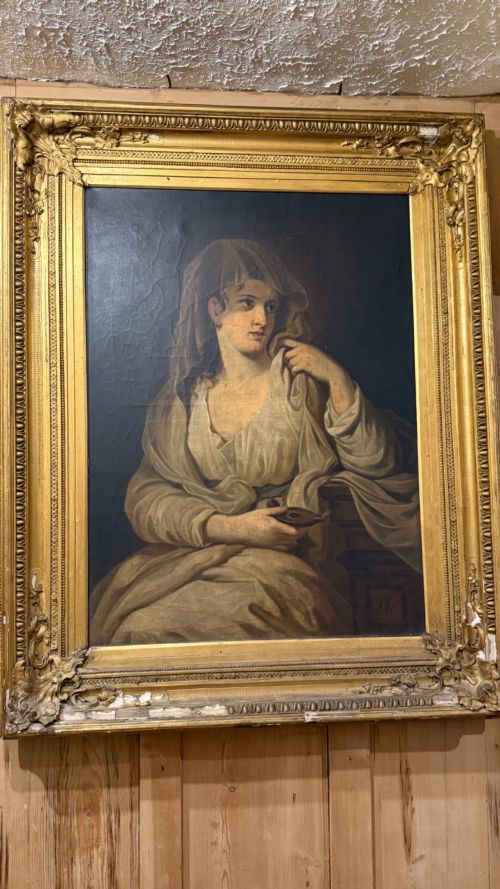
A victorian classical painting draws on academic subjects, portraying mythological scenes, historical narratives, and posed portraits influenced by nineteenth-century traditions. Collectors encounter works executed in oil on canvas or watercolour, alongside related media such as gouache and ink sketches.
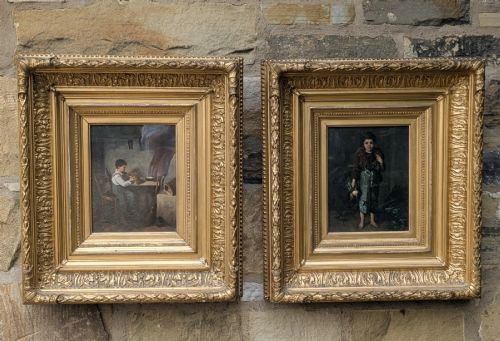
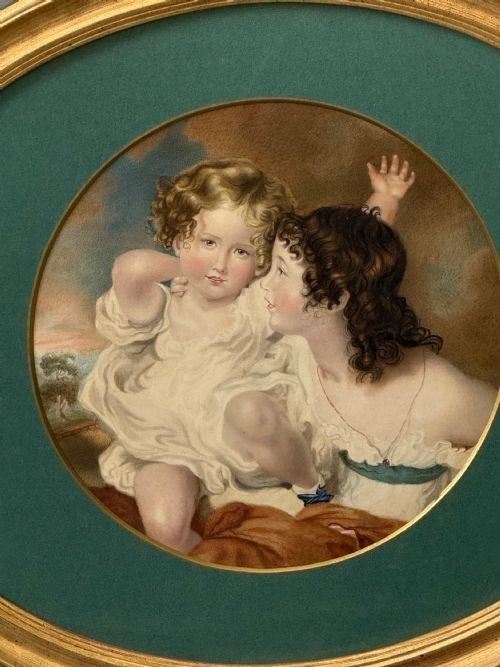
The selection ranges from detailed portraits of children and gentlemen to romantic depictions of mythological figures like Venus and Cupid, often framed in period giltwood. Pieces frequently date from the mid-nineteenth century through to the late Victorian era, reflecting the academic tastes of the period.
Alongside traditional canvases, buyers find works on panel, zinc, and paper, capturing the breadth of nineteenth-century artistic output. These works connect the buyer directly to the academic rigorousness and narrative depth prized by Victorian patrons.
Materials and technique
Artists built these works primarily using oil paint applied to stretched canvas or wooden panels, allowing for smooth blending and rich depth of colour. Watercolours and gouache on paper also appear, employing fine washes and precise line work to achieve detailed figurative compositions.
Frames play a significant role in the presentation of these works, constructed from wood with gesso and gilt finishes to complement the academic subject matter. The physical support often determines the preservation of the pigment, with oil on canvas remaining the most durable medium.
Among the classical scenes and sombre portraits, a cheerful chestnut horse enjoys a quiet moment by a river landscape.
Assessing quality
The standard of execution in figure drawing and the subtlety of the colour palette dictate the distinction between ordinary and superior works. An accomplished piece demonstrates confident handling of light, shadow, and anatomical proportion, whereas lesser examples reveal stiffness in composition.
The integrity of the original surface, the condition of the pigment, and the presence of a period giltwood frame contribute substantially to the overall standing of the work. Attribution to a recorded artist or school further elevates the historical interest of the painting.
Richard Principal Leitch·Sir Joshua Reynolds·Sir Thomas Lawrence·Henrietta Rae·Herbert Gustave Schmaltz·Greiffenhagen·Renato Moretti·Delapoer Downing·Theodore Jensen·John A Monteith·John Ferneley Senior·André Charles Voillemot·Charles Bellay·John Watkins Chapman·William Etty
The Victorian Classical Painting Glossary
- Oil on Canvas
- Pigment mixed with drying oil applied to a woven fabric stretched across a wooden frame. This method became the primary medium for durable, detailed academic painting in the nineteenth century.
- Gouache
- An opaque water-based paint consisting of pigment, water, and a binding agent such as gum arabic. It allows artists to achieve flat areas of vibrant colour and precise illustrative detail.
- Giltwood
- Wood carved and coated with gold leaf or a gold-coloured metallic finish. It was frequently used for framing Victorian artworks to enhance their visual grandeur.
- Academic Style
- A style of painting produced under the influence of European academies of art. It prioritises classical themes, historical subjects, and strict adherence to traditional techniques of proportion and finish.
- Watercolour
- A painting method in which the paints are made of pigments suspended in a water-based solution. It is typically applied to paper to create translucent washes of colour.
Victorian Classical Painting: Frequently Asked Questions
What subjects do these paintings show?
These artworks depict mythological narratives, historical scenes, and formal portraits that reflect nineteenth-century academic interests. Common themes include classical figures, romantic couples, and individual studies.
The compositions often draw inspiration from classical literature and traditional European art history. Artists used these structured subjects to demonstrate technical proficiency and narrative depth.
How should I frame an unframed canvas?
Select a frame that matches the period of the artwork, typically a Victorian giltwood or moulded wooden frame. Ensure the rebate depth accommodates the stretcher without putting pressure on the canvas.
Consult a professional restorer to secure the painting safely within the moulding. Proper framing protects the edges of the canvas from environmental damage and abrasion.
Where were these artists trained?
Many painters of this era trained at official art academies in London or continental Europe. These institutions emphasised rigorous drawing from plaster casts and life models.
This formal education resulted in a shared visual language across British and European schools. The resulting works prioritise correct anatomy, balanced composition, and polished finishes.
How do I care for nineteenth-century oil paintings?
Keep the canvas away from direct sunlight and fluctuating humidity levels to prevent the paint from cracking. Dust the surface gently with a soft, dry brush without applying pressure.
Avoid using liquid cleaners or chemical solvents on the paint layer. Professional conservation is recommended for any cleaning or canvas tension adjustments.