
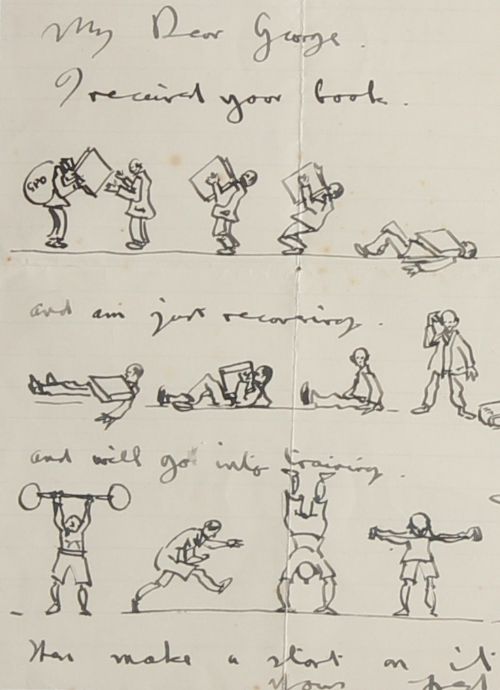
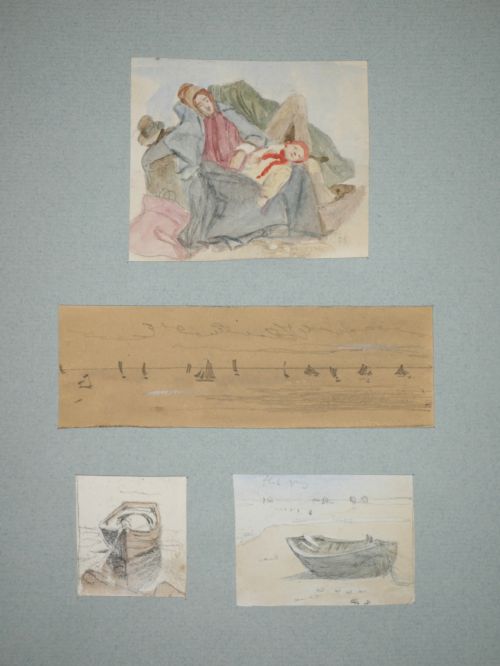
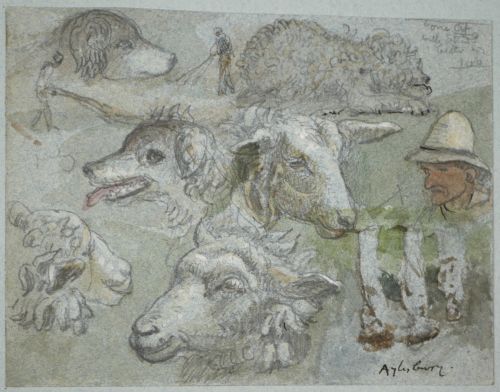
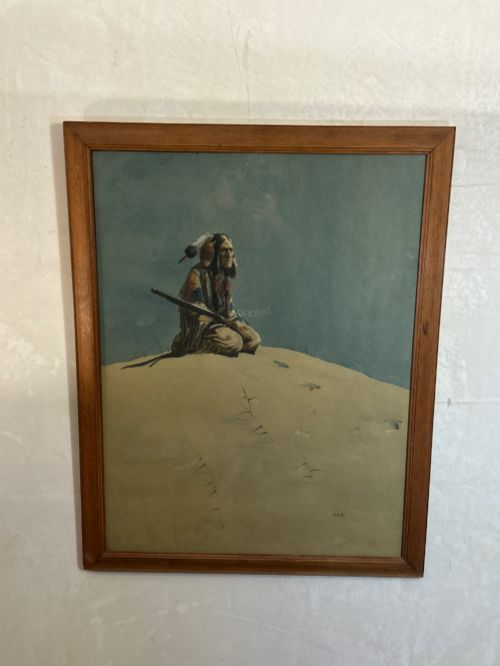

Antique Watercolour Sketch
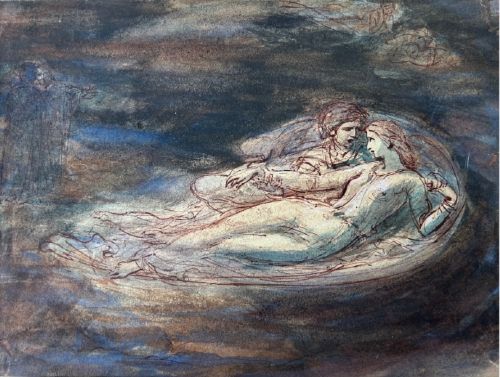
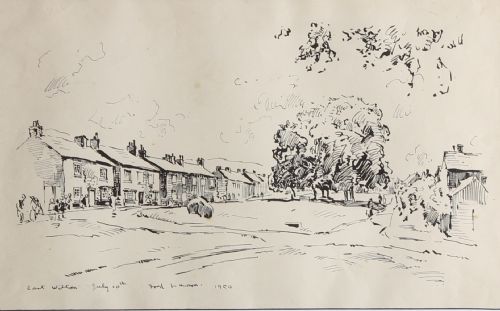
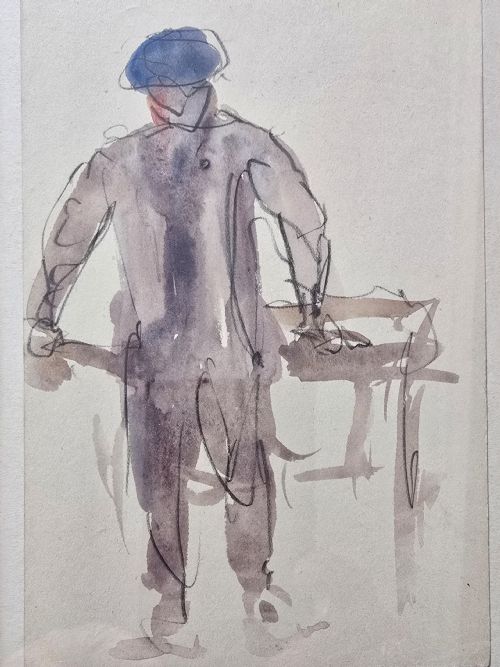
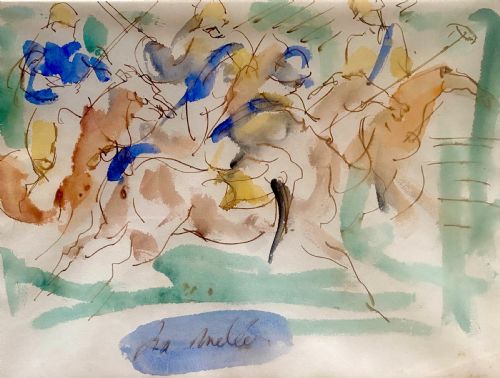
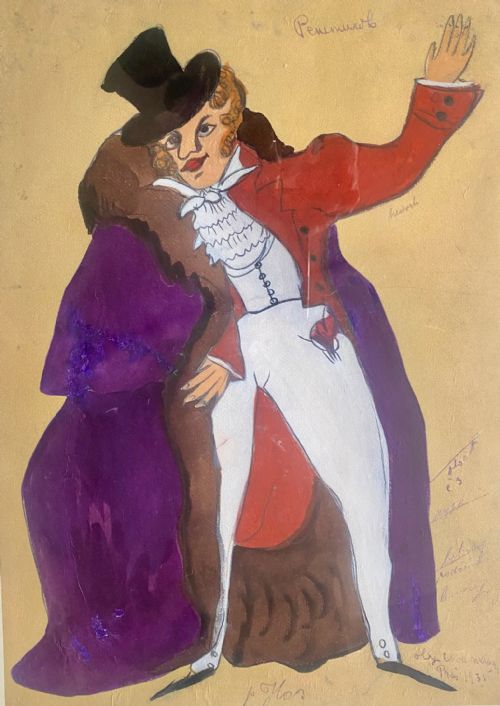
These delicate works on paper range from rapid observational notes to finished compositions.
Antique Watercolour Sketch
An antique watercolour sketch offers an intimate window into past creative processes, capturing spontaneous moments through fluid pigment and delicate lines. Buyers seek these original works for their immediacy and the personal touch of the artist's hand.
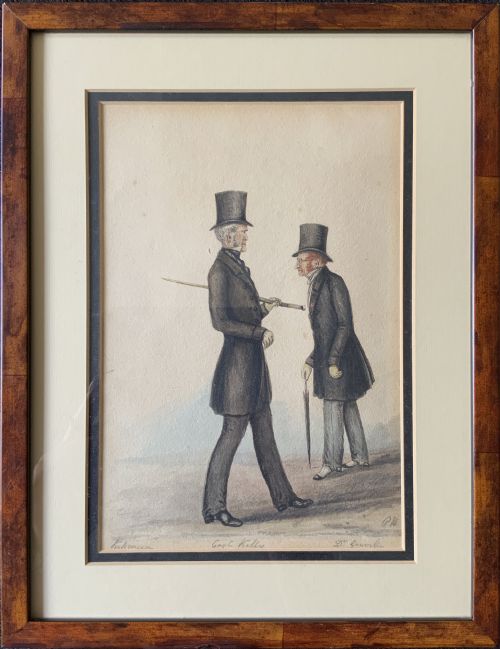
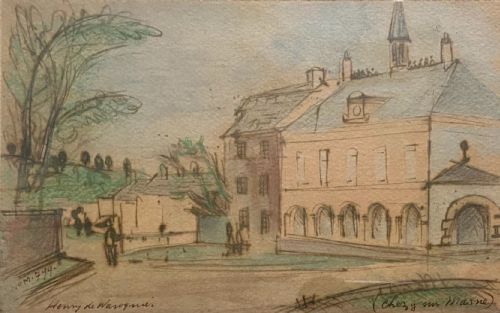
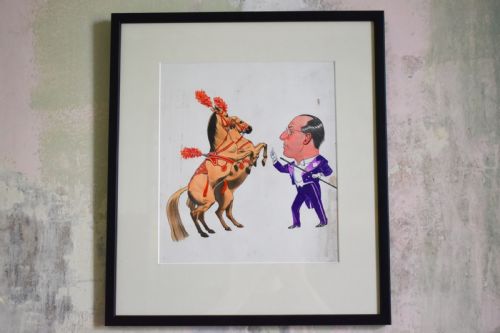
The selections span the Georgian, Regency, Victorian, and Edwardian eras, extending into early twentieth-century modernism. Subjects encompass British and continental landscapes, maritime scenes, townscapes, architectural studies, and expressive character portraits.
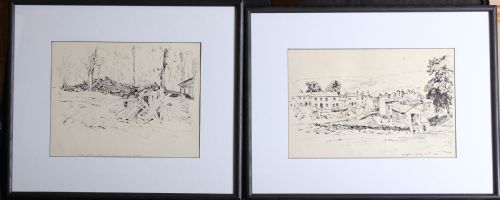
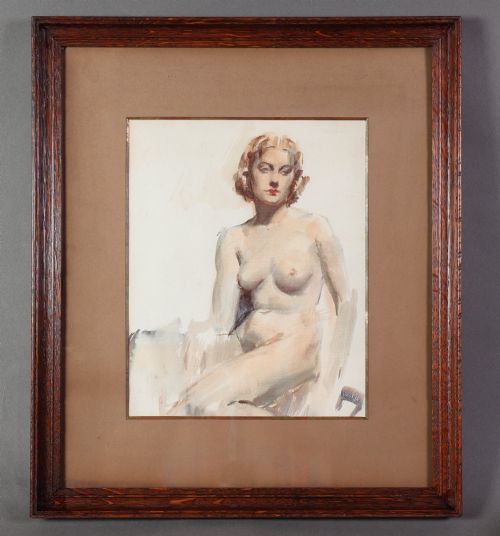
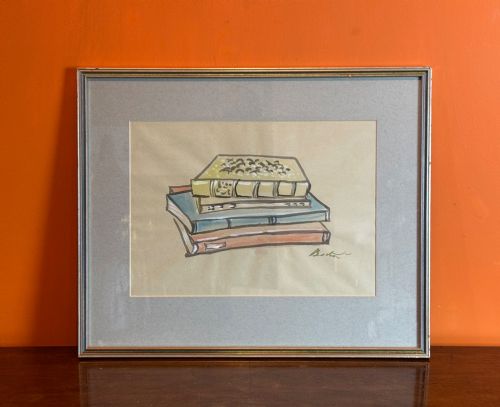
Most pieces appear mounted and framed behind glass, often retaining historic wooden or gilt frames that complement the paper support. These works function equally well as standalone wall art or as additions to portfolio collections of historical drawings.
How They Were Made
Artists laid down foundational structures using graphite pencil or ink before applying water-soluble pigments onto rag paper. Iron gall or carbon ink provided permanent linear definition, visible beneath transparent watercolour washes.
Gouache occasionally appears alongside watercolour to introduce opaque highlights and body colour, adding depth to skies and fabrics. Monochromatic sketches utilise grisaille or sepia ink washes to build tone and volume with strict economy.
Princess Alice Maud Mary contributed royal watercolours celebrating long life and happiness.
What Varies in Quality
The assurance of the initial drawing line separates master sketches from hesitant student exercises, revealing the confidence of the hand behind the work. Placement on the sheet and economical use of pigment dictate the visual success of a composition.
Conservation state and paper stability significantly influence overall standing among collectors. Stable pigments retain their original vibrancy, whereas acidic backing boards or prolonged light exposure alter the tonal balance of the delicate washes.
Sir Joshua Reynolds·John Hassall·Thomas Rowlandson·Hercules Brabazon Brabazon·Dame Laura Knight·Thomas Bush Hardy
The Antique Watercolour Sketch Glossary
- Watercolour
- A paint consisting of pigment suspended in a water-soluble binder, traditionally applied to paper supports. It allows for luminous, transparent washes that let the reflective quality of the paper shine through.
- Grisaille
- A painting executed entirely in shades of grey, neutral grey, or monochrome, often used to mimic sculpture or serve as an underpainting. Artists frequently employed this technique for rapid topographical recording.
- Gouache
- An opaque watercolour paint made from pigment combined with a binding agent and a white filler material such as chalk. This medium provides solid, non-translucent highlights that contrast with transparent washes.
- Provenance
- The chronological ownership history of a work of art, establishing its authenticity and chain of custody. Documentation often appears on the reverse of the frame or backing board.
- Wash
- A thin, transparent layer of diluted watercolour or ink flooded across the paper to create smooth background tones or skies. Mastering this technique requires precise control over moisture and drying times.
Antique Watercolour Sketch: Frequently Asked Questions
Are these works original or printed reproductions?
Every piece listed is an original unique work on paper, executed by hand using watercolour, ink, or pencil. Close inspection under magnification reveals individual brush hairs and the distinct indentation of pencil lines.
Unlike printed reproductions, original sketches show varied pigment density and texture across the paper surface. The presence of artist corrections further confirms the hand-drawn nature of the work.
How can I tell the period of a sketch?
Clothing styles, hairstyles, and architectural details in the subject matter often provide the clearest chronological clues. Manuscript annotations, artist signatures, and framing materials also help narrow down the date of creation.
Paper characteristics, including watermarks and historic mount boards, offer additional evidence for dating. Comparing handling techniques to known works from specific eras secures attribution.
What is the difference between a sketch and a painting?
Sketches are typically rapid, preparatory observations made on the spot to capture light, movement, or composition. They prioritise spontaneity and economy of line over finished detail.
Paintings are more resolved, finished works intended for exhibition or formal presentation. However, many antique watercolours blur this distinction by combining loose observational sketching with deliberate tonal finish.