

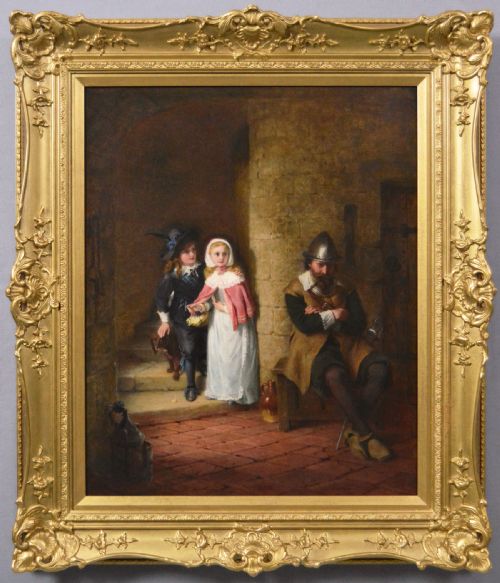


Historical Narrative Art
Historical narrative art captures human stories and dramatic moments across centuries through paint, canvas, and paper.
Historical Narrative Art
Historical narrative art comprises visual depictions of human stories, literary scenes, domestic encounters, and significant past events. These works range from grand biblical or military dramas to intimate genre scenes of daily life in previous centuries.
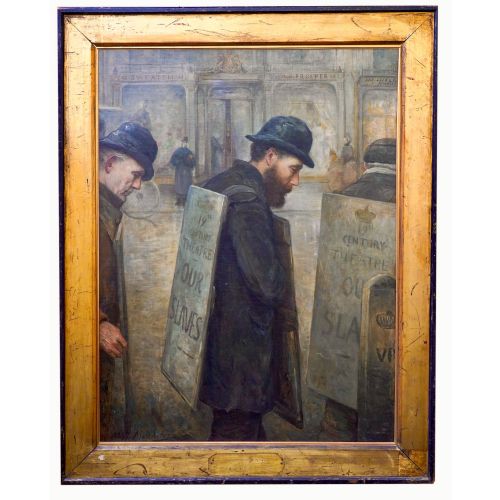
Buyers frequently encounter 19th-century oil paintings and Victorian social realism alongside earlier baroque compositions and pen or wash drawings. These pieces preserve the specific cultural and aesthetic concerns of the periods in which they were created.
The assortment includes framed artworks, original oil on canvas creations, engravings, etchings, and tapestry needlepoints. Each format offers a distinct window into how past artists chose to record action and emotion.
Materials and Techniques
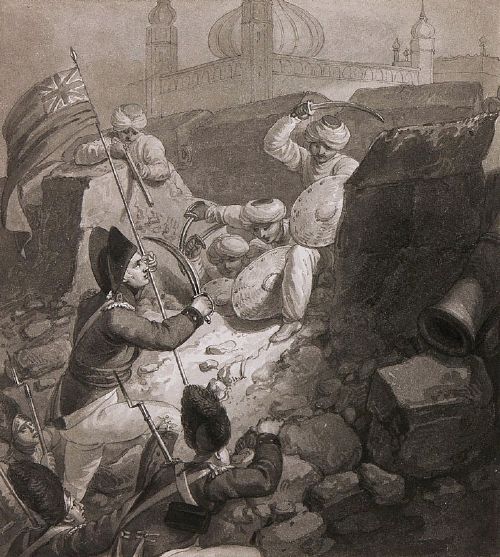
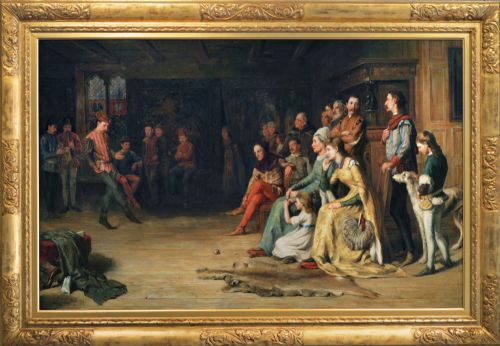
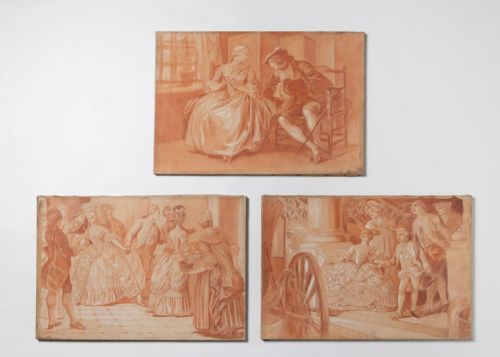
Painters relied principally on oil paint applied to canvas or wood panels, building up layers of pigment to achieve depth and narrative clarity in historical scenes. Draftsmen utilised pen and ink, wash, and watercolour on paper to capture finer linear details.
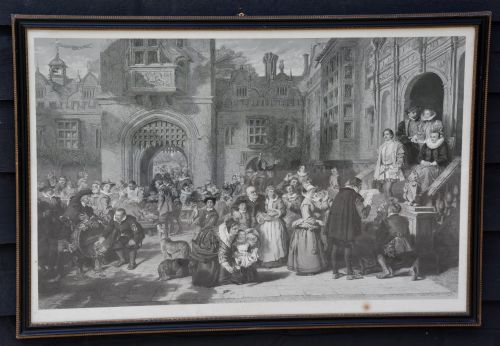
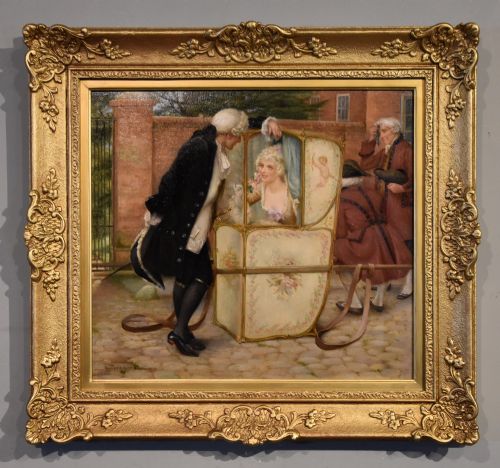
Printmakers employed engraving and etching techniques on paper to disseminate narrative compositions widely beyond unique painted originals. Finished works were often housed in substantial surrounds such as original Hogarth frames or giltwood mouldings.
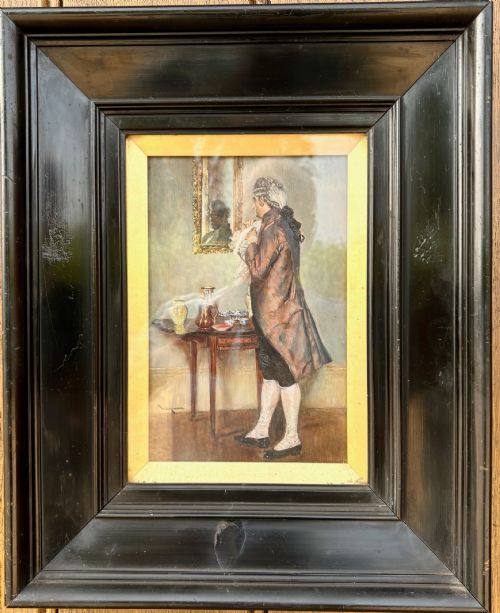
Domestic scenes occasionally capture domestic disputes, such as a gentleman's shaving ritual interrupted by an observant wife.
Qualities and Execution
Excellence in historical narrative art rests upon the artist's command of human anatomy, dynamic composition, and psychological expression within figures. Superior works convey narrative tension and character interaction convincingly without relying on stiff staging.
Material preservation significantly influences quality, distinguishing canvases with stable pigment and minimal intervention from those burdened by heavy restoration. The sensitivity of the framing and the clarity of line work further separate standard decorative pieces from accomplished masterworks.
Felix Stone Moscheles·William Marshall Craig·James Hamilton·George Bernard O'Neill·Robert Alexander Hillingford·Edwin Hughes·Alfred Holst Tourrier·John A. Houston·Pietro D’asaro·Andrea Celesti·Frank Moss Bennett·Rolinda Sharples·Frank Dadd·Christoffel Bisschop·John Boydell·Walter Dendy Sadler·James Bertrand·George Cattermole·Arthur David Mccormick·Jules Girardet·Abraham Cooper·David Wilkie
The Historical Narrative Art Glossary
- Genre painting
- Depictions of everyday life, domestic interiors, and ordinary people engaged in non-heroic activities. These scenes form a substantial portion of narrative art.
- Oil on canvas
- Pigments bound in a drying oil medium applied to a stretched woven fabric support. This combination provides durability and rich colour depth.
- Engraving
- A printmaking process where an artist incisions a design into a hard plate to hold ink. Impressions are then transferred onto paper.
- Baroque
- An artistic style characterised by exaggerated motion, drama, and tension in sculpture and painting. It flourished in Europe from the early 17th century.
- Giltwood
- Wood that has been treated with a thin layer of gold leaf or gold paint. It frequently frames antique paintings and mirrors.
Historical Narrative Art: Frequently Asked Questions
What defines historical narrative art?
These pieces depict specific stories, literary moments, domestic dramas, or historical events rather than simple portraits or landscapes. They focus on human interaction and storytelling.
Artists across different centuries used these visual narratives to communicate moral lessons, political messages, or cultural traditions to contemporary viewers.
How do I distinguish seventeenth-century pieces?
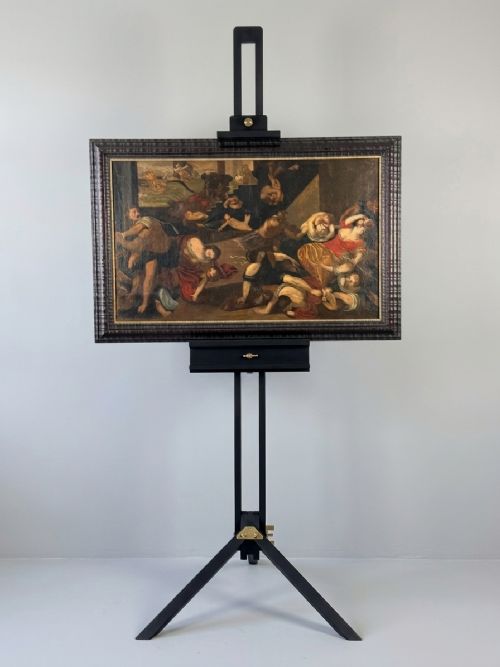
Seventeenth-century works often reflect baroque theatricality, deeper shadows, and grand religious, mythological, or classical subjects. The application of oil paint shows distinct layering typical of that era's studio practices.
Clothing styles, furniture depicted within the scene, and the preparation of the canvas also offer clear clues to the century of creation.
Where were these artworks displayed?
Original oil paintings and large framed engravings hung primarily in the reception rooms and galleries of substantial domestic homes and public institutions. They served as conversation pieces that displayed the owner's cultural literacy.
Smaller drawings and prints were often kept in portfolios or displayed in private studies for closer contemplation by family members and guests.
How should I care for antique canvas paintings?
Keep paintings away from direct sunlight, high humidity, and rapid temperature fluctuations to prevent the canvas from sagging and the oil paint from cracking. Gentle dusting with a soft, dry brush maintains the surface.
Avoid using water or chemical cleaners on the paint surface or frame. Consult a professional conservator if the canvas requires deeper cleaning or structural repair.