
Antique Ink Sketch
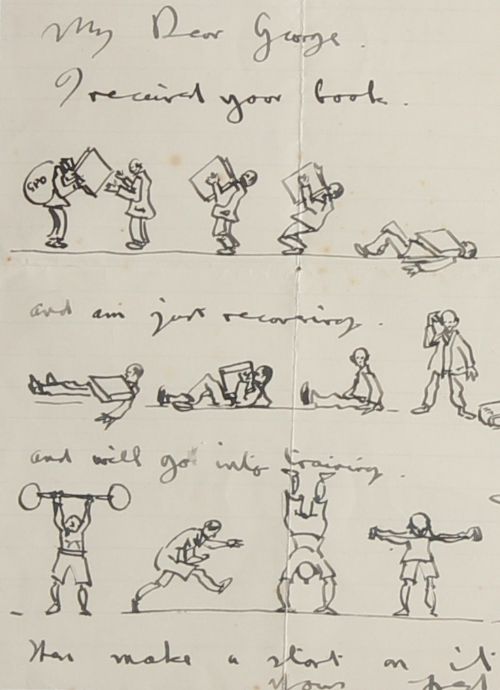
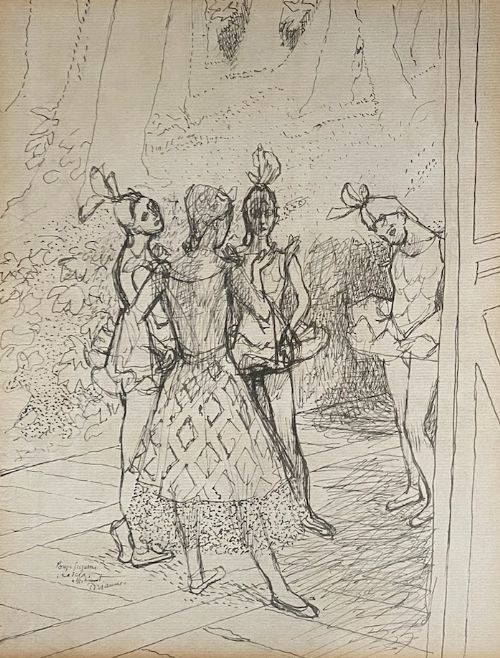
An antique ink sketch brings direct, spontaneous draftsmanship into a room, capturing an artist's immediate observation on paper.
Antique Ink Sketch
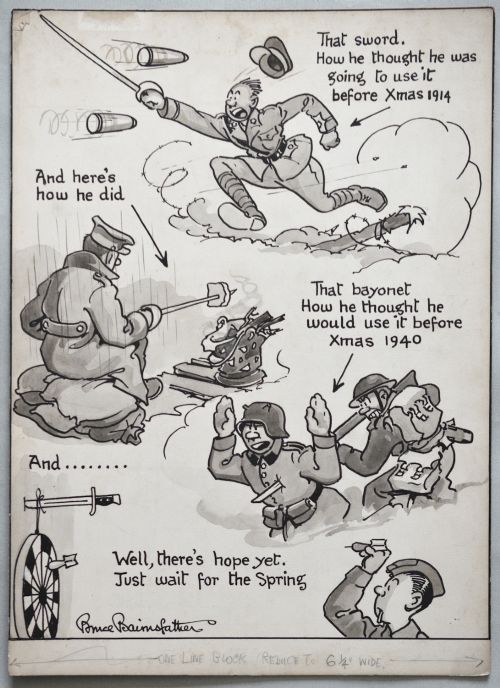
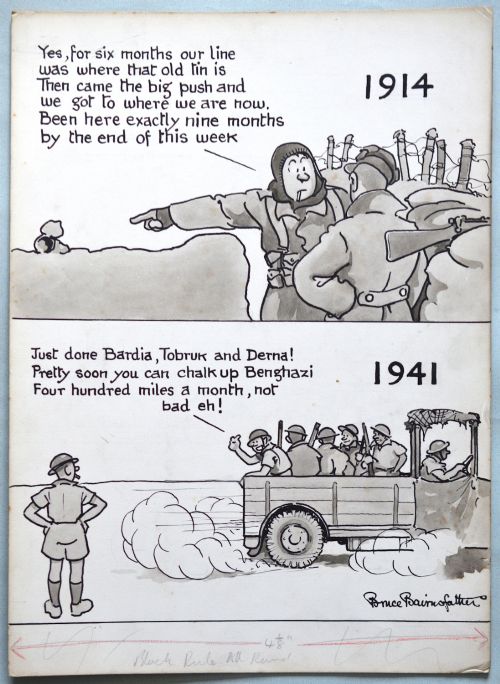
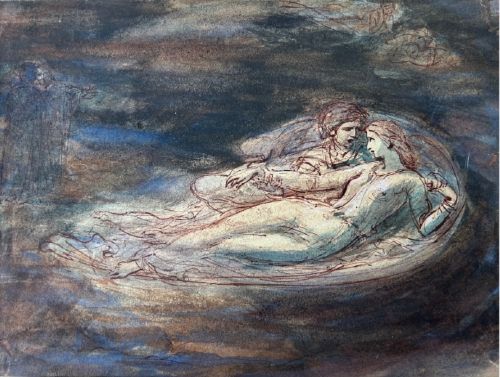
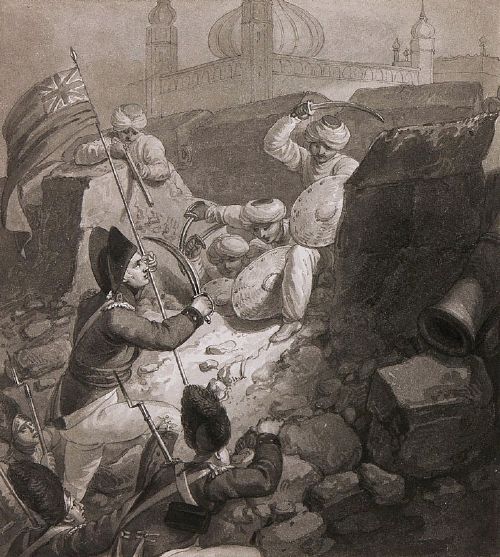
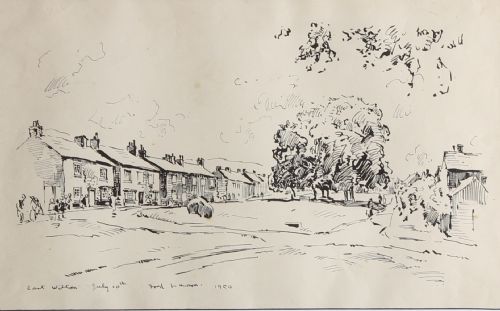
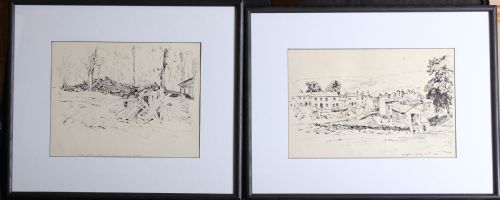
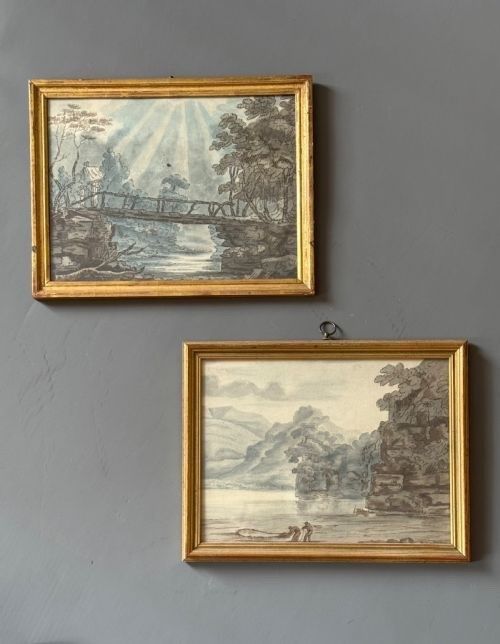
An antique ink sketch represents original graphic work executed primarily in pen and ink, frequently accompanied by wash, watercolour or graphite. These works span from the eighteenth century through the nineteenth century and into the early twentieth century, encompassing varied regional schools.
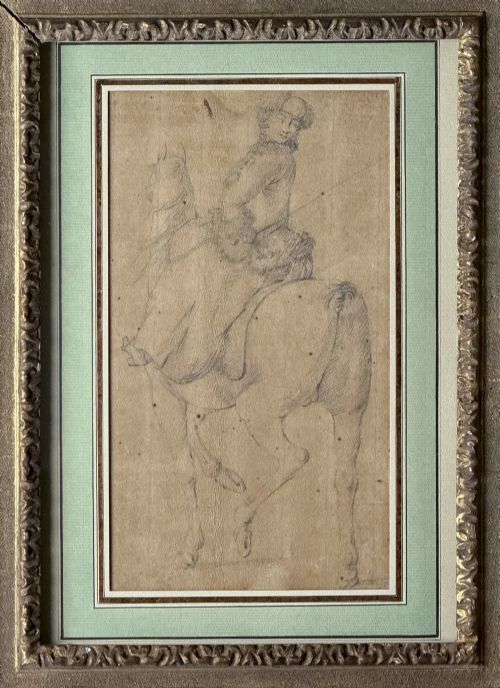
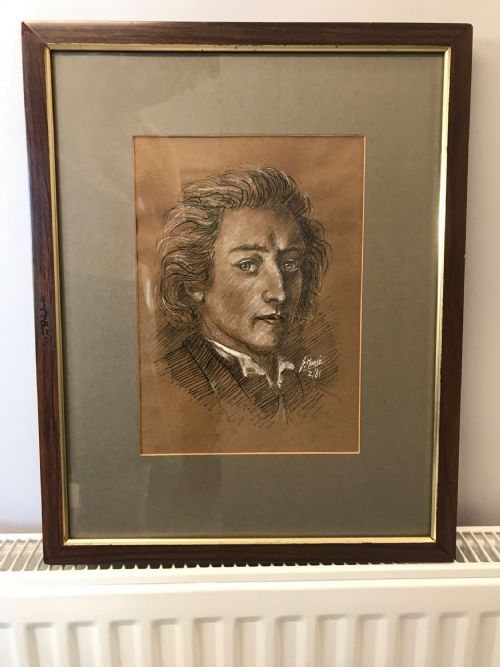
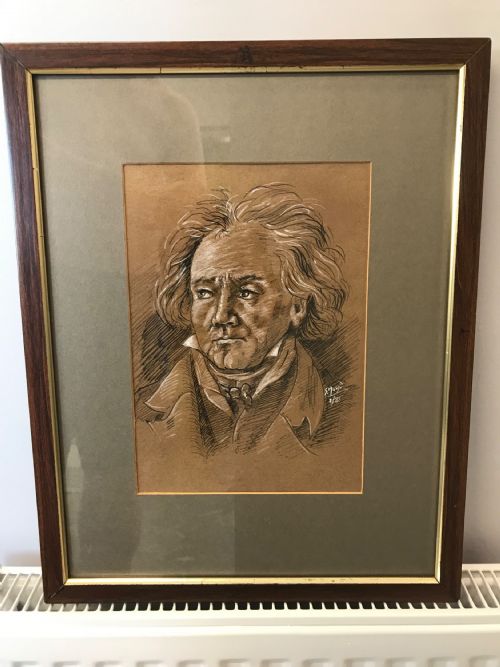
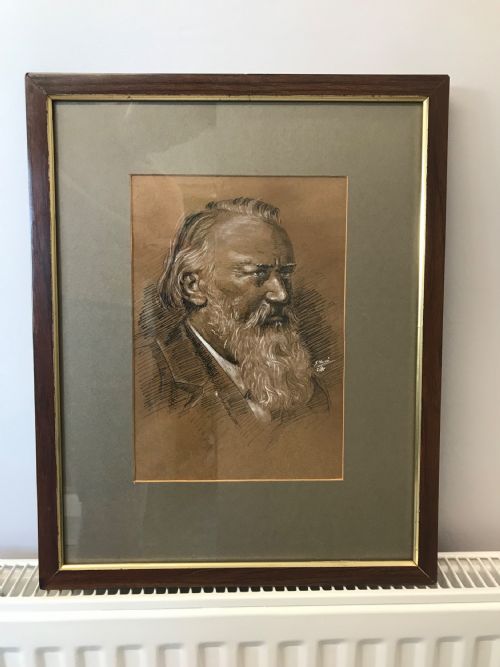
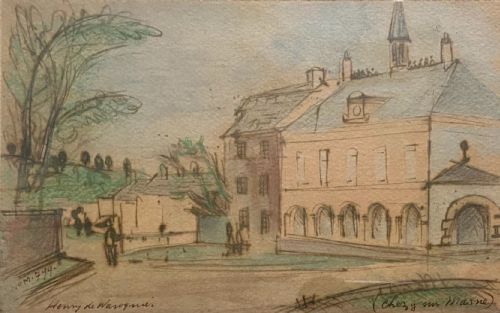
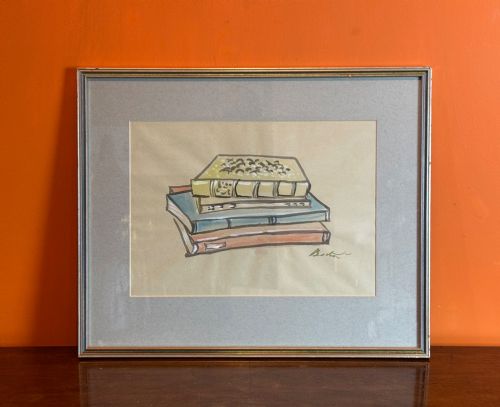
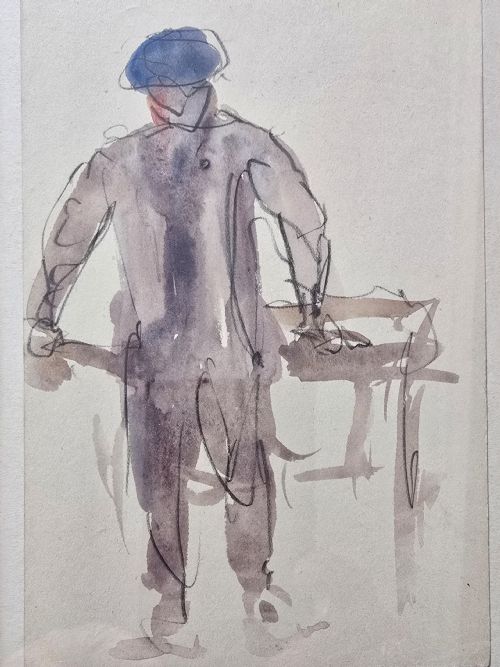
The selections available here range from rapid preparatory studies and landscape views to architectural renderings and detailed character portraits. Buyers frequently encounter framed drawings on paper alongside works on panel dating from the Georgian, Victorian and early twentieth-century periods.
Materials and technique
Draftsmen relied on iron gall or carbon inks applied with quill or steel nib pens directly onto paper or occasionally panel. Watercolour and monochrome wash were frequently brushed over the dried linework to build depth and shadow.
Graphite and gouache occasionally supplement the primary ink medium, adding tonal highlights or preliminary construction lines that reveal the hand of the artist during the creative process.
The inventory includes eighteenth-century northern European school studies, Victorian architectural drawings, and early twentieth-century British watercolours.
Quality variations
The strength of the draughtsmanship separates compelling works from routine exercises, visible in the confidence of the pen strokes and the economy of line. A master hand captures form and expression with minimal hesitation.
Condition and preservation dictate the desirability of works on paper. Intact sheets retaining deep ink contrast and minimal acidification command greater attention than faded or heavily foxed examples.
William Marshall Craig·Louis Wain·Thomas Rowlandson·Pio Panfili·Dame Laura Knight
The Antique Ink Sketch Glossary
- Wash
- A thin layer of diluted ink or watercolour brushed across paper to create tonal gradations and shadow. It provides atmospheric depth behind the primary pen linework.
- Preparatory study
- An initial drawing executed to plan a larger painting or compositional project. These works often show spontaneous alterations and trial marks.
- Gouache
- An opaque watercolour medium containing a binding agent that produces a heavier, matte surface. Artists use it to add solid highlights over ink sketches.
- Foxing
- Brown spots and discolouration caused by chemical reactions within ageing paper over decades. It is a common condition issue in works on paper.
- Panel
- A flat wooden support used for drawings and paintings before paper became universally available or preferred. Works on panel offer a rigid substrate for ink and wash.
Antique Ink Sketch: Frequently Asked Questions
How should I frame an old ink drawing?
Protect works on paper from ultraviolet light by using museum-grade glass and acid-free mounting materials. Direct sunlight causes fading in both ink and supporting paper over time.
Keep the drawing away from humid environments such as kitchens or unventilated spaces to prevent mould growth and paper degradation.
How do I identify the period of a sketch?
Examine the watermark on the paper, the style of the script if titled, and the clothing or architecture depicted in the scene. Stylistic conventions often point directly to Georgian or Victorian periods.
Compare the ink consistency and framing methods against known examples from specific regional schools represented in the archive.
Were these sketches meant to be finished artworks?
Many surviving pieces were created as independent landscape views, finished portraits, or architectural studies intended for exhibition or private albums. Other sheets functioned strictly as working drafts for the artist.
Both finished compositions and rapid preliminary notes offer direct insight into historical drawing practices and academic training.
How do I care for works on paper?
Display drawings on interior walls away from direct sunlight and fluctuating heat sources. Gentle ambient lighting preserves the integrity of the ink and paper.
Consult a professional paper conservator if cleaning or stabilization becomes necessary rather than attempting home remedies.