


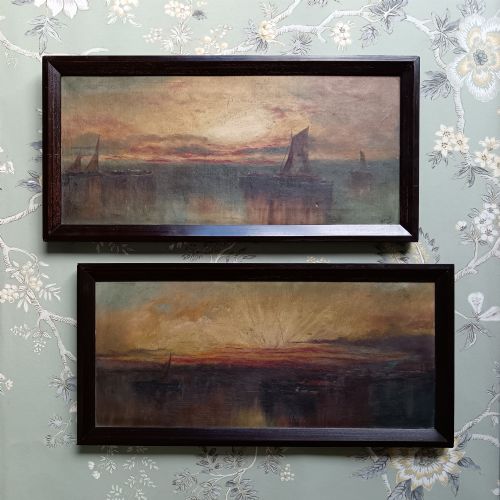
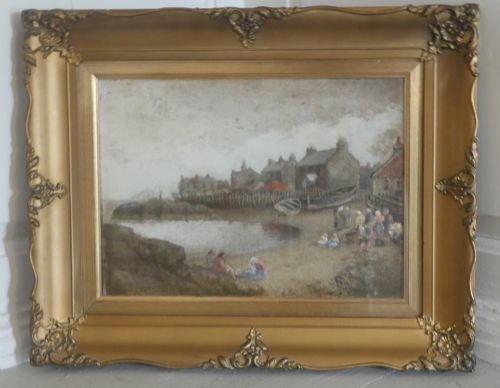
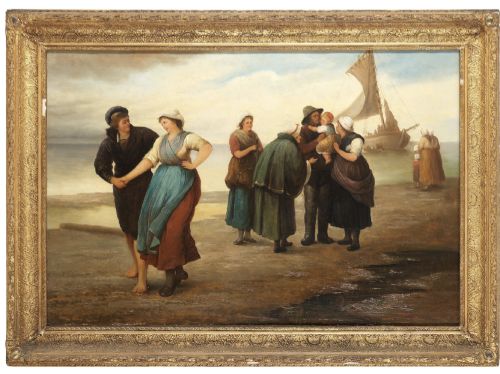
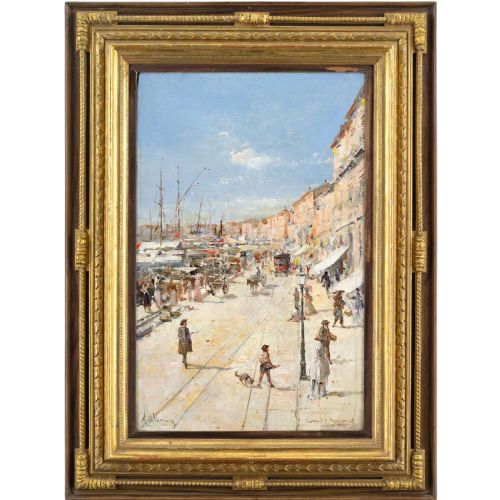
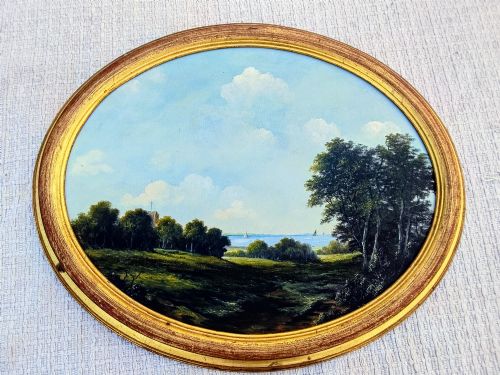
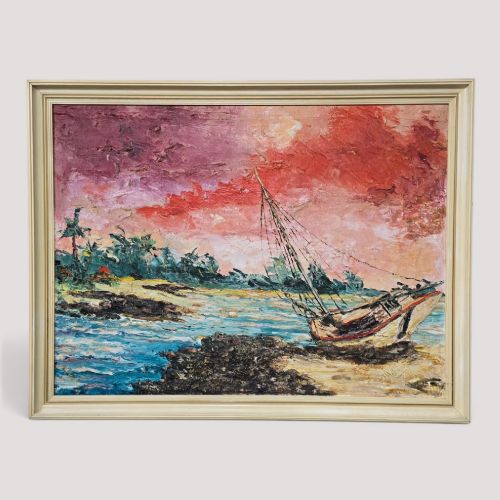
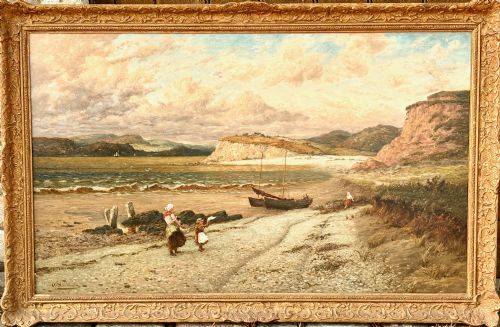
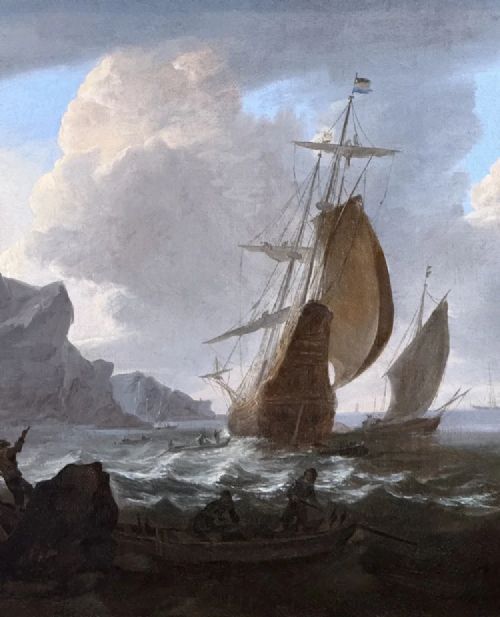
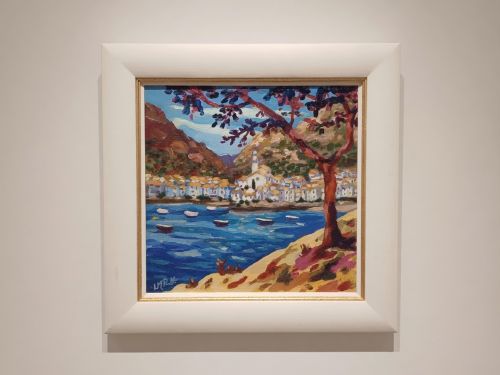
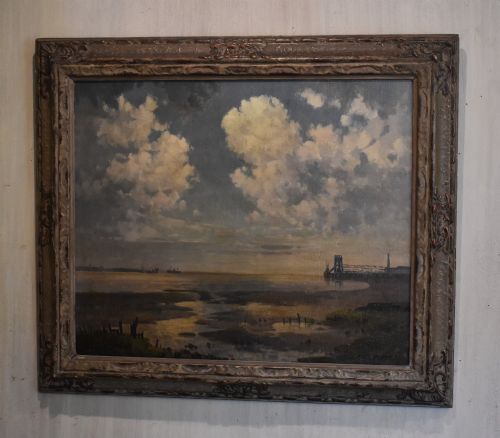
Framed Coastal Oil Artwork
Framed coastal oil artwork brings maritime scenes, harbours and rolling seas onto canvas and board, carrying the salt air directly into a room.
Framed Coastal Oil Artwork
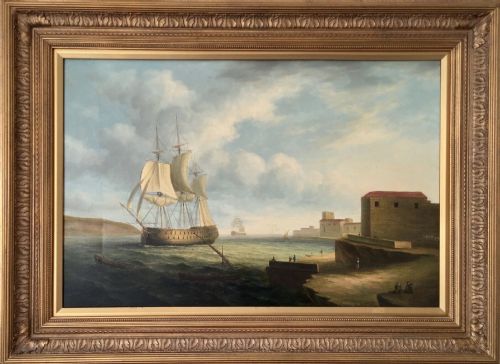
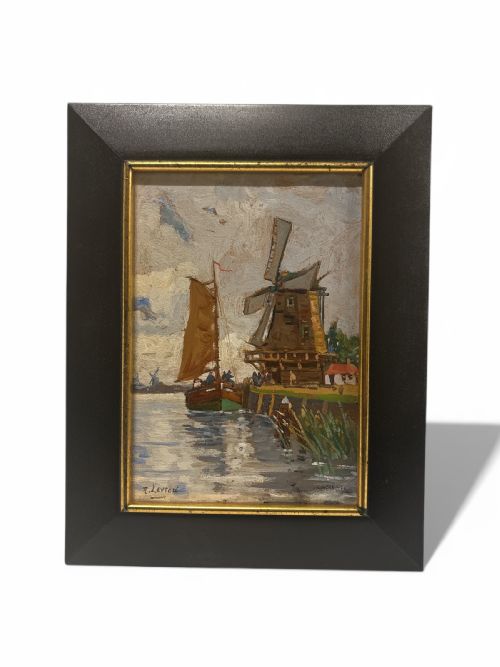
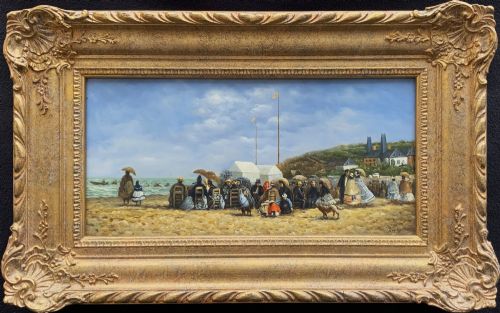
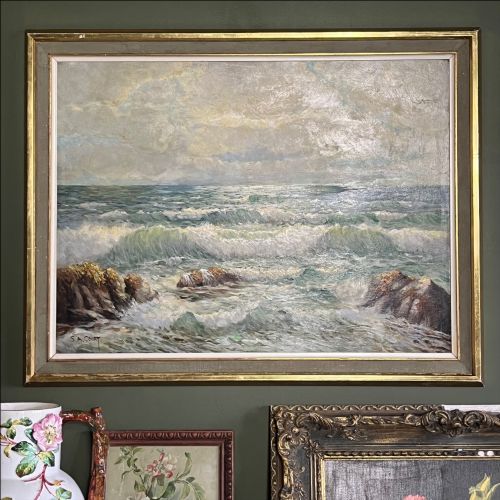
Framed coastal oil artwork encompasses marine landscapes, harbour scenes, and open sea views rendered in oil paint. These paintings capture shores from Cornwall and Morecambe Bay to Mediterranean ports in Sicily and Malta.
The selections span centuries, featuring 19th-century maritime works alongside Edwardian and mid-century modern pieces. Canvases and wooden panels are regularly enclosed in period gilt frames that complement the maritime subject matter.
Materials and methods
Artists paint using oil pigments applied to stretched canvas, wooden panels, or board. These materials allow for textured brushwork, capturing the movement of waves and the light on coastal waters.
Many works are housed in wood frames finished with gilt, providing a traditional border that protects the edges of the canvas and enhances the depth of the oil painting.
Listings feature wood, canvas, and gilt materials applied across Victorian, post-impressionist, and mid-century modern styles.
Factors in quality
Quality rests upon the handling of light, atmosphere, and maritime detail by the artist. Works that convey the specific quality of sea air, shifting weather, and coastal topography stand apart from formulaic studio pieces.
The integration between the painting and its frame matters considerably. Original gilt wood frames that complement the era and palette of the artwork elevate the piece as a complete historical object.
James Hardy·R Leyton·Clifford Hanney·Sidney A Court·B Nash·Edward Mills·Augusto Alberici·Bonaventura Peeters·Lucy Pratt·Clive Browne·Peter Brannan·Paul Bret·Bernard Benedict Hemy·Thomas Creswick·James Fry·Ethel Sands·Donald McIntyre·Cecil Allan Mould·Charles Euphraisie Kuasseg·John Wilson Carmichael·Abraham Cooper·Erich Mercker·John Moore of Ipswich·William Henry Williamson·John Holland
The Framed Coastal Oil Artwork Glossary
- Oil paint
- A slow-drying paint made from pigment particles suspended in a drying oil, typically linseed. This medium allows artists to blend colours smoothly and build thick, textured layers.
- En plein air
- A French term describing painting executed out of doors to capture natural light and atmospheric conditions directly. Coastal scenes created this way often display rapid, lively brushwork.
- Gilt wood
- Wood carved or moulded and coated with a thin layer of gold leaf or metallic paint. It provides a reflective border that frames and brightens oil paintings.
- Marine painting
- Artwork that depicts ships, harbours, coastal views, and the open sea as its primary subject. These works record naval history, coastal life, and maritime trade.
- Post-Impressionism
- An art movement developing from the late nineteenth century that extended Impressionism while rejecting its limitations. Artists prioritised expressive brushstrokes and symbolic colour.
Framed Coastal Oil Artwork: Frequently Asked Questions
What periods do these paintings cover?
The selection covers work from the seventeenth century through the nineteenth century, extending into Edwardian and mid-century modern pieces.
Paintings date from specific eras including the 1860s, 1900s, and 1950s, reflecting changing artistic movements across coastal Europe.
Where do these coastal scenes originate?
The artwork depicts British shores such as Cornwall, Morecambe Bay, and St Michael's Mount, alongside international harbours.
Scenes stretch from Mediterranean locations in Sicily and Malta to Dutch waters and open seas.
How should I care for an oil painting?
Keep oil paintings away from direct sunlight and dramatic fluctuations in temperature and humidity to protect the canvas and paint layers.
Dust the surface and the frame gently with a dry, soft brush without applying liquid cleaners.