
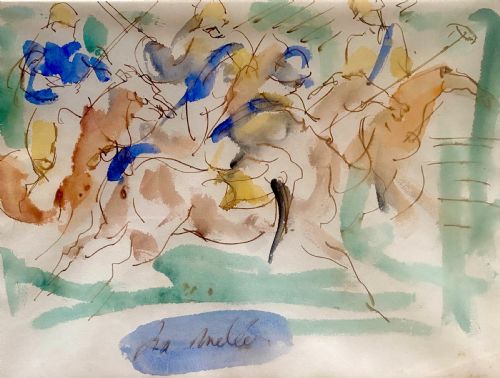
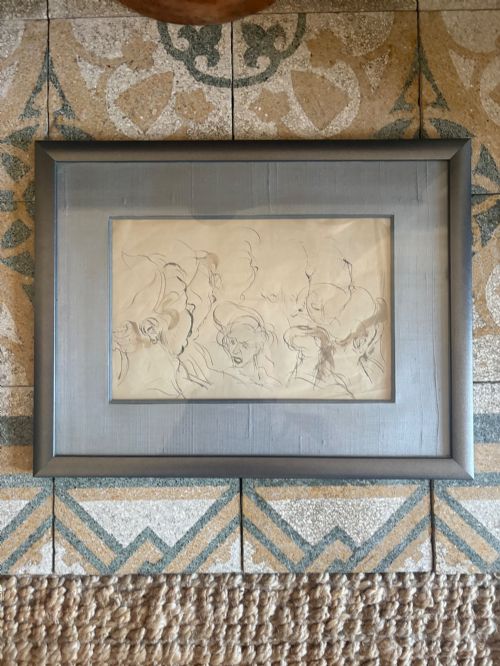


Original Ink Sketch
When you search for an original ink sketch, you enter a world of direct draughtsmanship spanning centuries of paper and line.
Original Ink Sketch
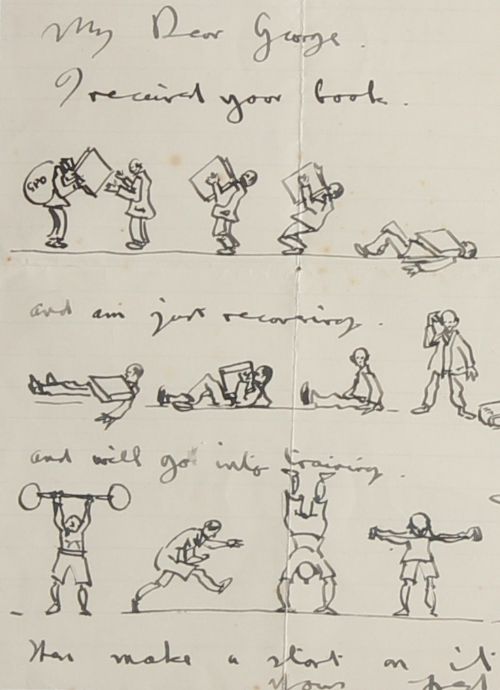
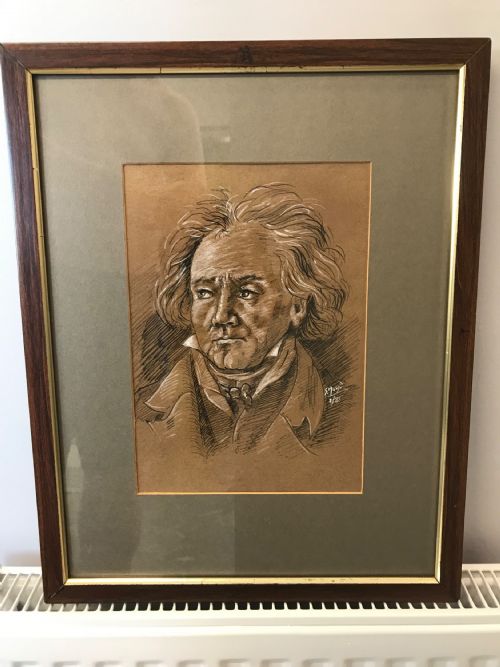
An original ink sketch represents the immediate thought of an artist captured directly on paper, serving as either a preparatory study or a finished work in its own right. These pieces span from the eighteenth century through the Victorian era and into the mid twentieth century, encompassing varied movements such as the Pre-Raphaelite circle, the Arts and Crafts movement, and modernist British art.
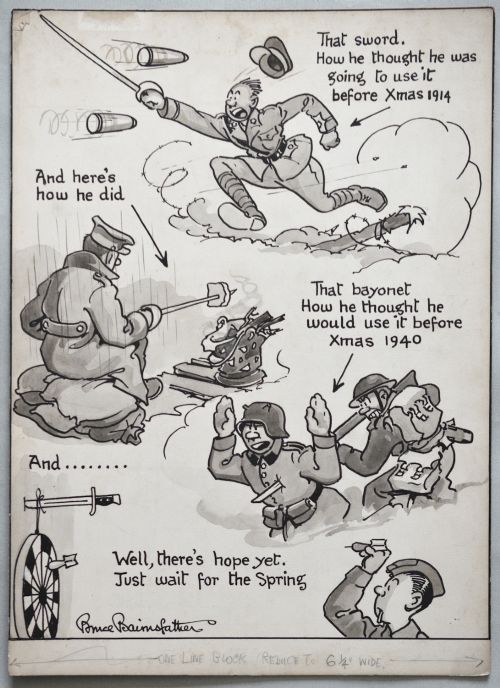
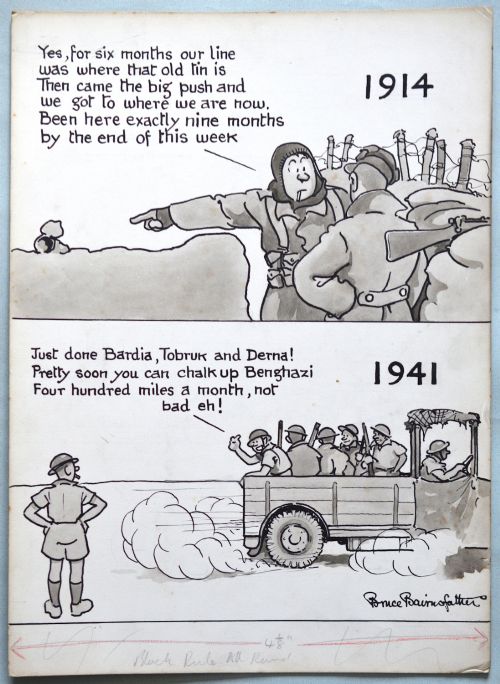
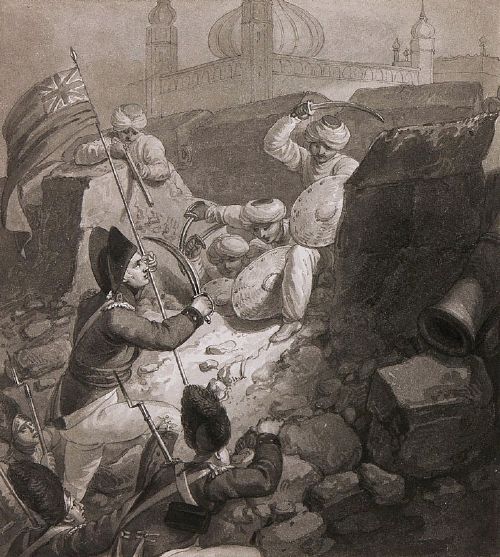
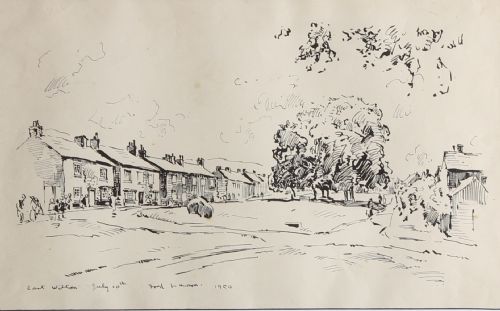
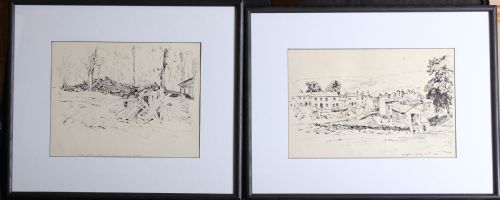
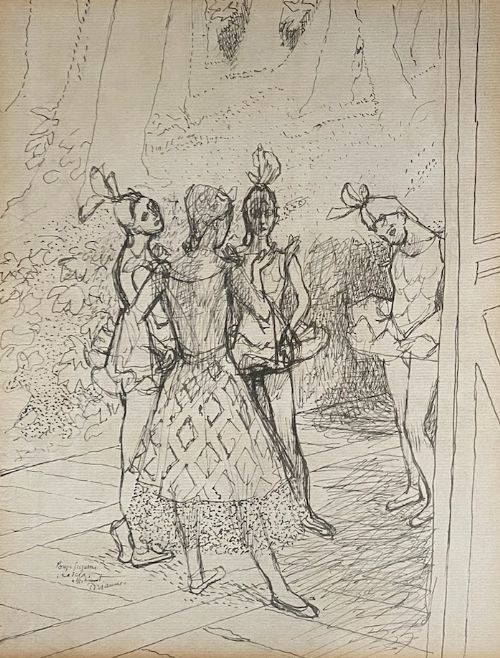
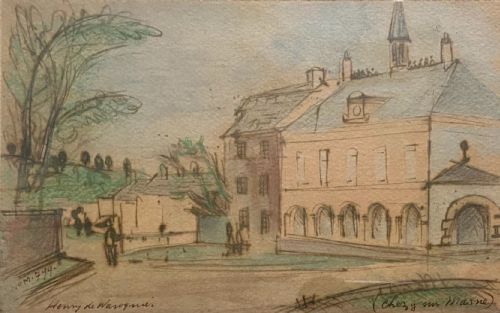
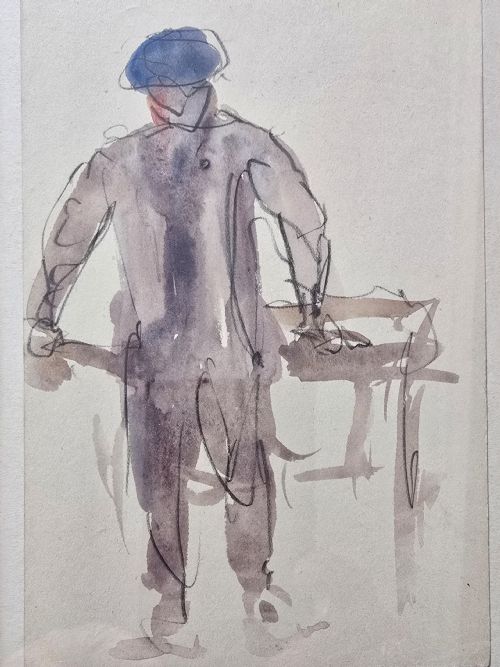
The selections available here range from detailed architectural and historical records to rapid portrait studies, theatrical figure drawings, and topographical landscapes. Buyers will encounter both intimate notebook sheets and larger framed works that reveal the underlying bone structure of a composition before paint is applied.
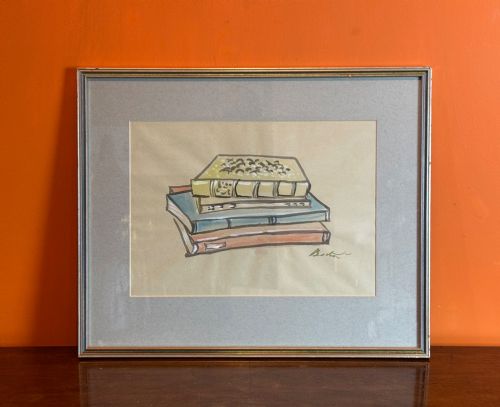
Originating from British, French, Dutch, and Spanish hands, these drawings frequently incorporate washes of grey or brown ink alongside graphite, gouache, or watercolour. They document domestic scenes, military history, and quiet rural vistas with equal economy of line.
Materials and Technique
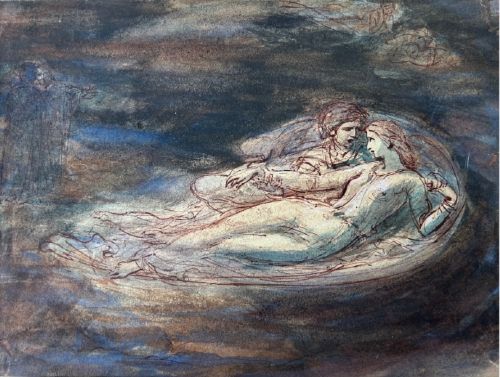
The fundamental medium relies upon liquid ink applied to paper using steel nibs, quill pens, or fine brushes to establish crisp contours and expressive cross-hatching. Artists frequently combined this foundational line work with transparent watercolour or diluted ink washes to build atmospheric depth and shadow.
Support papers vary from aged handmade sheets bearing distinct watermarks to standard nineteenth-century sketching paper and twentieth-century wove sheets. Secondary media such as graphite underdrawing and highlights in white gouache often remain visible beneath the final ink layer, exposing the working method of the creator.
The listings span from the eighteenth century through the Victorian era into mid-century modernism, utilising paper, ink, wash, and gouache.
Assessing Quality and Execution
The primary distinction rests upon the confidence and economy of the draughtsman's line, where a master hand achieves maximum expression with minimal strokes. Hesitant corrections or laboured cross-hatching tend to differentiate lesser preparatory exercises from assured works of art.
The preservation of the paper support and the vibrancy of the fugitive inks significantly influence the stature of a piece. Works that retain their original tonal contrast without excessive fading or acidic browning command greater appreciation from collectors.
Fred Lawson·Bruce Bairnsfather·William Marshall Craig·Maurice Brianchon·Henry de Waroquier·Cecil Beaton·Michael Healy·Gen Paul·Alfred Dehodencq·Edward Dayes·William Edward Frost·Louis Wain·Lucien Freud·Thomas Rowlandson·Lawrence Stephen Lowry·Dame Laura Knight·Johan Noah Bemmel·John Duncan Fergusson·Kees van Dongen
The Original Ink Sketch Glossary
- Wash
- A dilute layer of ink or watercolour applied with a brush to create translucent shadows and tonal gradations. This technique provides volume and atmosphere to linear drawings.
- Preparatory study
- A preliminary drawing executed by an artist to plan a larger painting, mural, or print. These sheets capture spontaneous observations and compositional experiments.
- Gouache
- An opaque water-based paint consisting of pigment, water, and a binding agent such as gum, often heightened with white. Artists utilise it to add opaque highlights over ink lines.
- Wove paper
- Paper manufactured on a finely woven wire mesh, producing a uniform surface without ribbed chain lines. It became widely available during the eighteenth century.
- Recto and verso
- Terms designating the front side and the reverse side of a sheet of paper. Drawings occasionally appear on both sides of a single historical leaf.
Original Ink Sketch: Frequently Asked Questions
What defines an original ink sketch?
An original ink sketch is a unique hand-drawn work created directly by an artist using pens, quills, or brushes on paper. It differs fundamentally from a mechanical print or reproduction by showing the authentic pressure and movement of the original hand.
These pieces capture the immediate creative thought of the maker, often serving as intimate records of figures, landscapes, or historical events.
How should these works be framed?
Works on paper require careful framing away from direct sunlight to prevent the ink and paper from fading over time. Conservation-grade mounts ensure that the paper does not touch the glass directly.
Using acid-free backing boards protects the historical sheet from chemical degradation and preserves the integrity of the original medium for future generations.
How do I identify the period of a drawing?
Dating an ink sketch involves examining the paper stock, watermarks, framing style, and the characteristic handwriting of signatures or inscriptions. Stylistic clues within the clothing, architecture, or subject matter also point towards specific decades.
Comparative analysis with documented works by the same hand or school helps narrow down the precise era of execution.
Were these sketches meant to be finished art?
Many ink sketches were created as rapid notations, travel records, or preparatory studies for larger oil paintings rather than finished exhibition pieces. However, artists frequently produced finished presentation drawings intended to stand alone as complete works of art.
Collectors often prize the spontaneous nature of preliminary studies for the direct insight they provide into the creative process.