





Victorian Chippendale Wall Mirror
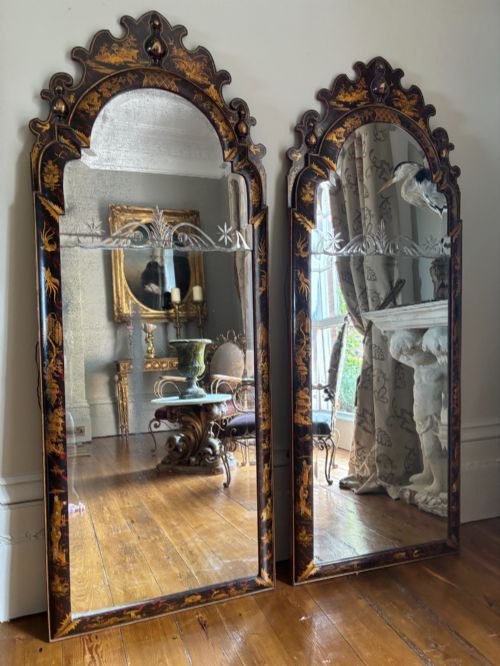
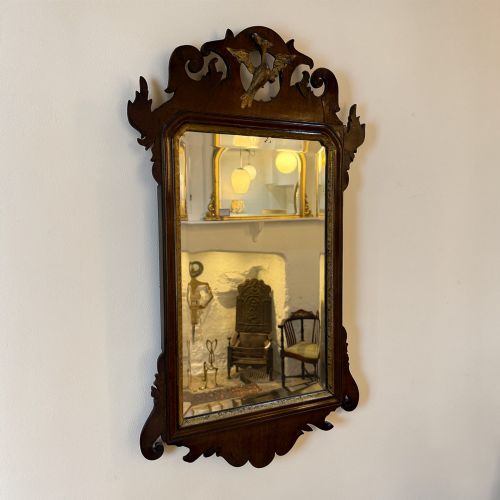
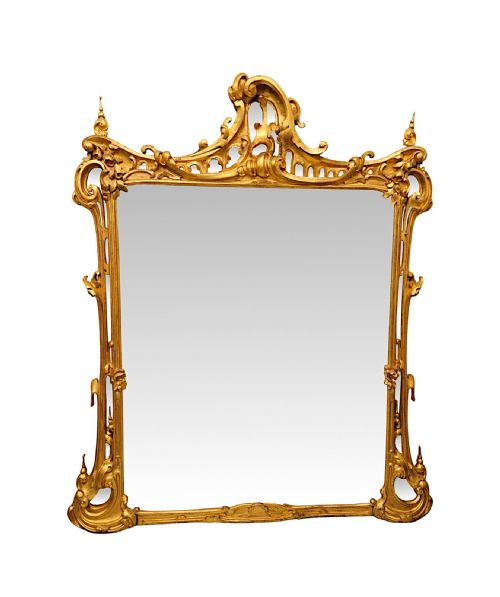
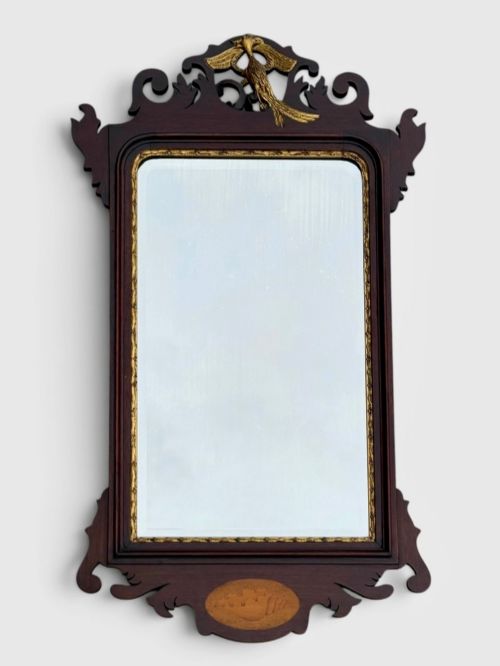
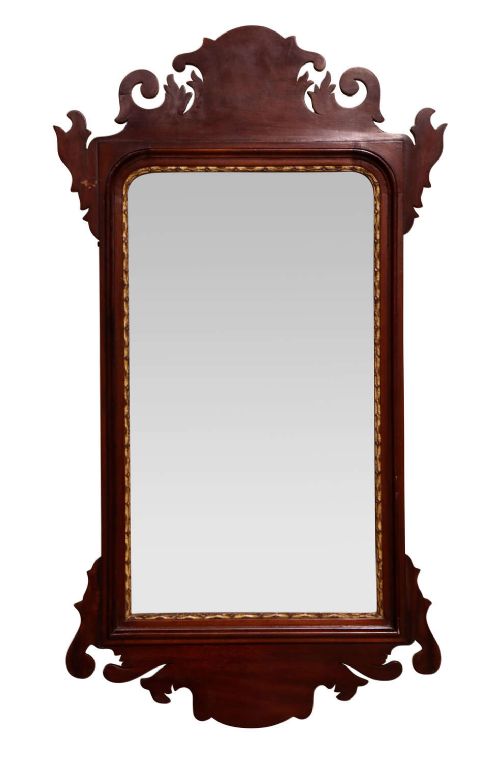
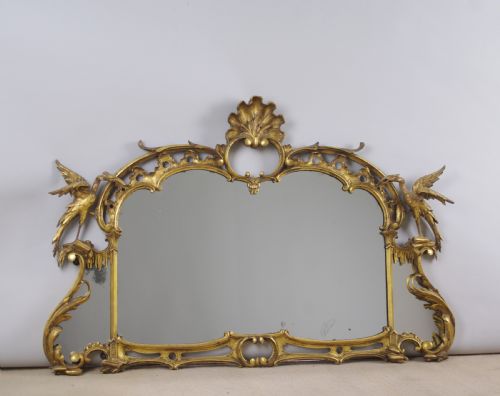
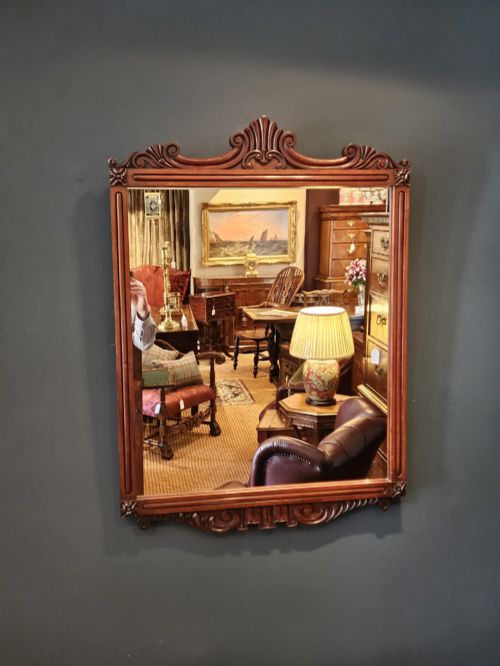
These Victorian Chippendale wall mirror examples bring carved mahogany and giltwood elegance to any room.
Victorian Chippendale Wall Mirror
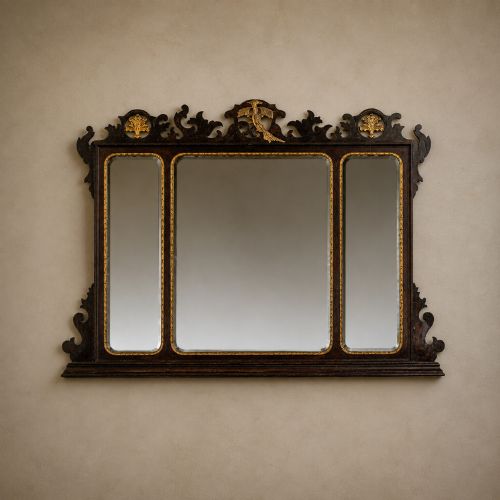
When you search for a victorian chippendale wall mirror, you enter a world of revived 18th-century forms dating across the 19th century. These pieces encompass both compact wall mirrors and substantial overmantel mirrors designed to anchor a room.
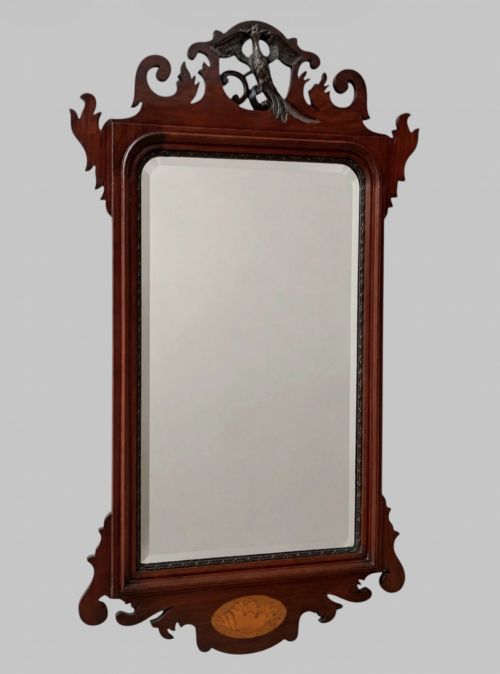
The domestic interior of the late 19th century embraced these revivals, producing intricately fretted mahogany frames and grand giltwood interpretations. You will frequently encounter fretwork panels and classical motifs originating from the Victorian era.
Makers of this period drew heavily on mid-Georgian pattern books, adapting older designs to suit Victorian proportions and tastes. The results range from simple walnut fretwork to elaborate gilt wood pier glasses featuring classical crestings.
Materials and construction methods
Cabinetmakers constructed these frames primarily from solid mahogany or walnut, frequently incorporating wood inlay and delicate fretwork pierced by hand. Timber selection was vital for achieving the intricate scrollwork demanded by the style.
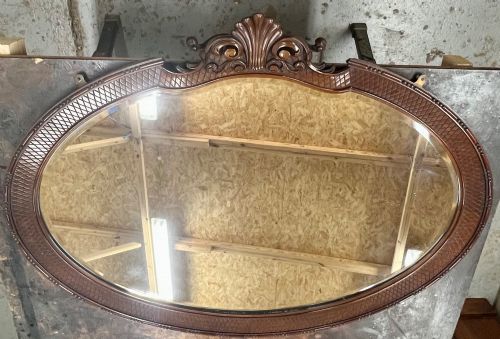
Giltwood and gold leaf finishes required meticulous application over prepared wooden grounds, creating brilliant reflective surfaces suited to principal reception rooms. Bevelled glass plates were then set securely within the carved wooden rabbets.
Victorian Chippendale Wall Mirror Retail Price Guide 2026
Typical asking prices for victorian chippendale wall mirror among the pieces listed under this phrase on Sellingantiques today, from the lower quarter to the upper quarter. They describe what is for sale here now, not the wider market.
Periods represented range from the Georgian era through to the late Victorian and Edwardian revivals.
The markers of finer execution
Quality in these mirrors rests upon the crispness of the carving and the depth of the fretwork relief. Finer examples display sharp, well-defined scrollwork and expertly rendered crestings rather than flat or hastily finished edges.
The integration of the gilding or the finish of the timber further separates standard production from superior pieces. Cohesive proportion across triptych or large overmantel formats indicates a high standard of workshop practice.
The Victorian Chippendale Wall Mirror Glossary
- Fretwork
- Ornamental perforated wood carving produced by piercing thin timber with a fine saw. This technique creates the delicate openwork borders characteristic of the style.
- Giltwood
- Wood that has been coated with gold leaf or metallic powder applied over a prepared base. It provides a luminous surface that catches candlelight and natural illumination.
- Pier glass
- A tall wall mirror designed specifically to hang on the wall space between windows. These pieces often feature matching console tables beneath them.
- Overmantel mirror
- A wide mirror intended to be hung directly above a fireplace mantelpiece. They frequently dominate the chimney breast in Victorian reception rooms.
- Triptych
- A mirror divided into three separate glass panels within a single frame. This format widens the perceived space of the room.
Victorian Chippendale Wall Mirror: Frequently Asked Questions
How do I hang a heavy overmantel mirror?
Secure the mirror directly into structural wall studs or masonry using heavy-duty mirror plates and appropriate fixings. The weight of giltwood and thick glass demands professional wall anchors.
Ensure the hanging wire or brackets distribute the load evenly across the frame to prevent warping over time.
Where should I place a fretwork mirror?
Hang the mirror on a plain wall where the intricate wooden silhouette can be seen clearly against a contrasting background. Avoid damp walls or direct harsh sunlight that might damage the timber.
Positioning the glass opposite a window will help bounce natural light deeper into the interior space.
Are these mirrors purely Victorian creations?
While the physical items date from the 19th century, the aesthetic borrows heavily from mid-18th-century Georgian design principles. Makers combined historical revival styles with contemporary Victorian manufacturing techniques.
This blend of past styles creates the distinctive character found across these 19th-century pieces.