



Victorian China Ornaments
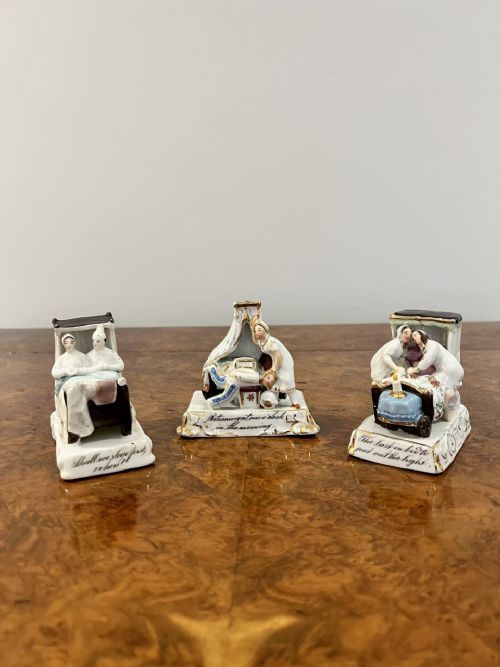
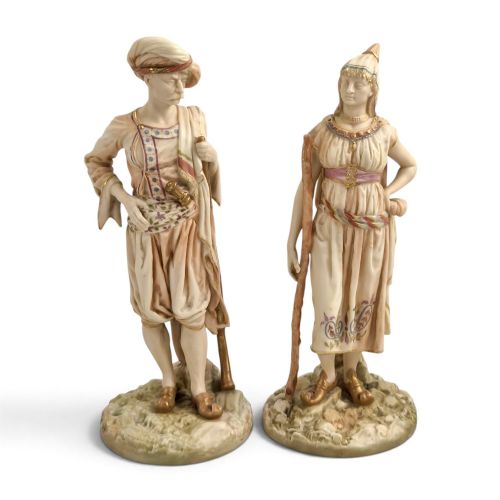
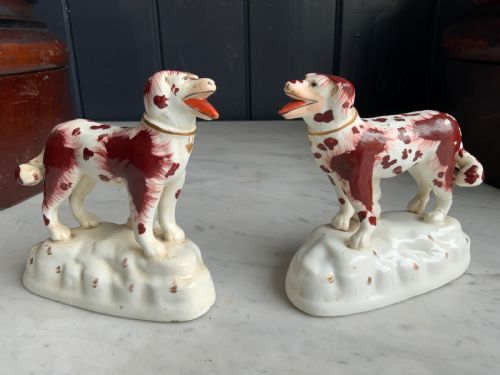
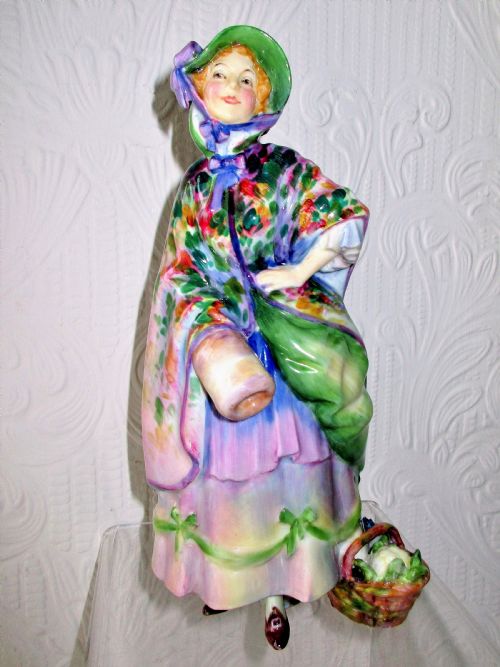
These Victorian china ornaments bring domestic character to a room through glazed porcelain figures and Staffordshire dogs.
Victorian China Ornaments
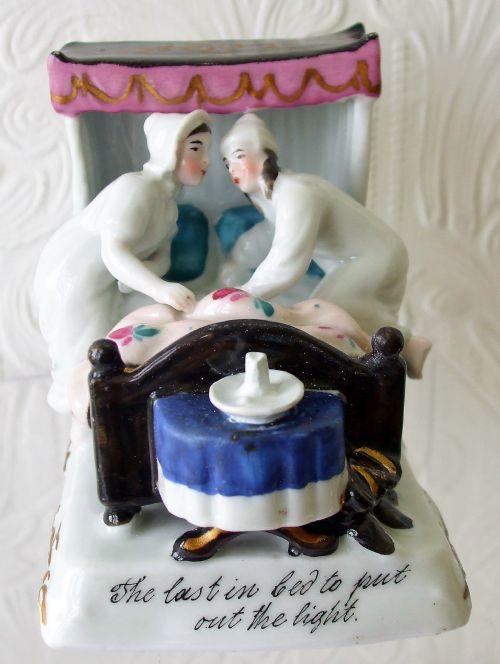
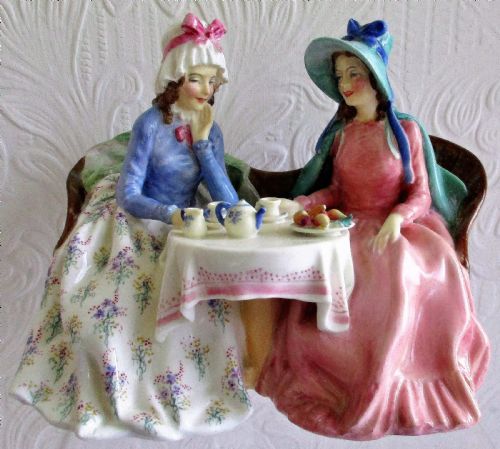
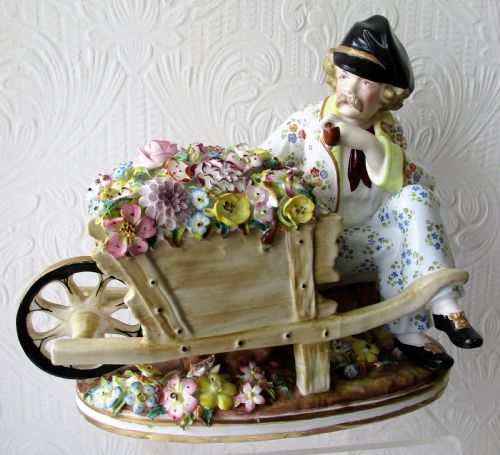
Victorian china ornaments encompass porcelain and earthenware figurines, decorative figures, and miniature ceramics designed for nineteenth-century interiors. When searching for victorian china ornaments, buyers encounter seated spaniels, pastoral groups, and character figurines ranging from Regency origins through to the early twentieth century.
English manufactories such as Staffordshire and Royal Worcester dominate the domestic forms, alongside continental porcelain from German workshops like Volkstedt and Meissen styles. Pairs of spaniels and detailed character subjects remain the most frequent discoveries in this category.
Materials and methods
The pieces rely on bone china, porcelain, and earthenware bodies shaped through moulding and hand-modelling. Kiln firing sets the clay before painters apply glaze, enamel, and occasional gold leaf or gilt highlights.
Victorian China Ornaments Retail Price Guide 2026
Typical asking prices for victorian china ornaments among the pieces listed under this phrase on Sellingantiques today, from the lower quarter to the upper quarter. They describe what is for sale here now, not the wider market.
Listings incorporate nineteenth-century porcelain and earthenware alongside early twentieth-century decorative ceramics.
Markers of quality
Quality separates through the crispness of the moulding and the delicacy of the hand-painted enamels, where finer work retains sharp facial expressions and clean lines on garments. Pieces bearing clear workshop or maker attribution generally demonstrate superior control over the glaze and firing process.
The presence of secondary decorative elements, such as gilt detailing or intricate base modelling, distinguishes standard production from more ambitious sculptural groups.
Royal Worcester·James Hadley·John Bevington·Royal Doulton·Triebner Ens And Eckert·Meissen·Samson·Beswick
The Victorian China Ornaments Glossary
- Staffordshire pottery
- Earthenware figures produced in the Staffordshire potteries, most famously represented by pairs of mantel dogs. These earthenware pieces often feature hand-painted patches and gilt chains.
- Bone china
- A type of soft-paste porcelain incorporating bone ash, yielding a durable and brilliant white ceramic body. English potteries utilised this material extensively for refined figures.
- Gilt
- A thin application of gold leaf or gold paint used to accentuate details on figures and bases. It adds decorative warmth to the finished ceramic surface.
- Blanc-de-chine
- A French term for white Chinese porcelain, later used to describe European white-glazed figures without polychrome enamel painting. This style highlights the purity of the moulded form.
Victorian China Ornaments: Frequently Asked Questions
How do I display Victorian china ornaments?
Place figures on mantelpieces, sturdy sideboards, or enclosed shelves away from heavy foot traffic to protect delicate extremities. Pairs often look best arranged symmetrically to anchor a display surface.
Ensure the location avoids direct, harsh sunlight to protect hand-painted enamel colours over the years.
Were Staffordshire dogs meant for children?
Staffordshire spaniels served as decorative mantel ornaments rather than toys, traditionally placed on either side of a fireplace to watch over the household. They gained popularity as domestic comforters during the Victorian era.
People paired them to face inward toward each other, creating a balanced display on living room hearths.
How do I clean antique porcelain figures?
Dust figures gently with a soft, dry artist's brush to remove settled particles without abrading the surface glaze. Avoid submerging older ceramics in water, particularly if they feature delicate applied flowers or water-soluble gilt.
Harsh chemical cleaners strip away historic enamels and damage the ceramic body permanently.
What is the difference between porcelain and earthenware?
Porcelain is fired at higher temperatures to create a dense, vitreous material that does not absorb water and often shows translucency when held to light. Earthenware, used for many Staffordshire pieces, is more porous and opaque.
Both materials support distinct decorative styles and surface finishes depending on the intended use.