



Victorian China Jug
These Victorian china jugs are durable utilitarian vessels and decorative display pieces that bring nineteenth-century ceramic history directly to a modern tabletop.
Victorian China Jug
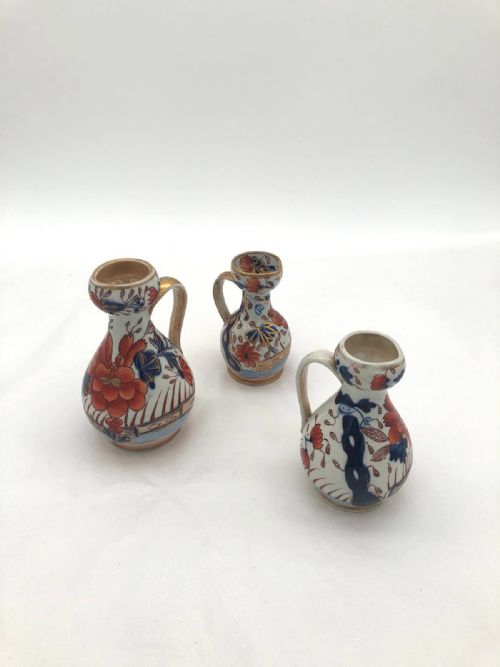
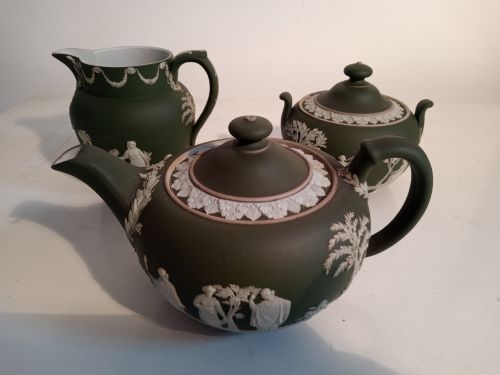
A victorian china jug is a versatile ceramic vessel used historically for pouring liquids or water during the nineteenth century. The pieces appearing here range from small individual creamers and bachelor teaset components to large wash basin sets and monumental ironstone pitchers.
Most examples originate from the nineteenth century, encompassing periods such as the Victorian era alongside related Georgian and Edwardian items. The assortment leans heavily toward sturdy ironstone and refined porcelain forms decorated with transfer print patterns or hand-painted motifs.
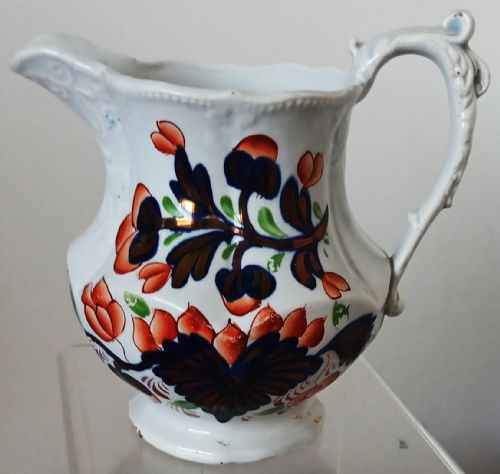
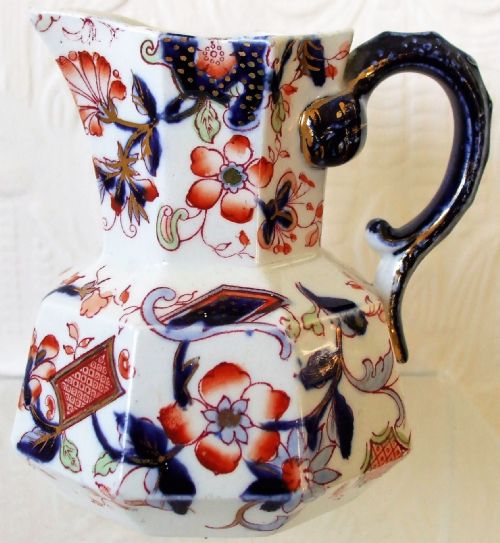
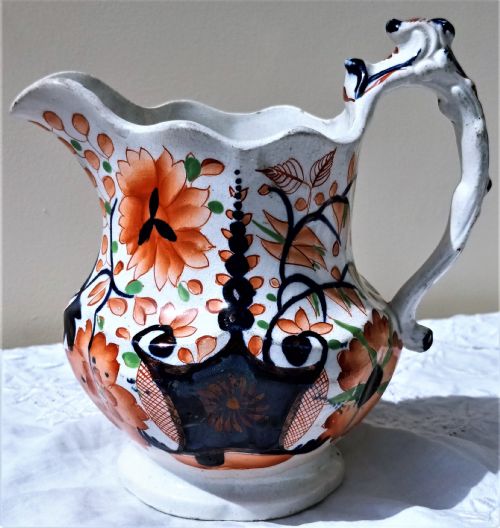
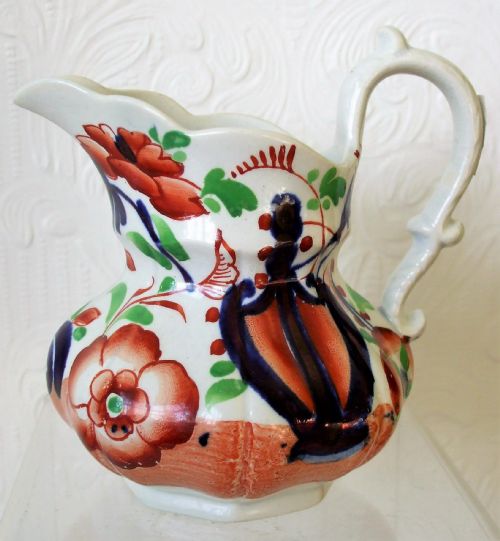
Common regional styles span from Gaudy Welsh pottery patterns like Pagoda and Grape to vibrant Japanese-inspired Chinoiserie, Imari, and Kakiemon revival designs. Buyers will also encounter specialised shapes such as Hydra jugs, pouch jugs, and grand elephant foot patterns.
How they were made
Potters utilised durable ceramic bodies including heavy ironstone, porous earthenware, and fine white porcelain to shape these vessels on wheels or press them into moulds. Ironstone provided exceptional strength for daily kitchen or washing use, while porcelain served more delicate tea service roles.
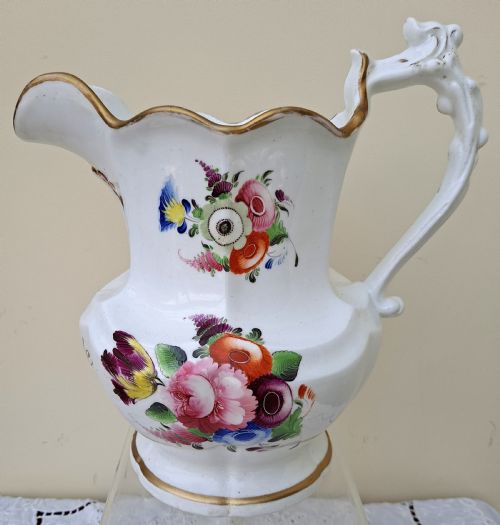
Surface decoration combined underglaze or overglaze polychrome enamel paints with lustrous gold leaf and rich gilding applied over protective glossy glazes. Many earthenware and ironstone pieces employed transfer printing techniques to lay down intricate floral or architectural patterns before final firing.
What varies in quality
The standard of a victorian china jug depends heavily on the crispness of the moulded relief work and the precision of the hand-painted enamels or transfer prints. Superior pieces maintain vibrant, unfaded gilding and crisp botanical or figural details without blurring or smudging across the ceramic body.
Maker attribution also dictates standing, with renowned potteries commanding attention for their refined paste and superior glaze stability. Integrity of form, particularly in delicate spools, handles, and multifaceted ironstone bodies, separates everyday utilitarian kitchenware from high-status parlor pieces.
Mason's Ironstone·Keeling and Co·John Baley·Walker and Hall·Doulton Burslem·Royal Davenport·Livesley Powell and Co·Minton·Coalport·Royal Worcester·Staffordshire
The Victorian China Jug Glossary
- Ironstone
- A dense, heavy ceramic paste patented in the nineteenth century to provide a durable alternative to true porcelain. It accepts glazes and enamels readily while resisting everyday chipping.
- Hydra jug
- A specific pitcher form featuring a distinctive flared rim, moulded serpent or scroll handle, and panelled body frequently produced by nineteenth-century English potteries.
- Gaudy Welsh
- A popular nineteenth-century style of pottery decorated with vibrant cobalt blue, copper lustre, and iron-red enamel motifs over white earthenware or ironstone.
- Ewer
- A large pitcher with a wide spout and elaborate handle, traditionally paired with a matching basin for personal washing or decorative display.
- Kakiemon
- A Japanese ceramic palette style replicated by European makers, using soft iron red, yellow, green, and blue enamels to depict birds, flowers, and tigers.
Victorian China Jug: Frequently Asked Questions
What were these jugs originally used for?
These ceramic vessels served practical daily functions ranging from pouring milk and water at the dining table to supplying fresh water for bedroom wash basin sets.
Smaller examples belonged to tea sets or bachelor services, while larger ironstone pieces functioned as heavy-duty kitchenware or decorative ewer displays.
How do I care for a Victorian ceramic jug?
Wash these nineteenth-century items gently by hand using mild soap and lukewarm water rather than placing them inside an automatic dishwasher.
Avoid abrasive scouring pads that might damage fragile overglaze gilding, hand-painted enamel colours, or historical transfer-printed surfaces.
Can I use these antique jugs for serving drinks?
Many sturdy ironstone and porcelain pieces remain structurally sound for holding water, flowers, or cold beverages during casual dining or gatherings.
Pieces featuring extensive gold leaf, delicate overglaze enamels, or hairline stability concerns are best reserved for dry display and interior styling.
How can I tell ironstone apart from standard porcelain?
Ironstone typically presents a much heavier, thicker wall construction with an opaque body designed for maximum durability during heavy domestic use.
Porcelain feels lighter, exhibits a more refined translucency when held to light, and generally serves more formal dining or tea table settings.