


Antique Floral China Pitcher
An antique floral china pitcher brings hand-painted botanical charm to the table, offering both decorative presence and practical service.
Antique Floral China Pitcher
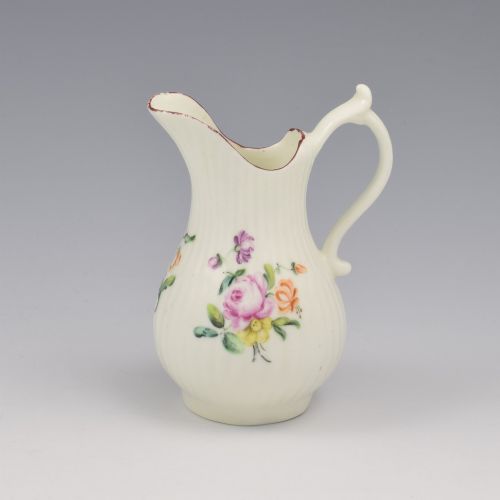
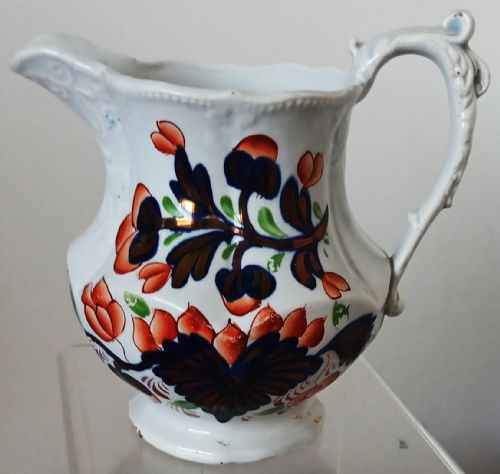
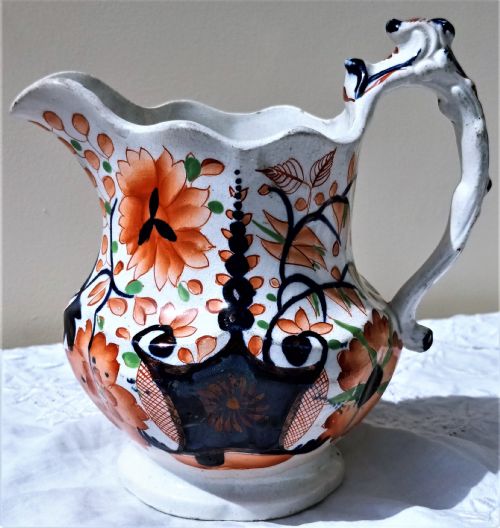
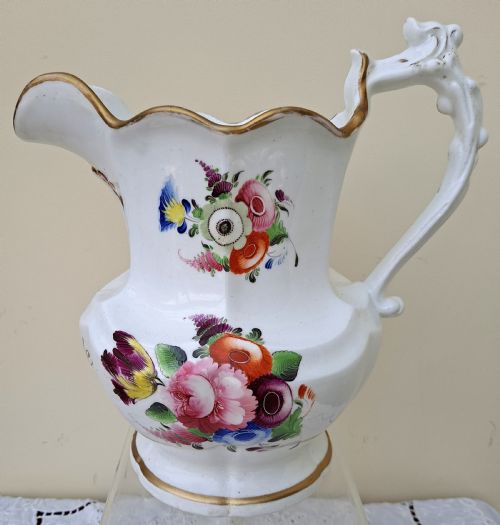
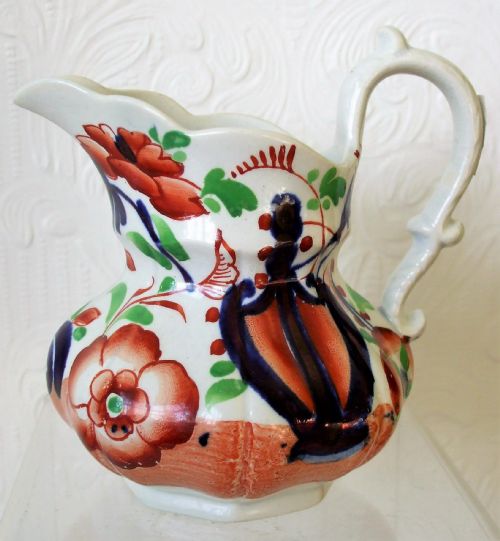
An antique floral china pitcher is a vessel designed for pouring liquids, taking forms such as cream jugs, wash jugs, and larger serving pitchers. The selection spans earthenware, porcelain, ironstone, and ceramic bodies decorated with botanical motifs.
Makers shaped these utilitarian and decorative items across the eighteenth, nineteenth, and early twentieth centuries. Pieces range from small cream jugs with delicate handles to larger wash jug and basin sets meant for the bedroom.
Materials and methods of production
Potters formed these vessels from clay bodies including porcelain, ironstone, and earthenware, which were then fired and finished with a protective glaze. Decoration relied on enamel paints applied by hand to depict floral patterns.
Many examples incorporate gilding or gold leaf highlights to accent rims, handles, and painted panels. Early pieces like those from Derby and Chinese export workshops utilised specialised ceramic pastes and high-temperature kiln firings.
Listings feature porcelain, earthenware, and ironstone bodies decorated with enamel floral motifs, often finished with gilding.
Factors that distinguish better examples
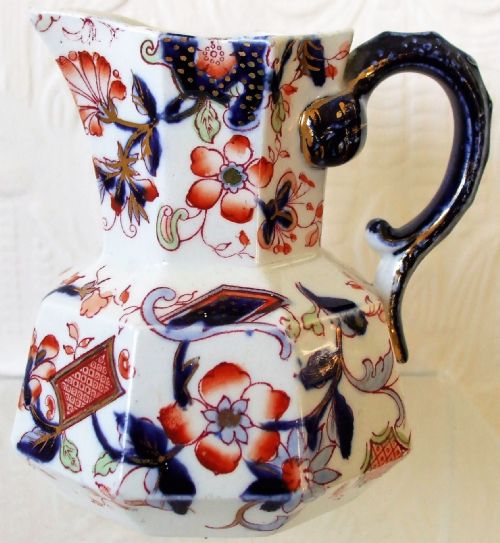
Quality rests in the precision of the hand-painted floral details and the crispness of the moulded form, such as the serpents on Hydra jugs or the fluting on baluster bodies. Stronger pieces display careful brushwork and balanced compositions without messy pigment bleeding.
The sophistication of the glaze and the preservation of the gold leaf or gilding indicate the standard of production. Finer vessels combine robust ceramic bodies with well-executed decorative schemes from established factories.
Keeling and Co·John Baley·Mason·Doulton Burslem·Royal Worcester·Crown Derby
The Antique Floral China Pitcher Glossary
- Hydra jug
- A ceramic pitcher featuring a distinct serpentine handle and a flared rim shape. This form appears across several English factories.
- Ironstone
- A heavy, durable type of earthenware patented in the nineteenth century. It resists chipping better than standard soft-paste porcelain.
- Gilding
- The application of gold leaf or gold paint to ceramic surfaces. It highlights rims, spouts, and panel borders.
- Baluster
- A vase-like architectural shape with a rounded lower body tapering toward the top. This profile supports fluid pouring lines.
- Famille rose
- A palette of opaque enamel colours dominated by pink, used on porcelain. The style became prominent during the Qing dynasty.
Antique Floral China Pitcher: Frequently Asked Questions
What were these pitchers used for?
These vessels served various functions depending on their scale, ranging from pouring cream at the dining table to holding water in a bedroom wash basin set. Smaller cream jugs held dairy for tea service, while larger decorative jugs fulfilled display purposes.
Over time, many of these utilitarian items transitioned into purely decorative objects valued for their hand-painted floral artwork and ceramic form.
How do I date an antique pitcher?
Dating relies on examining the ceramic body, glaze characteristics, and any painted makers' marks on the underside. Stylistic cues such as Rococo Revival moulding or Aesthetic Movement patterns provide clear period markers.
Comparing the manufacturing technique, such as eighteenth-century soft-paste porcelain versus nineteenth-century ironstone, helps narrow the production era.
Are these pitchers safe for food use?
While many of these items were originally made for culinary service, older glazes can contain trace materials. Modern use for serving food or liquids is generally discouraged for nineteenth-century and earlier pieces.
Displaying them as decorative objects protects the antique ceramic body and the fragile hand-painted enamels from potential damage.