





Victorian Chiming Mantel Clock
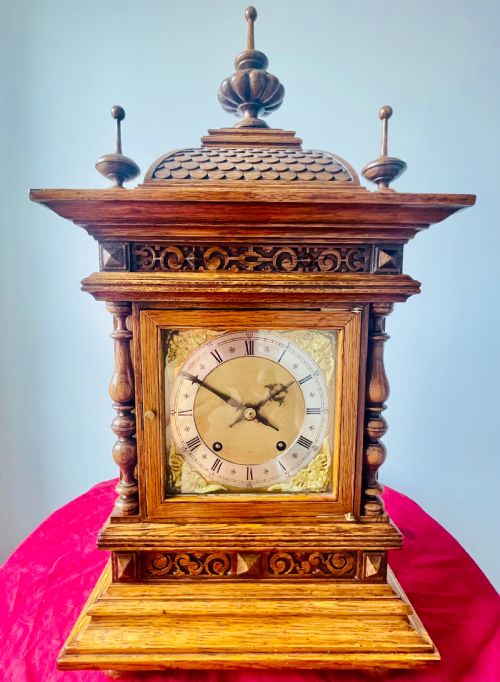
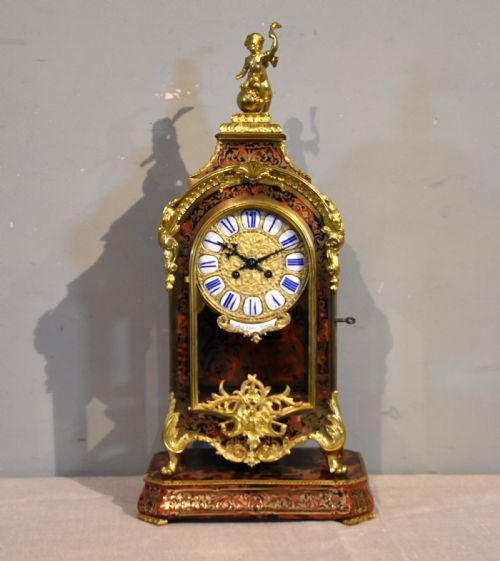
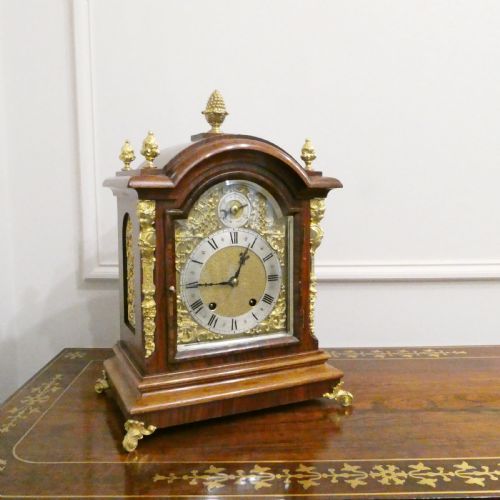
These victorian chiming mantel clock pieces bring together period brass, mahogany and walnut to mark the hours with traditional bells.
Victorian Chiming Mantel Clock
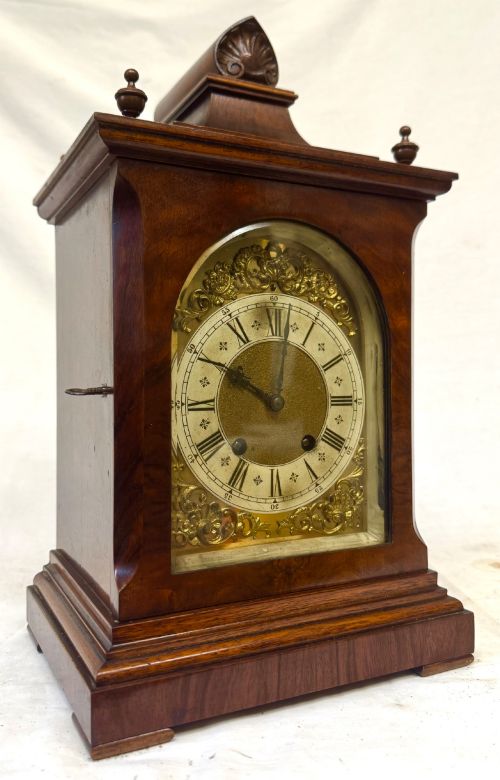
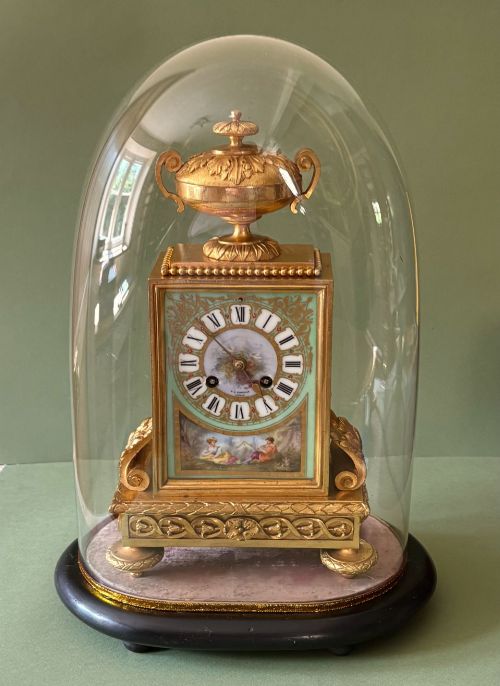
A victorian chiming mantel clock sits on a shelf or bracket, combining timekeeping with acoustic chime mechanisms housed in architectural wooden or metal cases. These items appear in formats ranging from architectural marble and ebonised wood to classical French ormolu and wooden bracket designs.
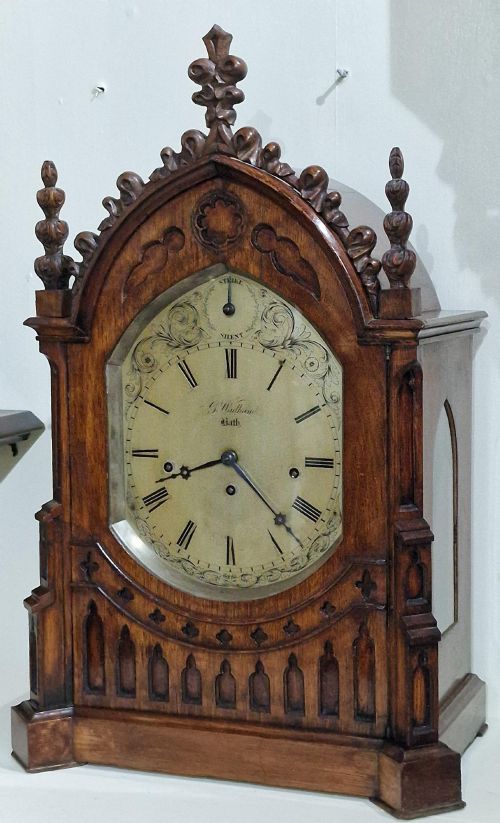
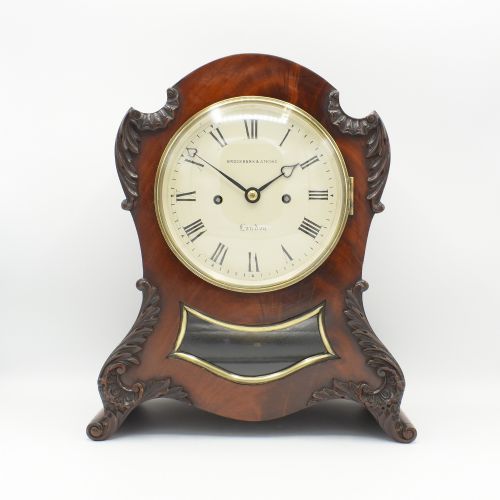
The pieces on this page span the nineteenth century, featuring walnut, oak and mahogany enclosures alongside dial faces in enamel and brass. Makers and workshops from Britain, France and Germany contributed diverse movements, from simple striking clocks to complex triple fusee and Westminster chiming systems.
Materials and construction
Cases rely on hardwoods like mahogany, walnut and oak, alongside structural materials such as black marble, bronze, ormolu and ebonised wood. Enclosure styles incorporate glass panels, brass dials and enamel chapters to display the inner workings.
Mechanical construction employs heavy brass movements driven by twin or triple fusee chains, springs and pendulum regulators. Champing and striking functions utilise specialised gear trains connected to bells, gongs and multiple hammers.
Mechanical movements include simple striking configurations alongside complex triple fusee and Westminster chiming systems.
Distinctions in quality
Quality diverges in the complexity of the movement and the precision of the case joinery. Triple fusee trains and multi-bell setups represent a higher tier of mechanical ambition than simple twin fusee or ting-tang striking variants.
Materials and decorative hand-finishing define the visual tier of the piece. Heavy cast ormolu mounts, intricate wood marquetry and finely engraved brass dials elevate the work above plain wooden cases.
H.A.C.·Lenzkirch·George Wadham·Brockbanks & Atkins·Winterhalder & Hofmeier·Schneckenburger·Mappin & Webb·Budgen Croydon·Barraud & Lunds
The Victorian Chiming Mantel Clock Glossary
- Fusee
- A conical pulley used in clock movements to equalise the torque of the mainspring as it unwinds. This mechanism helps maintain steady timekeeping accuracy throughout the running cycle.
- Ting-Tang
- A striking mechanism that sounds two different notes on two bells or gongs to mark the quarters or the hours. It offers a simpler acoustic alternative to full melody chimes.
- Ormolu
- Gilt bronze ornamentation applied to clock cases, particularly popular in French and revivalist designs. The technique involves coating bronze objects in a mercury and gold amalgam.
- Bracket Clock
- A portable mechanical clock originally designed to sit on a wall bracket or table. Many examples feature padded tops, carrying handles and glass side panels.
- Double Fusee
- A movement containing two separate fusee cones, typically dividing timekeeping power from the striking train. This configuration ensures that the strike does not draw energy away from the clock's accuracy.
Victorian Chiming Mantel Clock: Frequently Asked Questions
What is a fusee movement?
A fusee movement uses a conical pulley and a chain to regulate the pull of the mainspring. This ensures even tension is delivered to the gear train as the spring winds down.
Clocks with fusee movements generally demonstrate higher mechanical complexity than standard spring-driven alternatives.
How do triple fusee clocks work?
A triple fusee movement powers three separate functions within the clock. One train drives the timekeeping, the second drives the striking mechanism, and the third operates the chiming bells or gongs.
This configuration allows the clock to play full musical melodies, such as Westminster quarters, alongside standard hour strikes.
Where should I place a mantel clock?
These clocks require a stable, level surface such as a fireplace mantel, sideboard or heavy wall bracket. Stability is essential because the pendulum and escapement need a level plane to keep accurate time.
Keep wooden and veneered cases away from direct heat sources and strong sunlight to protect the finish.
What does ting-tang striking mean?
Ting-tang striking refers to a two-hammer mechanism that sounds two distinct pitches sequentially to announce the quarters or the hours. It provides a lighter acoustic signal than full bell chimes.
This system appears frequently in nineteenth-century bracket and mantel clocks.