

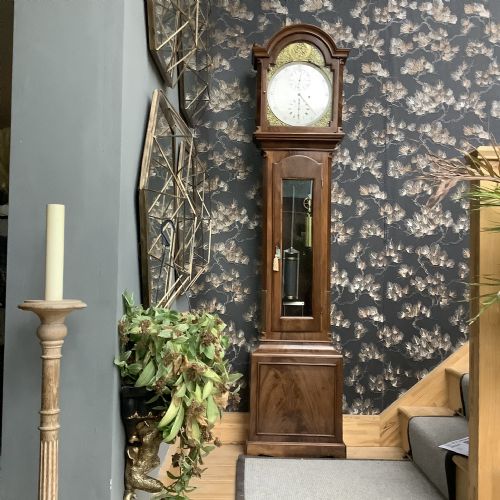


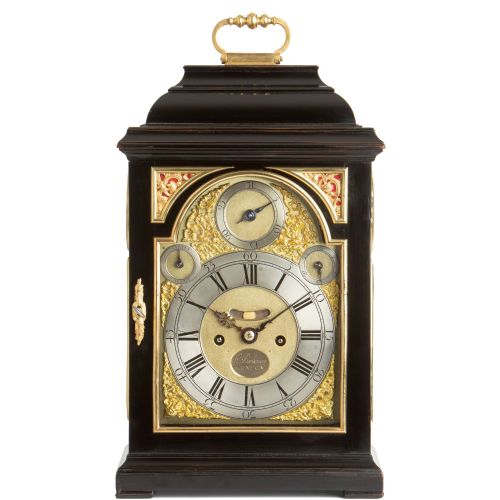
Antique Horology Chiming Clock
An antique horology chiming clock marks the passage of time with acoustic precision while anchoring a room in period design.
Antique Horology Chiming Clock
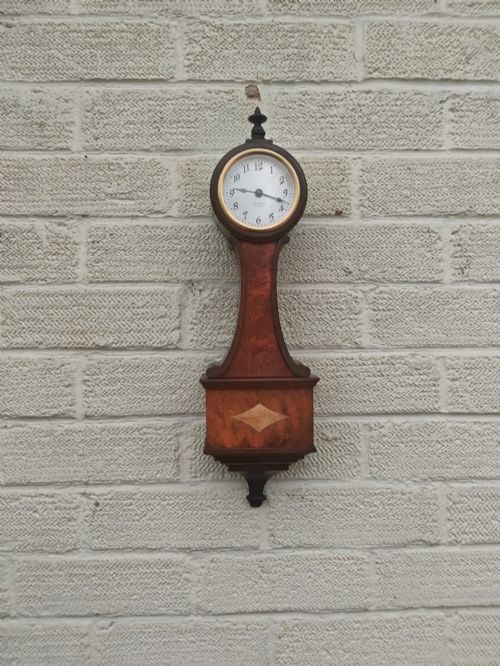
An antique horology chiming clock encompasses mechanical timepieces designed to sound the hour or quarters, spanning mantel, bracket, wall, and longcase formats. These instruments arrive from various eras, including the Georgian, Regency, and Victorian periods, as well as the early twentieth century.
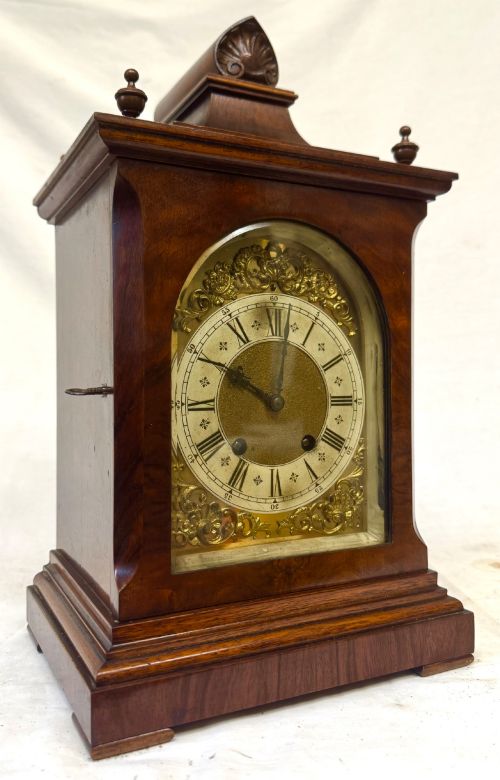
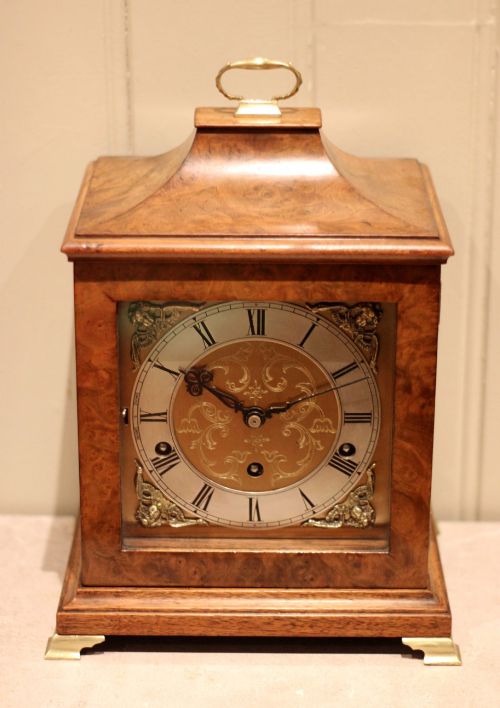
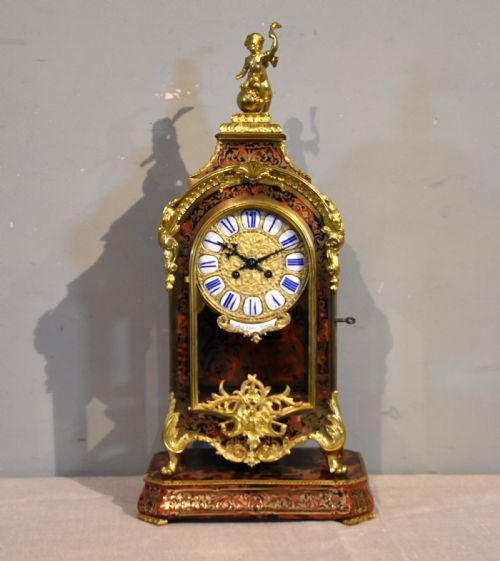
Buyers on this page most frequently encounter bracket and mantel clocks housed in timber or mounted bronze cases. These pieces range from substantial English fusee movements to continental carriage clocks and Vienna regulators.
The selection reflects diverse aesthetic revivals alongside standard nineteenth-century production, incorporating brass dials, enamel chapters, and visible escapements. Each format serves as both a functional timekeeper and a significant decorative object.
Materials and construction
Cabinetmakers constructed the cases using dense hardwoods such as mahogany, walnut, oak, rosewood, and ebonised wood. Brass, gilt bronze, and ormolu provided structural mounts, bezels, and decorative inlays, while glass protected the dial faces.
Clockmakers fitted mechanical movements driven by springs or weights, often utilising fusee or anchor escapements to regulate the beat. Chimes and strikes operated via complex gear trains linked to bells, gongs, or tuned rod assemblies.
Listings feature movements spanning the Georgian, Regency, Victorian, and Edwardian periods, utilising walnut, mahogany, and gilt bronze.
Distinctions in quality
Quality resides in the refinement of the movement and the integrity of the cabinetwork. Finer examples feature complex double fusee movements, quarter-repeating mechanisms, or grande sonnerie capabilities executed by skilled makers.
The execution of the case materials further separates standard production from superior examples. Finely figured burr veneers, precise brass inlay, and cast ormolu mounts indicate a higher tier of craftsmanship.
Lenzkirch·Seth Thomas·Mappin & Webb·J. Condliff Liverpool·Agar Of Malton·Chater & Son London·Winterhalder & Hofmeier·Richard Peckover London·Savory & Fils A Paris
The Antique Horology Chiming Clock Glossary
- Fusee
- A conical pulley used in spring-driven clocks to equalise the diminishing power of the mainspring as it unwinds. This mechanism helps the clock maintain a consistent rate throughout its running period.
- Bracket clock
- A portable tabletop or shelf clock originally designed to sit on a wall bracket. Many feature arched wooden cases with carrying handles on top.
- Grande sonnerie
- A complex striking train complication that chimes the hours and the quarters automatically on every quarter hour. It represents a high level of horological skill.
- Carriage clock
- A small, spring-driven clock designed for travel during the nineteenth century. They typically feature brass gorge cases with glass panels revealing the movement.
- Anchor escapement
- A clock escapement mechanism shaped like an anchor that controls the rotation of the gear train. It regulates the release of power to the pendulum.
Antique Horology Chiming Clock: Frequently Asked Questions
How do I wind a chiming clock?
Winding requires inserting the appropriate key into the designated winding arbours on the dial face. Turn the key gently until you feel firm resistance, avoiding over-winding to protect the mainspring.
Ensure you wind both the time train and the strike train if the movement has dual arbours. Keeping a regular winding schedule maintains consistent tension and accurate timekeeping.
What is the difference between a bracket clock and a mantel clock?
Bracket clocks historically rested upon dedicated wall brackets to project their sound more effectively through a room. Mantel clocks were built specifically to sit flat on a fireplace mantelpiece.
Over time, the terms became largely interchangeable as bracket clocks evolved into freestanding table clocks. Both formats frequently feature striking or chiming mechanisms housed in timber or metal cases.
How do I identify the period of a clock?
Dating relies on stylistic clues in the case design, such as Regency brass inlay or Victorian architectural proportions. Examining the signature or maker's mark on the dial or movement backplate often provides a reliable manufacturing era.
Construction methods within the movement, including the transition from anchor to lever escapements or the presence of fusee chains, also indicate the period. Comparing these elements against known benchmarks establishes the approximate age.
Where should I place my chiming clock?
Position the clock on a stable, level surface away from direct sunlight, heating vents, and damp environments. Wall clocks require secure mounting to a stud or solid masonry to prevent vibrations from disrupting the pendulum.
Allow sufficient clearance around the case for the acoustic projection of the chimes and bells. A stable foundation ensures the escapement beats evenly and the clock keeps correct time.