



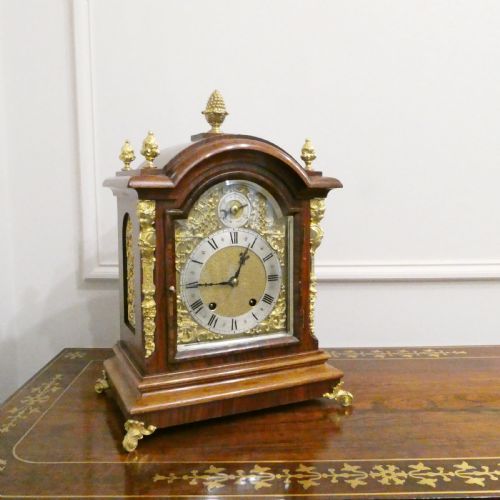
Victorian Chiming Clock
A victorian chiming clock marks the passing hours with resonance, bringing nineteenth-century mechanical craft and acoustic presence directly into a room.
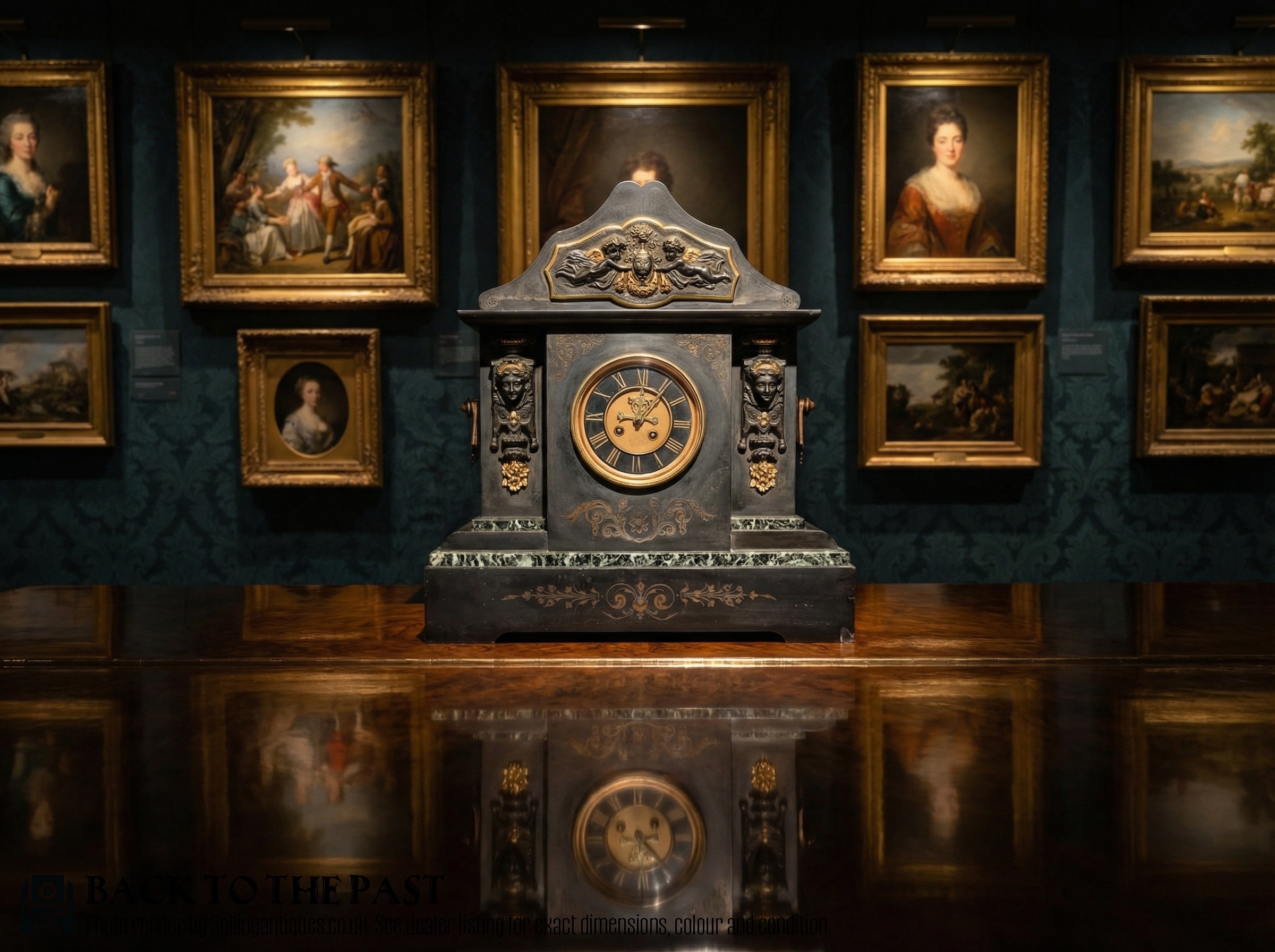
Victorian Chiming Clock
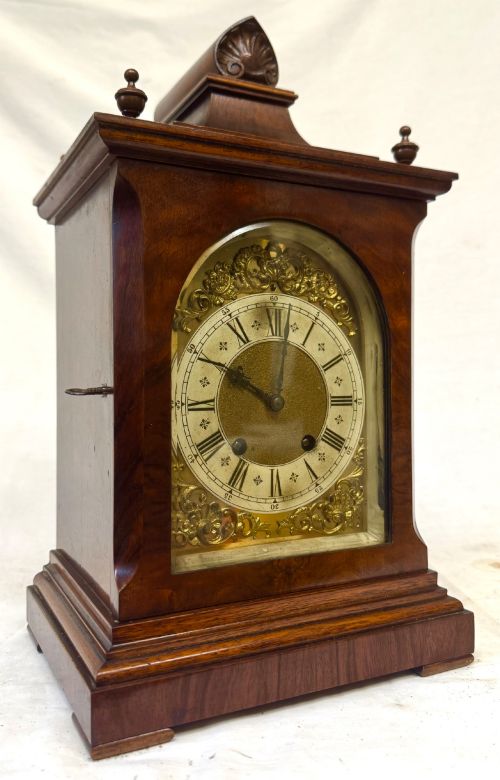
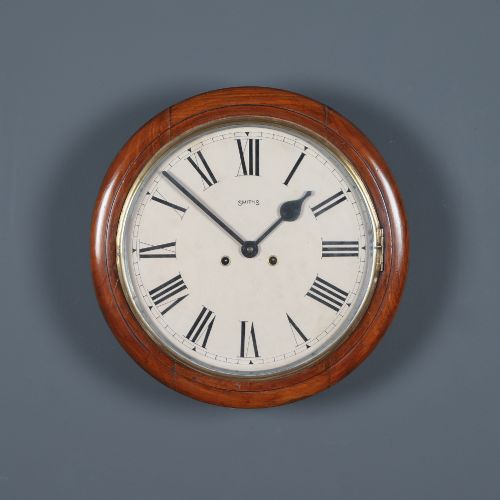
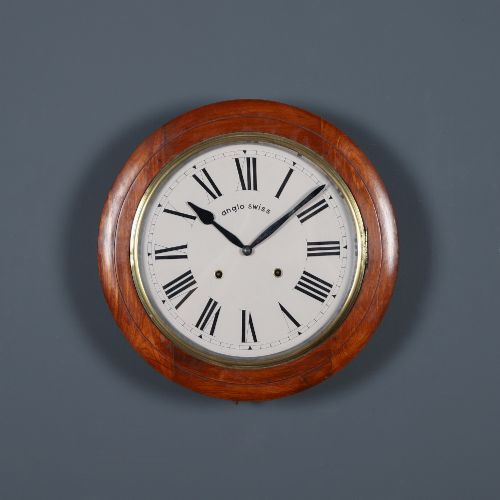
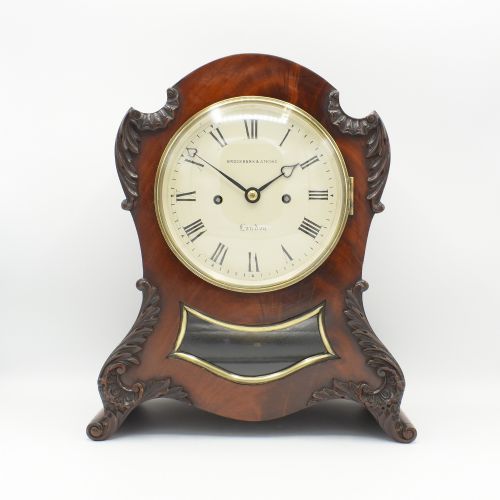
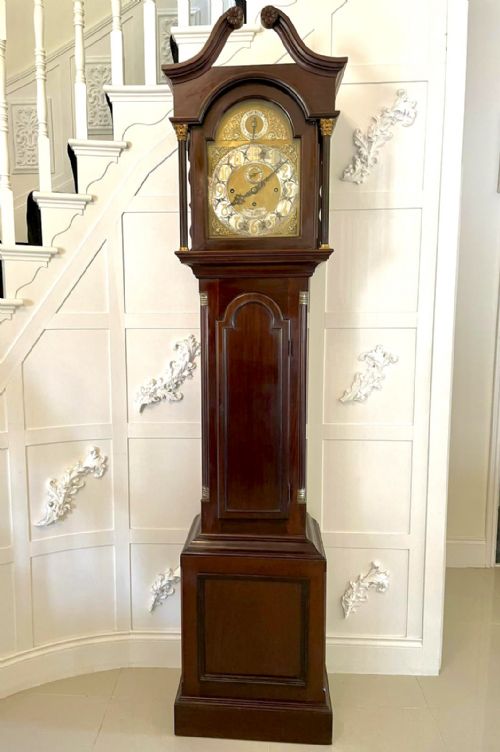
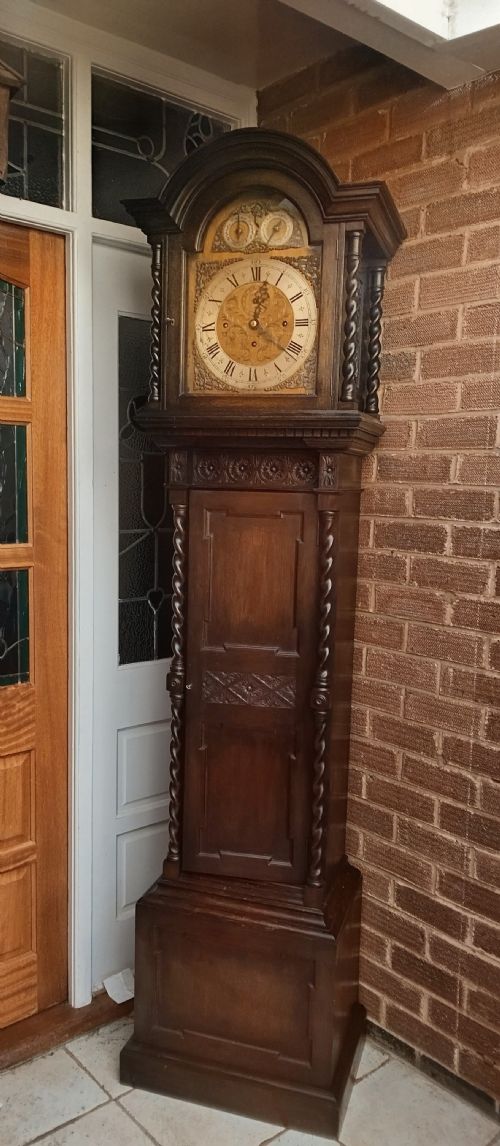
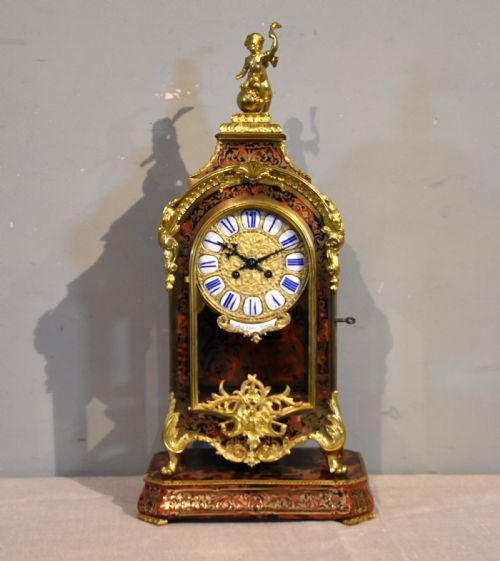
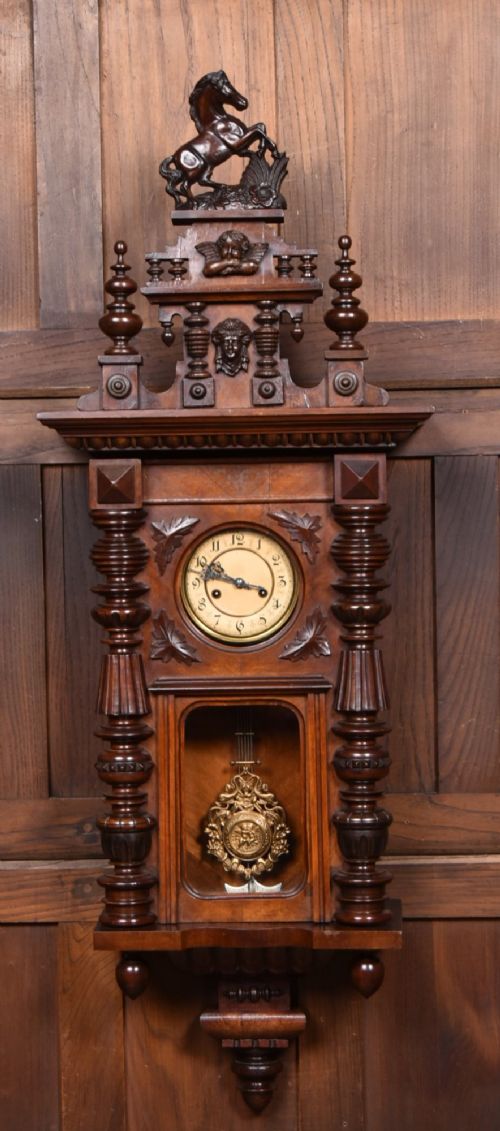
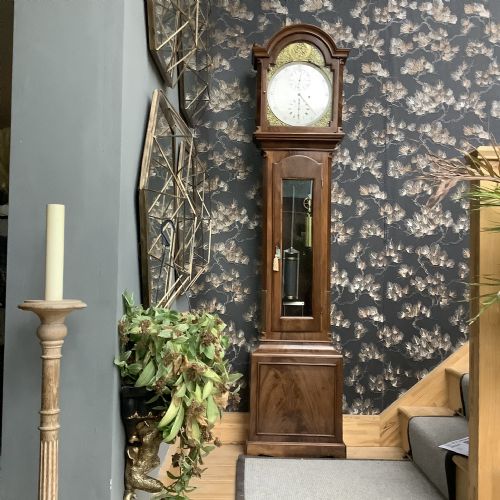
A victorian chiming clock encompasses mantel pieces, wall dials, and tall floor-standing longcase designs driven by weights or springs. The selection spans compact carriage clocks and bracket forms alongside monumental grandfather and grandmother formats.
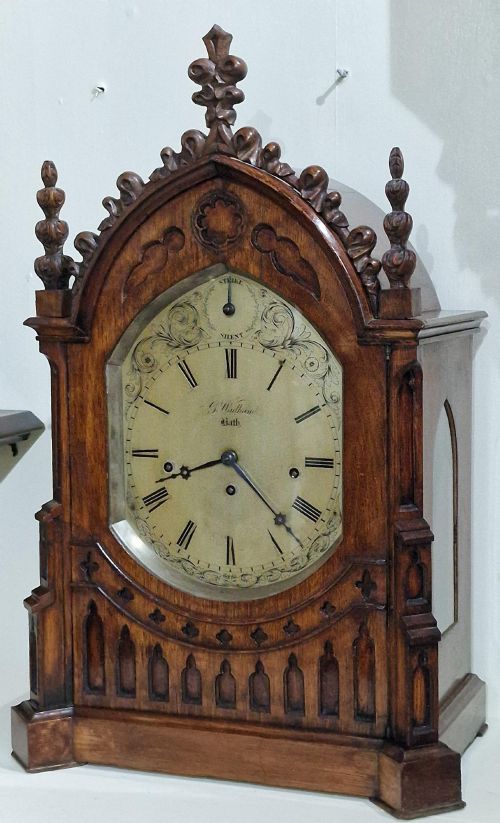
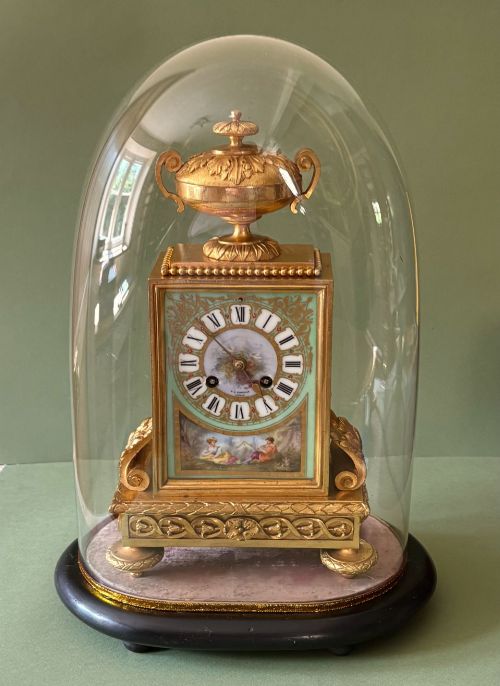
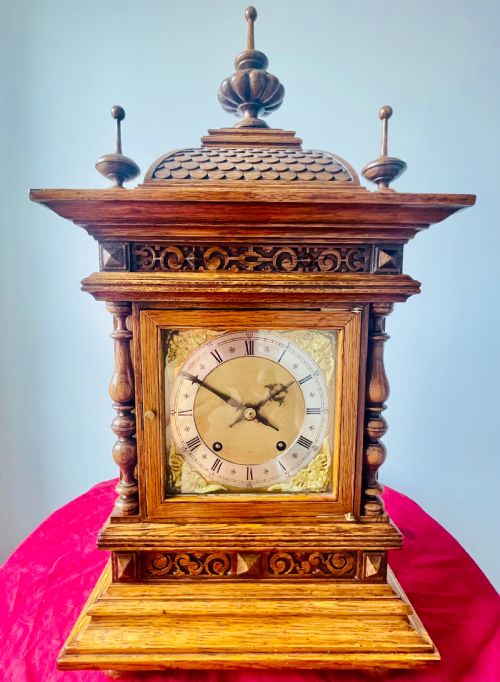
Most pieces date from the nineteenth century, manifesting in styles ranging from plain mahogany cases to elaborate Gothic Revival, Louis XV Revival, and ebonised wood structures. Oak, walnut, and brass are common.
Makers from Britain, Germany, and France populate the options, with movements utilising bells, gongs, or tubes to sound the quarters and hours. These timepieces served both practical timekeeping and domestic display.
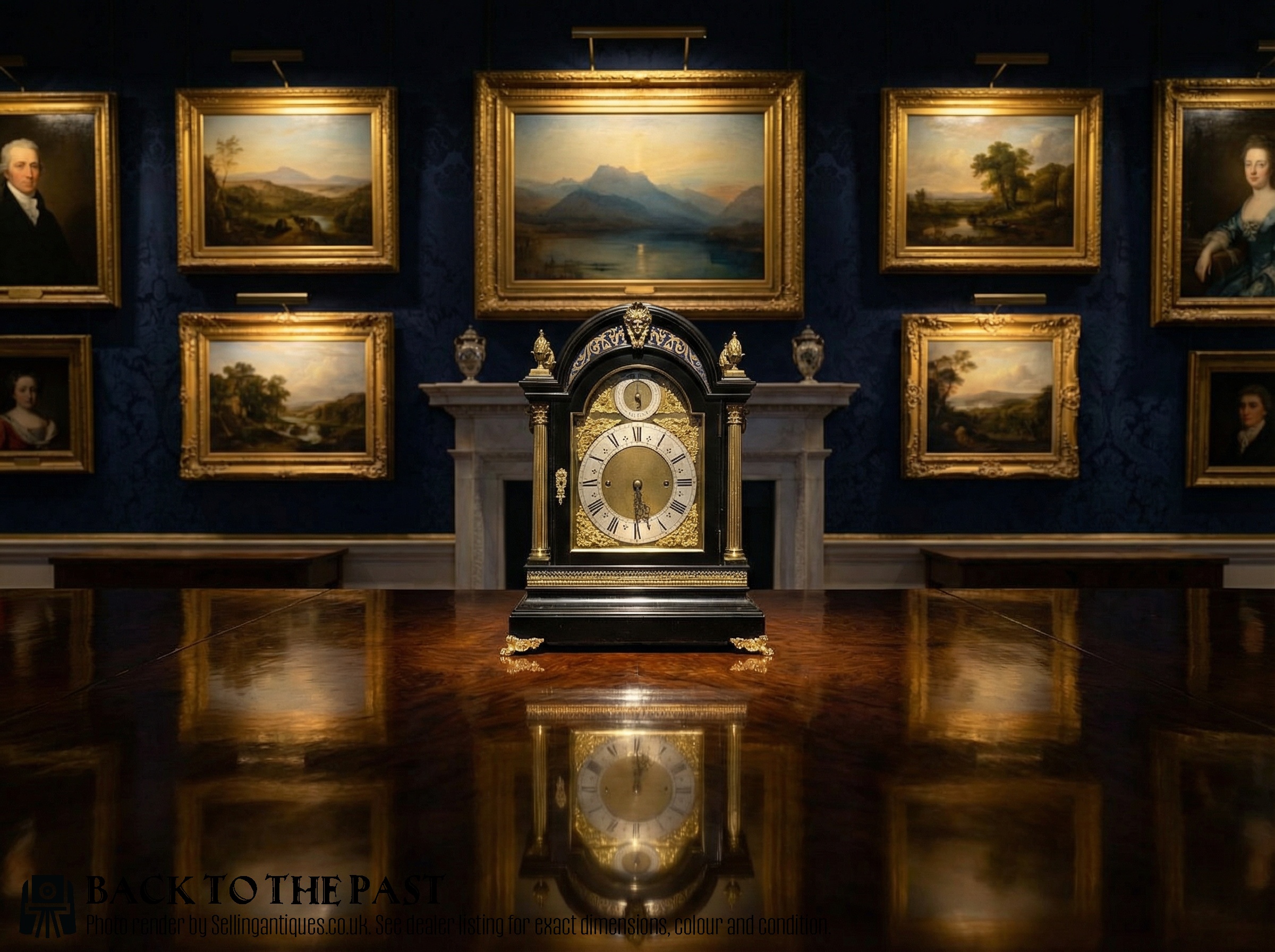
Materials and Construction
Cases combine timbers such as mahogany, oak, and walnut with brass dials, glass panels, and occasional ormolu or porcelain mounts. Wood is often carved, inlaid, or ebonised to achieve distinct revival aesthetics.
Internal movements rely on brass gear trains, fusee or spring-driven power sources, and intricate striking mechanisms. Bells, steel gongs, and metal tubes generate the acoustic chime when triggered by the clockwork.
Victorian Chiming Clock Retail Price Guide 2026
Typical asking prices for victorian chiming clock among the pieces listed under this phrase on Sellingantiques today, from the lower quarter to the upper quarter. They describe what is for sale here now, not the wider market.
Some musical longcase clocks feature up to nine tubular bells, turning an ordinary hourly reminder into a small domestic concert.
Evaluating Craftsmanship
Quality rests in the precision of the movement and the integrity of the case construction. Triple fusee systems and multiple-bell or tube chimes represent higher complexity than simple rack-striking setups.
Material selection and decorative execution separate standard productions from exhibition pieces. Hand-carved mahogany, finely chased ormolu, and crisp enamel dials indicate superior workshop output.
George Wadham Bath·Brockbanks and Atkins·Winsor Bishop Norwich·Winterhalder and Hofmeier·Mappin and Webb·Budgen Croydon
The Victorian Chiming Clock Glossary
- Fusee
- A conical pulley used in better clocks to maintain equal power as the mainspring unwinds. This device ensures consistent timekeeping accuracy across the duration of the wind.
- Ting-Tang
- A two-hammer striking mechanism that sounds two different notes on two bells for the quarters. It provides a distinct melodic punctuation distinct from single-note strikes.
- Bracket clock
- A portable timekeeper originally designed to sit on a wall bracket or table. These pieces frequently feature architectural wooden cases and complex chime trains.
- Grandfather clock
- A tall floor-standing timepiece enclosed in a long wooden case with a swinging pendulum. They often incorporate multiple bells or tubes for quarter-hour chimes.
- Carriage clock
- A small, spring-driven portable timepiece with a glass-panelled brass case developed for travelling. Many Victorian examples include repeating mechanisms and gong strikes.
Victorian Chiming Clock: Frequently Asked Questions
How do I wind a Victorian clock?
Use the appropriate winding key to turn the arbors clockwise or counter-clockwise depending on the specific train layout. Take care not to over-wind the springs or weights.
Consult the individual movement instructions to ensure proper tension is maintained without straining the internal brass gears.
What is the difference between striking and chiming?
A striking clock sounds only the hour count on a single bell or gong. A chiming clock plays a brief musical sequence on multiple bells or tubes before sounding the hour.
Quarter-chiming variants repeat this acoustic performance every fifteen minutes throughout the day.
Where should I place a longcase clock?
Position the longcase against a sturdy interior wall away from direct sunlight, heating vents, and damp areas. A stable floor ensures the pendulum swings evenly.
Level the wooden case using its feet or shims so the beat of the escapement remains uniform and accurate.
How do I identify the period of a clock?
Examine the case style, wood selection, and dial characteristics against known nineteenth-century design movements like Gothic Revival or Louis XV Revival. Maker signatures on the movement backplate also help.
Construction methods, such as hand-cut screws and dial framing, offer further clues to whether a piece originates from the mid or late Victorian era.