


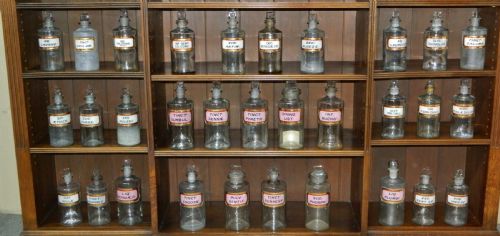
Victorian Chemist Bottle
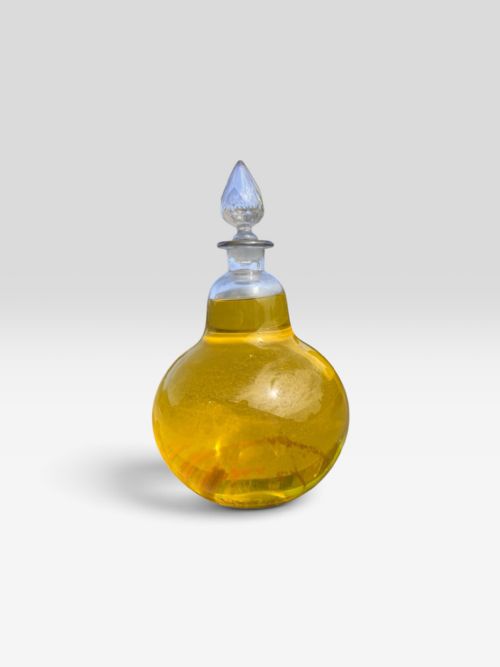
These Victorian chemist bottle pieces are heavy, hand-formed glass vessels that once held apothecary remedies, offering rich colour and authentic period character for display.
Victorian Chemist Bottle
A victorian chemist bottle is a practical glass vessel originating from the nineteenth century, used in apothecaries and pharmacies to store medicinal drugs and compounds. Buyers searching for this phrase encounter various forms, ranging from single cabinet bottles with paper labels to large display carboys and complete medicine chests.
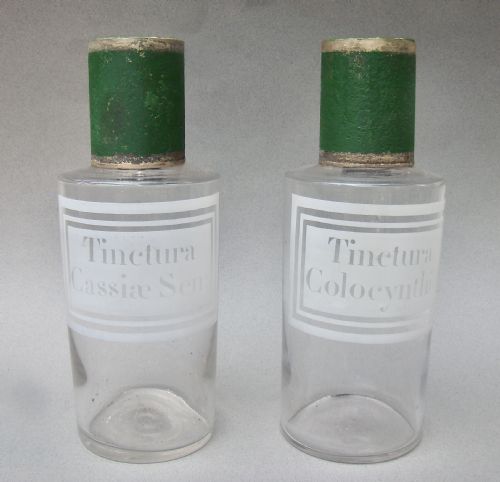
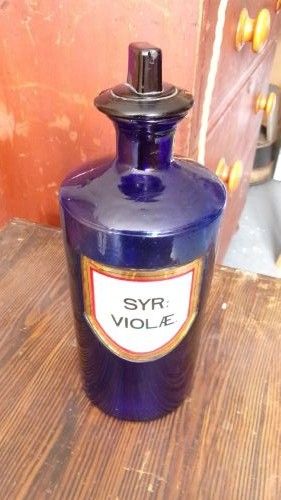
Most items appear in clear glass, rich Bristol blue, or green glass, occasionally accompanied by brass hardware, metal, paint, and gold leaf detailing. Buyers most frequently meet individual bottles, matched sets, or pairs fitted with lollipop stoppers and white labels.
Materials and Techniques
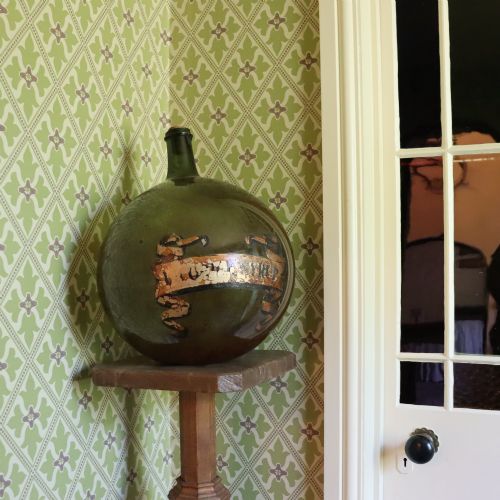
Makers utilised free-blowing and mould-blowing techniques to form the heavy glass bodies required to contain chemical substances safely. Hand-blown glass pharmacy carboys and smaller drug bottles display the characteristic uneven thickness and surface bubbles typical of nineteenth-century production.
Surface decoration involved applied paper labels, etched glass designs, and painted finishes enhanced with gold leaf lettering. Fitted campaign boxes relied on woodworking skills, incorporating brass fixtures to secure miniature glass vessels within internal compartments.
The listings span the nineteenth century and nineteen hundred, utilising glass, paper, metal, and brass.
Assessing Quality and Merit
Quality rests upon the preservation of original components, such as matching lollipop stoppers and intact paper or painted white labels denoting specific apothecary contents. Complete sets and fitted boxes retaining all their original internal bottles command greater interest than isolated examples.
The depth and intensity of coloured glass, particularly vibrant Bristol blue or rich green, elevate the visual impact of a piece. Superior examples demonstrate clean hand-formed glass surfaces with minimal damage, retaining their historical utility and decorative presence.
The Victorian Chemist Bottle Glossary
- Carboy
- A large globular glass bottle or jar used in laboratories and pharmacies for holding liquids. These substantial vessels often sat in windows or on counters to attract custom.
- Lollipop stopper
- A flat, circular glass closure shaped like a confection, designed to seal apothecary bottles tightly. They are characteristic of nineteenth-century pharmacy glassware.
- Bristol blue
- A deep cobalt-blue glass produced in Bristol and other British centres during the eighteenth and nineteenth centuries. It protected light-sensitive medicines from degradation.
- Apothecary chest
- A portable or fitted wooden box containing miniature glass bottles, scales, and compounding tools. Campaign versions were designed for travel.
- Gelatine jar
- A specific type of glass apothecary jar used for storing medicinal preparations or dry ingredients. They often include matching glass covers.
Victorian Chemist Bottle: Frequently Asked Questions
What were chemist bottles used for?
Apothecaries and chemists utilised these glass vessels to store powders, liquids, herbs, and chemical compounds safely on shop shelves or in dispensaries.
Larger carboys held bulk liquids for display in shop windows, while smaller bottles contained specific remedies dispensed to patients.
How do I identify a Victorian bottle?
Nineteenth-century glass typically exhibits pontil marks on the base, hand-formed irregularities, and heavy walls resulting from traditional blowing techniques.
Paper labels, painted white cartouches, and specific stoppers such as the lollipop design further indicate the period of manufacture.
Are medicine chests complete?
Some campaign boxes and chests retain their original sets of miniature glass bottles nestled securely within fitted wooden compartments.
Surviving sets often preserve the original contents or internal paper partitioning, though completeness varies between individual examples.
How should I display these bottles?
Coloured glass vessels appear most striking when positioned near natural light sources to highlight the deep hues of Bristol blue and green specimens.
Grouping sets together on shelves or displaying single carboys creates an authentic nineteenth-century interior aesthetic.