




Victorian Ceramic Wash Basin
A victorian ceramic wash basin brings the practical beauty of nineteenth-century domestic hygiene into a modern interior.
Victorian Ceramic Wash Basin
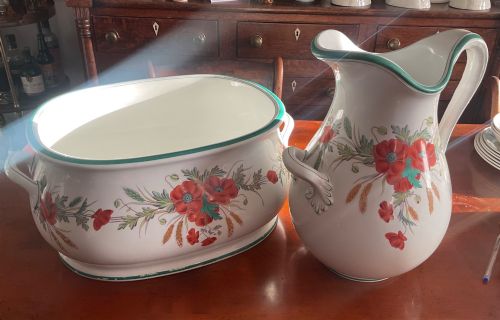
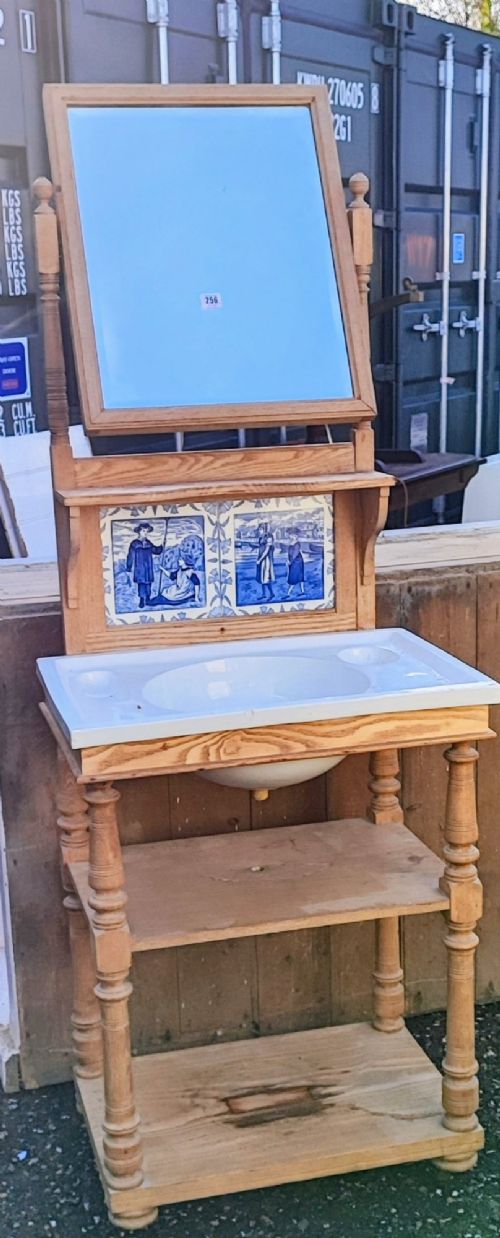
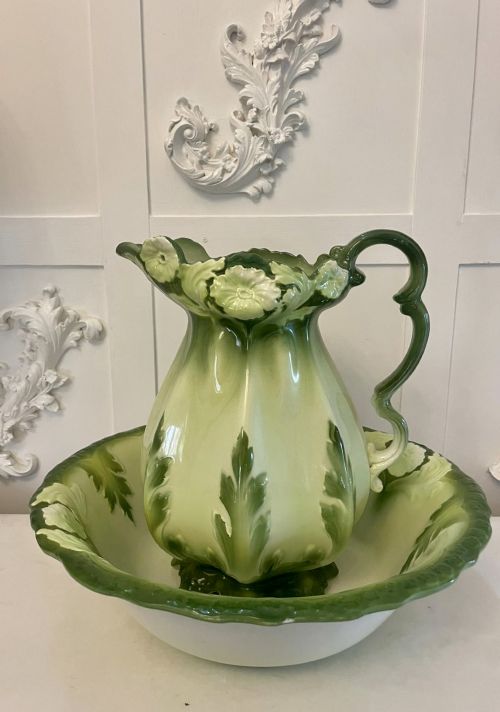
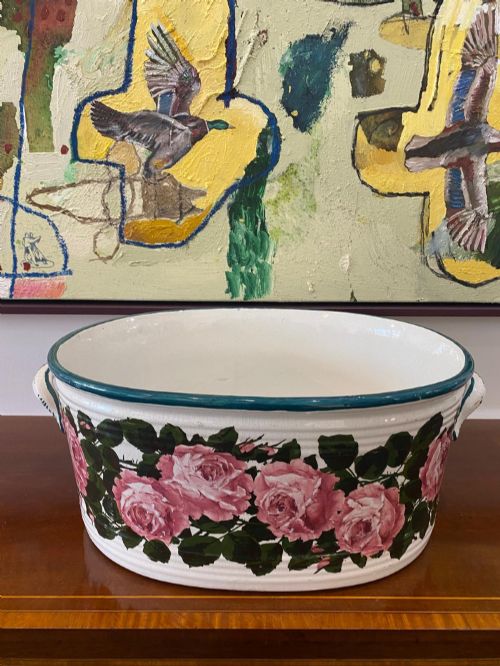
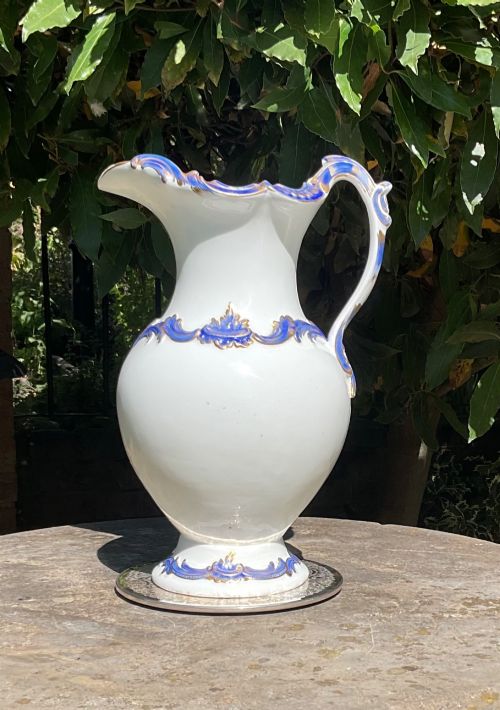
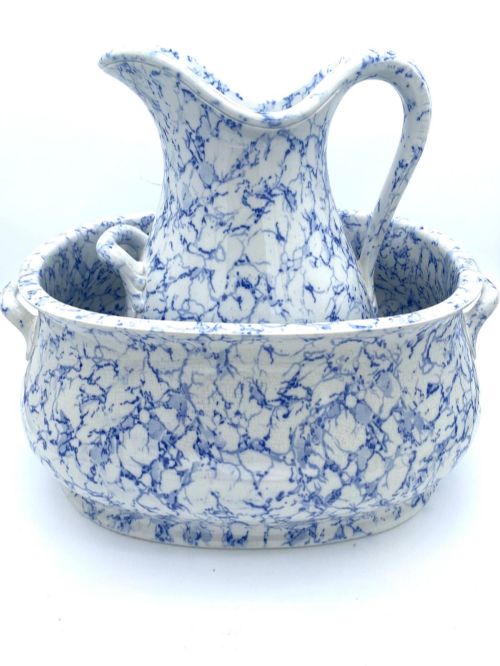
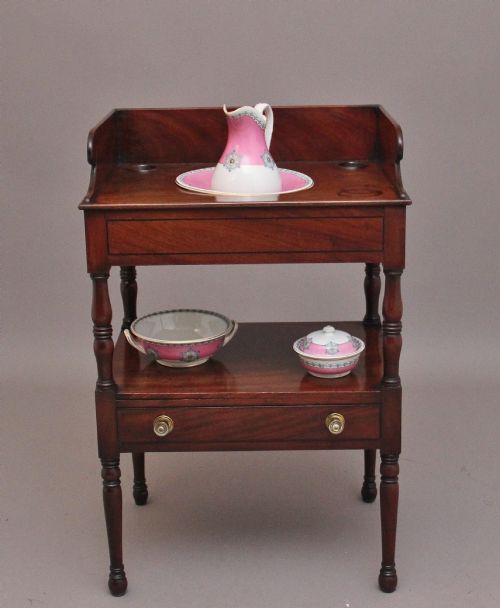
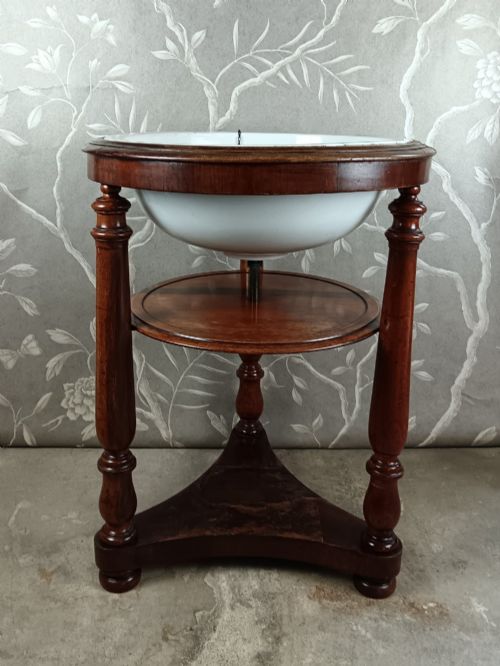
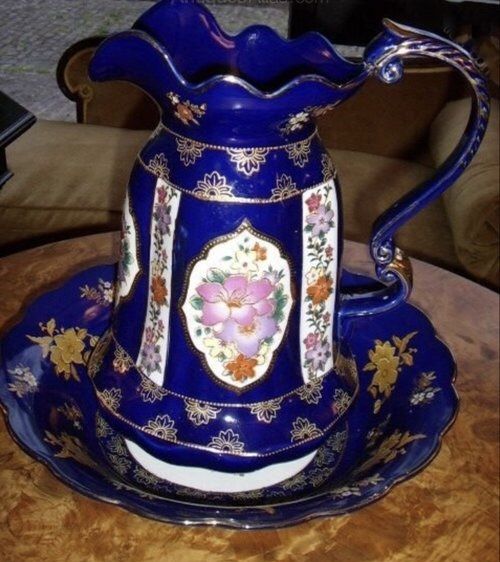
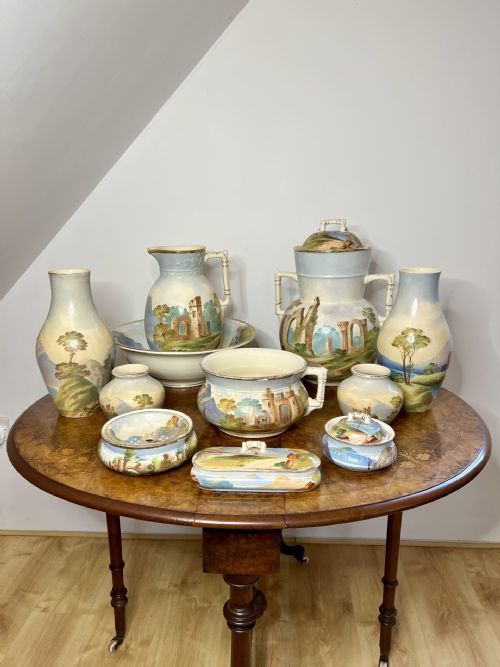
A victorian ceramic wash basin serves as the central vessel in traditional toilet and bathroom sets, often accompanied by a matching water pitcher. These items emerge from the nineteenth century in various configurations, including standalone basins, complete wash sets, and large footbaths. Buyers encounter earthenware, porcelain, and ironstone forms designed for daily ablutions on wooden washstands or campaign furniture.
Materials and production
Potters utilised durable earthenware, porcelain, and ironstone to shape each basin and jug, applying smooth glazes to seal the clay body. Decoration often involved transfer printing in flow blue or cobalt blue, complemented by hand-painted enamel highlights and occasional gilt detailing.
Makers formed the structural washstands from sturdy hardwoods such as mahogany and ash, occasionally pairing the ceramic basins with brass fittings or bentwood frames. The firing of large footbaths and basins required specialised kilns to achieve the vitrified finishes characteristic of nineteenth-century Staffordshire potteries.
Victorian Ceramic Wash Basin Retail Price Guide 2026
Typical asking prices for victorian ceramic wash basin among the pieces listed under this phrase on Sellingantiques today, from the lower quarter to the upper quarter. They describe what is for sale here now, not the wider market.
Miniature wash sets allowed Victorian children to practice their morning routine on a scale suited to dolls.
Judging the pieces
Quality rests upon the crispness of the transfer print, the depth of the glaze, and the preservation of any enamel or gilt decoration. Finer examples display intricate patterns like the Italian Marble or specific named ceramic designs without smudging or firing faults in the clay.
The presence of a matching pitcher elevates a basin, particularly when both items share identical factory marks and consistent colour saturation. Completeness across a multi-piece bathroom set or integration with a fitted wooden washstand also distinguishes superior specimens.
Wemyss·Mann & Co·Masons·Doulton Burslem·Copeland
The Victorian Ceramic Wash Basin Glossary
- Flow blue
- A cobalt blue transfer printing style developed in the nineteenth century where the colour intentionally blurred slightly into the white glaze during firing.
- Ironstone
- A heavy, durable type of earthenware patented in the nineteenth century that resisted chipping better than standard pottery.
- Footbath
- A large, deep ceramic vessel designed for soaking feet before the widespread adoption of built-in indoor plumbing.
- Gaudy Welsh
- A style of colourful pottery featuring cobalt blue, copper lustre, and red enamel highlights, popular in nineteenth-century households.
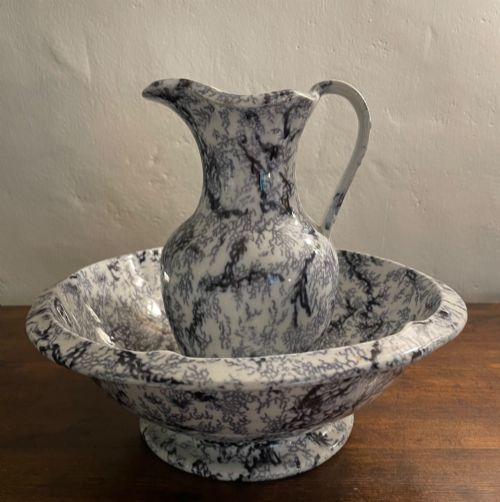
- Spongeware
- Pottery decorated by applying pigment with a sponge or stipple method to create a mottled pattern across the ceramic surface.
Victorian Ceramic Wash Basin: Frequently Asked Questions
How were wash basins used?
These basins sat atop wooden washstands in bedrooms or dressing rooms, holding water poured from a matching pitcher for morning and evening washing.
Servants carried water to fill the jugs, and the set provided a complete portable washing station before plumbed bathrooms became standard.
Are these basins watertight?
Most pieces retain their glazed ceramic integrity and hold water securely for daily use in modern homes.
Buyers should examine each interior surface, as nineteenth-century earthenware can occasionally develop hairline crazing over decades of service.
How do I date a basin?
Makers marks on the underside, combined with decorative styles like Art Nouveau or flow blue transfer printing, indicate the manufacturing period.
The weight of the ironstone and the composition of the accompanying washstand also help narrow down the decade of production.
Can I use them today?
Many collectors place these basins on modern countertops or tables as decorative plant holders, fruit bowls, or functional bathroom sinks.
Their robust ceramic construction allows them to integrate smoothly into contemporary living spaces with minimal care.