






Victorian Ceramic Wall Plate
A victorian ceramic wall plate brings nineteenth-century colour and hand-painted detail directly to domestic interiors.
Victorian Ceramic Wall Plate
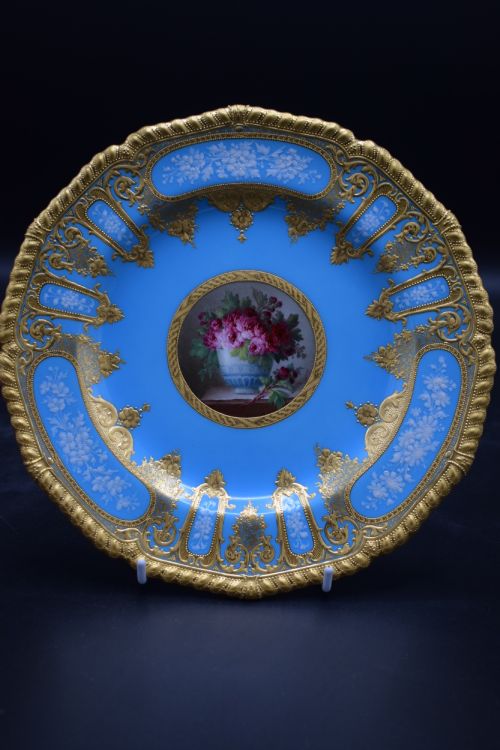
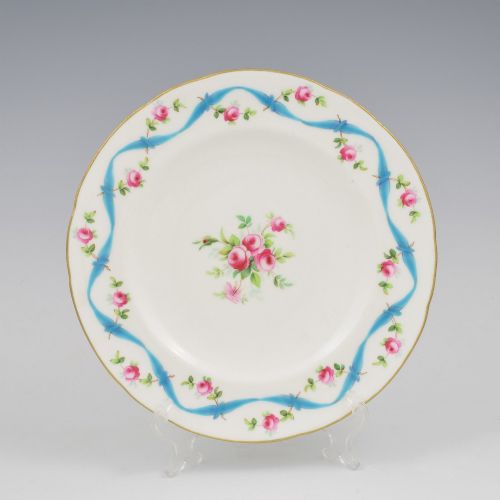
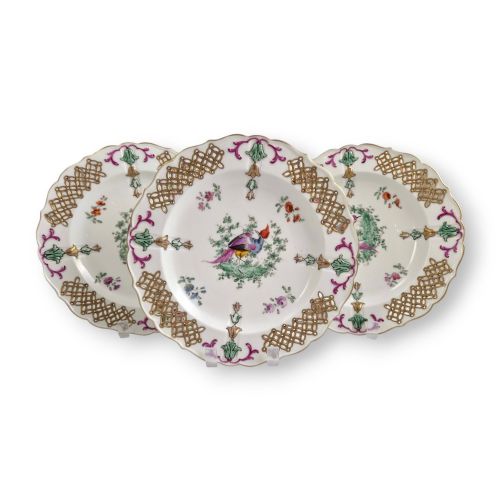
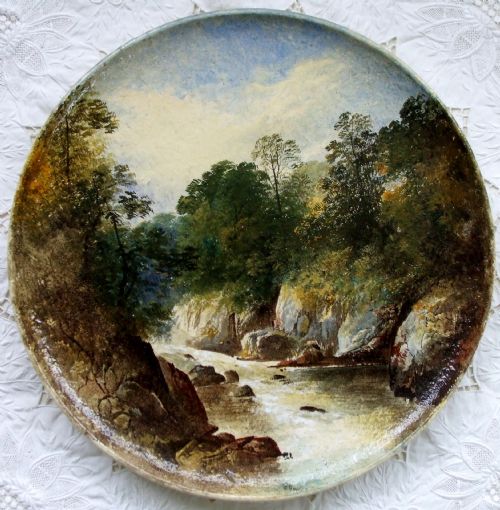
A victorian ceramic wall plate encompasses decorative plaques, cabinet plates, and chargers designed primarily for display rather than dining. The examples found here span earthenware, ironstone, and fine porcelain, often featuring pierced rims or dedicated hanging mounts.
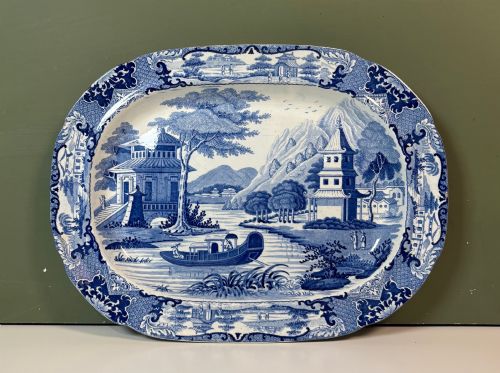
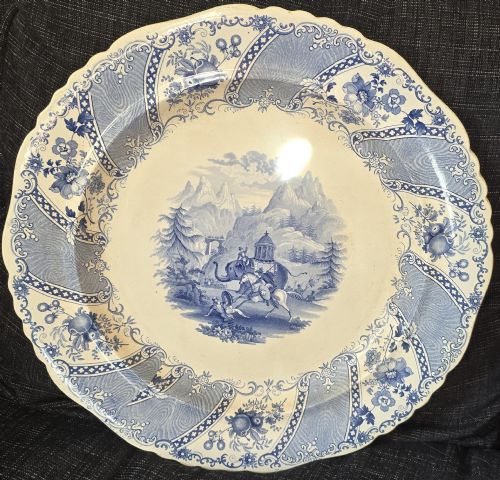
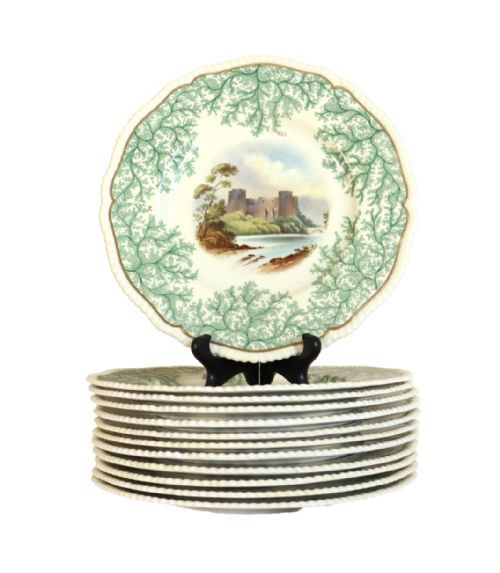
Makers ranged from large English potteries like Minton and Copeland to continental factories producing transfer-printed or hand-painted scenes. Landscapes, armorial crests, and blue and white patterns dominate the forms available on this page.
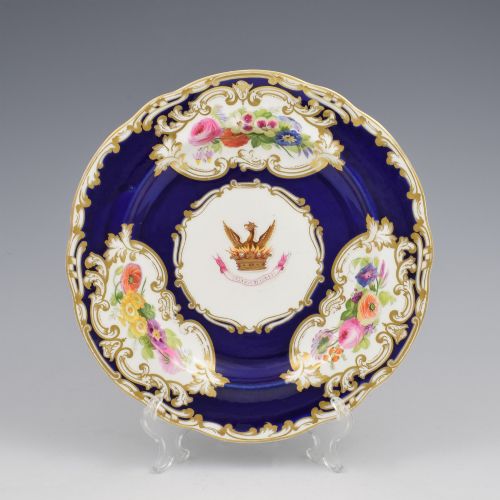
Buyers encounter both individual cabinet pieces and larger sets intended for sideboard display. The aesthetic varies from utilitarian blue and white transferware to elaborate gilt-trimmed porcelain plates created for international exhibitions.
Materials and production
Potters shaped these objects using earthenware, ironstone, or refined porcelain bodies before applying glaze and mineral pigments. Transfer printing allowed factories to transfer complex blue and white engravings onto dinner plates and platters with immense consistency.
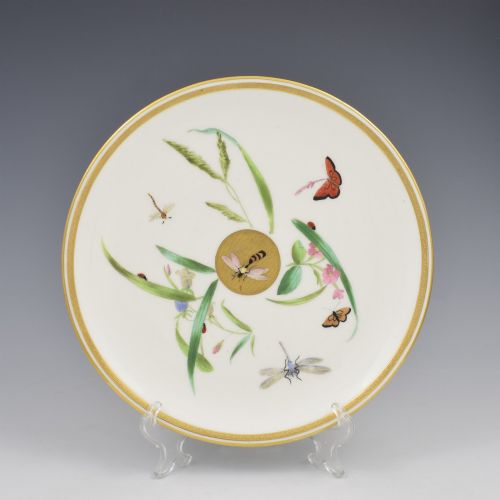
Hand-painting required skilled artisans to apply enamel colours and gold leaf over or under the glaze, followed by high-temperature firing in kilns. Techniques such as pate-sur-pate built up raised white slip designs against coloured porcelain grounds.
Reticulation involved manually cutting intricate openwork patterns into the soft clay rims before firing. Glaze formulations determined whether the finished surface achieved a high-gloss finish or a heavier, crackled majolica texture.
Victorian Ceramic Wall Plate Retail Price Guide 2026
Typical asking prices for victorian ceramic wall plate among the pieces listed under this phrase on Sellingantiques today, from the lower quarter to the upper quarter. They describe what is for sale here now, not the wider market.
Listings feature nineteenth-century materials including ironstone, porcelain, and earthenware alongside decorative finishes such as enamel and gold leaf.
Assessing quality
The refinement of the ceramic body and the precision of the hand-painted detailing dictate the standing of each piece. Fine porcelain cabinet plates display crisp brushwork and controlled gilding, whereas utility earthenware relies on simpler transfer-printed motifs.
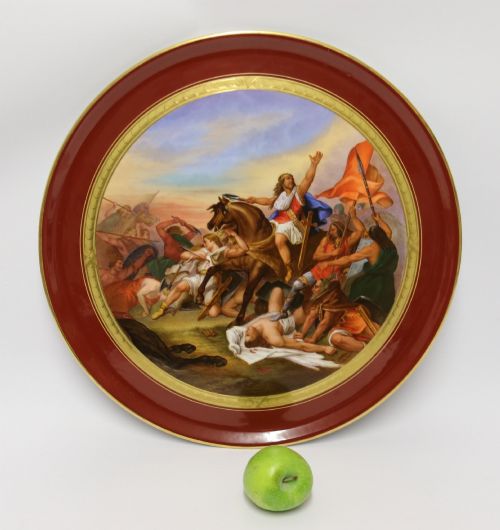
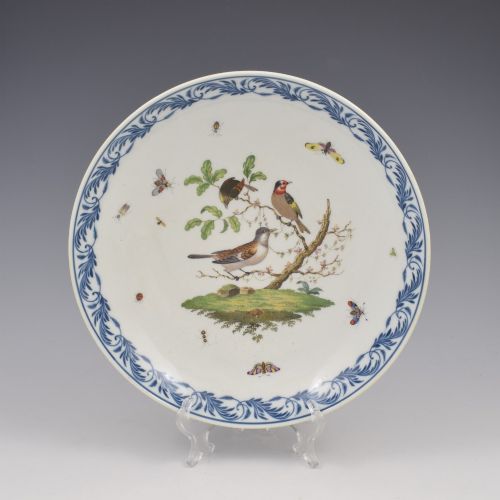
The complexity of the subject matter, such as detailed ornithological studies or historical battle scenes, separates standard production from exhibition-grade pieces. Armorial plates bearing specific family crests indicate bespoke commissions executed with higher artistic ambition.
Condition and the preservation of original gilding and enamel colours influence the desirability of antique ceramic wall plates. Intact reticulation and unblemished transfer prints demonstrate superior original craftsmanship and careful subsequent handling.
William Smith And Co·Royal Crown Derby·John Ridgway·Meissen
The Victorian Ceramic Wall Plate Glossary
- Charger
- A large decorative plate or platter intended for display on a sideboard or wall rather than general dining use.
- Reticulation
- An openwork pattern pierced through the rim of a ceramic plate before firing to create a decorative lattice effect.
- Ironstone
- A durable heavy earthenware body patented in the nineteenth century to imitate Chinese porcelain while offering greater strength.
- Pate-sur-pate
- A ceramic decoration technique where successive layers of liquid white clay are built up on a coloured body to form a low relief design.
- Transferware
- Pottery decorated by applying a paper transfer printed from an engraved copper plate onto the ceramic surface.
Victorian Ceramic Wall Plate: Frequently Asked Questions
Were these plates meant for dining?
Many larger chargers and reticulated cabinet plates were produced exclusively for visual display on walls or sideboards. Standard dinner plates and dessert plates saw practical use before transitioning into decorative collections.
Heavier ironstone and earthenware pieces served robust dining functions, whereas delicate porcelain cabinet plates remained protected behind glass or hung securely on walls.
How do I hang a wall plate safely?
Displaying these items requires adjustable brass spring hangers that grip the rim securely without causing structural stress. Alternatively, specialist flat-backed wall hooks can engage existing foot rim perforations.
Professional framing or custom wall brackets provide stable support for heavier chargers and porcelain plaques without damaging the ceramic body.
What is the difference between ironstone and porcelain?
Ironstone is a dense, opaque earthenware developed for strength and everyday resilience, possessing a sturdy weight and thick body. Porcelain is a vitrified, translucent material fired at higher temperatures to produce a refined, resonant surface.
Porcelain allowed for delicate hand-painted cabinet pieces and intricate reticulated rims, while ironstone suited transfer-printed domestic services.
How do I identify Japanese influences on these plates?
Aesthetic movement and Imari styles display distinct Japanese motifs such as asymmetrical compositions, fans, sunbursts, and stylized flora. British potteries eagerly adopted these orientalist designs during the late nineteenth century.
Palettes often combine deep cobalt blues with rust reds and heavy gold leaf, mimicking traditional Meiji period ceramics.