

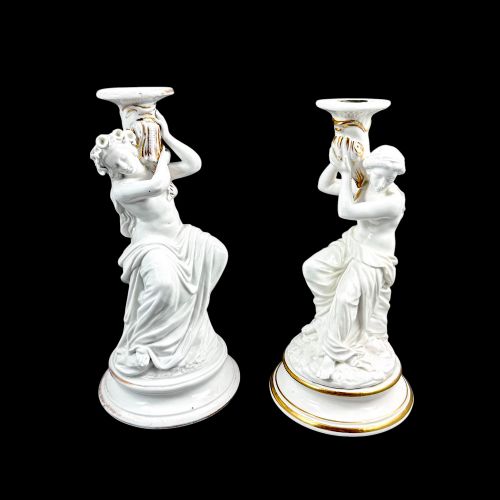


Victorian Ceramic Stick Holder
These victorian ceramic stick holder pieces are functional hall furnishings designed to keep umbrellas and walking canes tidy, offering practical utility and period character.
Victorian Ceramic Stick Holder
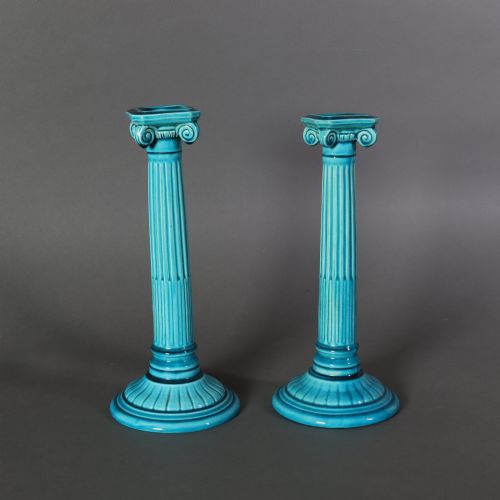
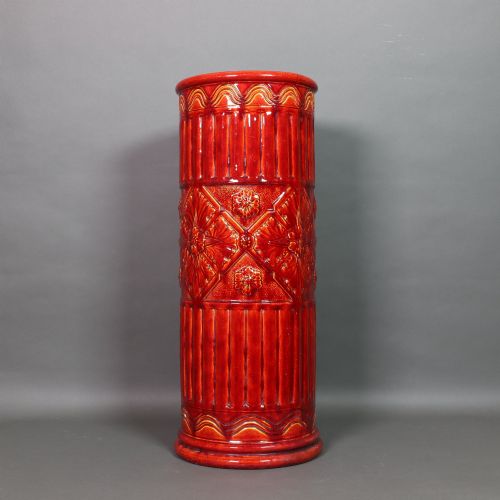
A victorian ceramic stick holder serves as a dedicated hallway vessel for containing wet umbrellas and walking sticks, appearing in forms such as barrel stands and glazed pottery cylinders.
The pieces on this page span the nineteenth century and the Edwardian era, encompassing distinct regional output and stylistic revivals.
Makers utilised various ceramic bodies including glazed earthenware, saltglaze stoneware, and faience to construct these robust hall furnishings.
How they were made
Potters shaped clay into substantial cylindrical vessels using earthenware, stoneware, and porcelain bodies suited to daily domestic use.
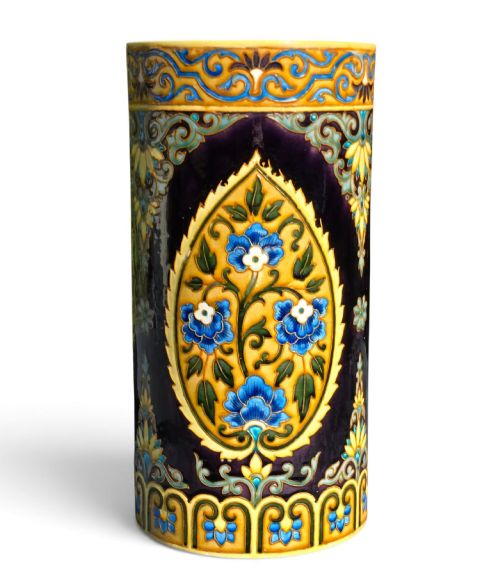
Surfaces received applied glazes, enamels, and periodic gilding to achieve decorative finishes ranging from majolica to Iznik-inspired motifs.
Victorian Ceramic Stick Holder Retail Price Guide 2026
Typical asking prices for victorian ceramic stick holder among the pieces listed under this phrase on Sellingantiques today, from the lower quarter to the upper quarter. They describe what is for sale here now, not the wider market.
Some nineteenth-century makers evidently expected heavy walking sticks, building vessels sturdy enough to double as indoor tree trunks.
What varies in quality
Quality rests upon the crispness of the ceramic moulding and the richness of the glaze application across the body.
The sophistication of the stylistic execution distinguishes standard utilitarian wares from ambitious aesthetic pottery creations.
Théodore Deck·Burmantofts·Royal Worcester Hadley·Mason's·Sutherland & Sons·Coalbrookdale
The Victorian Ceramic Stick Holder Glossary
- Faience
- Tin-glazed earthenware decorated with opaque coloured glazes. This technique allowed potteries to achieve vibrant surface patterns.
- Majolica
- A type of pottery covered in an opaque tin glaze and painted with metallic oxide colours. It gained popularity during the nineteenth century for its rich hues.
- Saltglaze stoneware
- A dense pottery type fired at high temperatures where common salt is thrown into the kiln. This produces a characteristic textured surface resembling orange peel.
- Earthenware
- Porous pottery fired at lower temperatures than stoneware. It requires a glaze coating to become completely watertight.
Victorian Ceramic Stick Holder: Frequently Asked Questions
What are stick holders used for?
These vessels were placed in hallways to hold walking sticks, canes, and umbrellas upright.
They protected wooden floors from dampness brought in from outside.
How do I clean ceramic stands?
Dust with a dry cloth and remove internal moisture carefully to protect the glaze.
Avoid harsh abrasives that might damage historic ceramic surfaces.
Are all stands ceramic?
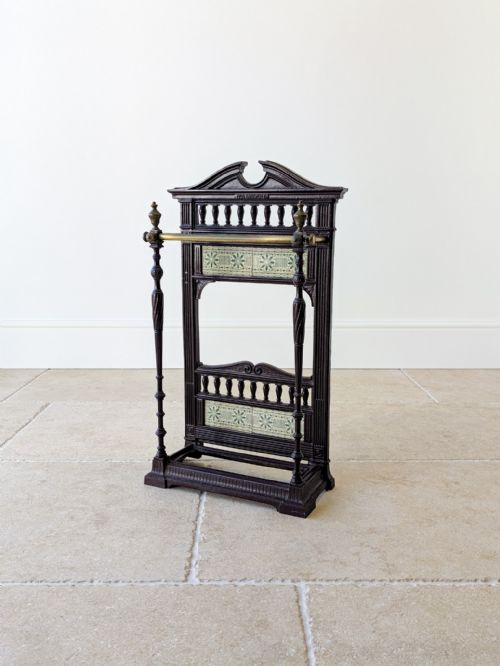
While many examples feature ceramic or porcelain bodies, some hall stands incorporate metal elements.
Materials range from saltglaze stoneware to glazed earthenware.
How do I date these pieces?
Dating relies on stylistic movements, maker marks, and the specific composition of the ceramic body.
Pieces on this page span the Victorian and Edwardian eras.