



Ceramic Stick Stand
A ceramic stick stand holds heavy hallway walking gear with the substance and colour that only fired clay provides.
Ceramic Stick Stand
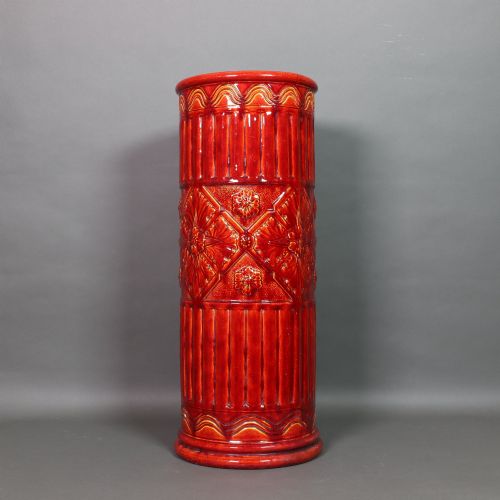
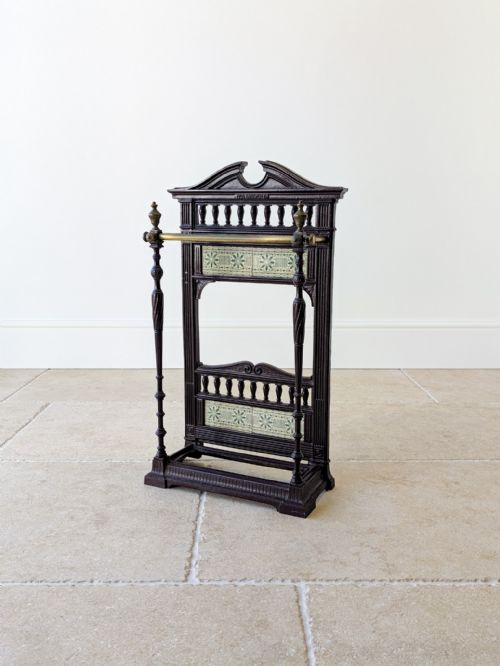
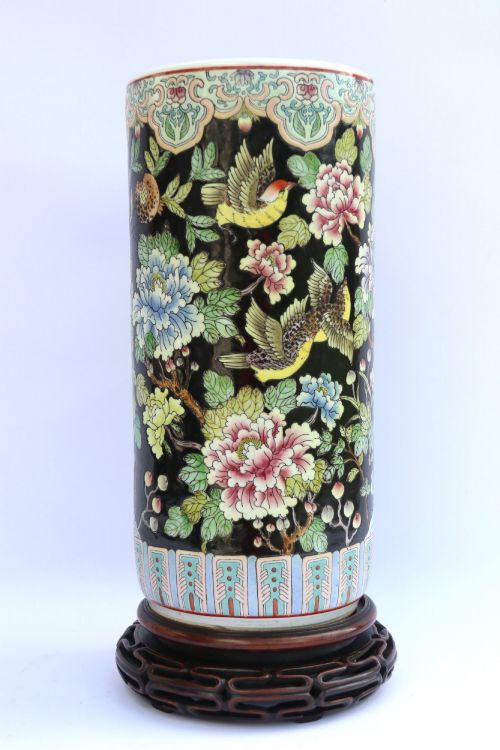
A ceramic stick stand is a heavy, upright vessel designed to hold walking sticks, canes and umbrellas in an entrance hall or porch. Buyers seeking a ceramic stick stand encounter substantial glazed cylinders, barrels and urns originating from the Victorian, Edwardian and early twentieth-century periods.
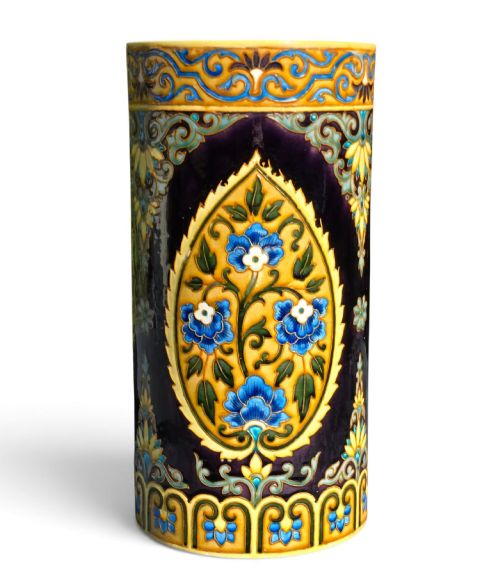
The forms span simple saltglaze stoneware barrels and studio pottery alongside elaborate creations in majolica, faience and Iznik-revival earthenware. Many examples double as umbrella stands, offering a waterproof interior base to catch rainwater from wet metal tips.
Makers from Staffordshire potteries to Japanese export workshops produced these hall pieces in distinct regional styles, ranging from British art pottery to Qing style export porcelain.
Materials and methods
These pieces rely on durable earthenware, stoneware and porcelain bodies formed into thick-walled cylinders or barrels capable of withstanding the daily impact of heavy wood and metal sticks. Potters applied liquid clay slips and opaque lead or salt glazes to seal the porous clay against dampness.
Decoration involved hand-painted pigments, moulded relief patterns and transfer printing under glossy transparent glazes. Majolica and faience examples utilised rich coloured enamel glazes fired onto an opaque white tin-glaze ground for high decorative impact.
Ceramic Stick Stand Retail Price Guide 2026
Typical asking prices for ceramic stick stand among the pieces listed under this phrase on Sellingantiques today, from the lower quarter to the upper quarter. They describe what is for sale here now, not the wider market.
Listings feature ceramic, porcelain, earthenware and saltglaze stoneware across Victorian, Edwardian and Arts and Crafts styles.
Distinctions in craftsmanship
Quality separates standard utilitarian hall vessels from ambitious art pottery through the ambition of the modeller and the depth of the glaze. A superior piece displays crisp moulded detail or confident hand-painted brushwork rather than flat, mechanical transfer printing.
The richness and stability of the glaze define the success of the finish, with poorly controlled firings resulting in dull surfaces or unsightly kiln flaws. Heavier, well-balanced walls prevent the tall cylinder from tipping when loaded with multiple heavy walking sticks.
Théodore Deck·Burmantofts Faience·Bretby·Fukagawa
The Ceramic Stick Stand Glossary
- Majolica
- A porous earthenware covered with an opaque tin glaze and painted with brightly coloured metal oxides. This technique produces vibrant, glossy surfaces that withstand heavy use.
- Saltglaze
- A stoneware finish created by throwing common salt into the kiln during high-temperature firing. The salt vaporises and reacts with the clay body to form a durable, pitted orange-peel texture.
- Faience
- A type of fine earthenware decorated with coloured glazes over an opaque tin-lead enamel. It was widely utilised by late nineteenth-century art potteries for decorative hall furniture.
- Iznik Revival
- A late nineteenth-century artistic movement that copied the brilliant cobalt blues, turquoise and tomato reds of traditional Ottoman ceramics. These pieces feature dense floral and geometric motifs.
- Stoneware
- A heavy, dense ceramic fired at high temperatures until the clay vitrifies and becomes completely non-porous. It offers exceptional strength for utilitarian vessels.
Ceramic Stick Stand: Frequently Asked Questions
How do I clean a ceramic stick stand?
Wash the interior with warm soapy water and a soft brush to remove dust and dried mud brought in by wet umbrellas. Avoid harsh metal scrapers that might scratch the interior glaze.
Dry the base thoroughly with a cloth before replacing walking sticks to prevent lingering moisture from damaging the unglazed foot ring.
Can I use it for heavy walking sticks?
These robust vessels were specifically engineered to hold heavy wooden walking canes and iron-tipped umbrellas without tipping over. The dense ceramic walls provide the necessary weight at the base.
Distribute heavier items evenly around the perimeter of the cylinder to maintain balance during daily use.
How do I tell Victorian from Edwardian stands?
Victorian examples frequently display heavy majolica glazes, dense floral relief moulding or bold aesthetic movement patterns. They prioritize rich, dark colour palettes and ornate surface texture.
Edwardian and later pieces often lean towards cleaner studio pottery forms, brighter art pottery glazes or stylised arts and crafts motifs.
Will water damage the unglazed base?
Most antique stands feature a glazed interior designed to contain damp umbrella tips without seeping through the clay body. However, prolonged standing water can occasionally discolour the porous earthenware beneath.
Place a small plastic or ceramic saucer inside the bottom of the cylinder if you regularly store very wet umbrellas.