

Victorian Ceramic Pot
When you handle a victorian ceramic pot, you hold domestic history in your hands, formed from clay and glaze to serve daily life.
Victorian Ceramic Pot
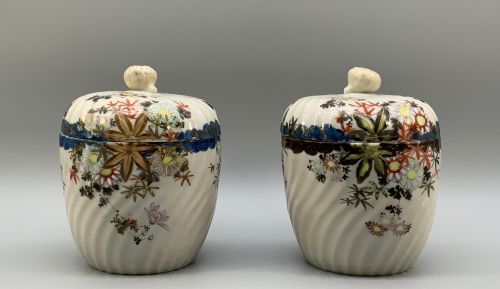
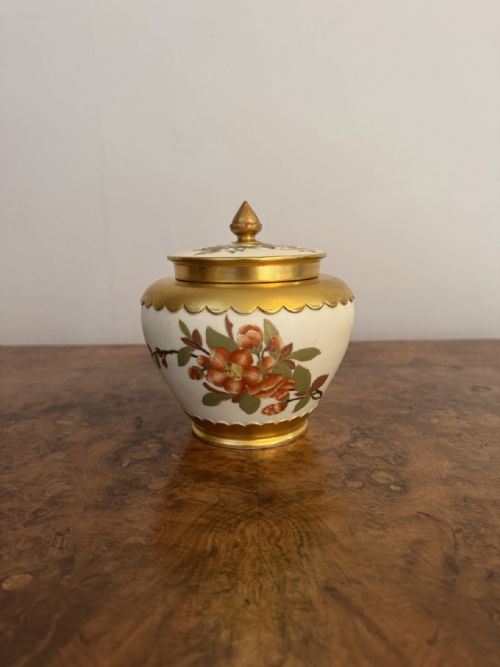
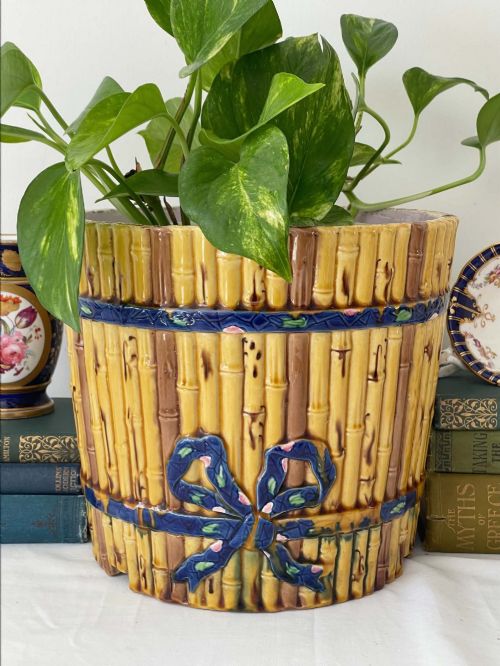
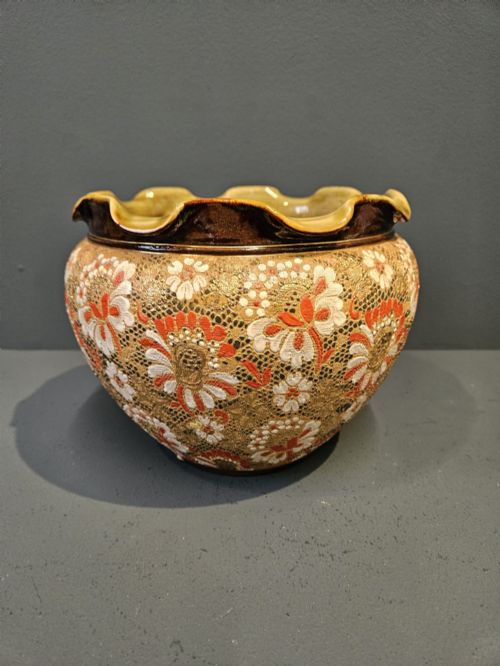
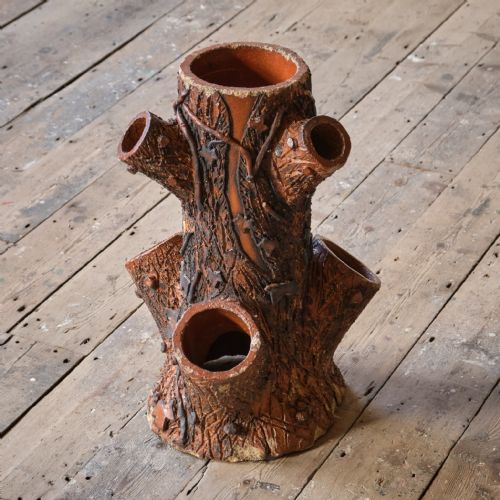
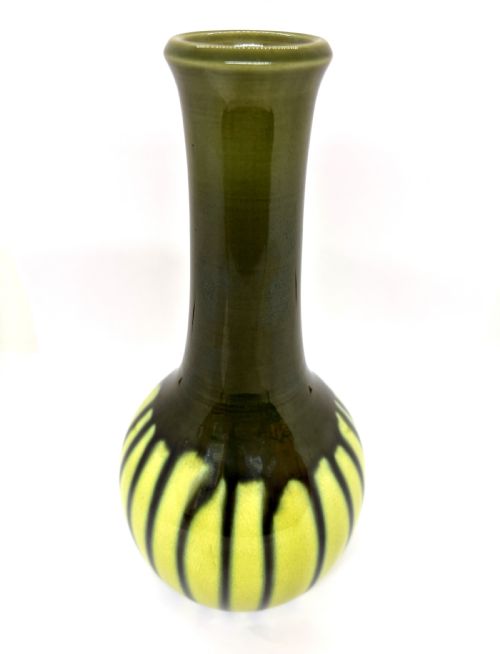
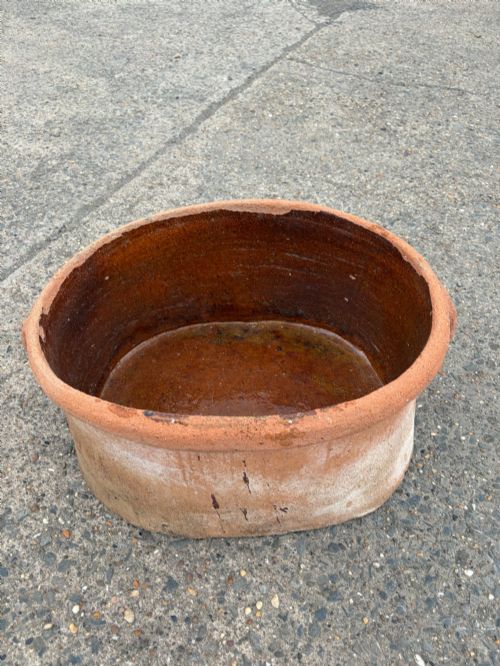
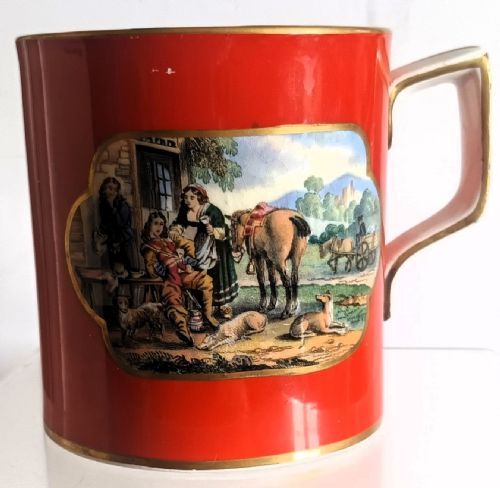
A victorian ceramic pot encompasses a wide variety of functional and decorative vessels created during the nineteenth century and the early twentieth century. Buyers encounter everything from large jardinieres and planters down to smaller lidded pots, tobacco jars, and apothecary containers.
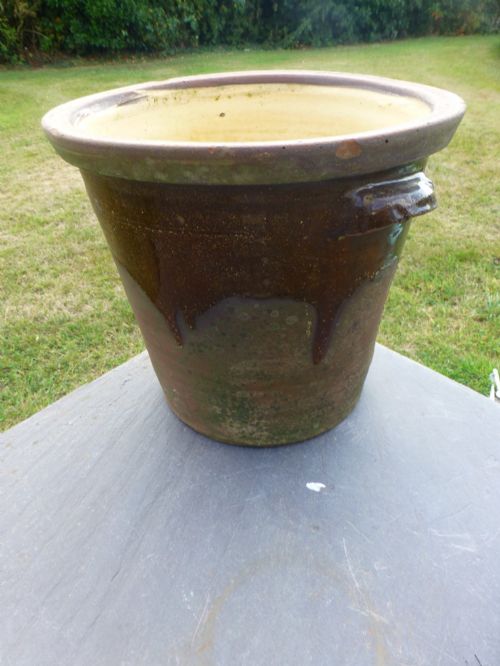
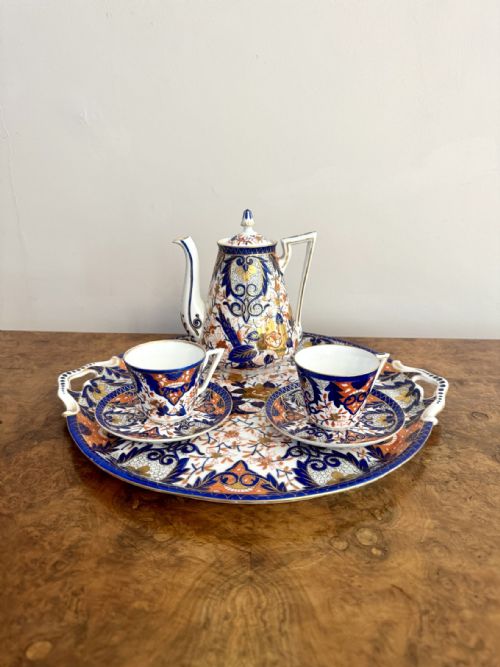
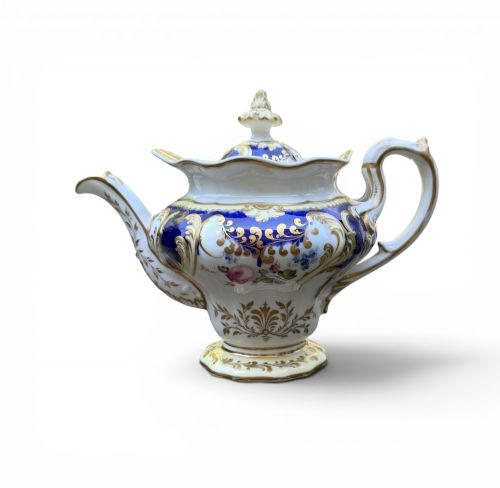
The selection ranges from utilitarian dairy salting crocks and chamber pots to highly decorative majolica, transfer-printed tableware, and porcelain pieces. English factories dominate the selection, alongside continental porcelain and occasional Japanese imports of the period.
Materials and methods
Potters utilised earthenware, stoneware, terracotta, and porcelain, applying glazes, enamel, and occasional gold leaf to the fired bodies. Many vessels feature hand-painted details, transfer-printing, or moulded relief decoration characteristic of nineteenth-century ceramic technology.
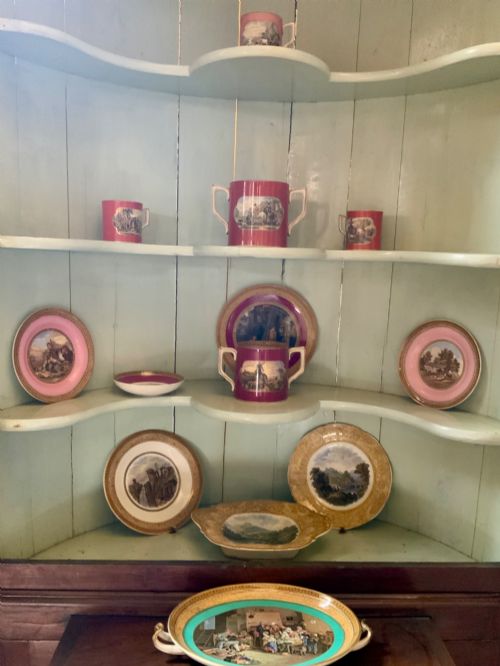
Specialised techniques produced distinct finishes, such as the rich slip-painted surfaces of majolica, the textured patterns of Slaterware, and the crisp blue-and-white designs of transferware.
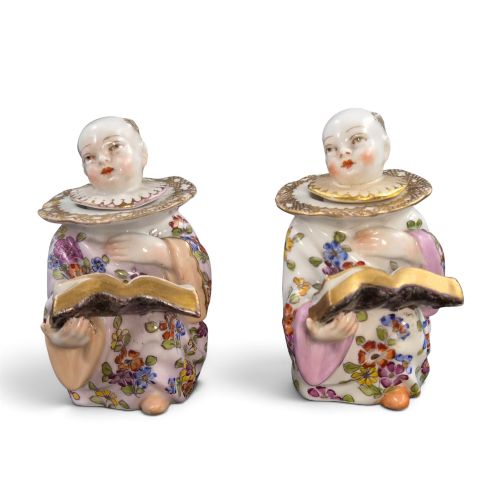
Some nineteenth-century potters hid miniature singing boys and cheeky pierrots inside inkwells and tobacco jars to surprise the unwary guest.
Judging the work
Quality rests in the crispness of the moulding and the skill of the hand-painting, where tighter brushwork and richer glaze application distinguish superior pieces. Factory execution plays a major role, as output from established makers exhibits more refined bodies and controlled kiln work than everyday utilitarian wares.
Condition and completeness also govern the hierarchy, with surviving original lids, matching stands, and untouched surfaces commanding greater appreciation among collectors.
Royal Worcester·Edmé Samson·Minton·Doulton Lambeth·Burmantoft's Pottery·William Adams And Sons·W.A. Adderley·Royal Doulton·Samuel Alcock And Co
The Victorian Ceramic Pot Glossary
- Majolica
- A type of earthenware glazed with lead-based opaque colours, popular for its vibrant hues and moulded botanical or figural designs.
- Jardiniere
- A large ornamental pot or stand designed to hold a growing plant or floral arrangement indoors.
- Transferware
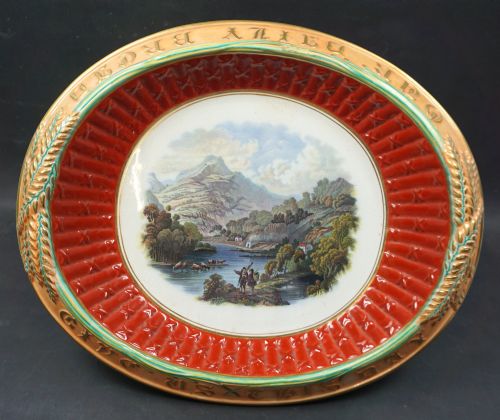
- Pottery decorated by pressing a design from an engraved copper plate onto tissue paper, which was then transferred onto the unglazed or bisque ceramic body.
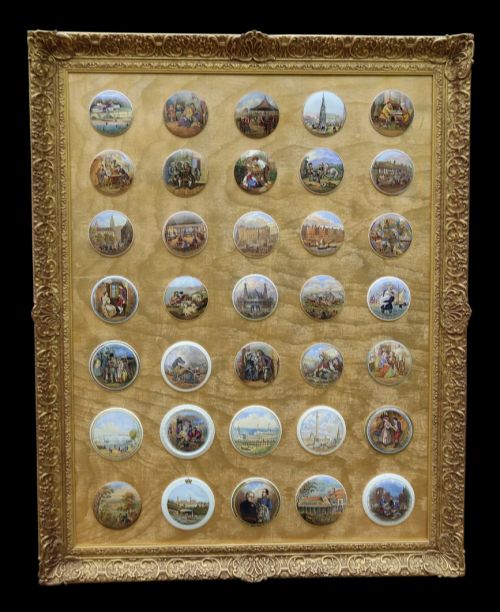
- Prattware
- English earthenware known for multicoloured underglaze printing, frequently seen on pot lids, plaques, and small jars depicting historical scenes or landscapes.
Victorian Ceramic Pot: Frequently Asked Questions
What is a jardiniere used for?
These large ornamental pots served to house potted plants inside nineteenth-century homes, protecting furniture from moisture.
They often stood on matching ceramic pedestals or directly on tabletops in formal rooms.
How do I clean an antique pot?
Gentle dusting with a soft dry cloth preserves the fragile glaze and any delicate enamel work.
Water and harsh detergents should be avoided on porous earthenware or pieces with repaired sections.
How are dates told apart?
Makers' marks, registration diamonds, and specific stylistic shifts help date these ceramics to distinct decades.
Transfer-printed patterns and colour palettes also point towards specific manufacturing periods within the nineteenth century.
Were these pots purely decorative?
Many pieces fulfilled strictly practical household duties, ranging from food storage and dairy work to personal hygiene.
Over time, items like tobacco jars and potpourri pots transitioned from utility to parlour display.