


Victorian Ceramic Lid
When you handle a victorian ceramic lid, you touch a small fragment of nineteenth-century domestic life shaped by skilled hands.
Victorian Ceramic Lid
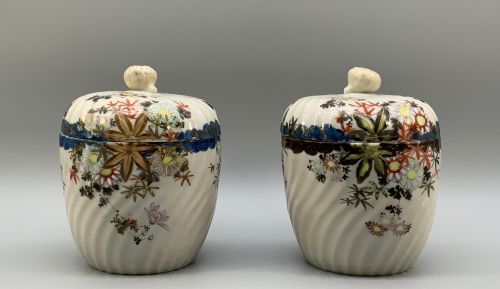
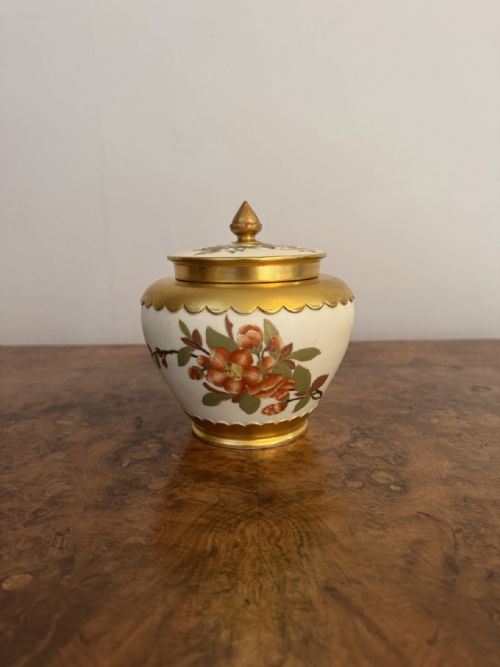
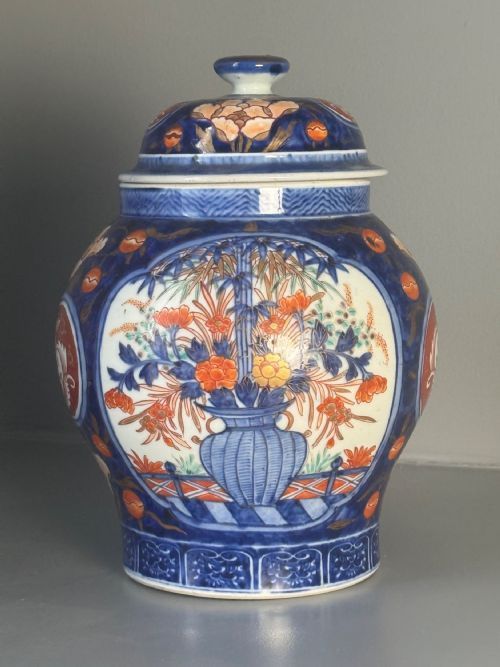
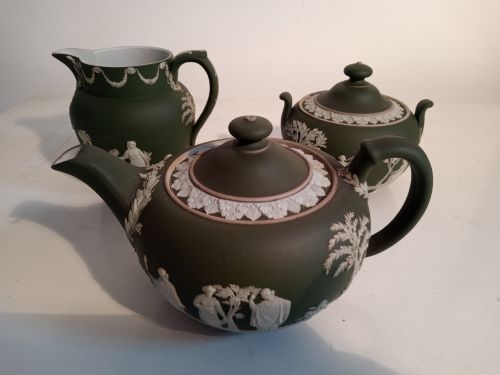
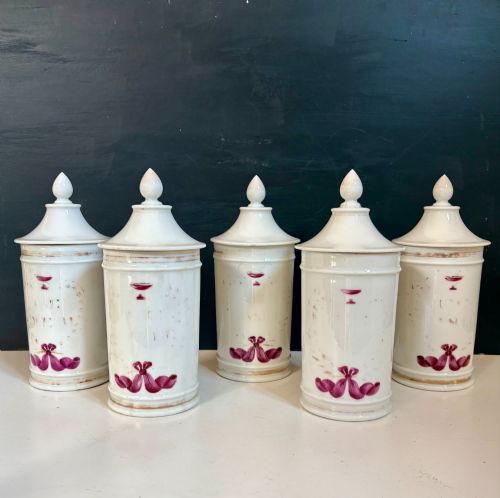
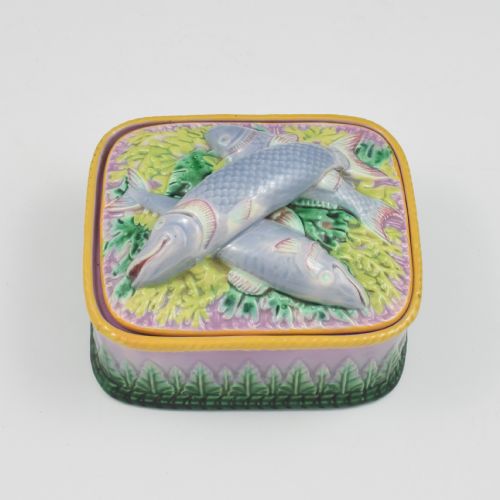
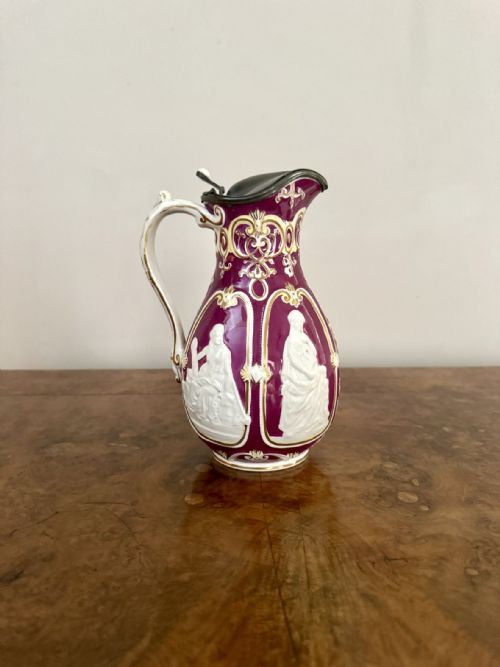
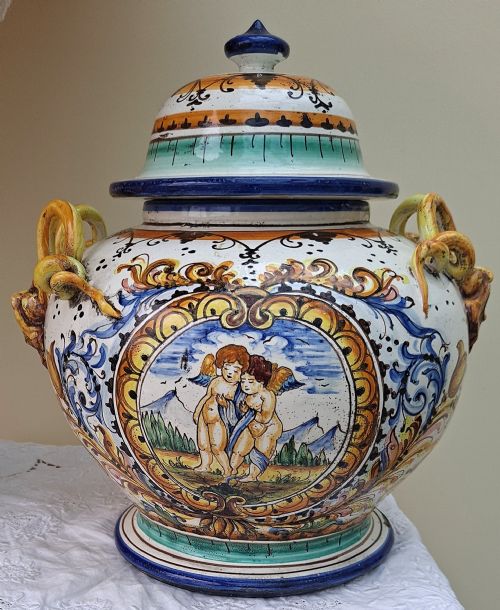
A victorian ceramic lid typically survives from a larger vessel such as a potpourri jar, butter dish, or tobacco jar, reflecting the varied containers used in nineteenth-century households. These items appear across ceramic and porcelain bodies, often accompanied by decorative styles ranging from classical motifs to transfer-printed scenes.
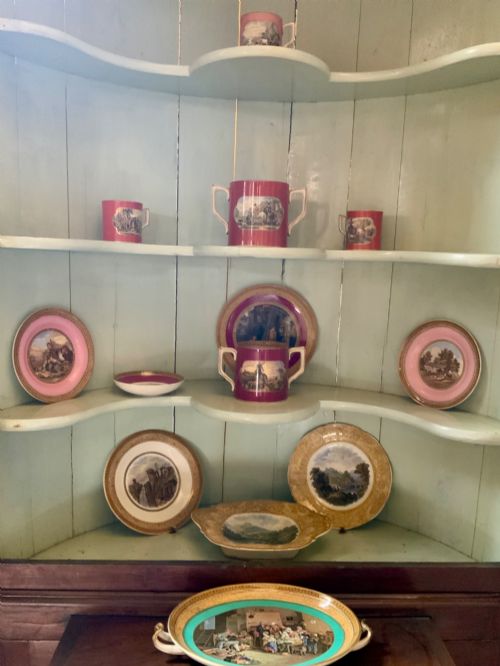
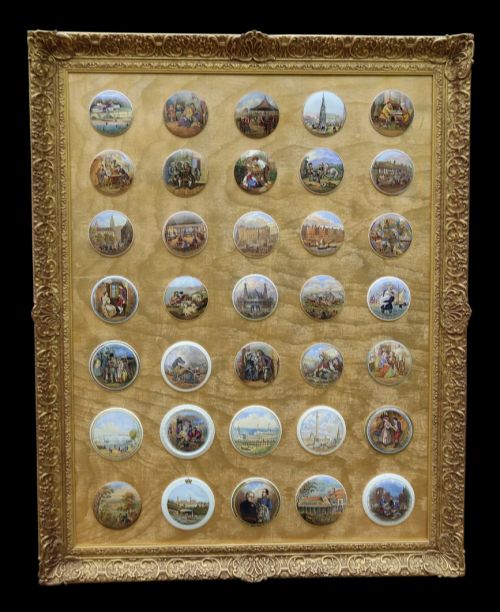
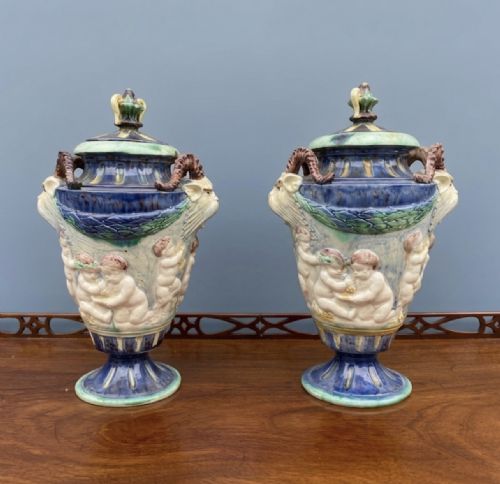
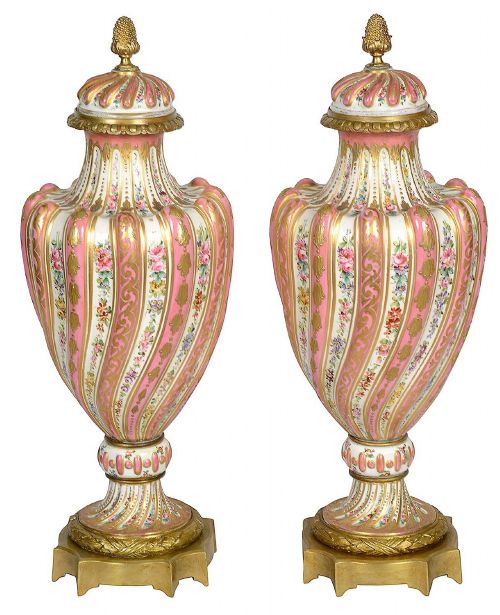
Collectors frequently encounter framed collections of pot lids alongside individual covers belonging to boxes, tureens, and scent bottles. The forms span English Staffordshire and continental factories, preserving everyday domestic objects alongside more ornamental covered vases.
How they were made
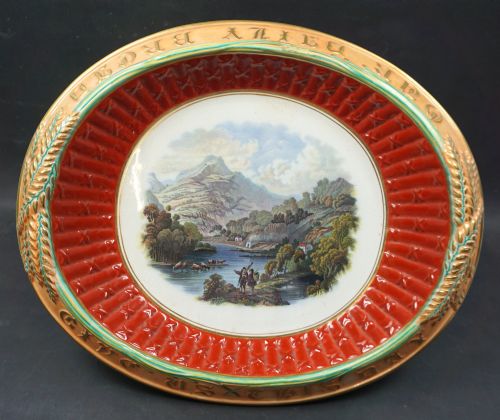
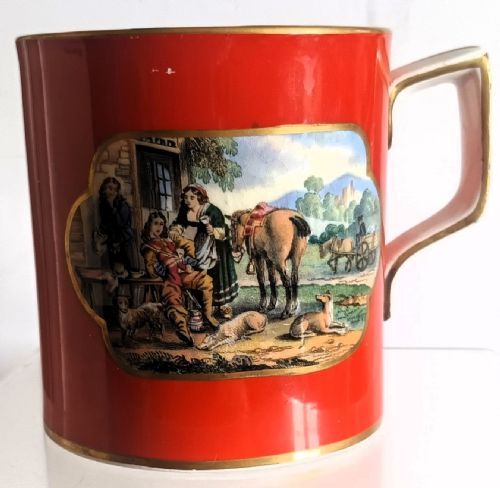
Potters shaped these objects using porcelain, earthenware, and stoneware, applying glaze to seal the ceramic body before firing. Many pieces received hand-painted details, transfer printing, or enamel work to build up pictorial and floral surfaces.
Makers integrated surface enrichment through relief moulding, gold leaf, and gilt detailing, fusing metallic accents directly onto the ceramic or glaze during secondary kiln firings.
Listings feature 19th Century and Victorian periods, utilising materials such as porcelain, earthenware, stoneware, enamel, and gold leaf.
What varies in quality
The refinement of the ceramic body and the crispness of the relief moulding dictate the baseline standard of a piece. Finer items display sharp, unblurred transfer printing and precise hand-painted brushwork rather than hasty application.
The sophistication of the glaze chemistry and the careful placement of enamel or gilt detailing separate standard commercial wares from exceptional studio and factory output.
Royal Worcester·Wedgwood·George Jones·Royal Crown Derby·William Moorcroft·Charles Meigh
The Victorian Ceramic Lid Glossary
- Pot lid
- A ceramic cover designed for a pot or jar, frequently decorated with transfer prints depicting historical scenes, portraits, or landscapes during the nineteenth century.
- Transfer print
- A method of applying a printed design to ceramic surfaces by transferring ink from an engraved copper plate onto tissue paper and then onto the unfired or biscuit-fired clay.
- Majolica
- A type of earthenware coated with an opaque tin-lead glaze and painted with metallic oxide colours, producing bright, glossy surfaces popular in the Victorian era.
- Gilt
- A thin layer of gold applied to the ceramic surface for decorative accent, often highlighting rims, handles, and moulded relief details.
Victorian Ceramic Lid: Frequently Asked Questions
What were pot lids used for?
Nineteenth-century households used ceramic lids to cover containers holding items such as pomade, cold cream, bear's grease, and paste. These everyday jars sat on dressing tables and shop counters alike.
Over time, the contents were used up, leaving durable ceramic lids behind as collectible items that often outlasted their original glass or earthenware bases.
How do I identify a Victorian ceramic lid?
Look for the distinct material composition, typically earthenware or porcelain, combined with nineteenth-century decorative techniques such as multi-colour transfer printing or underglaze blue and white. Subjects often include contemporary royalty, sporting scenes, or picturesque landscapes.
Matching the diameter and rim profile of a lid to known base types helps determine whether it belonged to a paste jar, a trinket box, or a tureen.
Are these lids dishwasher safe?
These historical ceramics require gentle hand washing in lukewarm water without abrasive cleaners. The delicate glazes, enamel colours, and gilt details degrade rapidly under harsh mechanical washing.
Sudden temperature changes can also cause crazing in the antique ceramic body, permanently harming the structural integrity of the piece.
Can I mount pot lids on a wall?
Many collectors display pot lids using specialised spring clips or wooden frames designed to hold flat circular ceramics securely. Framing protects the edges from chips while allowing the printed surface to act as wall art.
Ensure that any mounting hardware grips the rim gently without exerting pressure that might crack the aged earthenware or porcelain body.