


Victorian Ceramic Decorative Vases
These Victorian ceramic decorative vases bring rich textures and hand-painted detail from the nineteenth century into modern rooms.
Victorian Ceramic Decorative Vases
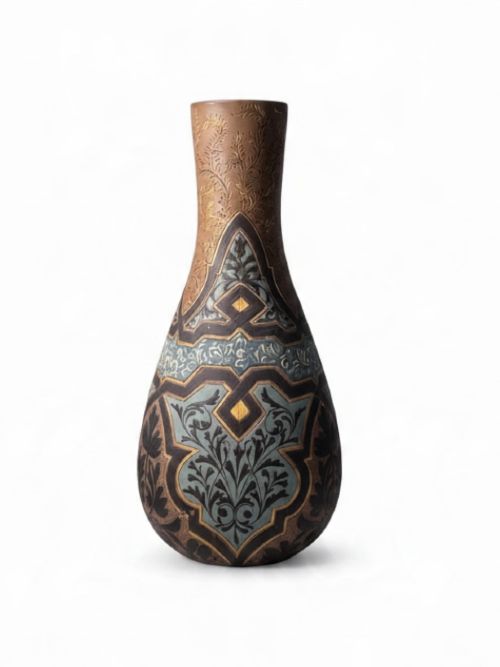
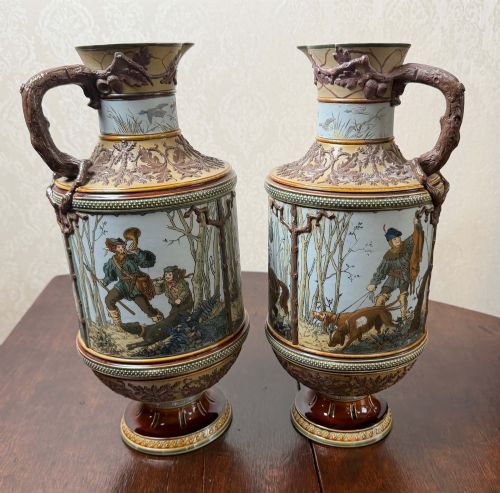
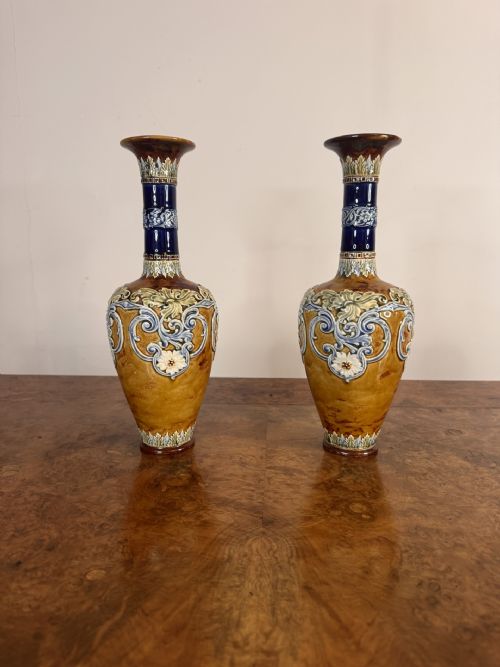
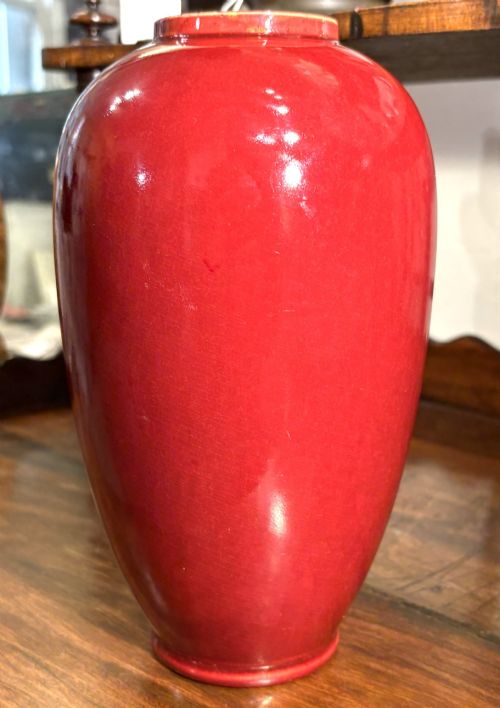
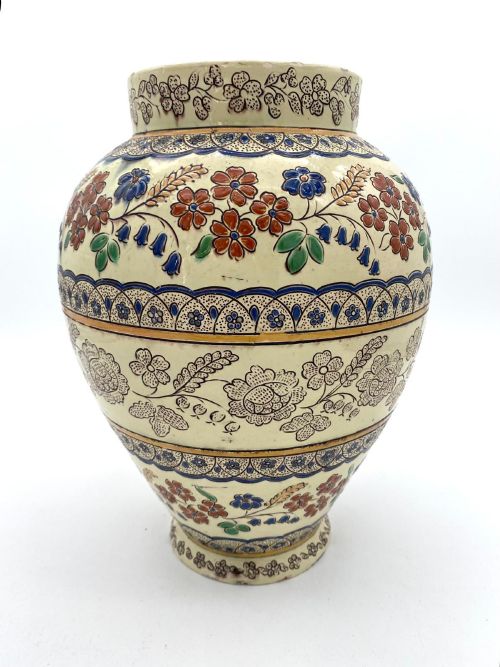
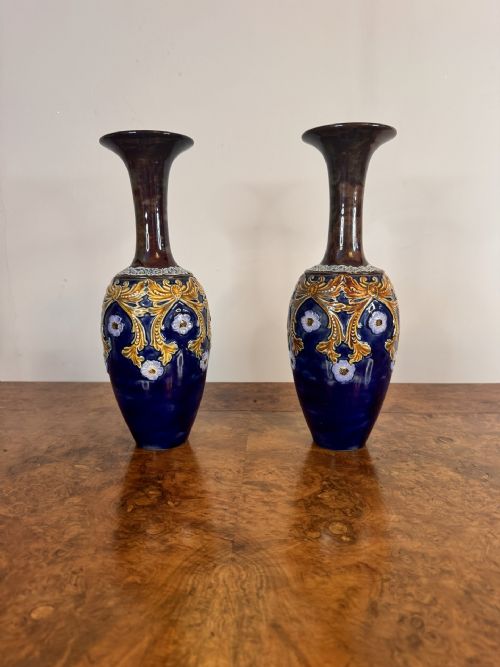
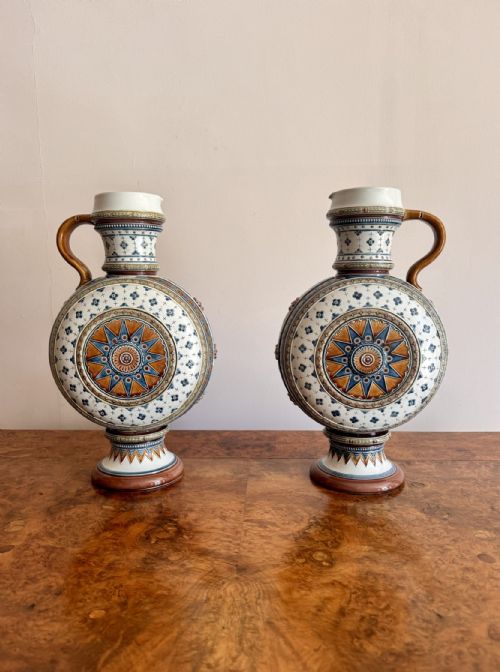
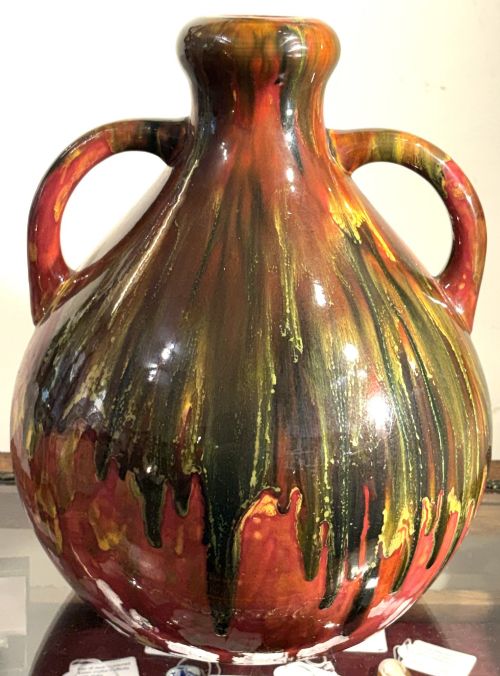
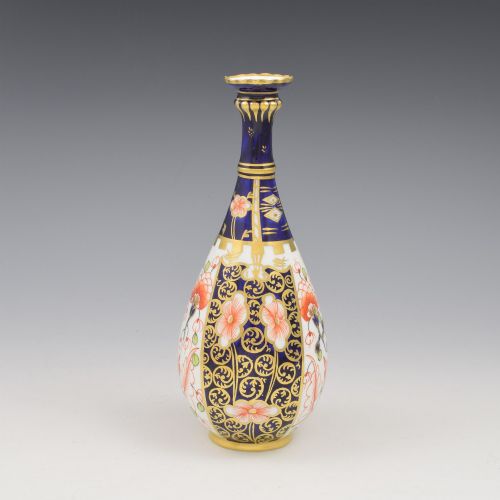
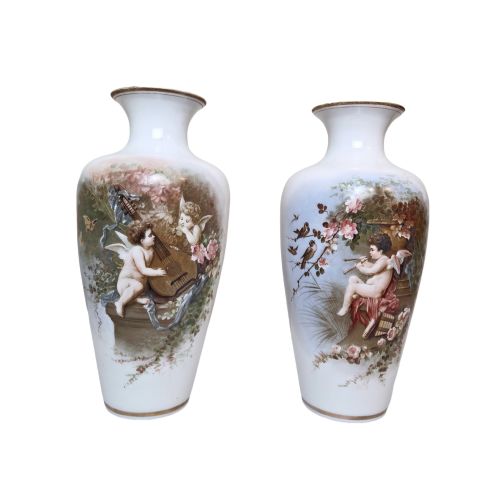
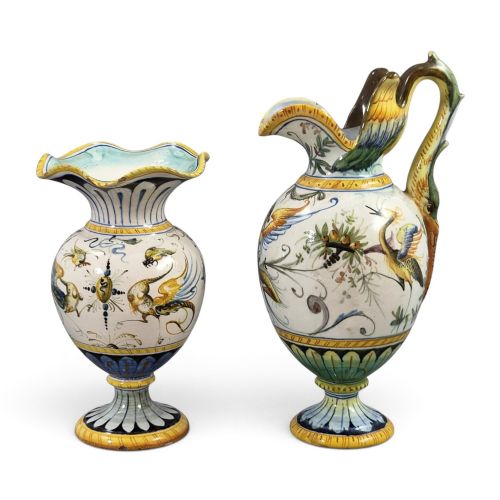
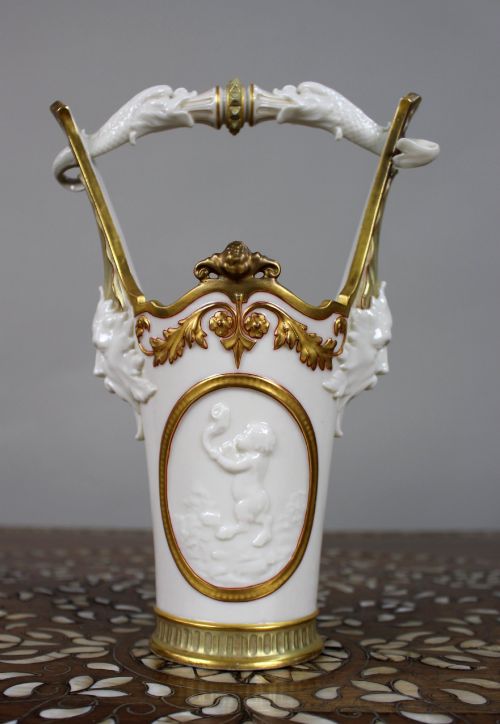
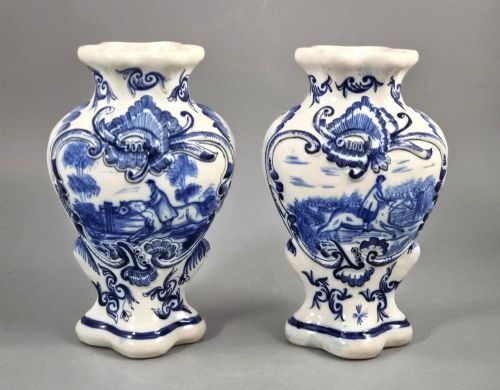
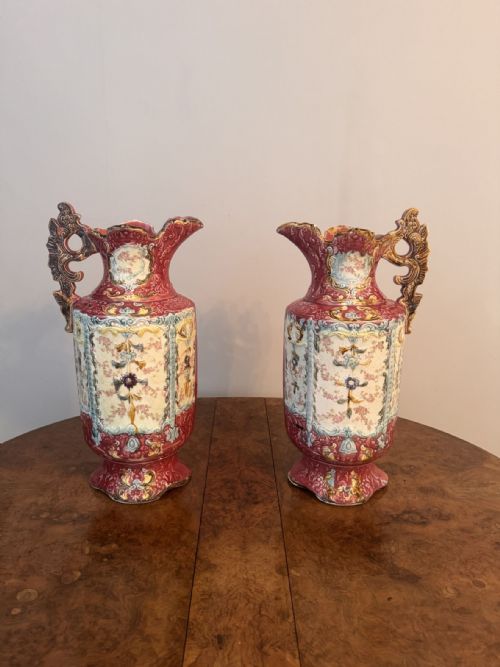
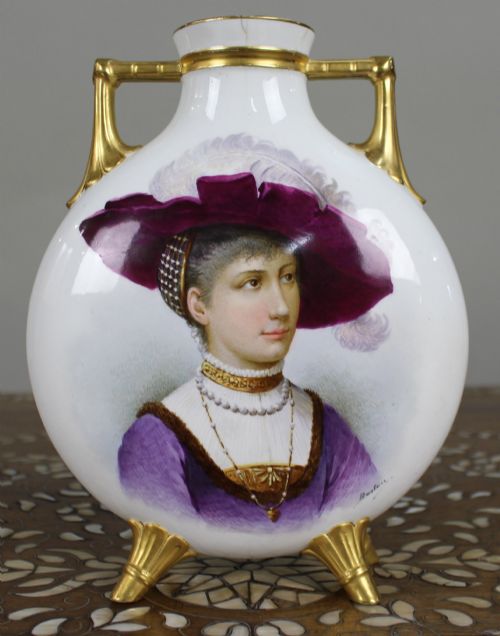
When searching for victorian ceramic decorative vases, collectors encounter a diverse array of nineteenth-century vessels designed primarily for display rather than utility. These pieces span standard upright vases, campana urns, ewers, and moon flasks, reflecting the eclectic tastes of the period.
The version most commonly met on this page is the earthenware or stoneware vessel originating from British potteries like Doulton Lambeth or Burmantofts, often dated around 1880 to 1890. Such pieces frequently display rich glazes, hand-painted floral motifs, or relief decoration characteristic of late-century studio and commercial output.
Beyond British works, the selection encompasses continental European porcelain and majolica from makers in Germany, France, and Austria. These items demonstrate how diverse regional styles - ranging from Rococo Revival to Art Nouveau and the Aesthetic Movement - manifested across ceramic bodies during the Victorian era.
Materials and methods
Potters of the period utilised various ceramic bodies, predominantly earthenware, stoneware, and porcelain, shaping them either on the wheel or through moulds to create ewers, campana urns, and twin-handled vessels. These foundational structures then received specialised treatments such as Slaters Patent texturing or intricate hand-painting.
Glazing and surface ornamentation define much of the visual character seen in these pieces. Artisans applied enamel, gold leaf, and gilding over rich coloured grounds, or utilised faience and majolica techniques to achieve deep, lustrous finishes.
Victorian Ceramic Decorative Vases Retail Price Guide 2026
Typical asking prices for victorian ceramic decorative vases among the pieces listed under this phrase on Sellingantiques today, from the lower quarter to the upper quarter. They describe what is for sale here now, not the wider market.
Styles span Art Nouveau, Arts and Crafts, Rococo Revival, and the Victorian Aesthetic Movement.
Assessing quality
The distinction between standard commercial output and superior studio pieces rests upon the crispness of the modelled relief, the complexity of the glaze, and the execution of hand-painted details. Works featuring signed artistry or specialised techniques like reticulation demand closer attention.
Design ambition also separates ordinary items from exceptional ones. Pieces that successfully integrate contemporary aesthetic movements, such as Art Nouveau or the Victorian Aesthetic Movement, typically display greater compositional balance and sophisticated colour palettes.
Doulton Lambeth·Burmantofts Pottery·Villeroy and Boch·Royal Worcester·William Moorcroft
The Victorian Ceramic Decorative Vases Glossary
- Ewer
- A large jug with a wide spout and handle, frequently produced in ceramic as a decorative vessel rather than for practical use.
- Campana urn
- A bell-shaped vessel with a flared rim and footed base, often styled in the classical taste popular during the nineteenth century.
- Faience
- Tin-glazed earthenware, known for its smooth, opaque surface that serves as a ground for painted decoration.
- Majolica
- A heavy earthenware pottery covered with an opaque tin glaze and painted with bright colours, widely revived during the Victorian period.
- Reticulation
- An openwork pattern pierced through the ceramic body before firing, seen on select porcelain and earthenware pieces.
Victorian Ceramic Decorative Vases: Frequently Asked Questions
How were Victorian vases displayed?
In nineteenth-century interiors, these vessels sat prominently on mantelpieces, pedestals, and side tables as focal points of interior decoration.
Pairs were often arranged symmetrically alongside clocks or candelabra to create balanced decorative schemes.
Can these vases hold water?
While many ceramic vessels are structurally capable of holding water, decorative pieces from this era were primarily designed for visual display.
Using them for fresh flowers is possible, but collectors often avoid moisture to protect aged interior glazes and historic surfaces.
What defines Aesthetic Movement ceramics?
Aesthetic Movement pieces focus on visual beauty and artistic expression, often drawing inspiration from Japanese art and natural forms.
They typically feature asymmetrical designs, muted colour palettes, and stylized botanical motifs rather than traditional classical symmetry.
How do I identify a majolica piece?
Majolica is characterised by its heavy earthenware body and thick, colourful lead glazes that pool richly in recessed areas.
These items frequently depict naturalistic plant and animal forms, reflecting a Victorian enthusiasm for organic subjects.