



Victorian Table Centrepiece Vessels
These victorian table centrepiece vessels bring nineteenth-century dining grandeur to modern rooms, offering striking decorative presence for any surface.
Victorian Table Centrepiece Vessels
When you search for victorian table centrepiece vessels, you are looking at nineteenth-century table ornaments designed to anchor a formal dining table or sideboard. The selection spans several decades from the mid-nineteenth century into the early twentieth, encompassing periods labelled as Victorian and Edwardian.
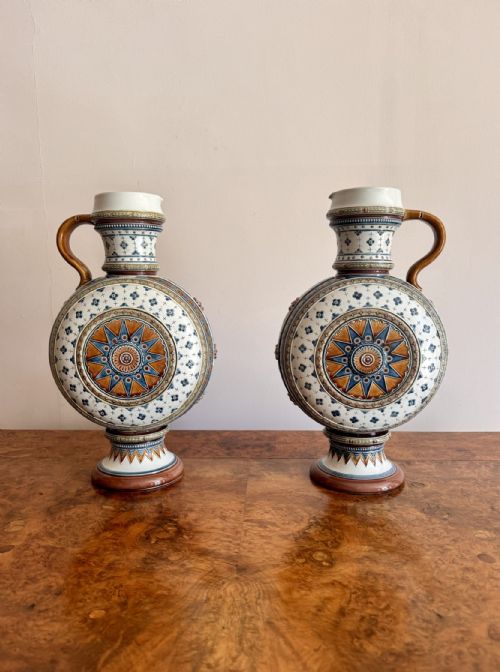
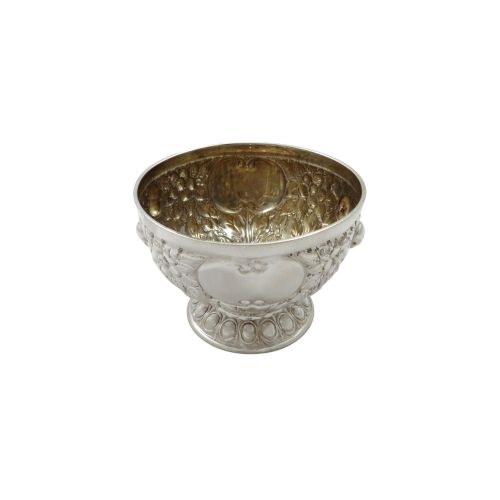
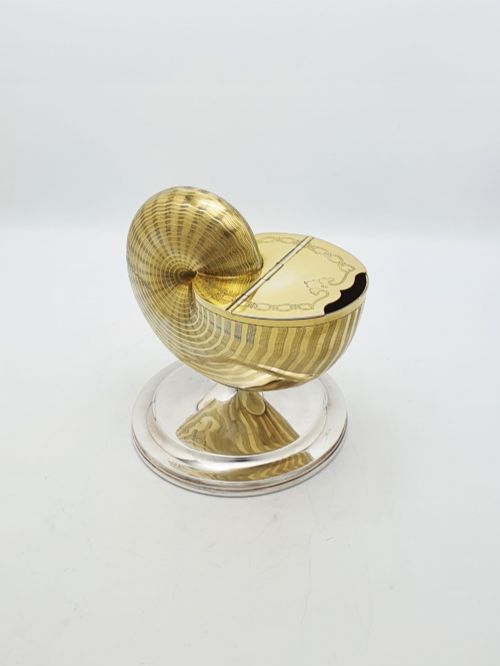
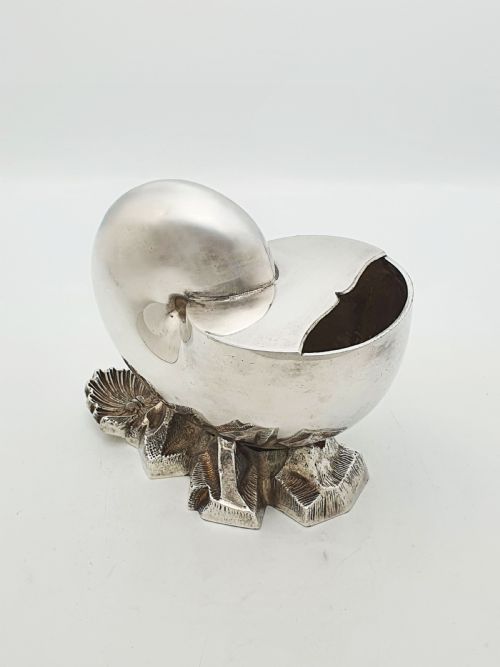
The forms on this page include decorative bowls, jardiniere platters, ewers, and ornamental vases intended to hold flowers or fruit. Novelty items such as silver-plated spoon warmers and nautilus shell or shoe designs also appear alongside traditional centrepiece bowls.
Origins range across European workshops, featuring Italian bronze vessels and pieces bearing marks from notable continental factories like Villeroy and Boch and Royal Dux. Stylistic influences draw heavily on Rococo Revival, Renaissance Revival, and Art Nouveau aesthetics.
Materials and Manufacture
Makers utilised a combination of metals and ceramics, shaping sterling silver and silver plate over base metals, alongside cast bronze for heavy jardiniere platters. Ceramic and porcelain vessels feature applied glazes, while glass pieces display engraved and gilded surface details.
Silver-plated items often employ intricate casting and chasing techniques to achieve sculptural novelty forms like shells or shoes. Porcelain and ceramic bodies are glazed and sometimes combined with gilt metal mounts to create ornate centrepiece vases and figures.
Victorian Table Centrepiece Vessels Retail Price Guide 2026
Typical asking prices for victorian table centrepiece vessels among the pieces listed under this phrase on Sellingantiques today, from the lower quarter to the upper quarter. They describe what is for sale here now, not the wider market.
Listings feature items spanning the Victorian, Edwardian, and Rococo Revival styles, produced across multiple decades from the 1860s through the 1920s.
Assessing Quality
The integration of mixed materials also indicates standard, where sturdy mounts and solid construction separate robust display pieces from lesser items. Maker attribution and firm marks further distinguish standard production ware from finer examples.
Villeroy and Boch·Royal Dux
The Victorian Table Centrepiece Vessels Glossary
- Silver Plate
- A thin layer of silver fused to a base metal core. This technique allowed nineteenth-century makers to produce large, decorative vessels at a lower cost than solid sterling silver.
- Jardiniere
- An ornamental pot or stand designed to hold plants or flowers. These large vessels frequently served as prominent centrepieces on Victorian dining tables.
- Ewer
- A large jug with a wide spout and a curved handle, traditionally used for holding water. In nineteenth-century decorative pieces, they often functioned as display vessels rather than functional tableware.
- Gilt Metal
- Metal that has been coated with a thin layer of gold or gold leaf. The finish adds a warm, metallic sheen to decorative mounts and ornaments.
- Rococo Revival
- A nineteenth-century design style characterised by asymmetrical scrolls, naturalistic shell motifs, and elaborate ornamentation. It drew direct inspiration from eighteenth-century French decorative arts.
Victorian Table Centrepiece Vessels: Frequently Asked Questions
What were spoon warmers used for?
Spoon warmers were filled with hot water to keep soup spoons warm before the dish was served at formal Victorian dinners. They sat on the sideboard as novelty vessels in animal or shell shapes.
Today, collectors display these whimsical silver-plated objects as decorative conversation pieces or utilise them to hold small items.
How do I clean silver-plated centrepieces?
Silver plate requires gentle cleaning with a soft cloth and a specialised silver polish to preserve the thin metal coating. Avoid harsh abrasive cleaners that can wear away the plating.
Regular, careful dusting keeps the surface bright without risking the engraved or chased details characteristic of nineteenth-century work.
How do I date these Victorian vessels?
Dating relies on maker marks, hallmarks on silver or silver plate, stylistic cues, and manufacturing techniques recorded across the pieces. Victorian items span from the mid-nineteenth century into the early twentieth century, overlapping with Edwardian periods.
Examining the base, glaze type, and metal composition helps narrow down the decade of production for unmarked ceramic and metal items.