
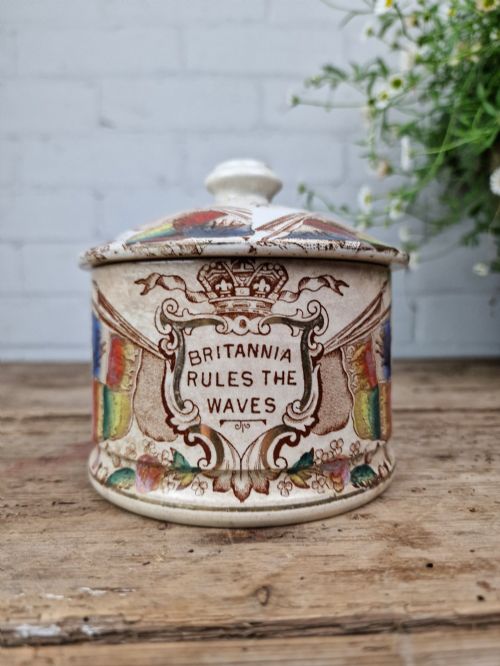


Victorian Ceramic Covered Dish
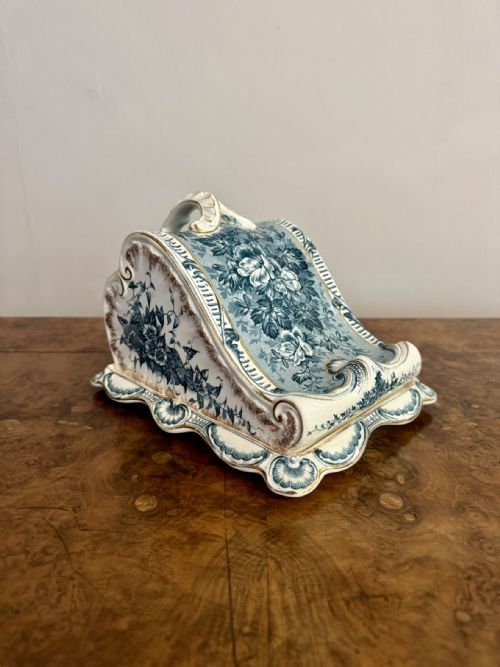
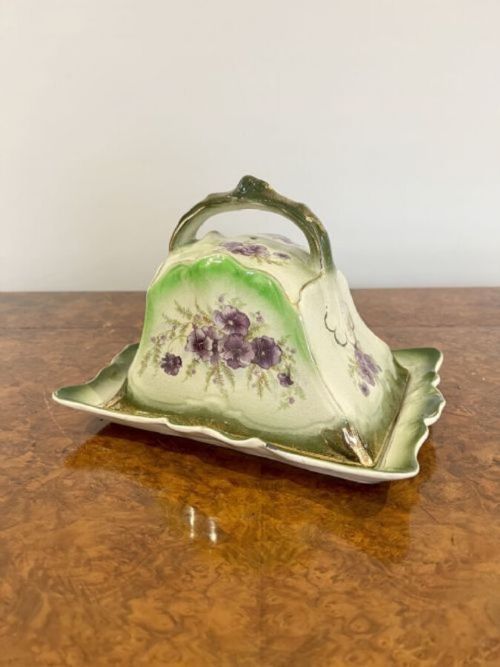
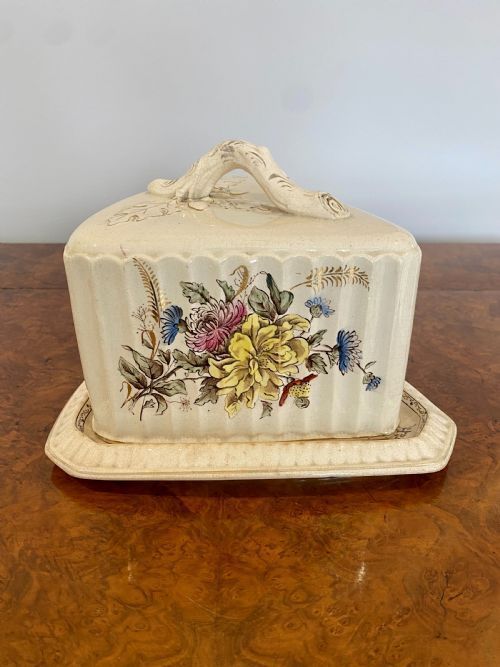
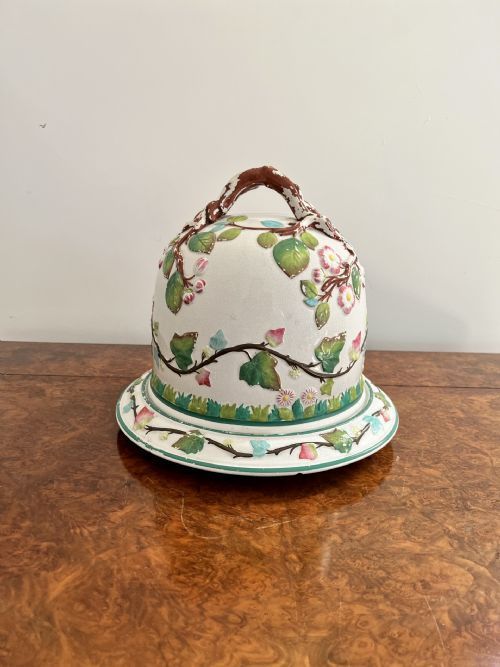
A victorian ceramic covered dish brings utility and ornament to the table, and collectors prize these lidded vessels for their varied forms and robust glazes.
Victorian Ceramic Covered Dish
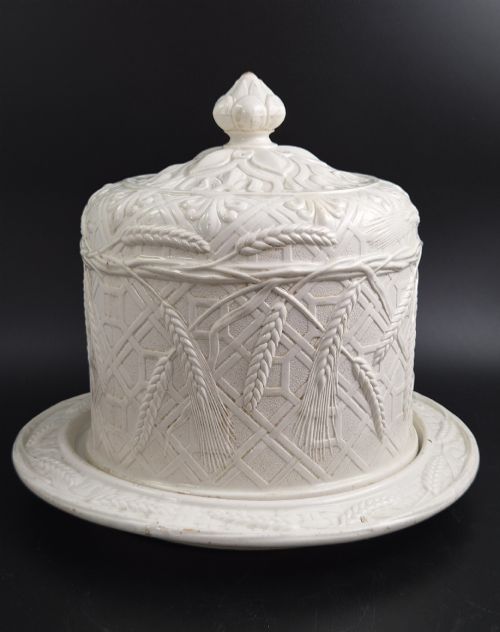
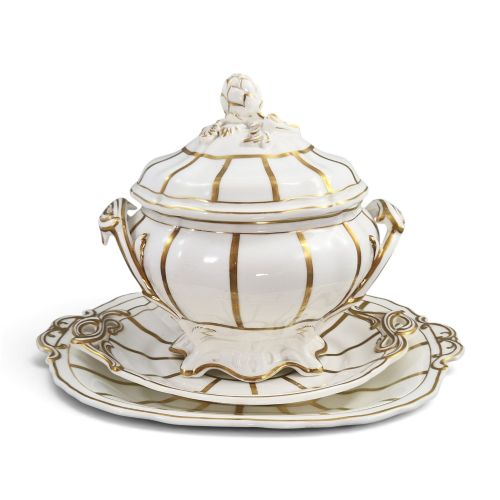
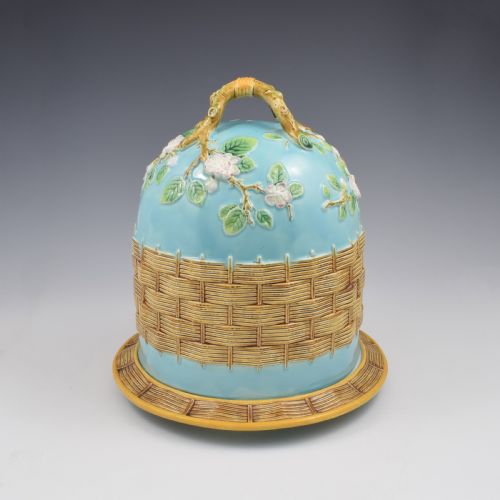
Cheese domes and large serving tureens dominate the pieces encountered in this category, often accompanied by matching stands or underplates. Makers produced these items for domestic dining, employing robust ceramics that survived daily use in Victorian households.
Materials and Techniques
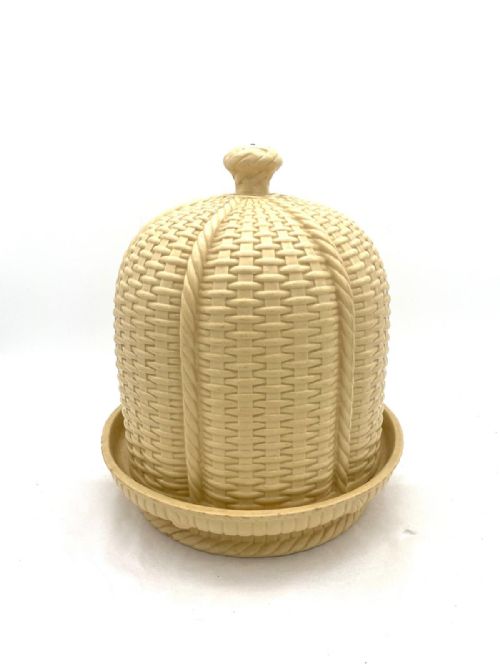
Potters utilised durable earthenware, bone china, and heavy ironstone to form the body of each vessel, often shaping the clay through moulding and pressing techniques. Relief decoration, such as basket weave patterns or plant motifs, was applied directly to the surface before firing.
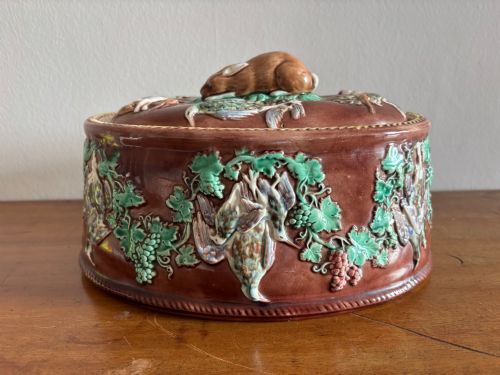
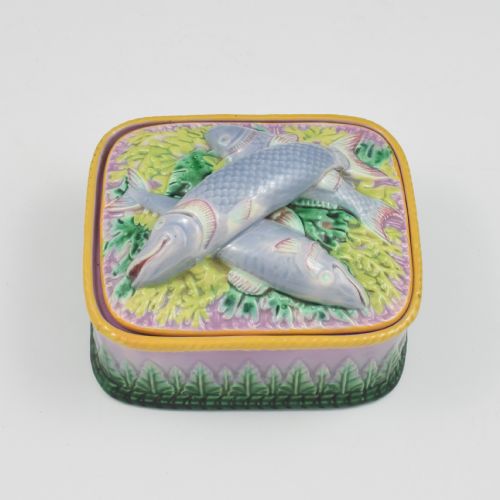
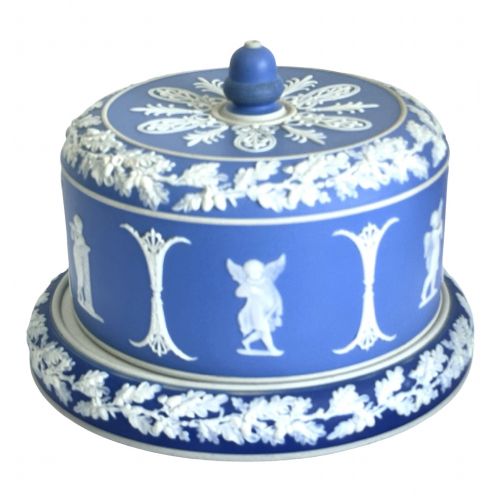
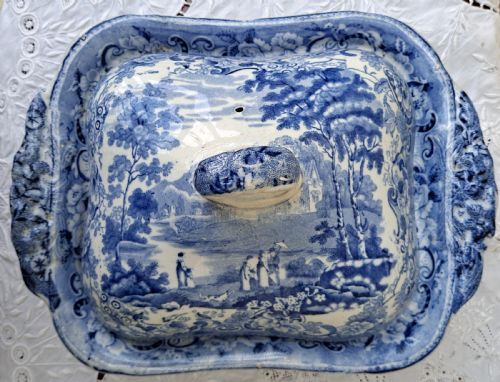
Coloured glazes, particularly rich majolica lead glazes and transfer-printed cobalt designs, brought vibrant colour and pattern to the finished ceramics. Gold leaf accents or contrasting slip colours like drabware and jasperware added further visual depth to select pieces.
Victorian diners lifted heavy ceramic lids shaped like nesting hens and swimming fish to reveal butter, sardines, and game pies.
Quality Variations
Quality rests in the crispness of the moulded relief and the even application of the glaze across complex forms like animal knobs and foliate handles. Superior pieces maintain sharp botanical details and smooth, uniform colour without pooling or running in the kiln.
The weight and resonance of the ceramic body also distinguish finer items, alongside the precision with which the cover fits its matching stand or base. Well-balanced proportions and clear maker signatures or pattern numbers elevate the status of an individual dish.
Wedgwood·Davenport·George Jones·James Wallace and Co·Mintons·Royal Crown Derby·James Dudson·Doulton Burslem·Thomas Forester and Sons·Ridgways·Copeland and Garrett
The Victorian Ceramic Covered Dish Glossary
- Ironstone
- A dense, durable type of earthenware patented in the nineteenth century to imitate Chinese porcelain. It resists chipping and formed the basis for many heavy white service dishes.
- Majolica
- A Victorian earthenware pottery type characterised by colourful lead glazes applied over moulded relief decoration. It often depicts naturalistic plant and animal subjects.
- Jasperware
- A fine-grained, unglazed vitreous stoneware developed by Wedgwood, typically featuring white neoclassical reliefs against a coloured blue, green, or drab background.
- Tureen
- A deep covered bowl used for serving soups, sauces, or vegetables at the dining table. These vessels frequently rest on attached or separate ceramic stands.
- Transfer printing
- A decoration technique where a design is engraved on a copper plate, transferred to tissue paper, and then rubbed onto the ceramic surface before glazing and firing.
Victorian Ceramic Covered Dish: Frequently Asked Questions
How were cheese domes used?
Victorian households utilised cheese domes and stands to protect large blocks of cheese from dust and insects while retaining moisture on the dining sideboard.
The heavy ceramic bell trapped humidity, keeping the cheese soft until the dome was lifted for serving guests at the end of a meal.
What is majolica ware?
Majolica is a heavily glazed earthenware style developed in the mid-nineteenth century, known for vibrant botanical and animal designs.
Potters moulded these pieces into shapes like game animals, fish, or plant leaves, then coated them in rich, glossy coloured glazes.
How do I care for these dishes?
These antique ceramics require gentle hand washing in warm water with mild soap, avoiding harsh scrubbing or modern dishwashers.
Careful handling prevents chipping the heavy earthenware bodies, especially around the delicate rims of covers and matching stands.
Can I use them for serving food?
Many collectors continue to use sturdy ironstone and earthenware tureens for serving dry foods or bread during meals.
However, centuries-old glazes and fine hairline fractures mean owners often restrict these historic vessels to decorative display.
What is ironstone pottery?
Ironstone is a dense, heavy ceramic material invented to provide a durable alternative to imported Chinese porcelain.
Its robust composition made it the preferred medium for heavy-use kitchen items like vegetable tureens and large cheese dishes.