
Victorian Ceramic Bowl
When you search for a victorian ceramic bowl, you enter a diverse field of nineteenth-century earthenware, porcelain, and stoneware shaped for display, washing, and service.
Victorian Ceramic Bowl
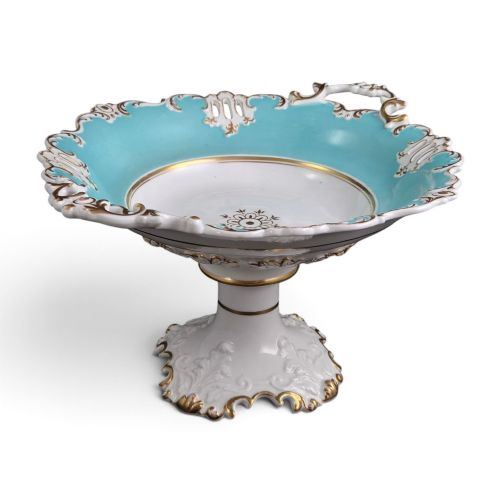
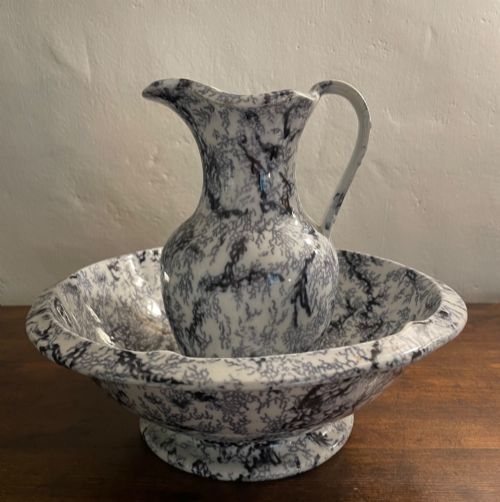
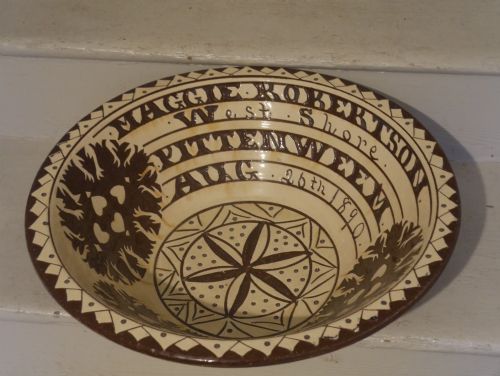
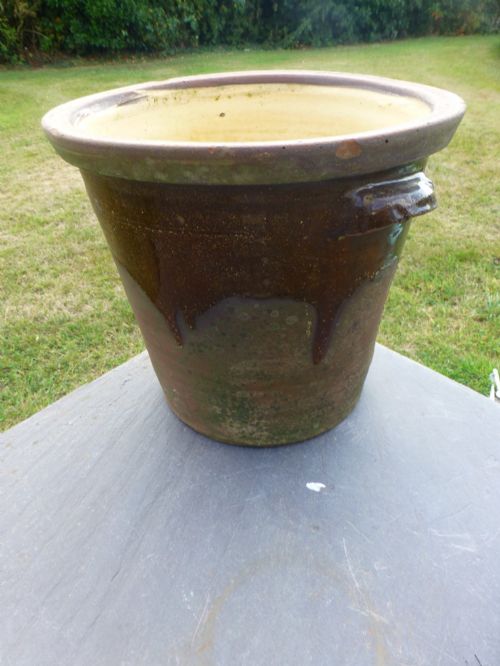
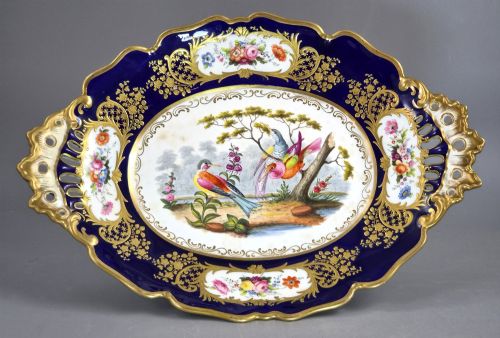
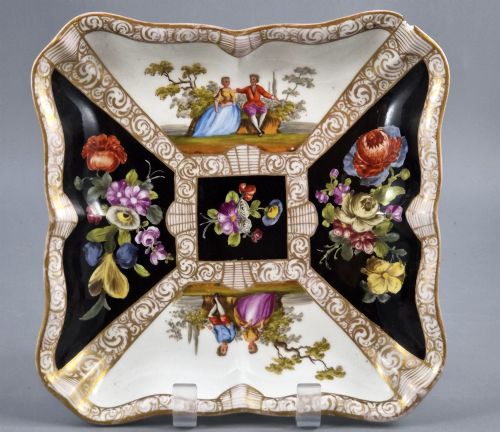
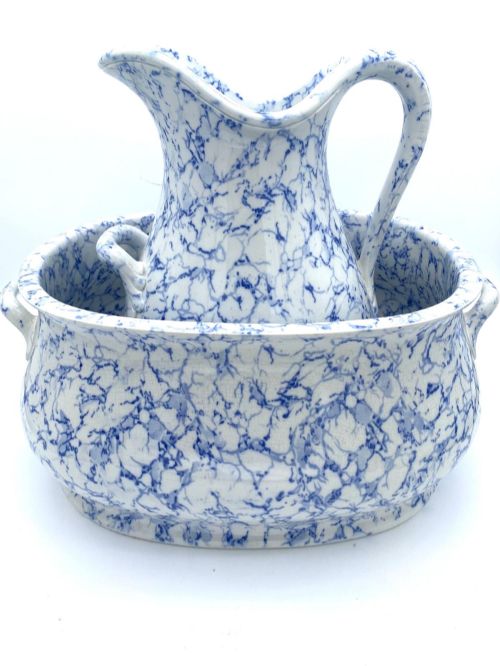
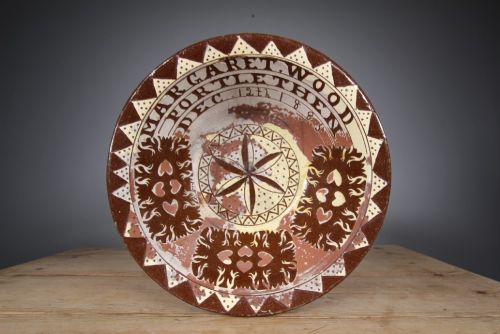
A victorian ceramic bowl encompasses utility vessels, large centrepieces, dairy crocks, and decorative dishes created across British, European, and Scottish potteries during the nineteenth century. Buyers encounter everything from robust Scottish slipware dairy bowls and spongeware earthenware to finely painted bone china cabinet dishes and transfer-printed basins.
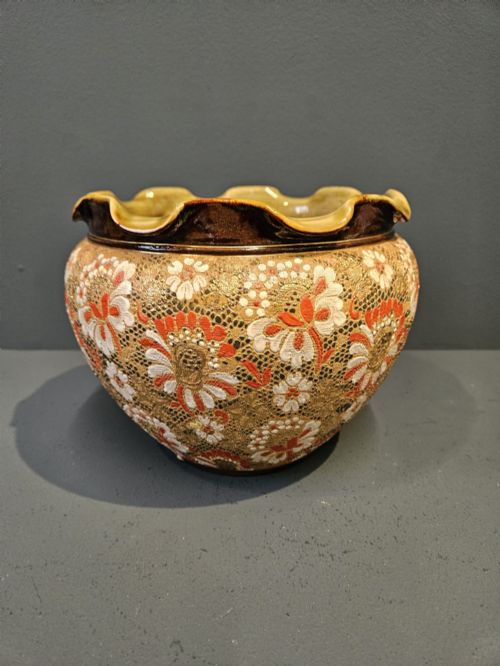
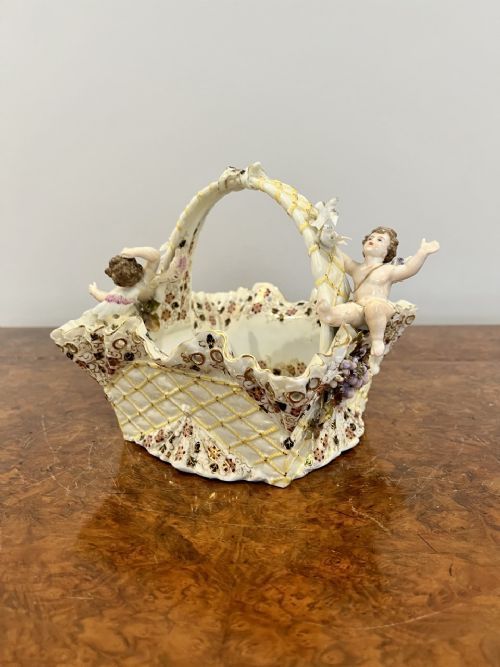
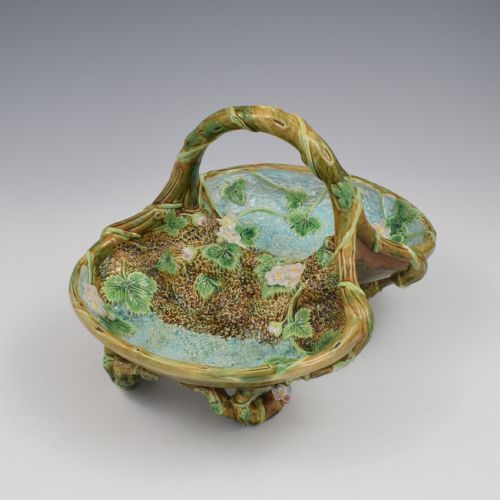
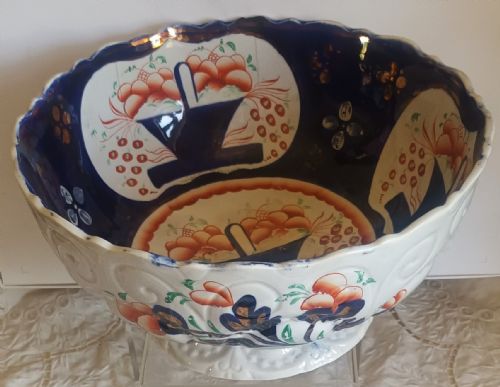
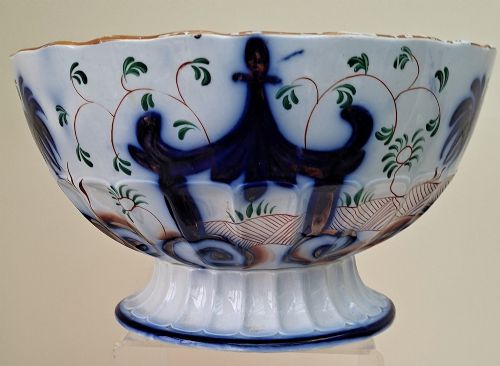
The domestic interior of the period relied heavily on ceramic vessels, yielding footed pottery bowls in patterns like Gaudy Welsh alongside elaborate Minton majolica baskets and Doulton Lambeth jardinieres. Many surviving pieces served practical functions in wash sets or dairies before transitioning into purely decorative roles within modern homes.
Materials and Techniques
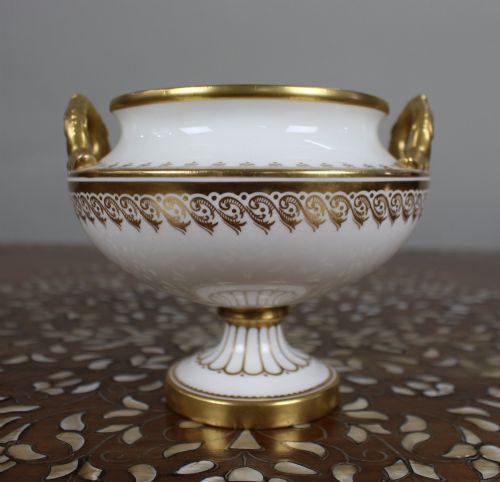
Potters utilised earthenware, bone china, porcelain, and glazed terracotta, applying techniques ranging from hand-painted cobalt blue glazes and flow blue transfer printing to slipware trailing. Major factories and regional potteries employed specialised kilns and mineral pigments to achieve rich surface depths, often finishing pieces with gold leaf, enamel, or gilt edges.
Moulded decoration, majolica lead glazes, and detailed hand-finishing defined the output of prominent nineteenth-century makers, while utilitarian items relied on dense stoneware and salt glazing for daily durability. The integration of transfer-printed motifs allowed intricate patterns such as Chinoiserie and floral sprays to adorn both utilitarian wash basins and formal dessert tureen stands.
Listings feature nineteenth-century materials including porcelain, earthenware, enamel, gold leaf, ceramic, glaze, gilt, and bone china across diverse decorative forms.
Quality and Execution
The distinction between standard utility ware and exceptional display pieces rests upon the crispness of the moulding, the depth of the glaze, and the precision of the hand-painted or transfer-printed decoration. Finer examples display meticulous control over cobalt blues, vibrant majolica colour palettes, and well-preserved gilding without blurring or firing distortions.
Artist attribution and factory reputation elevate specific items, particularly when cabinet dishes bear named botanical studies or when majolica modelling exhibits high sculptural relief. The integrity of the ceramic body, the subtlety of polychrome enamels, and the balance of form separate basic domestic vessels from collector-grade centrepieces.
Coalport·Meissen·Minton·Doulton Lambeth·Wedgwood·George Jones·Royal Doulton·Samson·Royal Vienna·Mann And Co·Mintons·Masons Ironstone·Doulton Burslem·Royal Worcester·Royal Crown Derby
The Victorian Ceramic Bowl Glossary
- Bone China
- A type of soft-paste porcelain incorporating bone ash, developed to provide high strength, durability, and a brilliant white translucency. It allowed nineteenth-century makers to produce delicate yet robust tableware and decorative dishes.
- Majolica
- A heavy earthenware pottery covered with an opaque tin-lead glaze and painted with bright metal oxide colours. This technique gained immense popularity in the Victorian era for sculptural baskets, jardinieres, and dessert services.
- Flow Blue
- A nineteenth-century transfer printing method where lime or ammonia chloride was introduced into the kiln during firing, causing the cobalt blue pigment to blur or bleed into the white glaze. The resulting soft-edged effect created a distinctive, atmospheric finish on jugs and basins.
- Slipware
- Pottery decorated by applying liquid clay slip onto a damp clay body before firing, often through trailing or combing. Scottish potteries utilised this traditional method to produce robust dairy bowls and utilitarian earthenware.
- Transfer Printing
- A mechanical decoration technique where an engraved copper plate applied an inked design onto tissue paper, which was then transferred onto the biscuity ceramic surface. It revolutionised pottery production by enabling intricate patterns like Chinoiserie and floral sprays to be replicated efficiently.
Victorian Ceramic Bowl: Frequently Asked Questions
How were ceramic bowls used in Victorian homes?
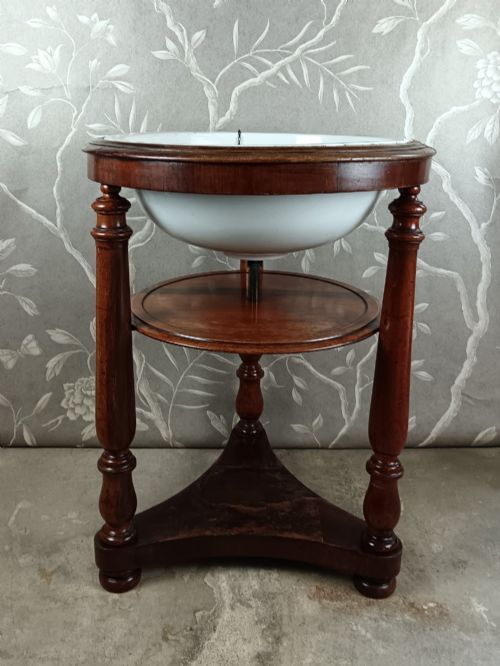
Victorian ceramic bowls served a multitude of domestic functions, ranging from large washstand basins and footbaths to decorative centrepieces, fruit baskets, and dairy crocks. Formal rooms displayed painted porcelain cabinet dishes and majolica vessels, while kitchens and dairies relied on sturdy earthenware and slipware bowls.
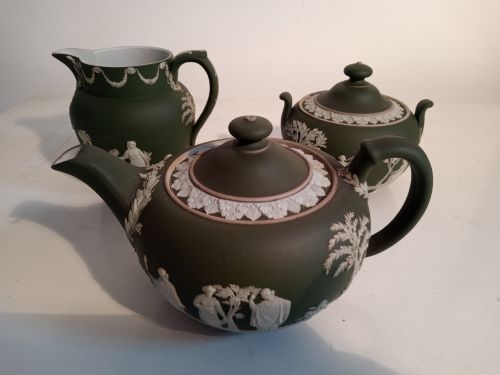
Many pieces formed part of larger matched toilet sets or afternoon tea services used daily by households. Over time, these functional objects transitioned into decorative interior display pieces due to their intricate glazes and patterns.
How do I care for antique ceramic bowls?
Care for antique ceramics requires gentle handling, hand washing in lukewarm water with mild detergent, and avoiding harsh scouring pads or automatic dishwashers. Protecting vulnerable gilt edges, enamel work, and old earthenware bodies prevents unnecessary surface wear.
Display these bowls away from direct sunlight and extreme temperature fluctuations to safeguard nineteenth-century glazes and prevent crazing. Secure stable placement on level surfaces, especially for larger footed pieces and heavy jardinieres.
What is the difference between earthenware and porcelain?
Earthenware is a porous, opaque pottery fired at lower temperatures, requiring a glaze to render it waterproof, whereas porcelain is a dense, vitrified ceramic fired at high temperatures until completely non-porous. Nineteenth-century earthenware includes heavy dairy bowls, slipware, and transfer-printed ironstone.
Porcelain and bone china offer a finer, more translucent body suited for delicate cabinet dishes, decorative tazzas, and formal tea services. Each material fulfilled different domestic needs based on its weight, durability, and visual refinement.
How can I identify a Victorian ceramic piece?
Identifying nineteenth-century ceramics involves examining the paste, glaze characteristics, decorative styles such as Rococo Revival or Aesthetic movement motifs, and factory backstamps where present. Stylistic cues like transfer-printed flow blue, majolica glazes, and hand-painted floral or Chinoiserie designs point directly to the period.
Matching forms against known factory outputs from makers like Minton, Wedgwood, or Doulton helps narrow down the production era. Weight, wear patterns on the base, and manufacturing flaws further confirm nineteenth-century origin.