
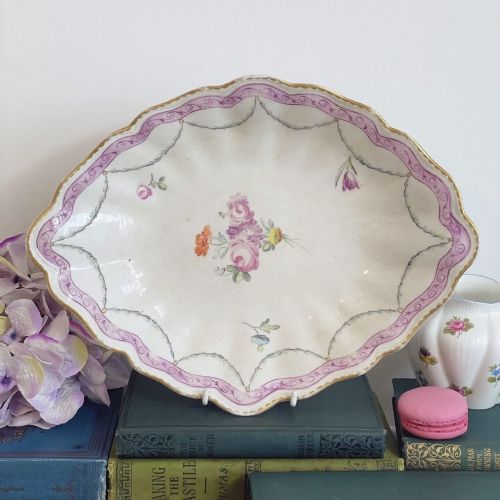
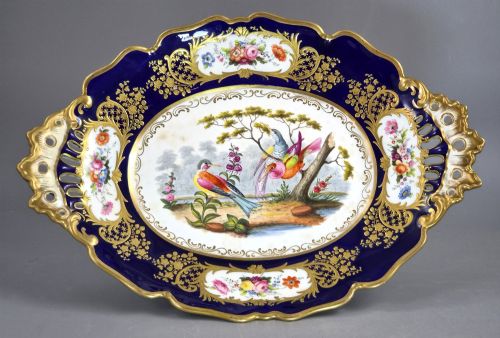
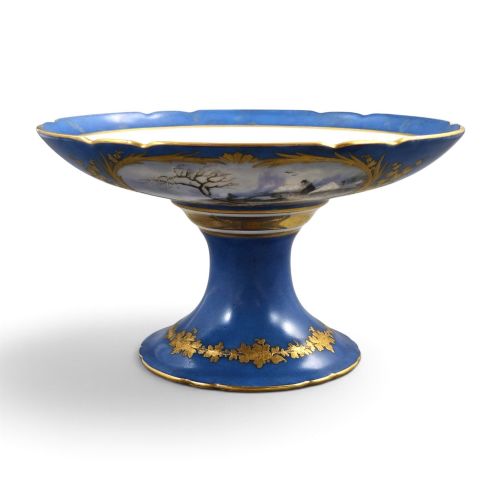
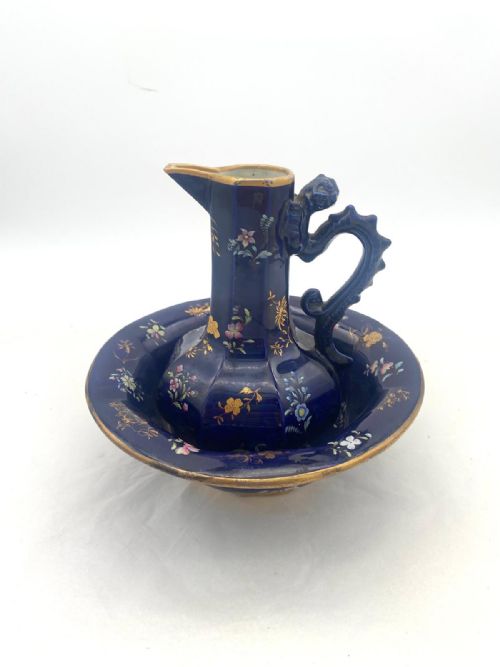


Blue Gilt Ceramic Bowl
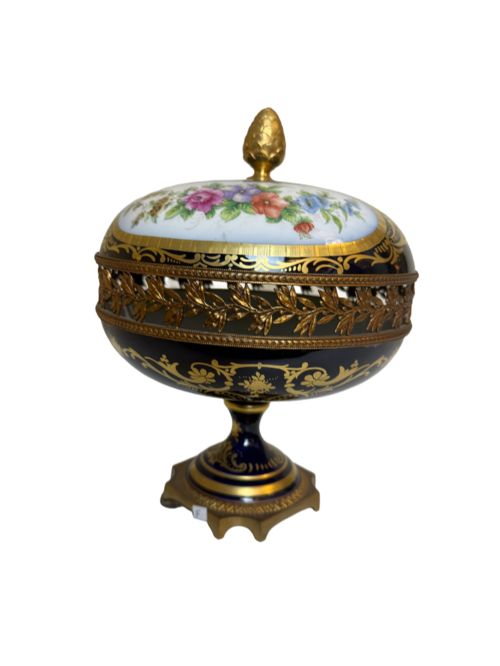
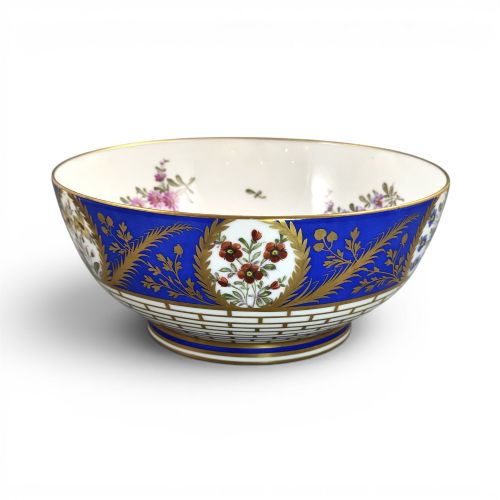
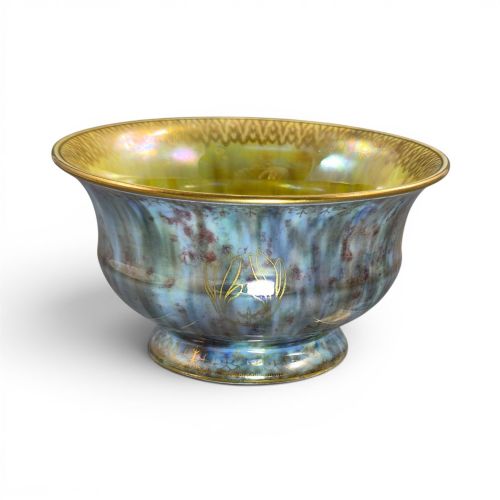
A blue gilt ceramic bowl brings together deep cobalt grounds and shining metallic highlights in forms ranging from Georgian cabinet pieces to Edwardian lustre wares.
Blue Gilt Ceramic Bowl
A blue gilt ceramic bowl spans centuries of porcelain and ironstone production, taking shapes such as centrepiece bowls, serving dishes, tazzas, and large punch bowls. The pieces found here stretch from eighteenth-century English and continental works through Victorian innovations into early twentieth-century lustre wares.
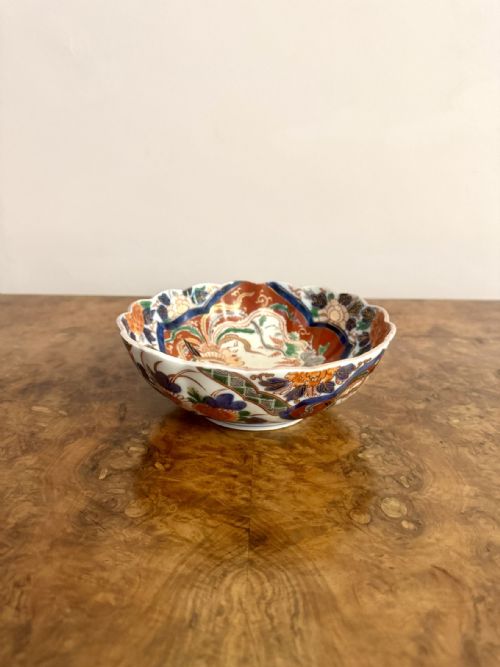
Makers applied rich cobalt blue grounds as a base for intricate gilding, drawing on Japanese Imari designs, French revival styles, and traditional Chinese export palettes. Buyers encounter everything from cabinet display pieces to large decorative vessels created for formal nineteenth-century dining rooms and drawing rooms.
Materials and technique
Potters shaped these items from fine porcelain, bone china, and dense ironstone before applying cobalt glaze to create deep blue surfaces. Artisans then added gold leaf, gilding, or ormolu accents, often combining handpainted polychrome enamel details with metallic highlights.
Kiln firing fixed the cobalt underglaze while subsequent low-temperature firings bonded the gold leaf and enamel decoration to the ceramic body. Many examples incorporate intricate handpainting alongside printed transfer outlines, particularly on pieces originating from English factories and French studios.
The selection spans the eighteenth century, the Georgian and Victorian eras, the Meiji period, and the early twentieth century.
Defining quality
Quality rests upon the precision of the handpainting, the depth and evenness of the cobalt glaze, and the richness of the gilding. Superior works display crisp brushwork in the polychrome scenes and meticulous application of gold leaf that retains its brilliance across intricate patterns.
The sophistication of the design execution separates standard domestic wares from exceptional cabinet pieces. Greater artistic ambition shows in complex Chinoiserie motifs, finely detailed landscapes, and specialised lustre finishes that require advanced ceramic chemistry.
Derby·Coalport·Sèvres·Masons Ironstone·Limoges·Samson Paris·Wedgwood·Doulton Burslem·Mintons·Kinkozan Kyoto·Royal Davenport·Grainger and Co·Royal Worcester
The Blue Gilt Ceramic Bowl Glossary
- Cobalt blue
- A deep blue metallic oxide pigment used under the glaze to create intense background colour on ceramics. It withstands high kiln temperatures without fading.
- Gilding
- The application of gold leaf or powdered gold onto the ceramic surface to provide metallic highlights. This technique defines the gilt aesthetic on many decorative vessels.
- Imari
- A Japanese style of porcelain decoration featuring underglaze blue and contrasting iron red and gold. European factories frequently copied these distinctive patterns.
- Ironstone
- A heavy, durable type of earthenware patented in the nineteenth century. It offered a strong alternative to porcelain for large tableware and decorative bowls.
- Lustre
- A ceramic glaze containing metallic salts that produce an iridescent sheen upon firing. Wedgwood pieces often employ this technique for dramatic surface effects.
Blue Gilt Ceramic Bowl: Frequently Asked Questions
How do I care for a gilt bowl?
Clean these delicate surfaces solely with a soft, dry cloth to protect the gold leaf and enamel work from abrasion. Avoid immersion in water and keep them away from direct sunlight.
Harsh detergents and dishwashers will damage the metallic gilding and delicate ceramic bodies permanently. Treat them strictly as decorative display pieces rather than everyday functional tableware.
Are these bowls safe for food?
Older decorative pieces often feature lead-based glazes and surface gilding that are unsuited for direct contact with food or liquids. Many were created strictly for display in drawing rooms or as part of formal garniture sets.
Use them safely to hold dry potpourri or simply display them empty on tables and cabinets. Modern food safety standards do not apply to antique ceramics containing historical metallic pigments.
How do I date a ceramic bowl?
Examine the base for maker marks, factory ciphers, and registration numbers that correspond to manufacturer archives. Stylistic clues such as cobalt depth and gilding thickness also indicate specific manufacturing eras.
Georgian and Victorian pieces display distinct potting weights and glaze characteristics compared to early twentieth-century lustre wares. Comparing the decorative motifs against known factory production periods helps narrow down the decade of creation.
What is Imari style?
Imari style refers to traditional Japanese decorative patterns utilising deep cobalt blue, iron red, and abundant gold accents. European potteries adopted these striking palettes enthusiastically during the nineteenth century.
Authentic Japanese examples from the Meiji period sit alongside European interpretations produced by factories such as Royal Crown Derby. The combination of dark blue underglaze and shining gold unites both Eastern and Western versions.