
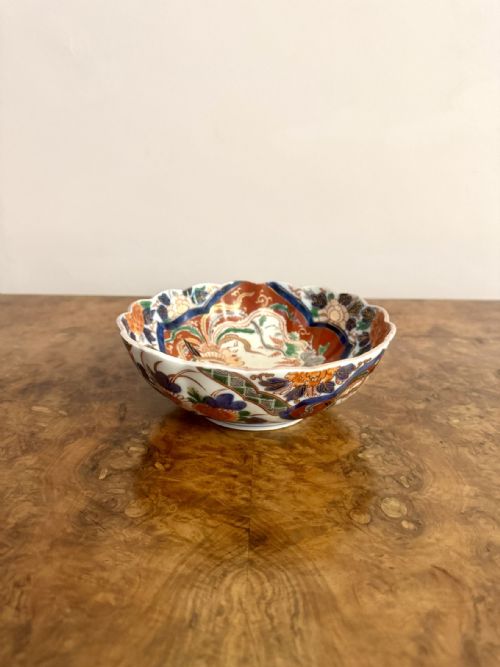


Gilt Blue Fruit Bowl
These gilt blue fruit bowl pieces bring rich cobalt tones and metallic flash to the table, offering a striking centrepiece for formal rooms.
Gilt Blue Fruit Bowl
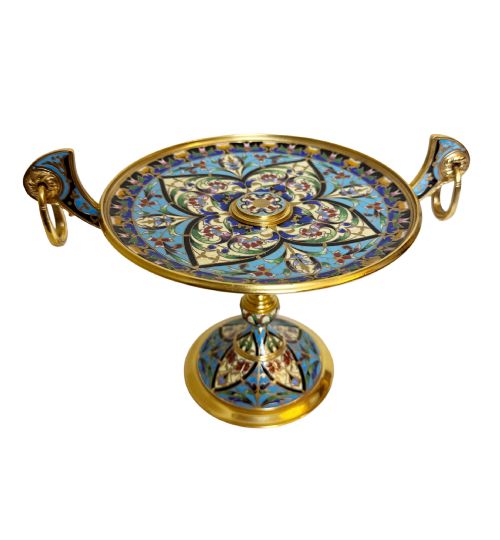
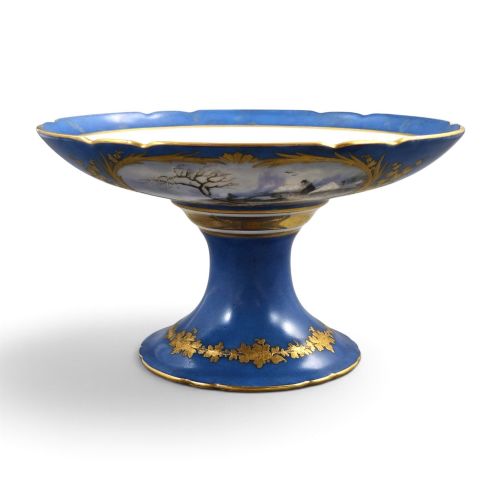
When searching for a gilt blue fruit bowl, you find decorative vessels designed to hold fruit or serve as standalone centrepieces. The examples gathered here span porcelain, enamel, and bronze forms, often pairing deep cobalt grounds with bright gilding.
Most pieces you meet on this page lean towards Victorian and late nineteenth-century aesthetics, alongside Japanese Imari wares and French porcelain comports. Makers utilised raised gold leaf and ormolu mounts to frame blue-glazed surfaces, creating high-contrast objects intended for display.
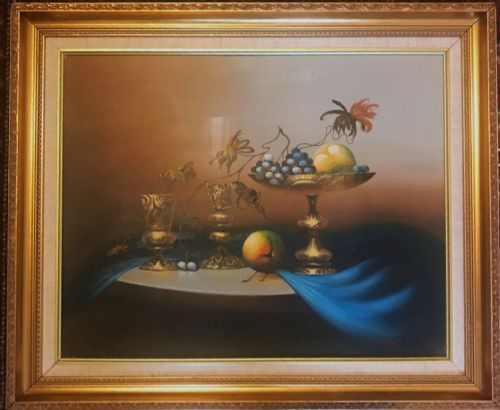
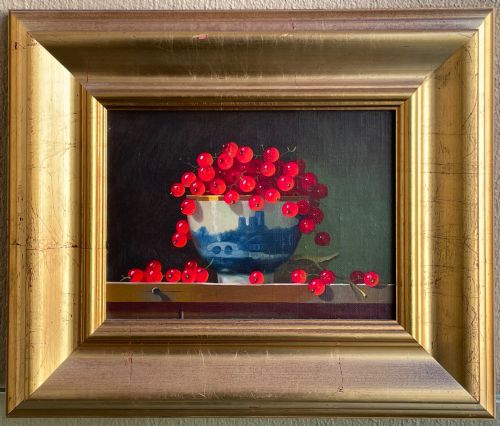
The selection includes pedestal bowls, tazzas, and punch bowls, alongside oil paintings depicting fruit arrangements. These objects reflect a persistent taste for rich colour and decorative metalwork across different periods.
How they were made
Potters and bronze-founders built these pieces using durable materials like porcelain, champlevé, and gilt bronze. Artisans applied cobalt blue pigments beneath or over glazes before adding gold leaf or ormolu details by hand.
Enamelling techniques required careful firing to fuse coloured glass powders onto metal bases, while porcelain bowls underwent high-temperature kilning. Gilders then hand-painted or stamped metallic highlights onto the finished bodies.
Listings feature porcelain, gilt bronze, and cloisonné enamel across nineteenth and twentieth-century periods.
What varies in quality
The distinction between standard and exceptional pieces rests on the precision of the hand-painting and the weight of the metal mounts. Finer examples display crisp gilding with minimal rubbing and sharply defined motifs on the blue ground.
Construction details also dictate value, particularly where bronze mounts join porcelain bodies or where enamel work shows intricate cellular patterns. Superior items maintain structural integrity alongside well-preserved surface decoration.
Doulton Burslem·Royal Crown Derby·Jozsef Molnar
The Gilt Blue Fruit Bowl Glossary
- Tazza
- A shallow bowl mounted on a pedestal foot, commonly used for serving fruit or sweets. This elevated form highlights decorative rims and painted interiors.
- Comport
- A large standing dish or bowl used as a centrepiece on a dining table. These pieces often feature matching plates or elaborate handles.
- Ormolu
- Gilt bronze ornamentation applied to furniture, porcelain, and clocks. The technique involves dipping copper or brass into an amalgam of gold.
- Imari
- A style of Japanese export porcelain featuring deep cobalt blue and iron red, frequently accented with gold. Makers produced these wares for Western markets from the Edo period onwards.
- Champlevé
- An enamelling technique where troughs are carved into a metal surface and filled with vitreous paste before firing. This creates durable coloured designs divided by metal lines.
Gilt Blue Fruit Bowl: Frequently Asked Questions
How do I clean a gilt blue fruit bowl?
Dust surfaces gently with a soft, dry cloth to protect fragile gold leaf and enamel details. Avoid harsh chemical cleaners or abrasive pads that can strip the gilding.
Keep these vessels away from direct moisture and strong sunlight to preserve the blue glaze and metallic finishes over time.
Are these bowls meant for serving food?
Most antique pieces function primarily as decorative centrepieces or display items rather than everyday tableware. Older glazes and metal mounts may react poorly to acidic fruits or frequent washing.
Display them on sideboards, dining tables, or open shelves where their colours can catch the light safely.
What periods do these pieces come from?
The listings span the nineteenth and twentieth centuries, capturing Victorian revival styles alongside Edwardian and Meiji period works. Manufacturers across Britain, France, and Japan contributed to this range of decorative objects.
Stylistic shifts appear in the transition from ornate Rococo revival mounts to cleaner twentieth-century lustre glazes.
How can I tell a Sèvres style bowl from other porcelain?
Sèvres style pieces typically feature rich blue grounds paired with heavy gilding and pastoral or floral painted panels. Makers outside the official French factory often emulated these distinctive colour combinations.
Look closely at the quality of the hand-painted details and the weight of the porcelain body to understand its origin.