

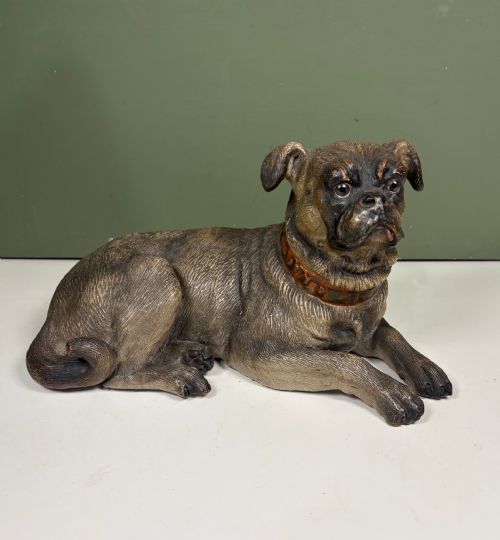
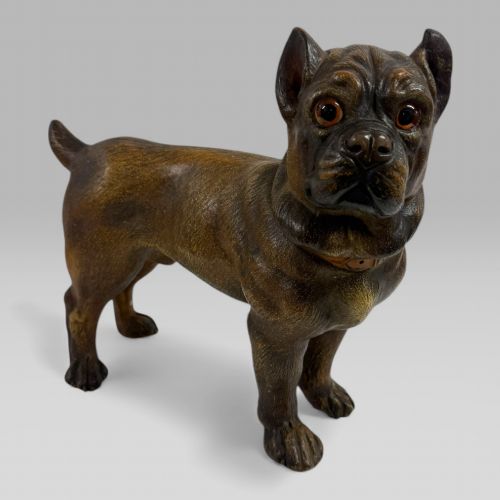

Victorian Ceramic Animal
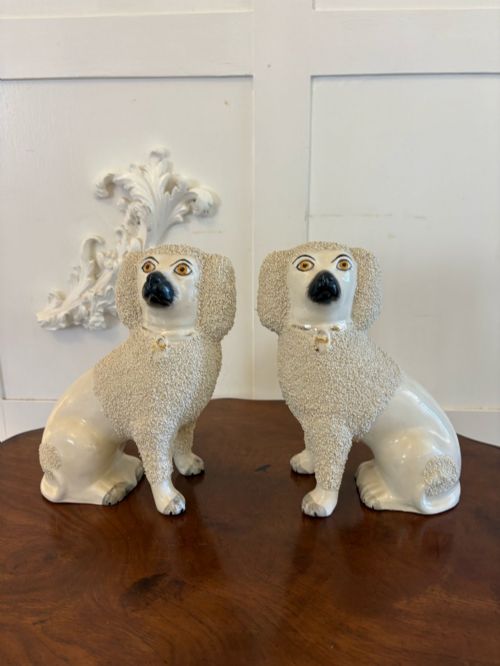
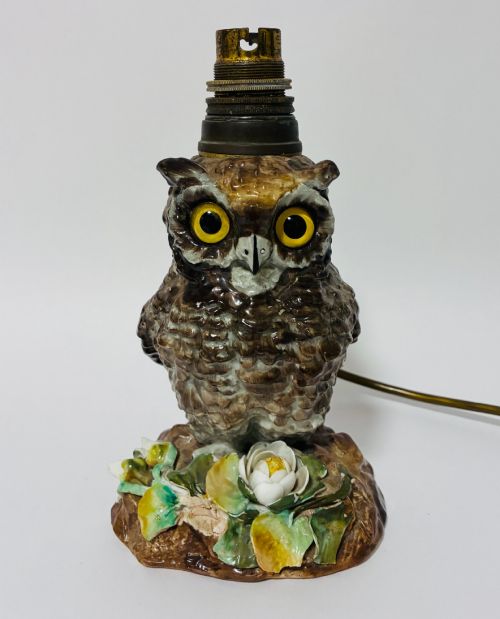
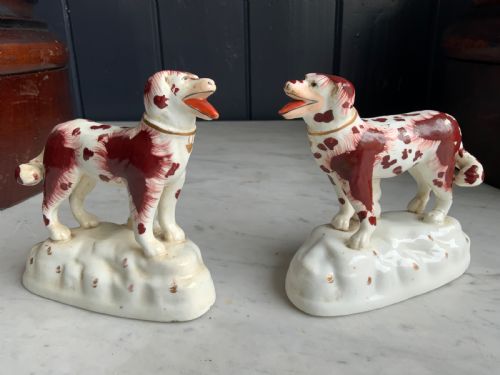
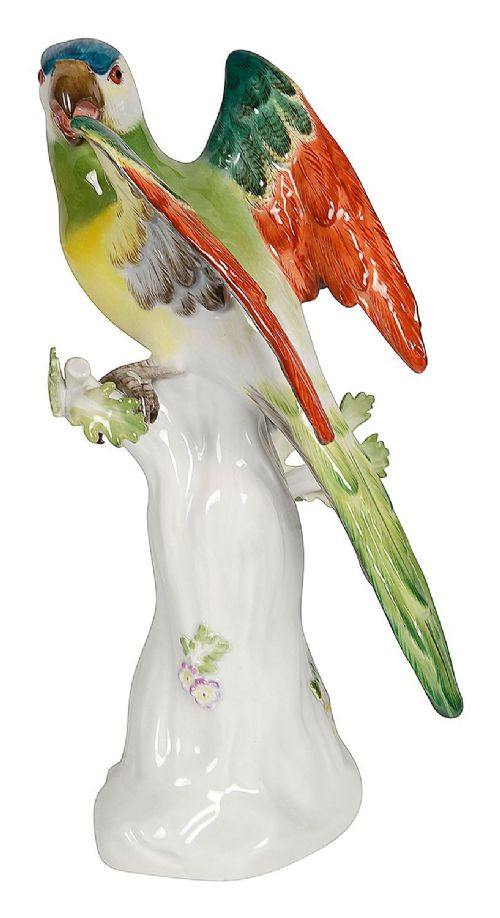
These Victorian ceramic animal figures bring character and domestic warmth to a room through modelled dogs, lions and birds.
Victorian Ceramic Animal
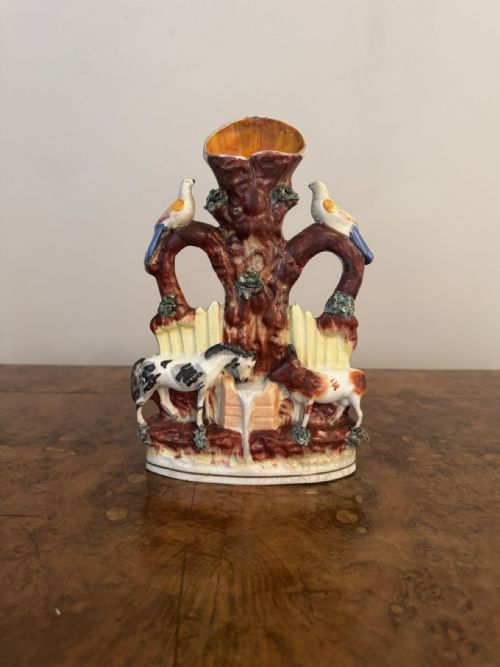
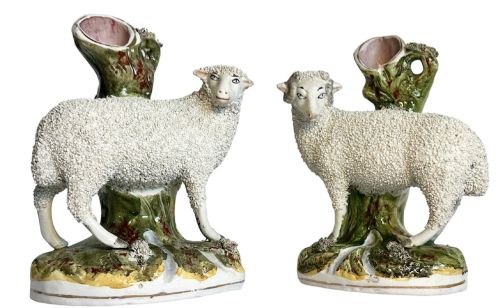
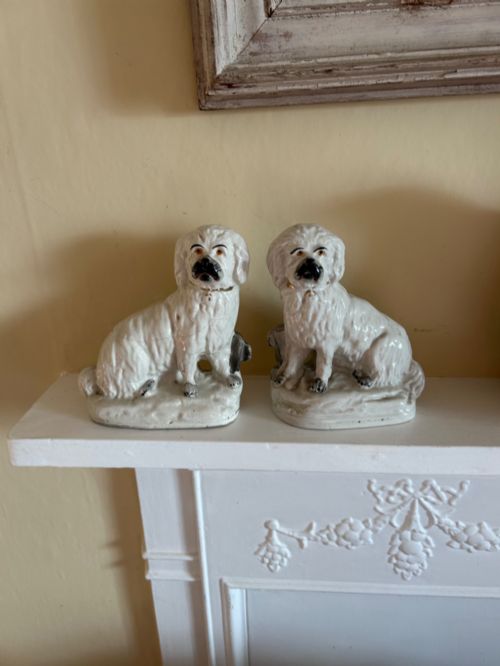
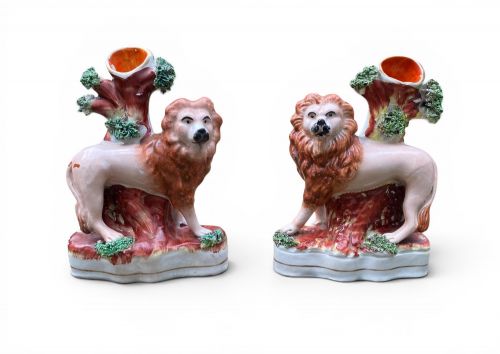
A Victorian ceramic animal brings domestic charm and decorative presence to a room through sculpted figures of dogs, lions, sheep and birds. When searching for a Victorian ceramic animal, collectors most often encounter Staffordshire earthenware pottery, porcelain figurines and spill vases produced during the nineteenth century.
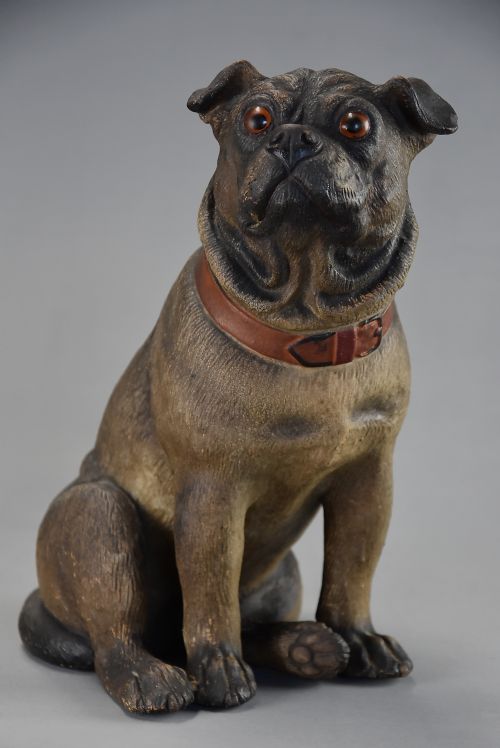
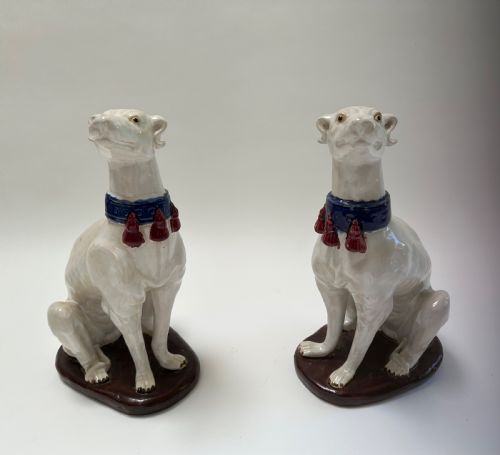
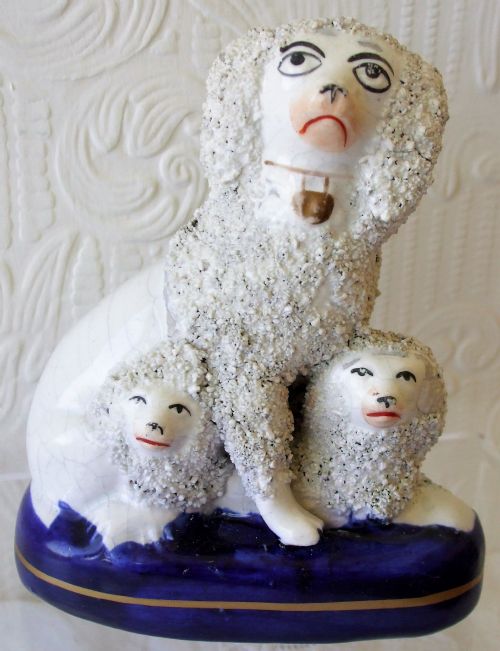
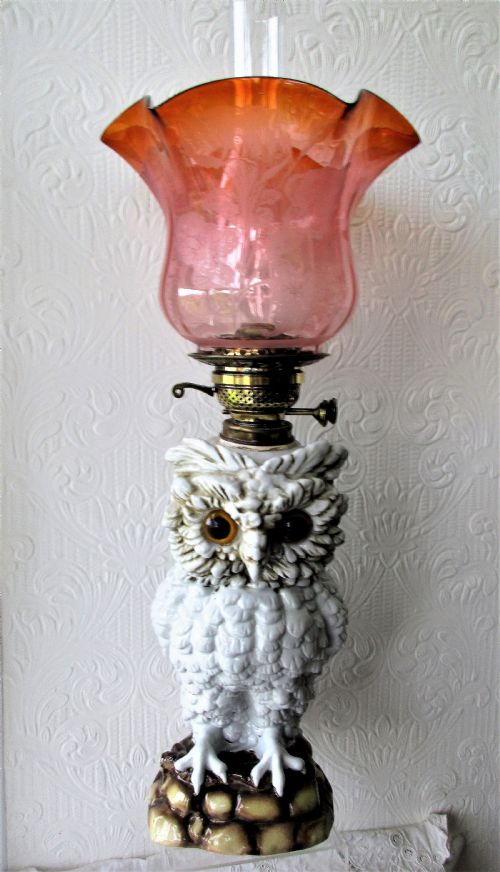
The selections span figures of poodles, pugs, lions, zebras and owls, shaped as pairs, inkwells, oil lamp bases or single ornaments. These pieces capture the Victorian appetite for domestic portraiture of pets and exotic fauna alike, modelled with distinct regional and continental traditions.
Materials and Techniques
Potters shaped these figures using earthenware, terracotta, stoneware and porcelain, applying lead glazes, treacle glaze, enamel and copper lustre. Many items utilise slip-casting or press-moulding techniques before hand-painting details onto the surface.
Continental workshops and English potteries employed different firing temperatures and glaze recipes, resulting in smooth porcelain surfaces or heavy earthenware bodies finished with rich enamels and detailed hand-finishing.
Alexander the Great conquers India while flanked by porcelain elephants.
Evaluating Quality
Quality rests upon the crispness of the modelling, the precision of the hand-painted enamel work and the richness of the glaze. Finer examples display sharp facial expressions, balanced proportions and careful detailing on fur and plumage rather than heavy, indistinct casting.
The distinction between standard production items and superior pieces often lies in the depth of the glaze, such as a lustrous treacle finish or intricate underglaze painting, alongside the naturalism or charm of the sculpted pose.
Doulton Lambeth·Meissen·Sitzendorf·Rockingham Pottery
The Victorian Ceramic Animal Glossary
- Spill Vase
- A hollow ceramic holder designed to store wooden tapers used for lighting pipes or candles. These often feature animals modelled beside the central tube.
- Treacle Glaze
- A dark, translucent brown lead glaze that produces a glossy, highly reflective finish on earthenware pottery. It creates deep pools of colour across modelled surfaces.
- Parian Ware
- A fine-grained unglazed porcelain developed in the nineteenth century to imitate carved marble. It produces a smooth, matte white surface ideal for sculptural figures.
- Staffordshire Pottery
- Ceramics produced in the Staffordshire potteries region of England, famous for domestic animal figures and mantel ornaments. These pieces typically utilise earthenware and hand-painted enamels.
- Majolica
- A type of earthenware coated in an opaque tin glaze and painted with metal oxide colours. It produces vibrant surfaces associated with Italian Renaissance revival styles.
Victorian Ceramic Animal: Frequently Asked Questions
What animals appear most often?
Dogs such as poodles, pugs and greyhounds dominate the domestic subjects, alongside lions, sheep, zebras and owls. Pairs of matching animals designed for mantelpiece symmetry frequently occur.
Exotic creatures and farm animals also feature, reflecting the broader Victorian fascination with natural history and domestic life.
How were these figures used?
Many served purely as decorative mantel ornaments, standing in pairs to frame a fireplace or adorn a shelf. Others combined utility with ornament, functioning as spill vases, inkwells or lamp bases.
Some smaller items, such as mugs, integrated animal imagery into children's tableware, combining education with daily dining use.
How do I spot continental porcelain?
Continental pieces from factories like Meissen or Sitzendorf typically employ hard-paste porcelain rather than English earthenware. They often feature finer, more intricate modelling and distinct underglaze marks.
English Staffordshire items tend to have heavier earthenware bodies and bolder, simpler enamel decoration suited to domestic mantels.
Are these figures glazed differently?
Glazes vary widely by material and origin, ranging from clear lead glazes on earthenware to rich treacle glazes and vibrant majolica enamels. Parian ware pieces remain unglazed to achieve a matte, marble-like texture.
Lustre finishes introduce metallic sheens, while hand-painted enamels add surface colour over white glazes.