


Victorian Ceramic Animal Figure
A victorian ceramic animal figure brings the character of nineteenth-century menagerie and fireside directly into a room.
Victorian Ceramic Animal Figure
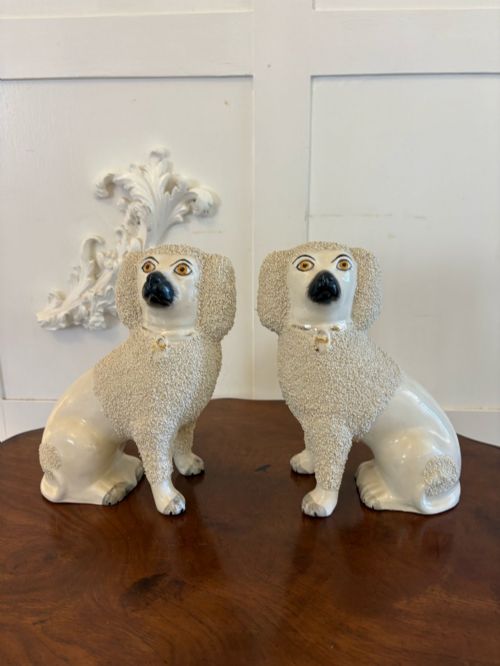
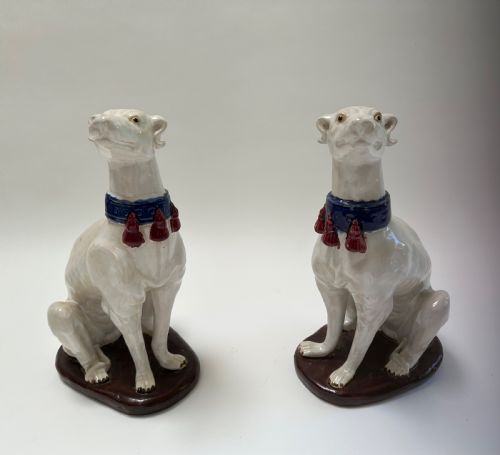
A victorian ceramic animal figure encompasses domestic pets, farm animals, and exotic beasts modelled in clay. Buyers seek these pieces for their display presence on mantelpieces, desks, and bookshelves.
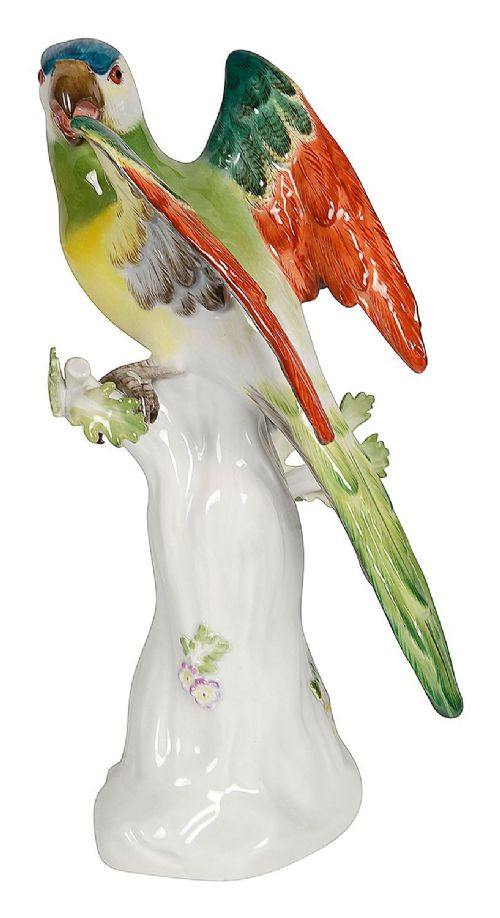
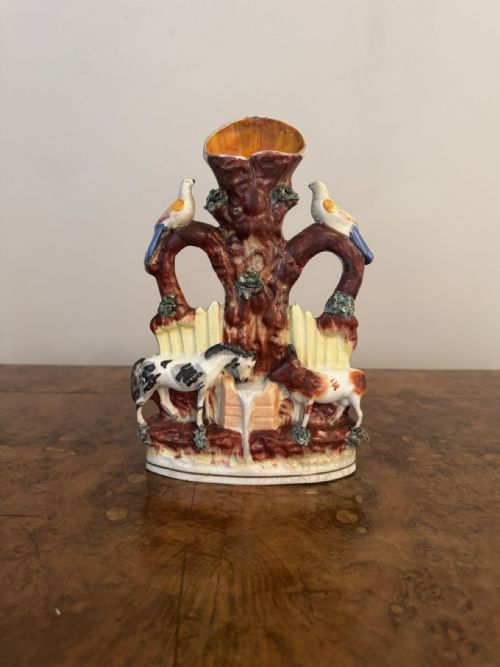
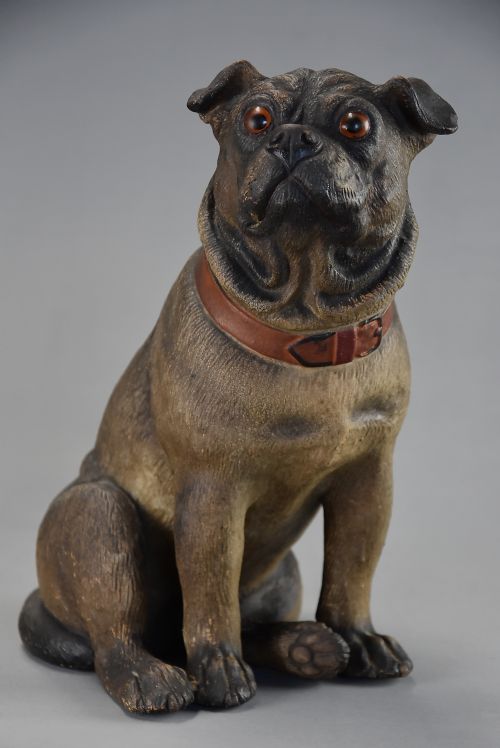
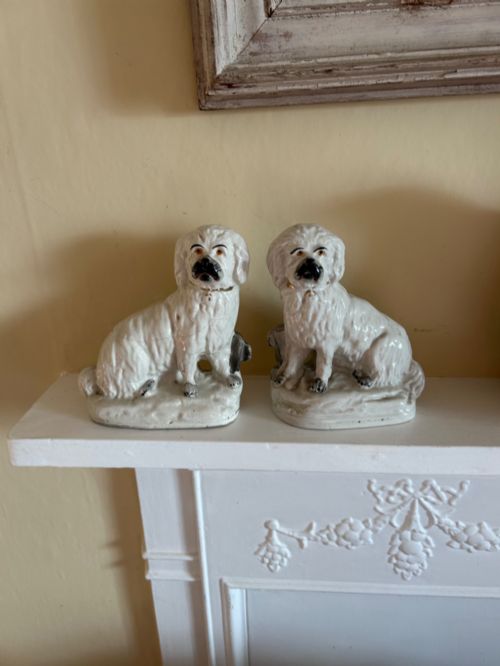
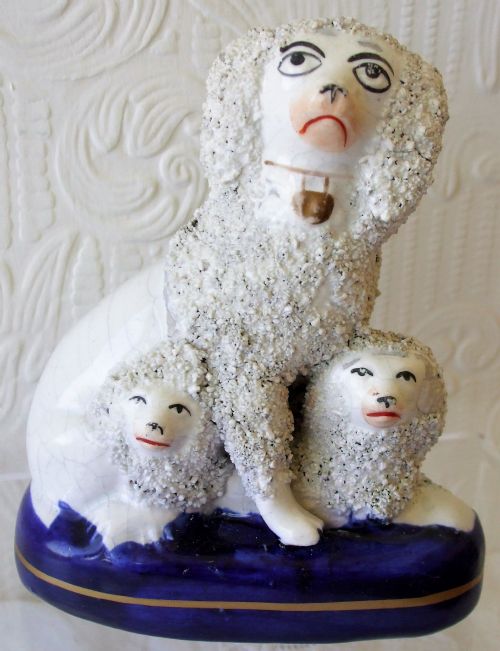
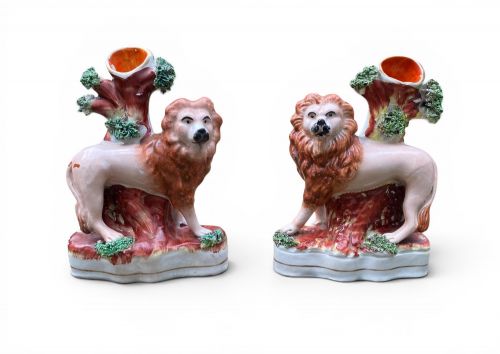
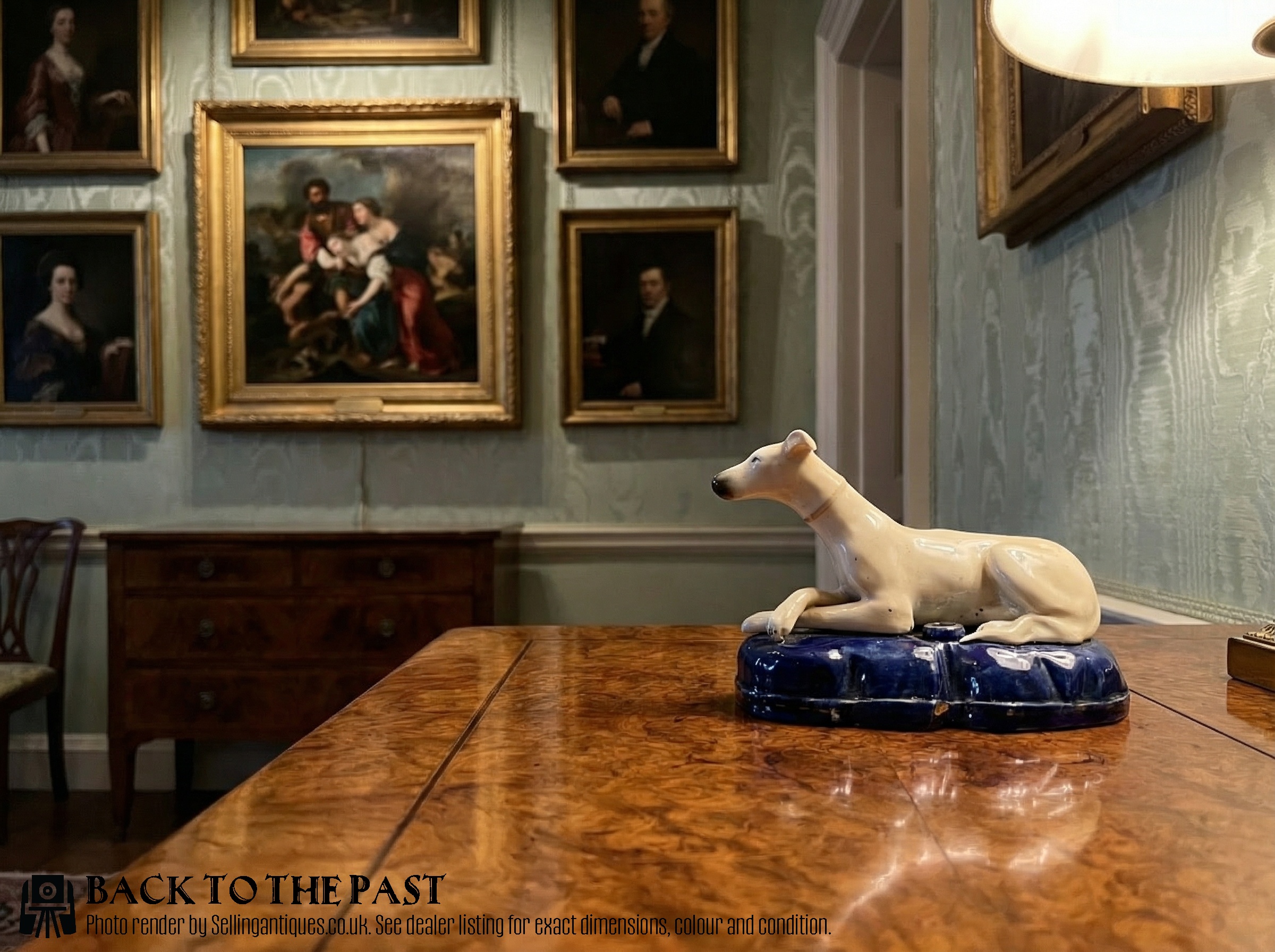
The selection here draws heavily on Staffordshire pottery dogs, lions, poodles, and sheep alongside continental porcelain and terracotta sculptures. Figures appear as single subjects, seated pairs, and functional spill vases or inkwells.
Most items stem from the nineteenth century, capturing Victorian taste through realistic portrayals and stylised rustic interpretations. English earthenware and continental porcelain dominate the physical record.
Materials and construction
Potters shaped these figures using earthenware, terracotta, and porcelain bodies, finished with lead glazes, enamel colours, and copper lustre. Earthenware forms often carry hand-painted details over white or tinted grounds.
Treacle glaze provides a dark, glossy brown finish seen on utilitarian lions and dogs from English kilns. Finer continental examples utilise delicate porcelain pastes painted with enamels and fired to high temperatures.
Listings feature 19th-century earthenware, porcelain, and terracotta, spanning styles from Victorian Staffordshire pottery to Italian Renaissance Revival.
Distinctions in execution
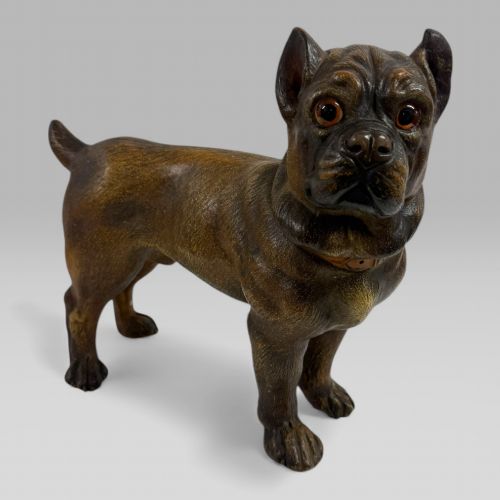
Quality rests upon the crispness of modelling in the clay and the control shown in hand-painted facial expressions. Superior pieces capture alert postures and fine fur texture without blurring under the glaze.
Pairs matched for size and symmetrical posing command greater attention than mismatched survivors. The depth and evenness of the glaze application further separate ordinary production wares from accomplished sculpture.
Meissen·Sitzendorf·Bernard Bloch·Wooley·Rockingham Pottery
The Victorian Ceramic Animal Figure Glossary
- Spill vase
- A hollow ceramic figure incorporating a cylindrical holder designed to store wooden matches for lighting fires. These items combine ornamental animal modelling with domestic utility.
- Treacle glaze
- A dense, dark brown lead glaze applied to pottery, yielding a glossy, translucent finish. It appears frequently on nineteenth-century lions and dogs.
- Terracotta
- Fired, unglazed or slip-coated brownish-red clay utilised for larger sculptural animal figures. This material allows for deep modelling of muscle and fur in life-size or substantial works.
- Copper lustre
- A metallic pottery glaze containing copper that produces a reflective, iridescent sheen upon the surface. Potters used this technique to highlight details on sculptural lions.
- Majolica
- Low-fired earthenware covered with an opaque tin-glaze and painted with coloured enamels. Italian majolica works introduce vibrant palettes to animal subjects.
Victorian Ceramic Animal Figure: Frequently Asked Questions
What animals appear most often?
Poodles, lions, and dogs dominate the English earthenware figures, accompanied by sheep, cats, zebras, and cows.
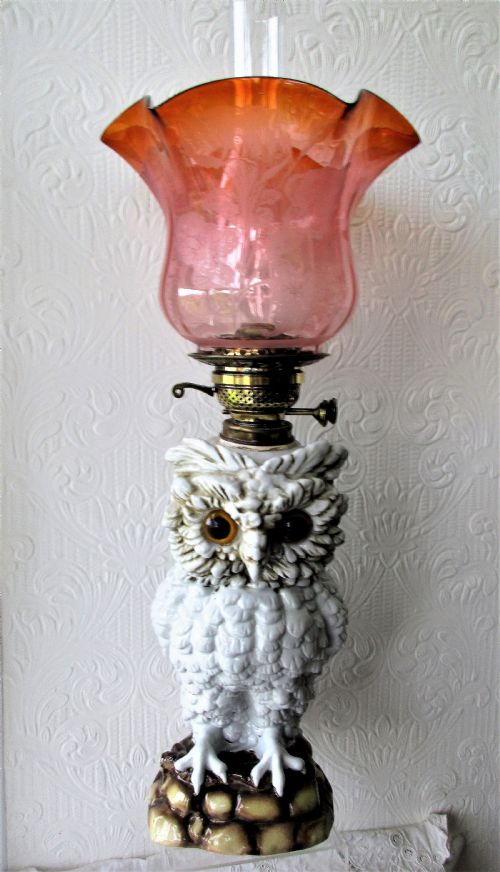
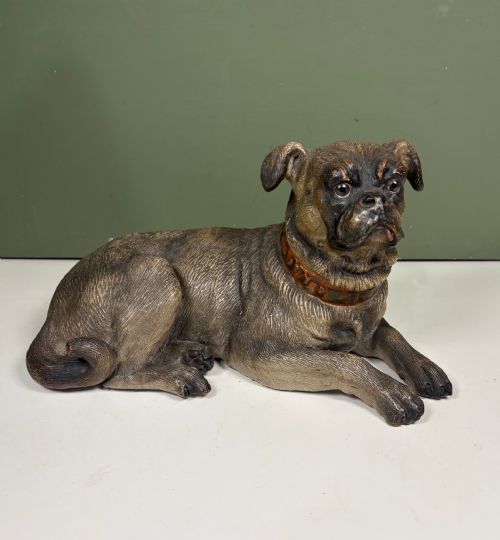
Continental porcelain and terracotta introduce owls, parrots, elephants, and pugs into the record.
How were spill vases used?
Spill vases held wooden tapers or spills used to transfer flames from a fireplace to candles or lamps.
The hollow cylindrical backing merged a practical household object with ornamental animal sculpture.
How do I spot Staffordshire pottery?
Staffordshire figures typically employ earthenware bodies with hand-painted underglaze or enamel details. They often feature simple flat or slightly concave unglazed bases.
Subjects focus on domestic dogs, lions, and farm animals modelled in pairs for mantelpiece display.
What is treacle glaze?
Treacle glaze is a rich, dark brown translucent coating applied to nineteenth-century earthenware. It creates a deep, mirror-like shine across the surface of lions and dogs.
This finish protected the clay body while offering a uniform, dark coloration.
Are these figures usually found in pairs?
Many listings present animals as symmetrical pairs intended to flank a clock or ornament on a mantelpiece. Poodles, lions, and dogs frequently survive in matched sets.
Single figures also appear, particularly among larger sculptures and functional pieces like inkwells.